

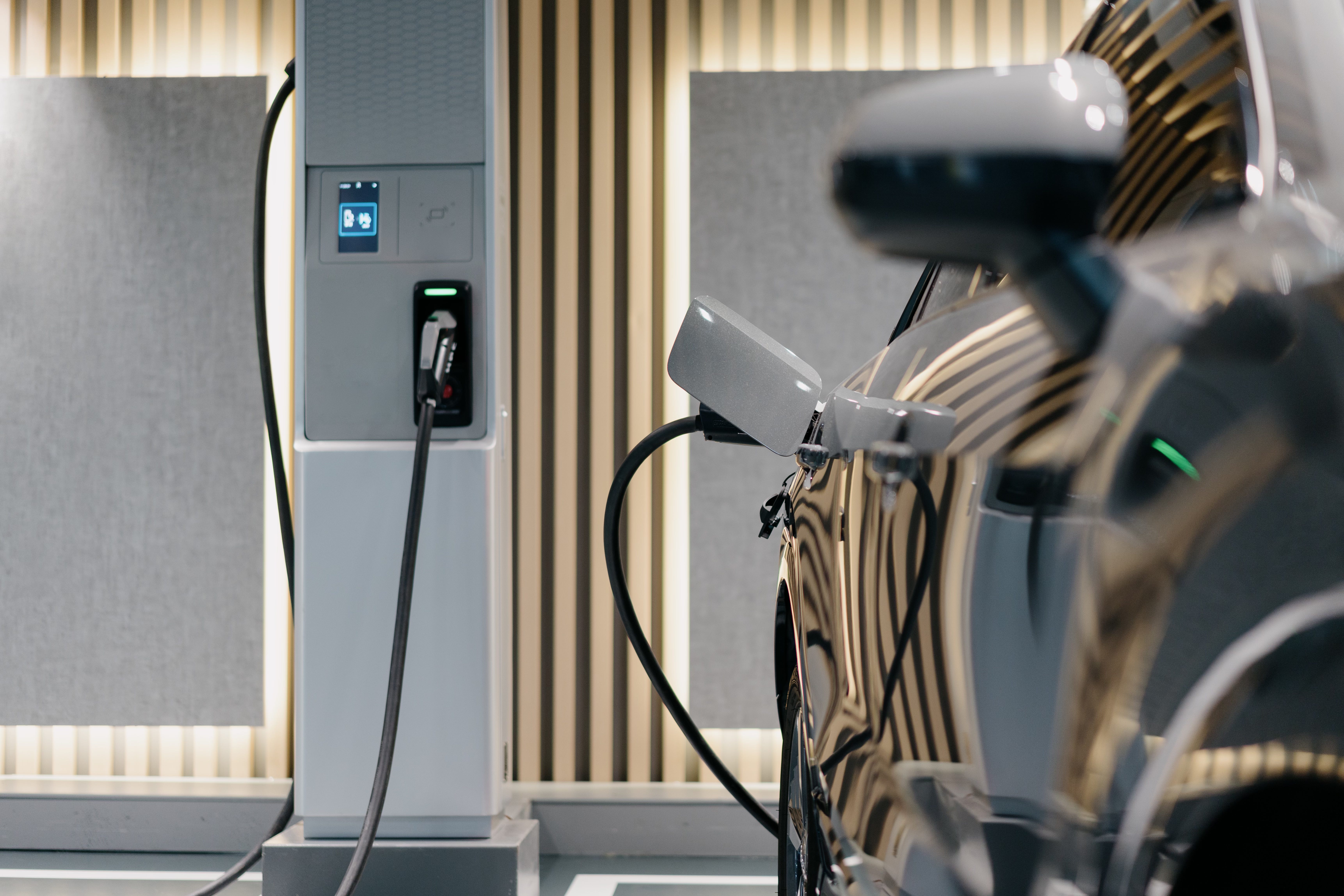
A new analysis from oil and gas consultancy SIA Energy has revealed that countries are forging a new energy path, sourcing renewable and electric vehicle technologies from China. Between January and May of this year, China exported more than 2 million electric passenger vehicles, with nearly half of those exports occurring in April and May. “If China’s car industry were handing out a salesman of the year award for 2026, President Trump would be a leading contender,” a SIA Energy note on the report reads.
According to the International Energy Agency, global electric vehicle use last year helped the world avoid consuming about 1.7 million barrels of oil per day. (For reference, the daily crude oil production of Nigeria is 1.56 million barrels per day. ) In 2025, electric car sales grew 20% globally, exceeding 20 million and meaning that one-quarter of all new cars sold were electric vehicles.
Europe saw the strongest growth among major electric vehicle (EV) markets, primarily due to the European Union’s (EU) fuel economy and CO2 standards. Ultimately, in 2025, electric vehicles accounted for nearly 55% of all car sales. Some countries in Southeast Asia, including Vietnam, which is the largest EV market in the region, have already announced plans to expand or extend EV tax incentives as part of their response to the current energy crisis.

The initial oil crisis of the 1970s prompted the introduction of fuel-efficiency standards, which resulted in nearly a doubling of the fuel economy of conventional cars between 1975 and today. Trump’s war in Iran has only hastened the consumer movement toward electric vehicles as the price of oil has continued to skyrocket all year. Based on average oil prices in April, the annual fuel cost savings from driving an EV in the European Union grew substantially due to soaring gas prices.
Natural gas has long been considered a transitional solution to move away from dependence on coal and oil, but the ongoing fighting in Iran has underscored the risks of that proposition in the long term. “The Gulf seemed like a safe space [for sourcing natural gas], and then this happened,” says Fareed Mohamedi, managing director at SIA Energy.
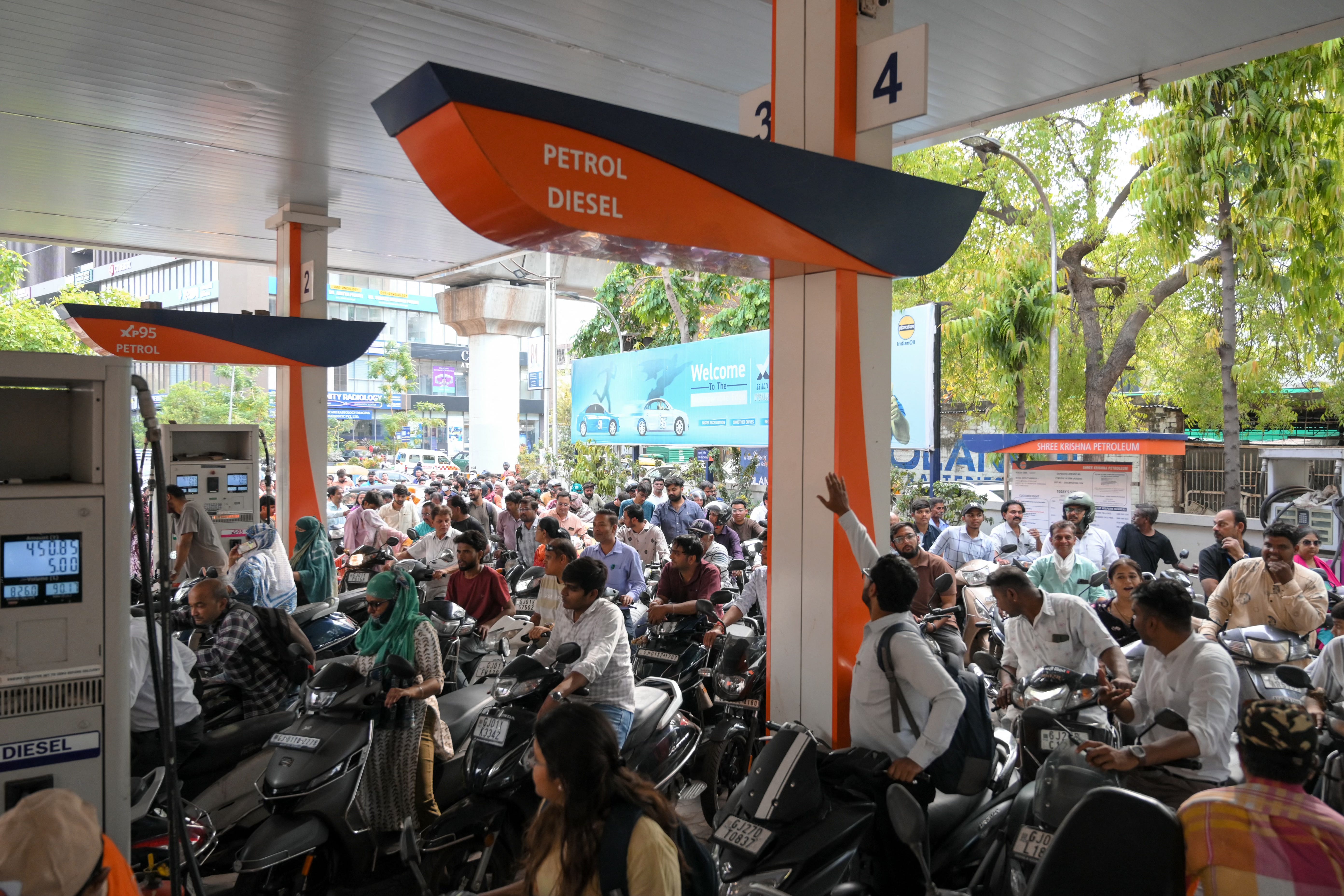
Asian natural gas prices shot up over 100% from pre-war levels at their peak in March, and in recent months, countries like the Philippines and Tuvalu have faced their own war-triggered energy crises, in which governments have been forced to close schools and offices and ration fossil fuel supplies. But countries like Pakistan, which have focused their resources on investing in solar and batteries, have been able to reduce their oil and natural gas imports, which has ultimately saved the country billions of dollars.
The following is a statement from Alice Harrison, who is the Senior Director at Secure Energy Project:
“Pakistan has spent the last few years quietly building resilience to the very scenario the energy sector most feared: the shutting of the Strait of Hormuz. This will significantly soften the blow from the current energy crisis, which will hit Asia hardest.
The financial impact of Pakistan’s solar transition is stark. By February 2026, the country had avoided more than USD 12 billion in oil and gas imports that would otherwise have been needed to meet domestic energy demand. At this year’s expected market prices, Pakistan could save a further USD 6.3 billion by the end of the year.
The geopolitical context makes these savings even more significant. Pakistan imports a large share of both LNG and oil through the Strait of Hormuz, one of the world’s most critical and contested energy chokepoints. In 2024, despite reducing its reliance, Pakistan still ranked third globally in LNG dependence on Hormuz-transiting cargoes as a share of total consumption and fifth for oil. Any sustained disruption to the strait would send immediate shockwaves through Pakistan’s energy system.
Solar has quietly changed that calculus. As rooftop panels spread across homes, farms, and factories, demand for LNG has fallen. The clearest signal sits in Pakistan’s long-term LNG contracts, where some shipments have been diverted to international markets, and the government has been actively renegotiating terms as solar-driven displacement reduces the need for imported volumes. Without the growth of distributed solar, Pakistan would be far more exposed to the supply disruptions and price shocks now rippling out of the Middle East.”
Other countries like the Philippines — which are more directly affected by the War in Iran — are making a substantial shift toward solar and have imported more than $400 million in solar panels from February to May, an increase of 139% from a year ago.
The Iran war has come on the heels of a four-year energy crisis initially spurred by Russia’s invasion of Ukraine, and this has only reinforced the dangers of relying on imported fossil fuels, says Kaushik Deb, who leads the India Team at the University of Chicago’s Energy Policy Institute. “What this crisis is doing is kind of creating the need for this energy transition to happen much faster.”
Chinese solar and battery imports have changed the calculus for investments in global renewable projects, says Dele Kuti, global head of energy and infrastructure for Standard Bank, the largest bank in Africa. Kuti confirmed that in 2025, Standard Bank’s financing of renewable energy power projects outpaced that for nonrenewable power projects by a ratio of 8 to 1. “The Chinese crashed the market!” Kuti says. “We started looking at - when it comes to solar projects - it’s actually not bad from a cost perspective.”
What is clear is that other countries are diligently seeking alternatives to natural gas and oil, and their pace is hastened by the immediacy of shortages caused by the War in Iran. While the United States continues to rely on outdated principles that show no growth in science or humanity, the rest of the world is scrambling to sustain its own country’s energy needs, and it seems that China is the only superpower to get this economic message.
Amee Vanderpool writes the SHERO Newsletter and is an attorney, published author, contributor to newspapers and magazines and analyst for BBC radio. She can be reached at avanderpool@gmail.com or follow her on Twitter @girlsreallyrule.
Make a One Time SHERO Tribute Now
Paid subscriptions allow me to keep publishing critical and informative work that is sometimes made available to the public — thank you. If you like this piece and you want to further support independent journalism, you can forward this article to others, get a paid subscription if you don’t already have one or send a gift subscription to someone else today.
Comments
Nothing yet. Say the first thing.
Sign in to join the conversation.