
Chronic pain affects millions of people worldwide, often persisting for months or even years without clear resolution. While pain (acute pain) is typically a signal of injury or illness, chronic pain lingers even after the initial cause has healed. One of the key mechanisms behind this experience is neuroplasticity—the brain's ability to reorganise itself by forming new neural connections. Understanding the relationship between neuroplasticity and chronic pain can help us understand why we with chronic pain experience what we do. I am an advocate for education with health conditions, education and information can give us power. This knowledge is then empowering people to manage and cope well with the pain.

Neuroplasticity refers to the brain's ability to adapt and change in response to experience, injury, or learning. It allows for the strengthening of existing neural pathways and the creation of new ones. While neuroplasticity is essential for learning new skills , it also plays a role in perpetuating chronic pain.
In cases of chronic pain, the nervous system undergoes maladaptive changes. The brain and spinal cord may become more sensitive to pain signals, amplifying and prolonging pain experiences even when no new injury is present. This process, known as central sensitisation, results in heightened pain perception and increased sensitivity to stimuli that might not normally cause pain.
Rewiring Pain Pathways: Over time, the repeated activation of pain pathways can reinforce pain signals, making them stronger and more persistent.
Hyperactive Pain Networks: The brain may become overly responsive to pain-related signals, leading to increased pain perception even in the absence of a direct cause.
Emotional and Psychological Impact: Chronic pain can also affect brain regions related to emotions and memory, contributing to anxiety, depression, and stress, which in turn can exacerbate the pain experience.

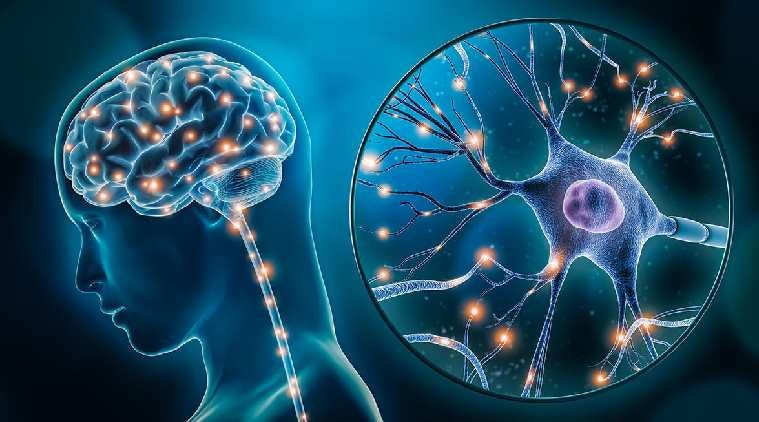
The concept of neuroplasticity offers hope for those suffering from chronic pain. If the brain can rewire itself to sustain pain, it may also be capable of rewiring itself to reduce or eliminate pain. This insight has led to the development of several promising approaches to managing chronic pain:
Mindfulness and Meditation: These practices can help retrain the brain by promoting relaxation and reducing the hypersensitivity associated with chronic pain.
Cognitive Behavioral Therapy (CBT): CBT helps patients change negative thought patterns that reinforce pain experiences, allowing for a shift in pain perception.
Physical Activity and Exercise: Movement helps stimulate healthy neural pathways, reducing pain intensity and improving overall well-being.
Neuroplasticity plays a crucial role in the development and persistence of chronic pain. While this process can contribute to pain amplification, it also provides an opportunity for healing and recovery. By leveraging strategies that promote positive neuroplastic changes, individuals with chronic pain can regain control over their pain experiences and improve their quality of life. Research in this field continues to evolve, offering hope for more effective treatments in the future.
No posts
Comments
Nothing yet. Say the first thing.
Sign in to join the conversation.