
Something I have come to realise, from my own lived experience with pain and long term health conditions, and one thing I see often with my clients is that one of the hardest things about living with chronic pain isn’t always the pain itself.
It’s the thinking.
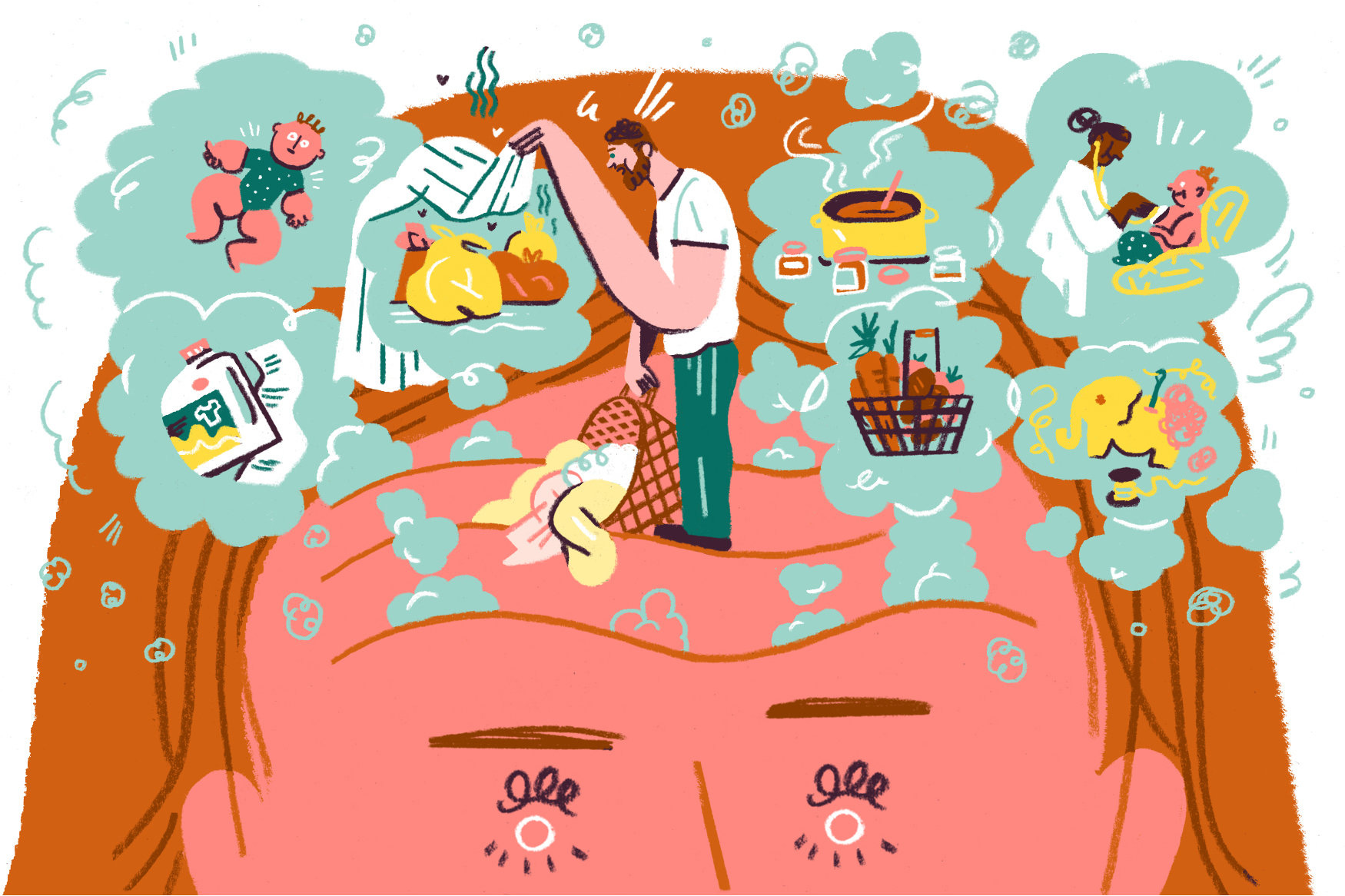
The constant, quiet mental effort that runs in the background of your life, even on days when, from the outside, it looks like you haven’t really done very much at all.
So many women say this to me, often with a mix of confusion and guilt:
“I didn’t do much today -why am I so tired?”
“I rested - so why does everything still feel like such hard work?”
What often goes unseen is the mental load of living in a body that can’t be taken for granted.
When you live with chronic pain, your mind is rarely fully at rest. Almost without noticing, you’re constantly checking in with yourself. How much energy do I have today? If I do this now, what will it cost me later? Will this trigger a flare? What’s my backup plan if things worsen? Do I need to explain myself again, or can I quietly step back?
This kind of monitoring uses a huge amount of cognitive and emotional energy. It isn’t dramatic or obvious. There’s no clear start or finish. It’s just there, all the time.
Chronic pain turns everyday life into a series of decisions. Things that once felt simple, meeting a friend, going for a walk, popping to the shop — now often require planning, pacing, and a mental exit strategy. Your nervous system is constantly scanning ahead, trying to protect you from future pain. And that anticipatory stress can be exhausting in itself.
It’s one of the reasons rest doesn’t always feel restorative. Your body might be still, but your nervous system is still working hard in the background.
For many women, there’s another layer too, the emotional labour of managing other people’s reactions. Not wanting to seem unreliable. Not wanting to complain. Not wanting to be “too much”. So you smile, you downplay, you explain, you justify or you say nothing at all.
That effort matters. And it costs far more than most people realise.
When this invisible load isn’t recognised, it’s very easy to turn the blame inward.
I should be coping better.
Other people manage more than this.
Why am I so overwhelmed by such small things?
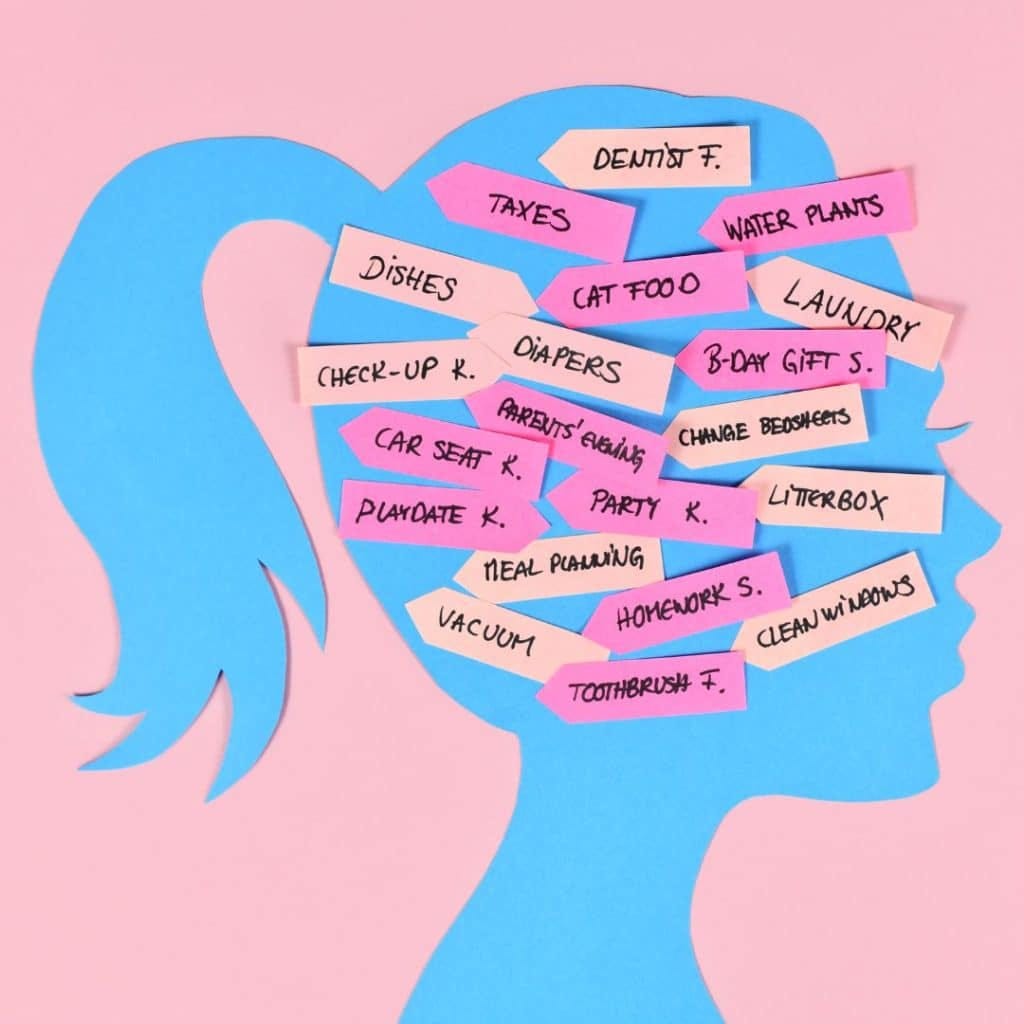
But nothing has gone wrong.
Your system has been working overtime to keep you safe in an unpredictable body. Of course you’re tired. Understanding this can be a powerful shift, away from self-criticism and towards self-compassion.
Instead of asking yourself, “Why can’t I do more?” you might gently ask, “What am I carrying mentally today?”Where am I using energy that no one else can see? What would it look like to reduce mental load, not just physical load?
Sometimes support doesn’t mean doing less. Sometimes it means thinking less (easier said than done I know!). Explaining less. Anticipating less.
If you live with chronic pain and feel worn down even on quieter days, you’re not imagining it. Your fatigue is not a failure of resilience or strength. It’s a sign of how much unseen work your body and mind are doing every single day.
And you deserve care from others, and from yourself, that recognises all of that, not just the pain that shows.

No posts
Comments
Nothing yet. Say the first thing.
Sign in to join the conversation.