
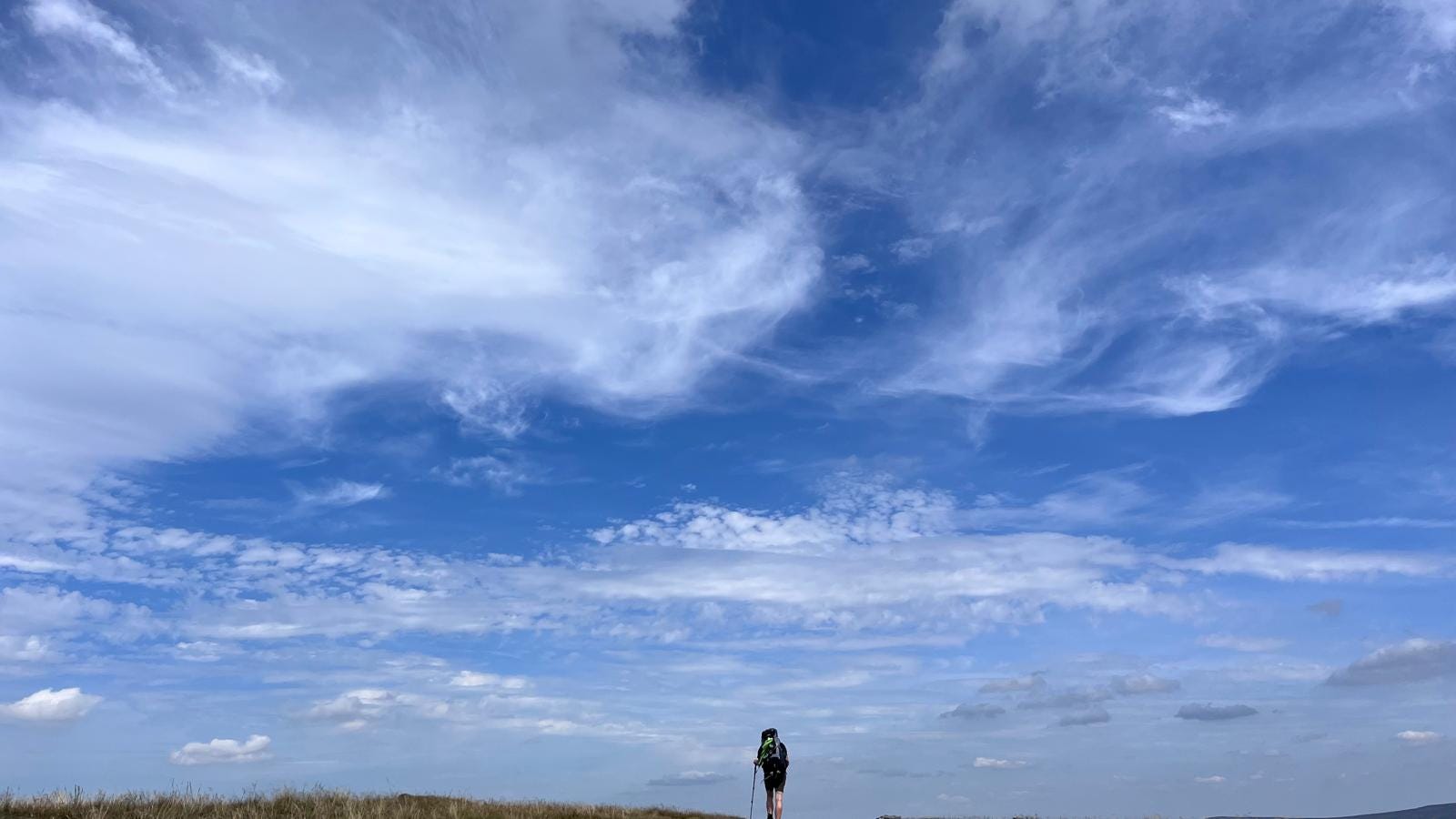
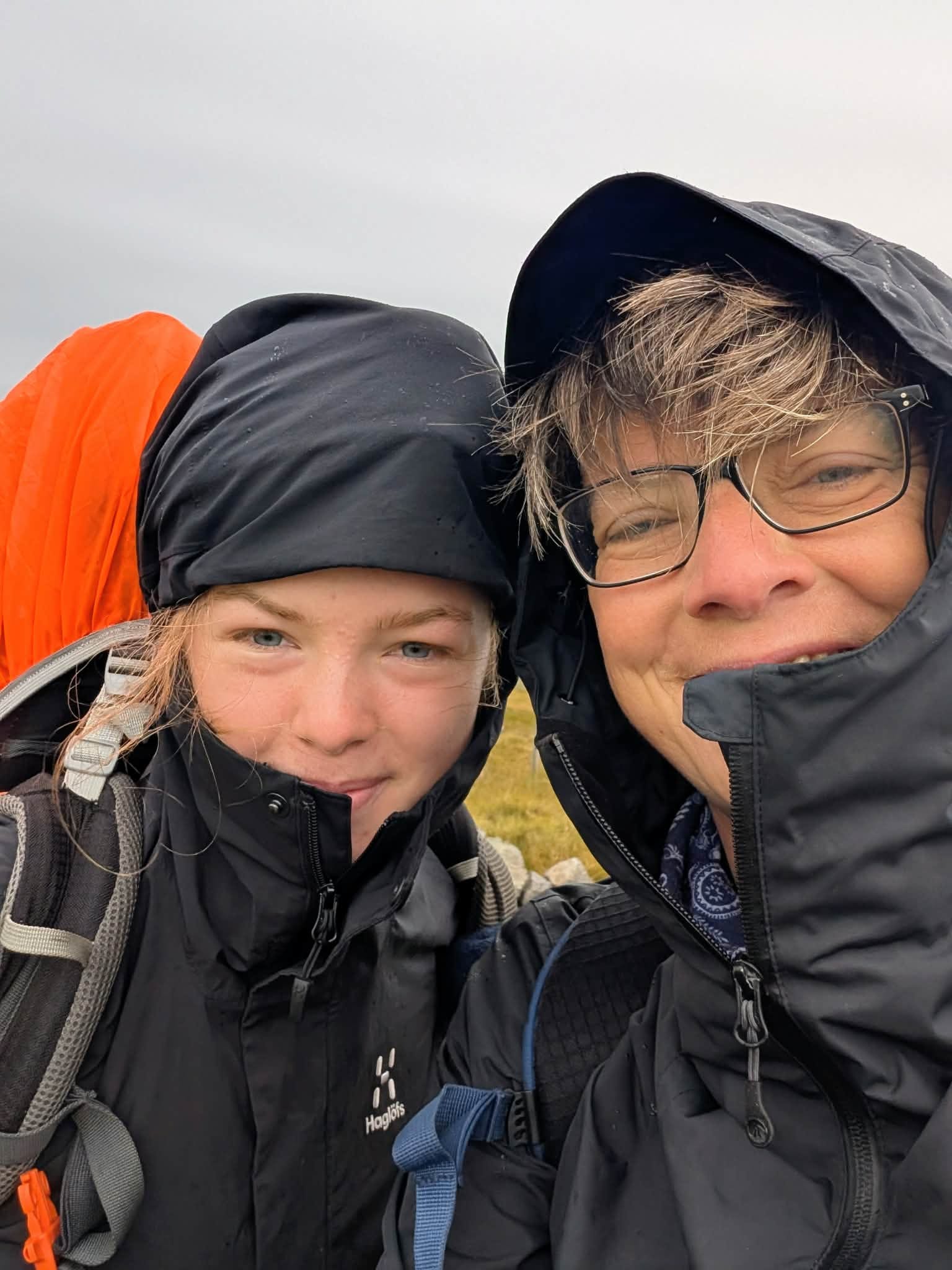
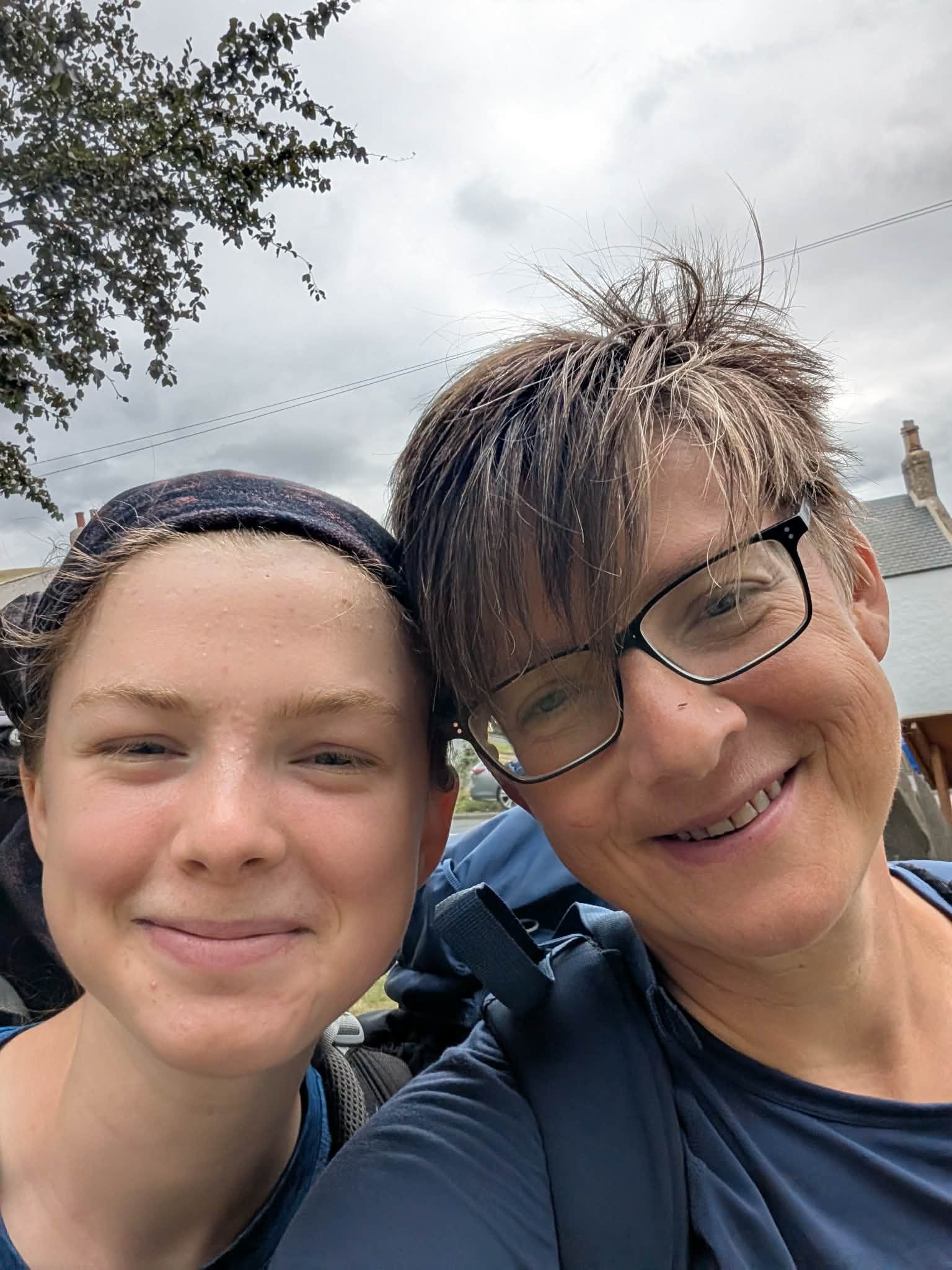
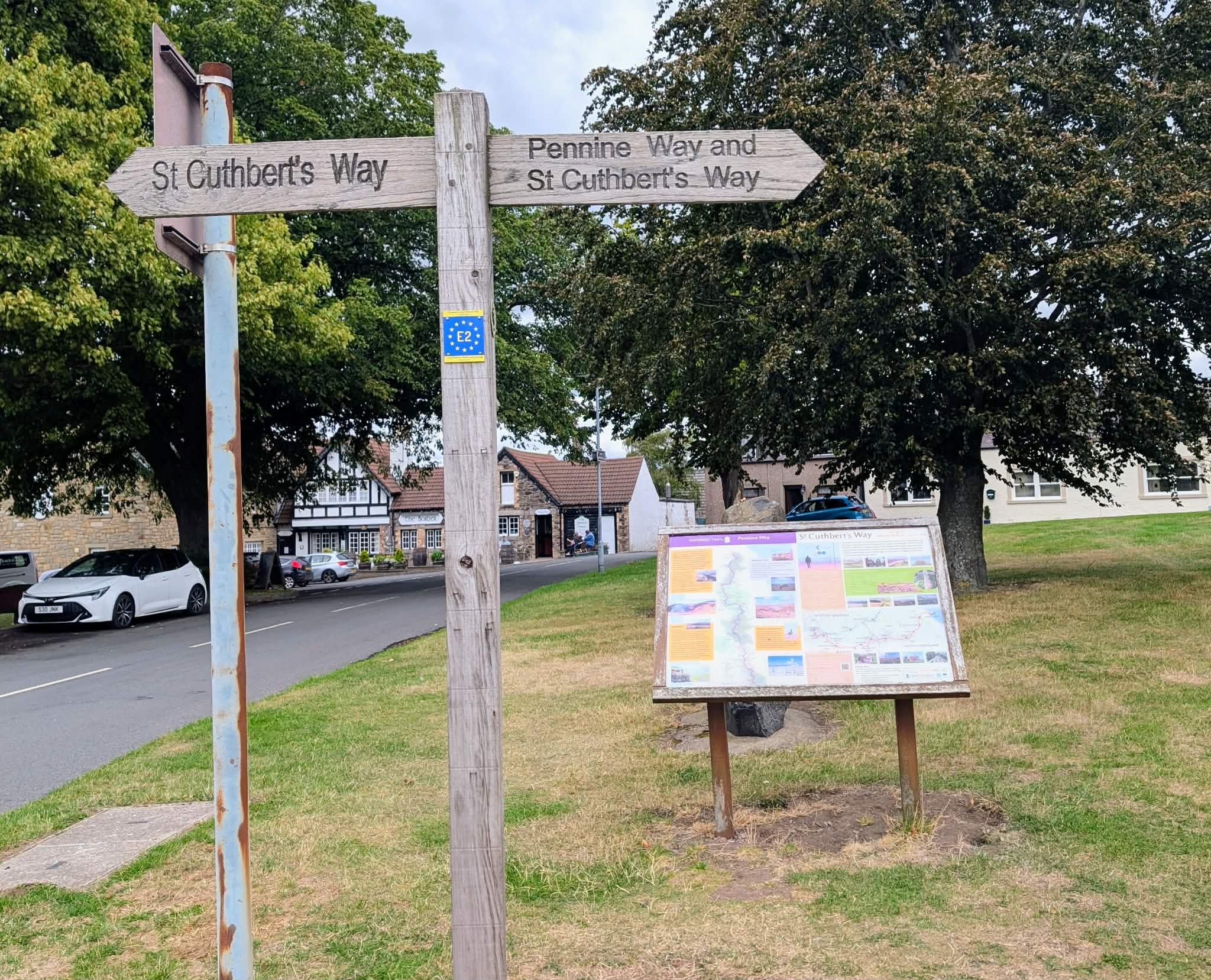
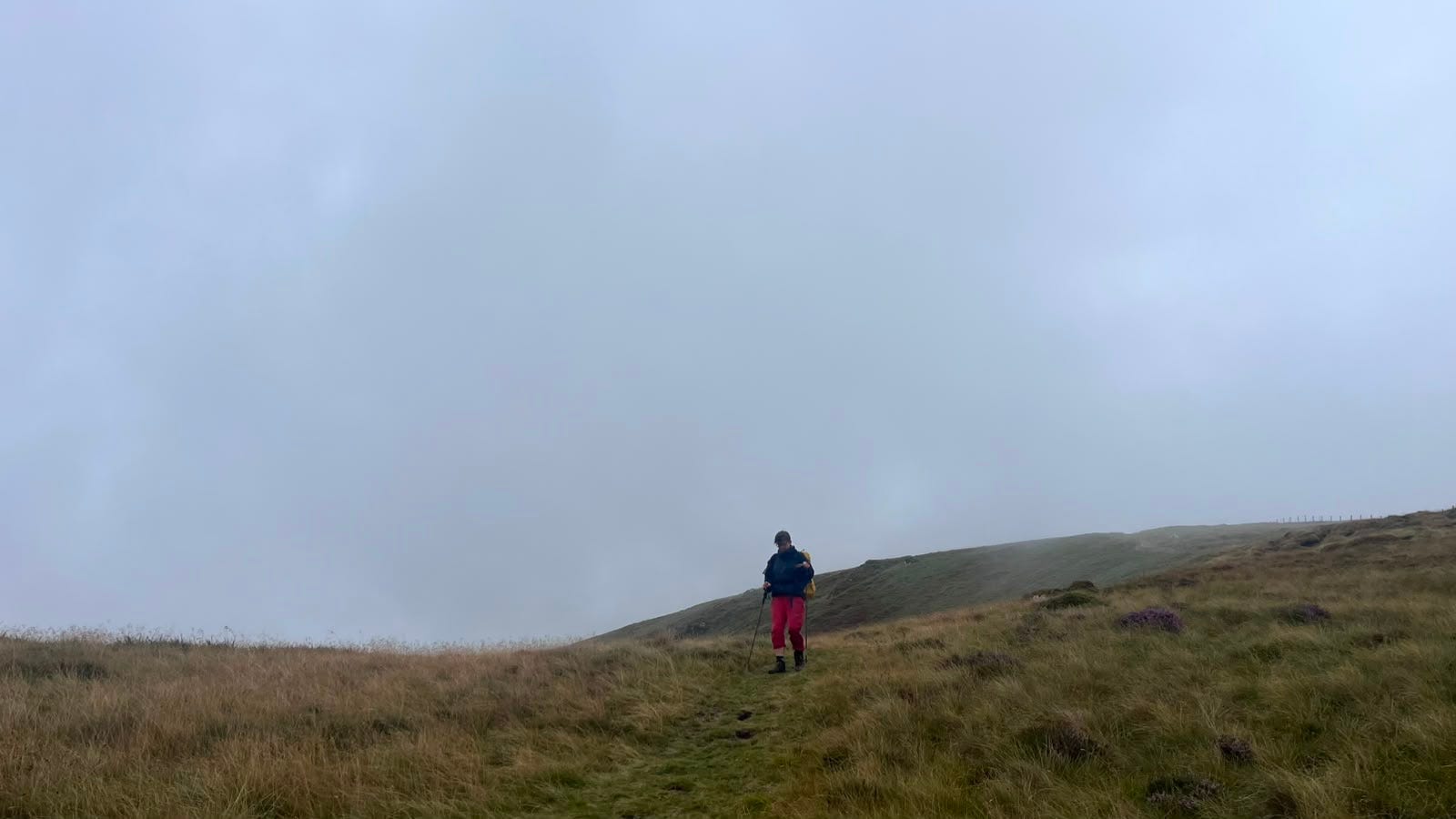
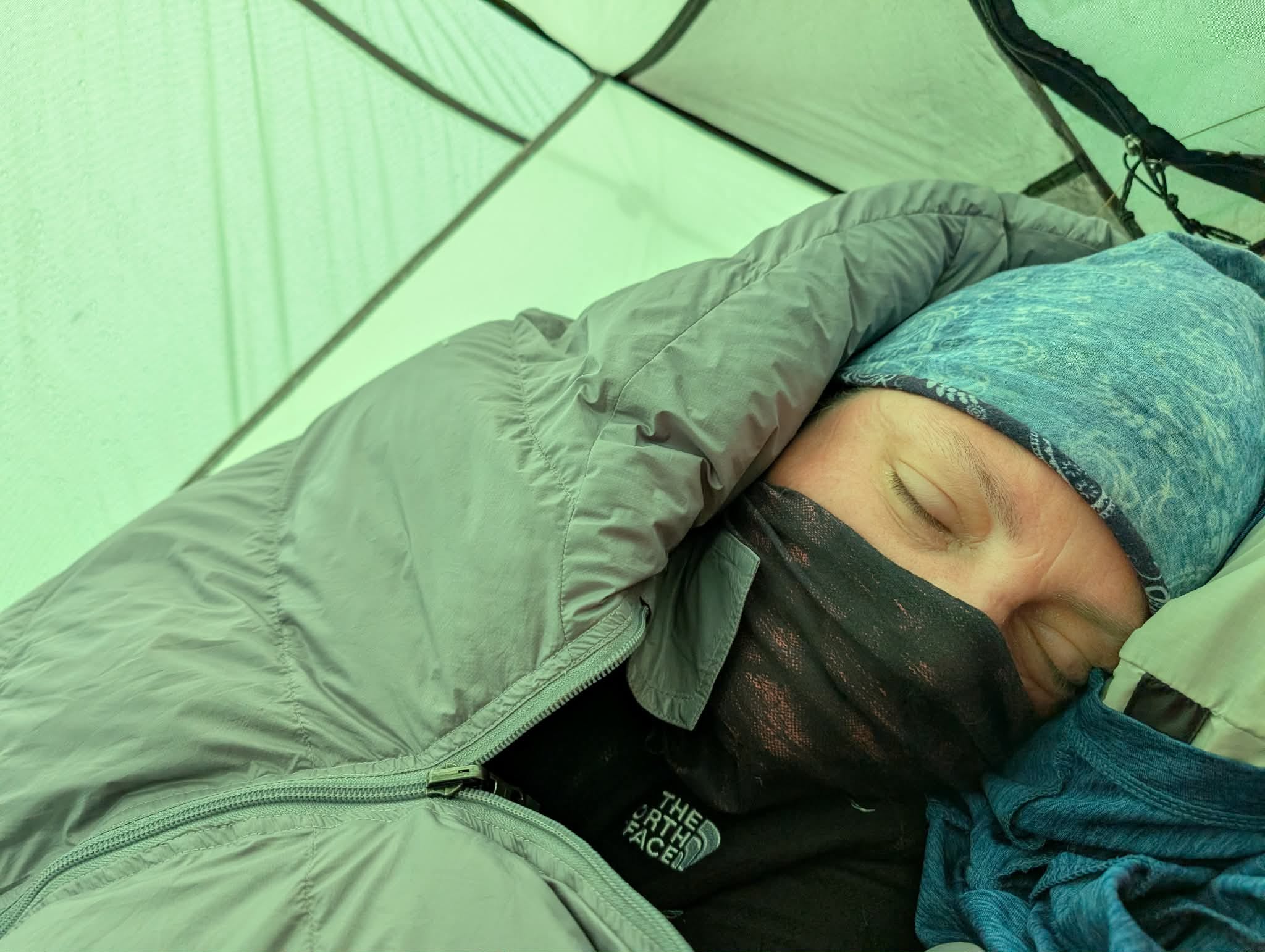
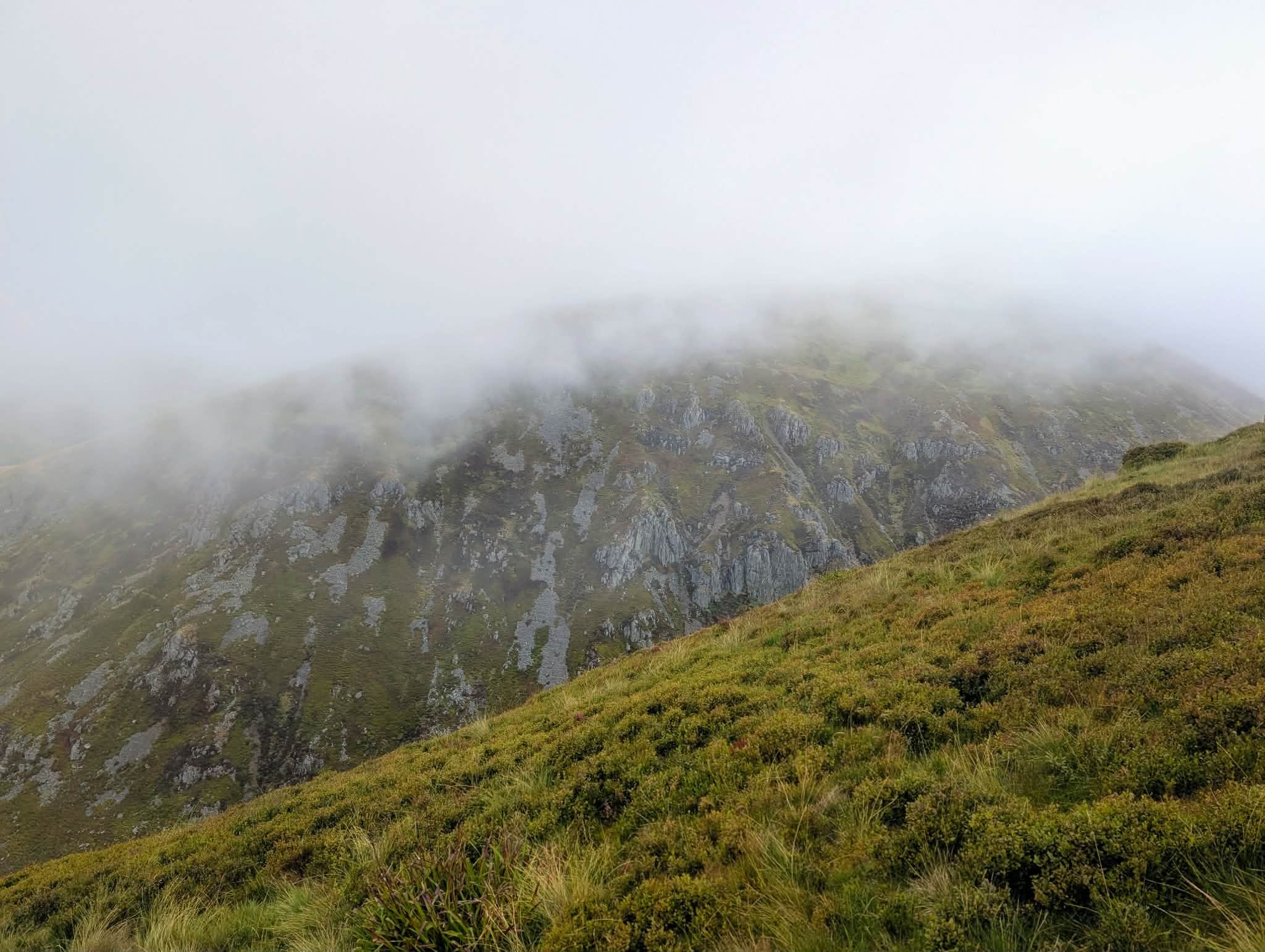
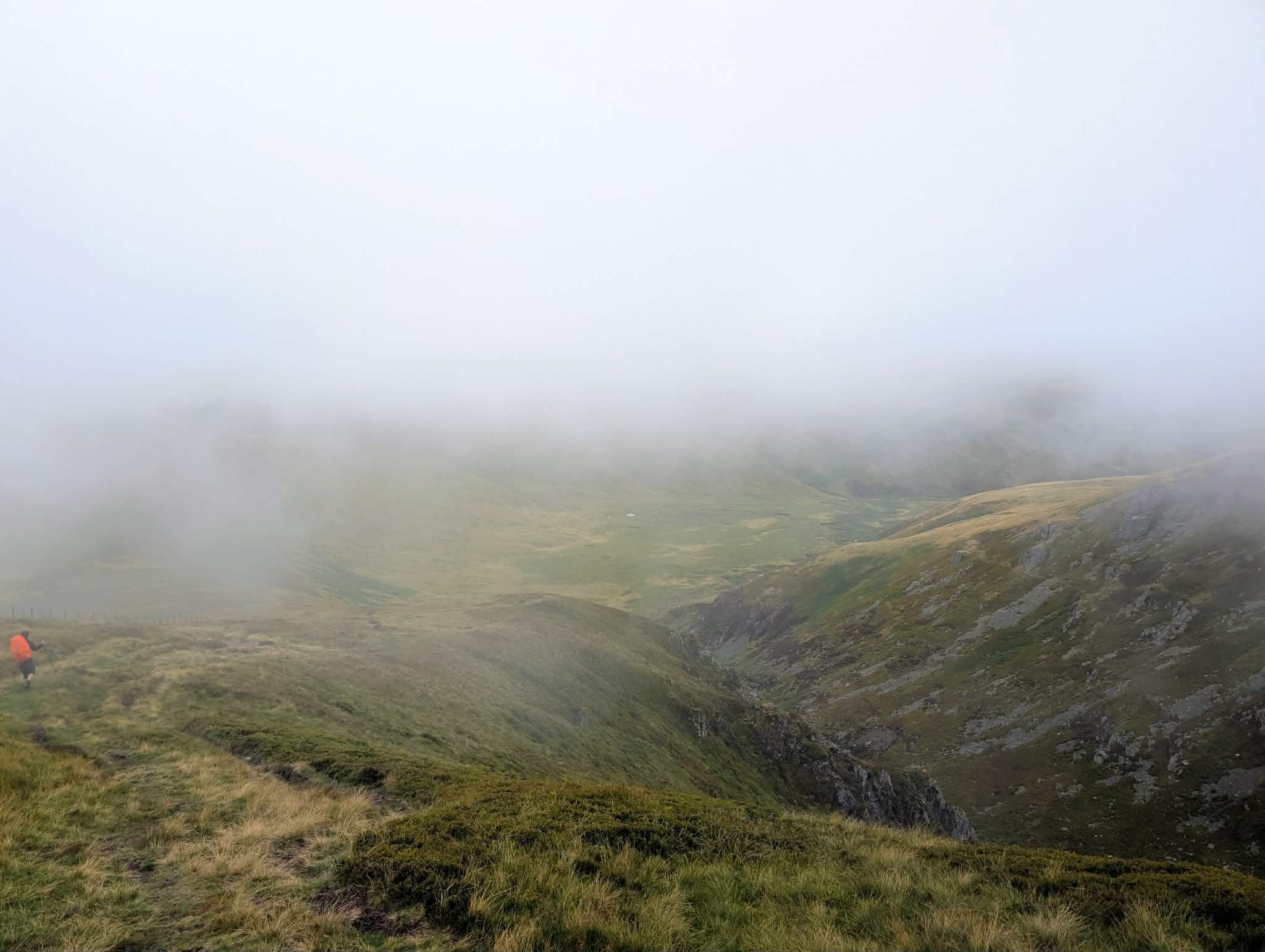
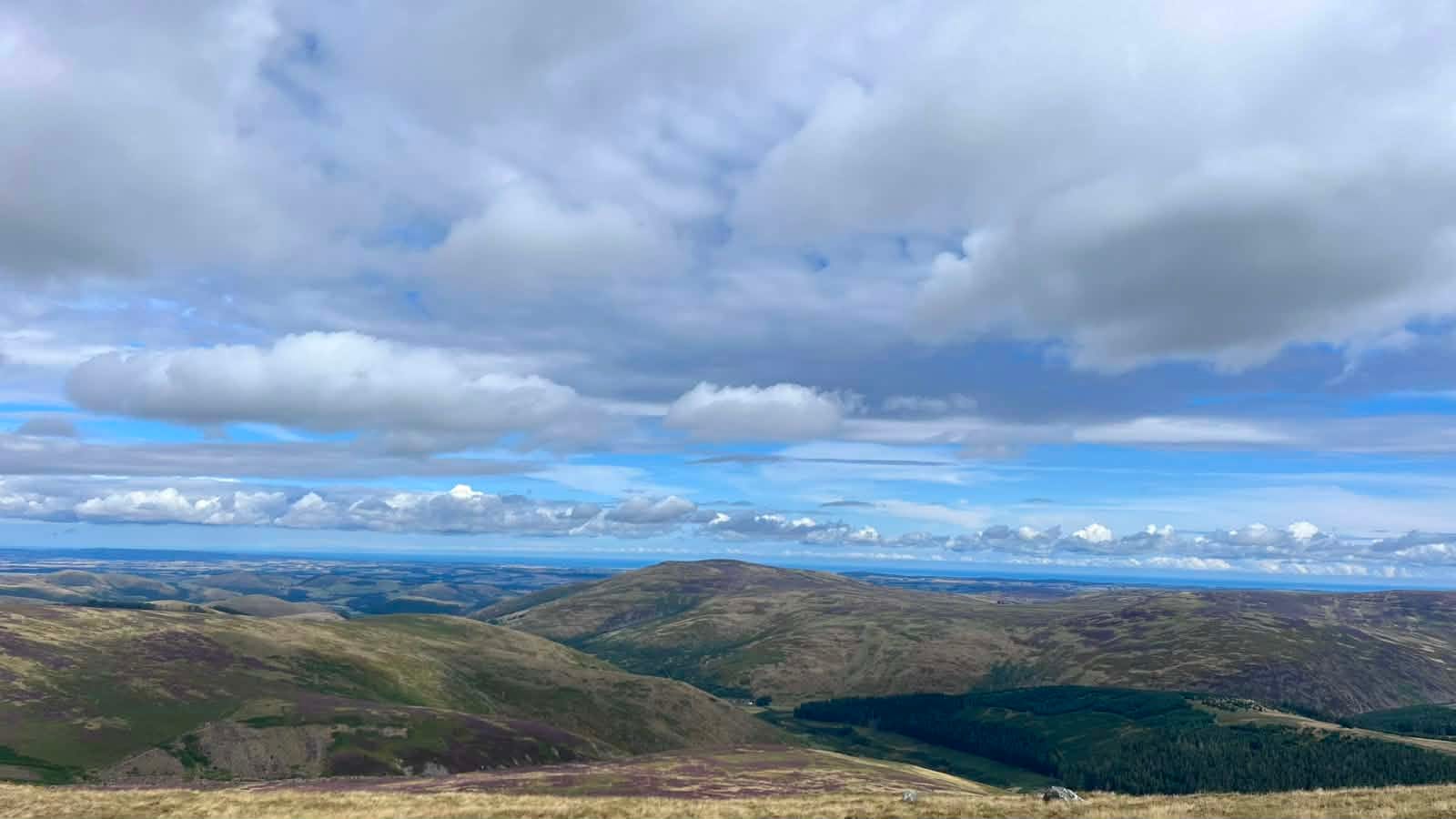
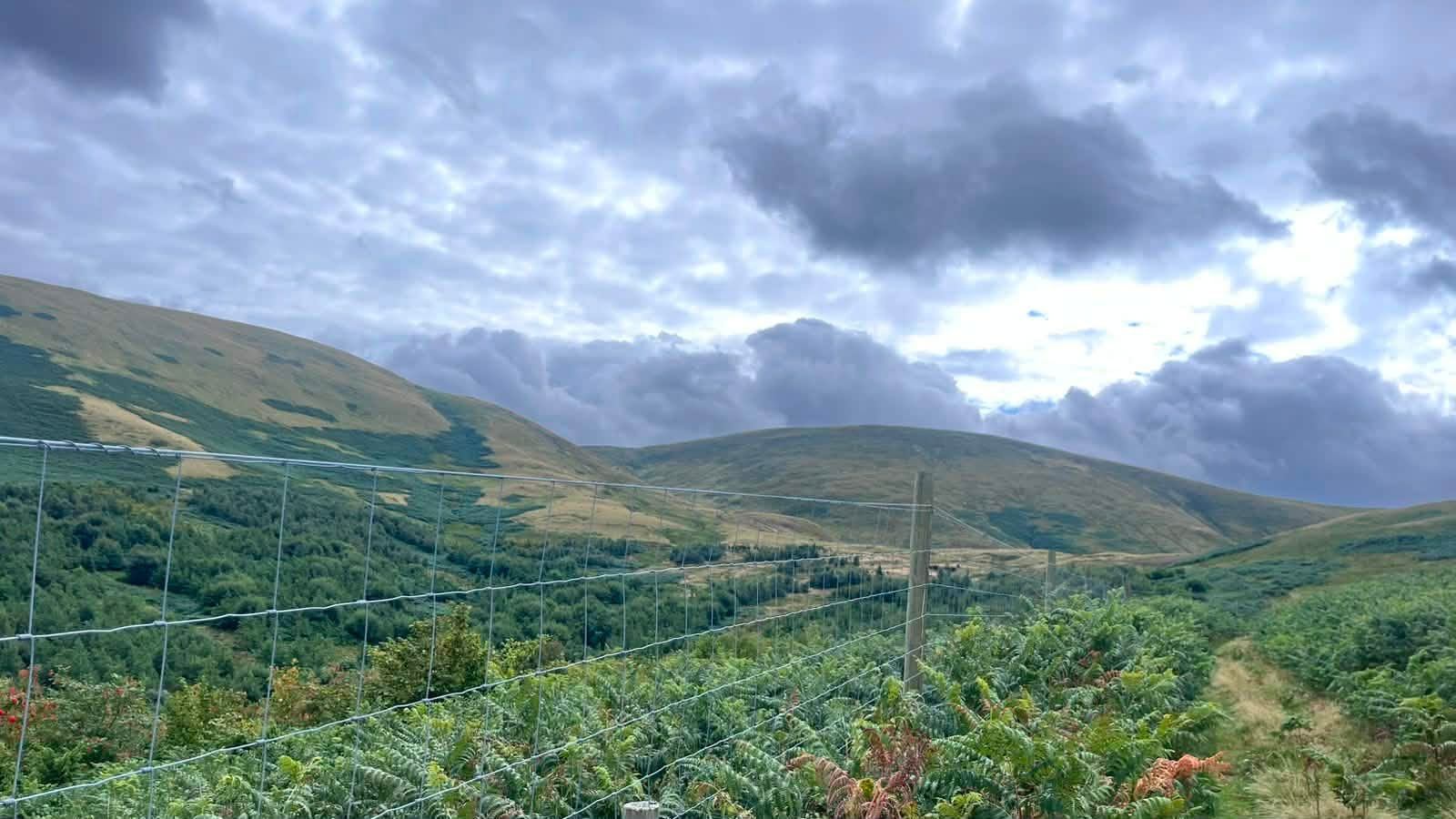
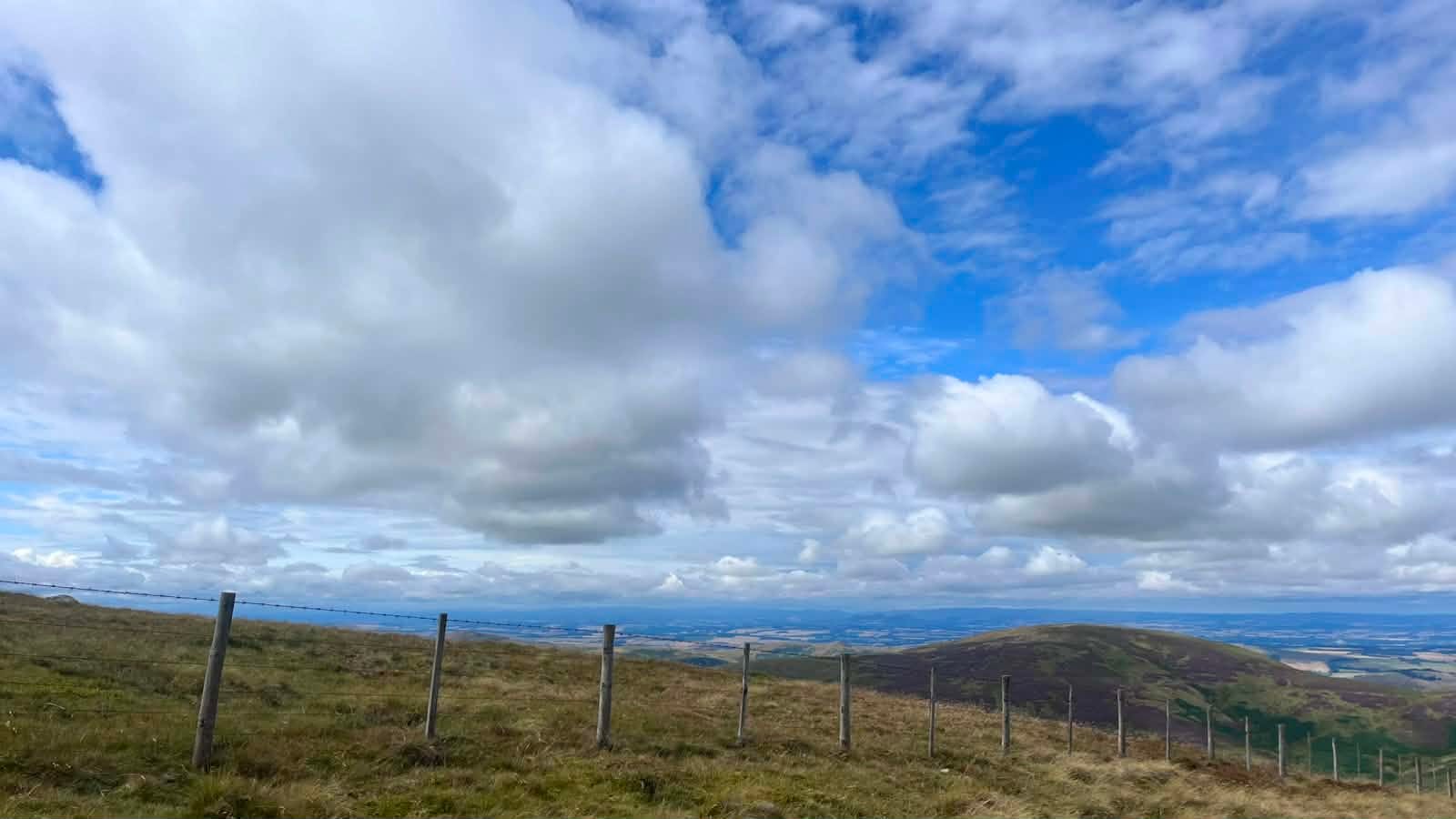
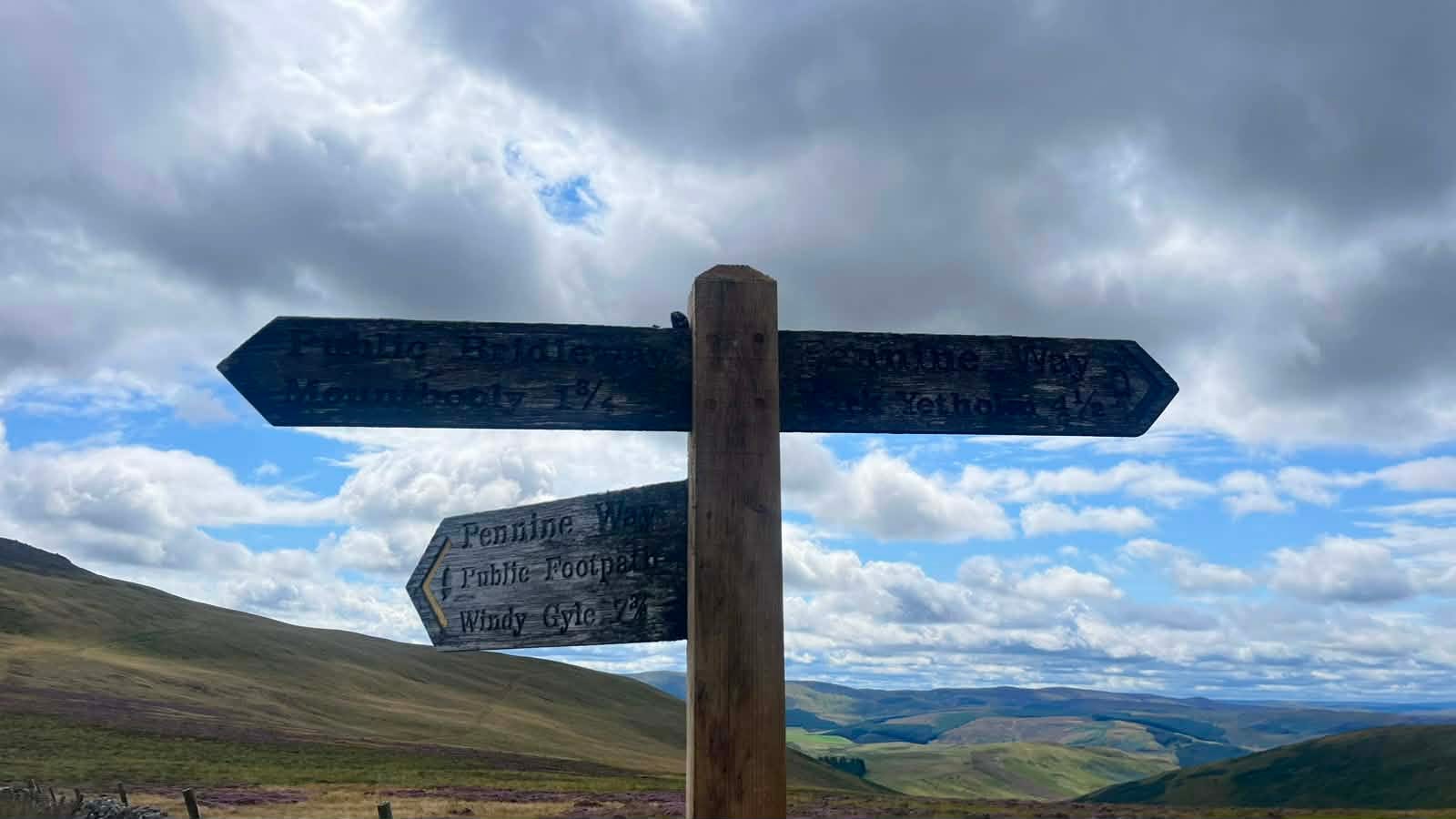
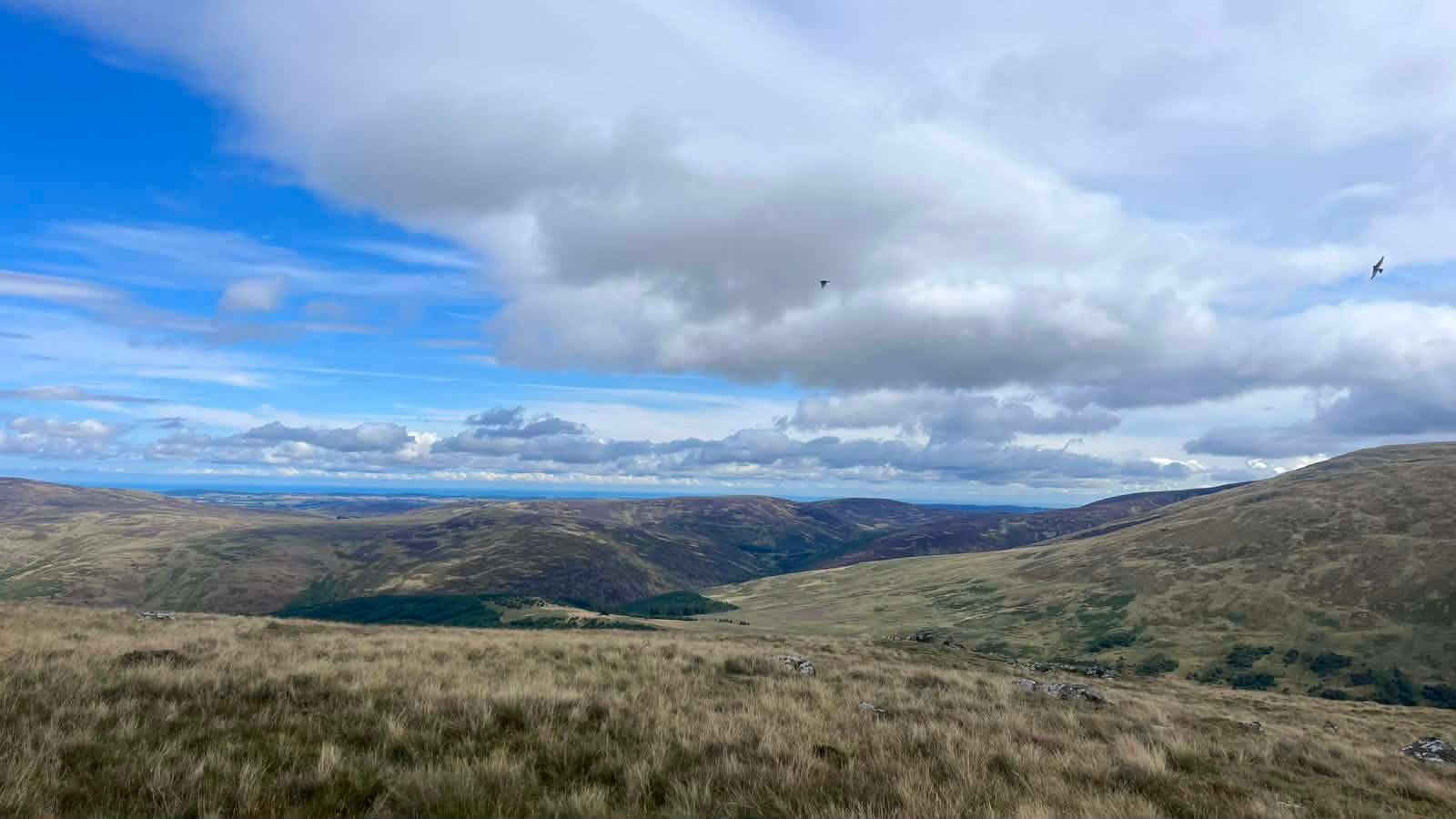
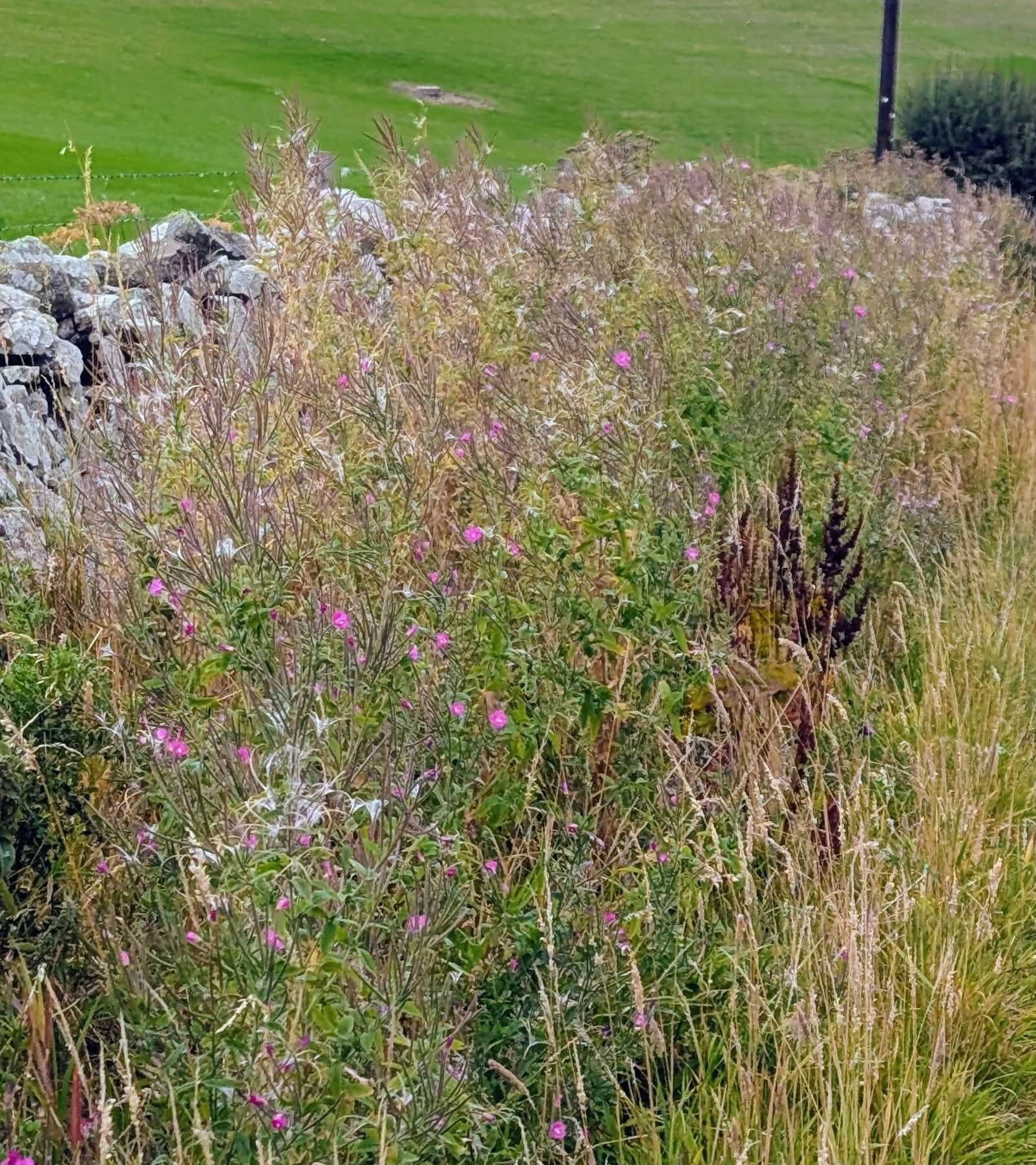
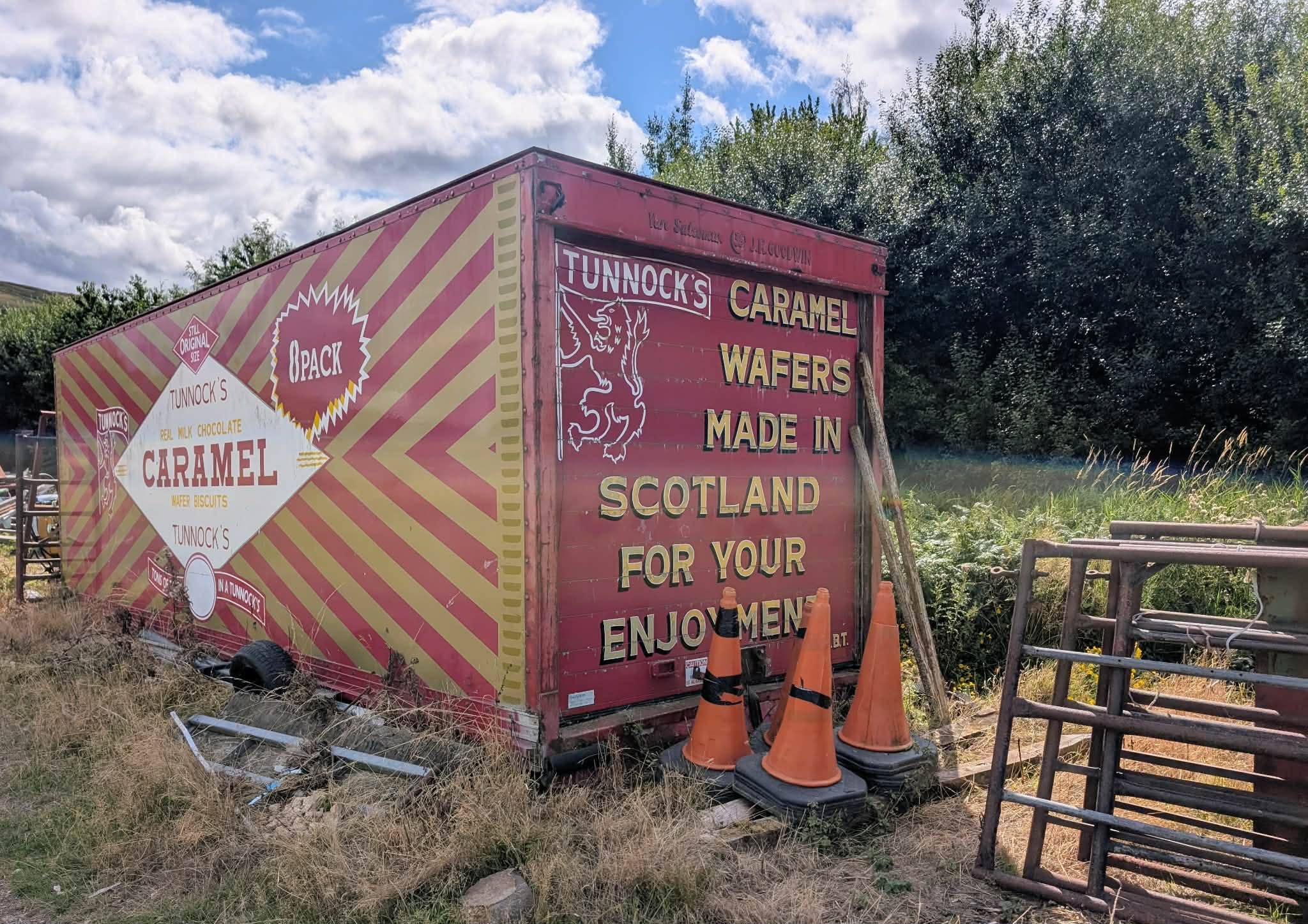
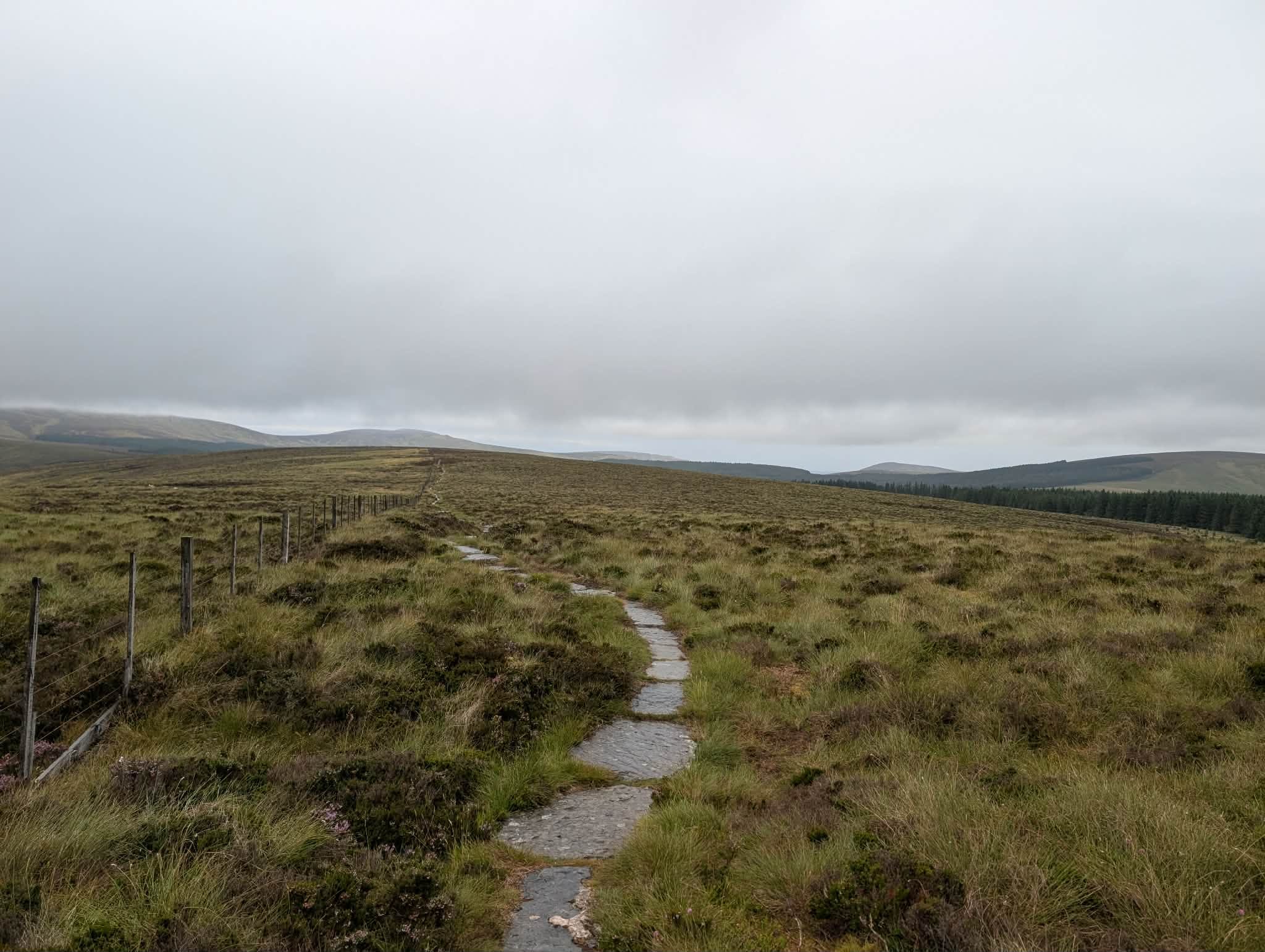
We did it. 268 miles, 36,000 feet of ascent. We walked them all, sun and fire and driving rain, sickness and blisters, the weight of our tent and our sleeping bags and mats and everything we needed on our shoulders. We did it. Even as we left Byrness, I considered calling it off, catching the bus to Newcastle. If I could barely hobble across the campsite, then why on earth did I think I could walk 27 miles of open moor and mountain? But it turned out, I could. Niamh carried more weight. I bandaged my feet good and thick and tight. We picked plantain and sheep’s wool. I thought of Jackie Hagan: “remember how it feels when you stub your toe?” Pause. “Well, fuck off.” I wondered how she stayed so loving and funny despite her pain, I remembered laughing with her and Steve and Miles days before her death, how we passed the laughter between us like it was a brightly shining ball until that little room was full of light and laughter. We did it. For one last night I slept with my arms crossed around me, trying to keep warm. For one last morning, we woke to each other’s faces, and the sound of rain on the tent, packed up around each other – don’t look! – ate some dry granola, took a few swigs of water and set off to walk the last thirteen miles. For some reason – denial, optimism – I had expected those miles all to be downhill. They absolutely were not. In drizzle and mist, we climbed up to 748m of the The Cheviot, firmly declining the optional detour to the summit. We dropped down, then climbed again to 601m on The Schill. For a brief time, we lost the path in the fog. We were low on water after the promised refill at Richard’s Cleugh was no more than a series of small sour puddles; we were down to our last scraps of food; I was wet and cold and aware of how little resilience and energy we were running on. But Niamh found the path, and the sky cleared, and as quickly as that our fortunes changed. We saw huge sweeps of hill, cliff and heath; valleys and arable lands opening up, far below us. We began to think about our destination, and where we might stay – neither of us could face another night in a tent – and how we might travel home. We began to think about home and what comes next. On the last day of the Coast to Coast, I sobbed as I walked: I wanted to carry on with my girl forever. Not this time. This time, we have new paths ahead of us. This path was harder, and we are both ready to stop. We have walked through hardship on this path, through this year, through other hard months and years. We’ve walked through sunny valleys and watched suns set below us. We’ve seen skies full of stars. Niamh and I know that wherever we are, we will always be connected. She is my landscape, I am hers. We are laid down in each other like strata. She is my river, my weather, my limestone, my star, my heather. The fog has lifted and the landscape is quiet and clear. We pass under Corbie Craig, singing the song about the ravens – “as I was walking all alone” – which I’ve sung for Niamh since she was a baby. For one last time, we filter water from a stream. For one last time, we stop by the track to eat and rest. A man stands to admire a ruin. There’s a small plantation of native trees with high deer fences. We’re almost down from the mountains now. There’s a farmhouse, an abandoned truck, haystacks. The rough track turns into a tarmacked lane, and we begin to climb the last hill. There are blackberries, dense and bright, and we stop to eat. There are two buzzards. There are no cows; for weeks there have been sheep. The land is softening beneath us. The air is changing. And here’s the top of the hill, and the light is golden. There are houses ahead of us. The hedgerows are rich and thick. Tall crowds of rosebay willowherb and ragwort, hawthorn hung with berries. I stop to rub my hands in hogweed for its orange-and-lemon smell. Knapweed, thrumming and static with bees, blackberries. We stop to draw the last moments of sweetness from the path. Foxglove, herb robert and bracken, nettle dancing with butterfly, meadowsweet. Broom. Buttercup, thistle, honeysuckle, rose. A van passes us, two other people on the lane. Long grass in the fields, goats with long horns, ponies with short legs. A dog barking in the distance. Rosehips and willow, a breeze blowing through the leaves, bindweed and moss. Gorse hung with shining cobwebs, sycamore rustling. Houses and solar panels, a bench, children’s voices, cottages, blackberries. A quiet village green and a sign: “Pennine Way/St Cuthbert’s Way” – pointing back the way we have been. “St Cuthbert’s Way” – pointing ahead. Very quietly in the absence of words, our path has ended. Since I was a child, I’ve delighted in the finding of words. But poetry is more than the right words. It’s their movement, the organic, independent life which exists between them. Words can be the solid metallic core and the molten iron surrounding it, the liquid rock. Words can be the crust we live on, the water, the soil. Words can be the leaves and the flowers. Words can flow and float and explode; they can stand for millennia, they can flourish and wither in months. They can be heartbeat and breath and moan, they can be dancing things, they can howl. Words are living things, like our breath and blood, and poetry can be alchemy. Whether it is in sound or rhythm, in the poem’s ghosts and associations, in its secret language or “the poem under the poem” described by Lucille Clifton, Ted Hughes’ “beasties”, his “lovely living thing” pulled up from under the still surface – there has to be space within the poem for the act of transformation. Though we might guide it, it must be ultimately allowed to decide what it wants to be. In responding to my blog on Day 15, a lovely man offered me blessings though he assumed I was not a person of faith. But I am. I am filled with faith, if not with belief. Though I feel its pain very keenly, I have great trust and confidence in this world. Some of that comes from the deep, solid core of Catholicism I was raised with, especially now it has been purged of its institutionalised religion. Even more of it comes from soil, and rain. In Catholicism, transubstantiation refers to the changing of the bread into the body of Christ. But I see transubstantiation everywhere. Pain becoming wisdom. Death becoming new life, drought becoming rainfall, grief becoming hope. Poetry is an act of faith, and of transformation, a place where we can surrender to the life in us and beyond us. The walk is over. There is so much more to see. Thanks to everyone who has followed this journey. Today we set off home, courtesy of Catherine Ayres who is not just giving us a lift to Alnmouth but bringing us a Greggs. (How can you not have faith in a world which gives you veggie sausage rolls?) On the morning of
On Wednesday 26th August, the wonderful soil scientist and author Jen Jones will share her Passion for Peat, online at 7pm, as part of our ongoing Reading Bogwise series. Again, if you can’t join us, then you’ll be sent a recording. Book here. You can follow all our bog writing and reading activities via b(l)og – blogsandbogs.substack.com – which is coauthored by Anna and me. In September, Anna and I will lead a reading session based on the articles and blogs we’ve written during the long-distance treks we’ve both undertaken this summer. And in November, you can come and join us on the North Yorkshire Moors for an in-person residential retreat – Bog Time! Find out more about the retreat here.
On Finally, immense thanks to my assistant and left-hand woman, Olivia Tuck, who every day has taken delivery – at all times of the day and night – of my blogs, complete with my wild typos and baffling errors, and who has carefully proofread them, framed them, linked and punctuated them, and generally made them fit for human consumption and shared them through Substack and social media. Olivia, you are a star.
On the evening of the 27th August, Kim Moore and I will be EXPOSED: sharing new and unpublished work for paid subscribers to Shaw & Moore. For £5 monthly, you get all our articles and archived posts, plus monthly workshops and readings, so if you’ve enjoyed my Pennine Way posts but still aren’t subscribed, why not subscribe now?
No posts
Comments
Nothing yet. Say the first thing.
Sign in to join the conversation.