
A quick personal update before today’s article
There has been an important development in something deeply personal to me.
We have now submitted the papers in my case against the Russian Federation to the European Court of Human Rights, seeking accountability for my captivity, torture and treatment as a prisoner of war.
Very shortly, papers will also be submitted to the UK courts.
I’ll say more about both cases when the time is right, but for now, I wanted to share this important step forward and to thank everyone who has subscribed and supported Voices from the Front.
Your support here directly helps make what we are doing possible. Revenue from Voices from the Front helps support both our ongoing legal fight for accountability and the independent, on-the-ground reporting I continue to produce from Ukraine.
So, whether you’re a paid subscriber, a free subscriber who shares my work, or someone who has simply followed this journey for a long time, thank you, it genuinely matters.
Today, 23 August, Ukraine marks State Flag Day, and tomorrow, Ukrainians will mark 35 years of independence.
For me personally, I’ve marked nine of them in this beautiful country I have come to call home. Normally, those two dates would be an uncomplicated celebration of nationhood, in 2026, they obviously mean something considerably more.
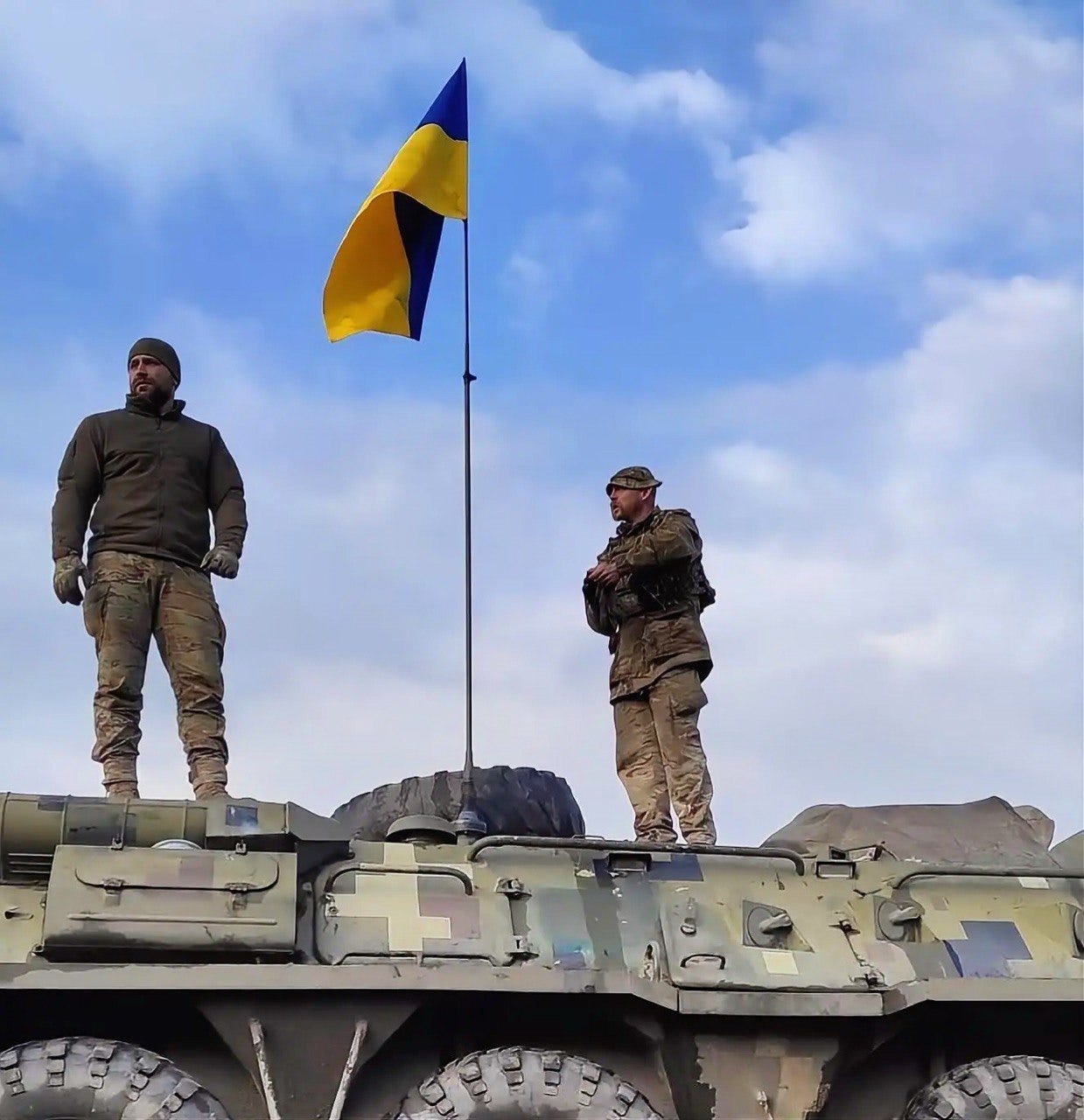
The blue and yellow flag still flies over Kyiv, its colours resembling the miles and miles of sunflower fields you see across Ukraine, layered beneath an endless blue sky.
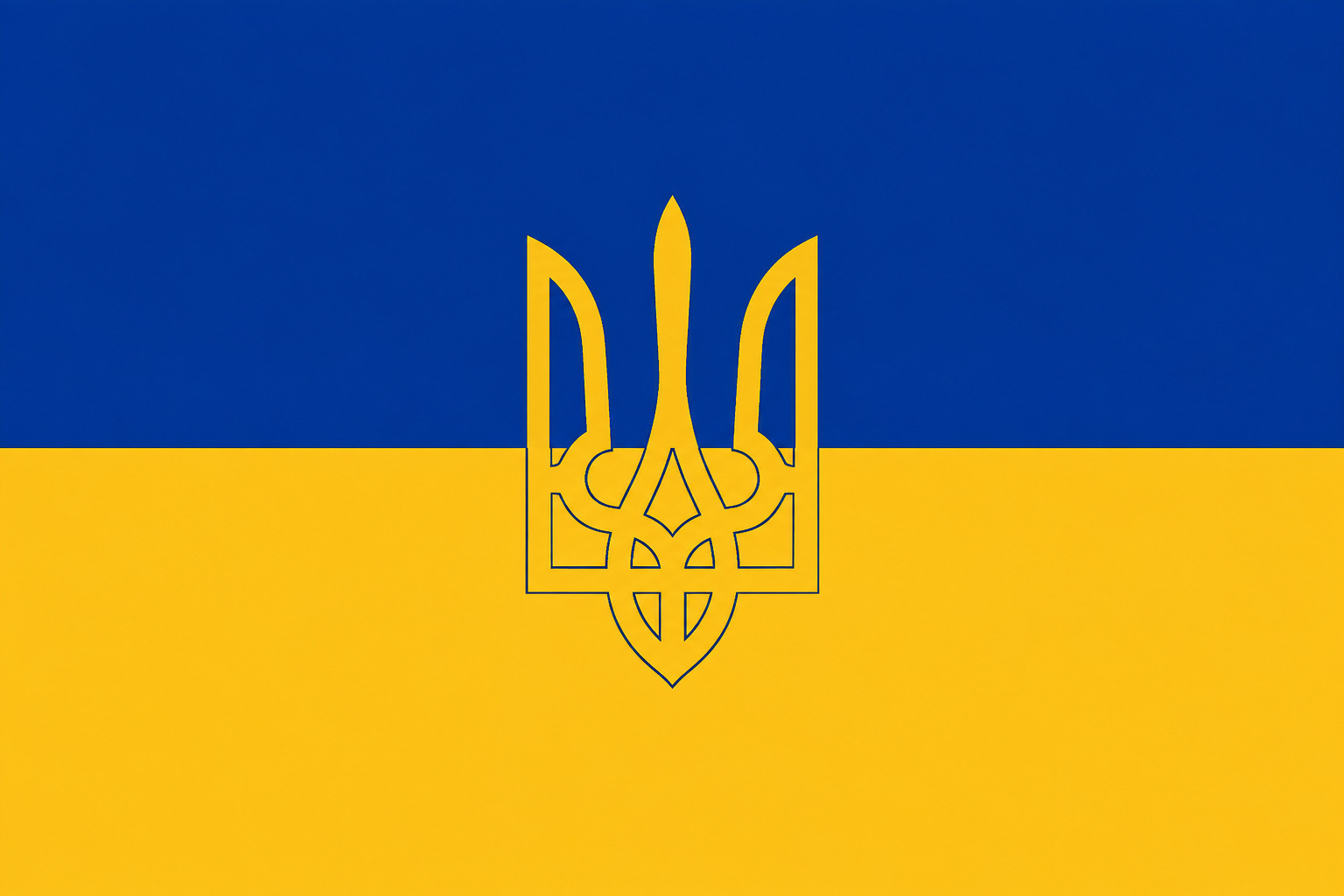
When I first came to Ukraine, that was actually how I remembered which way the flag patch was positioned on my arm before morning parade: blue sky above, yellow fields below.
While each morning, I would stand there and hum my way through the Ukrainian national anthem, trying to sing the words I could remember while quietly mouthing my way through the rest of what is, even when you don’t understand every word, an incredibly emotional anthem.
Nine years later, those colours mean considerably more to me, representing a country that was supposed to have fallen in three days and one that Vladimir Putin has spent more than four years trying to bomb, occupy and ultimately erase.
And yet, on 23 August 2026, the blue and yellow still flies.
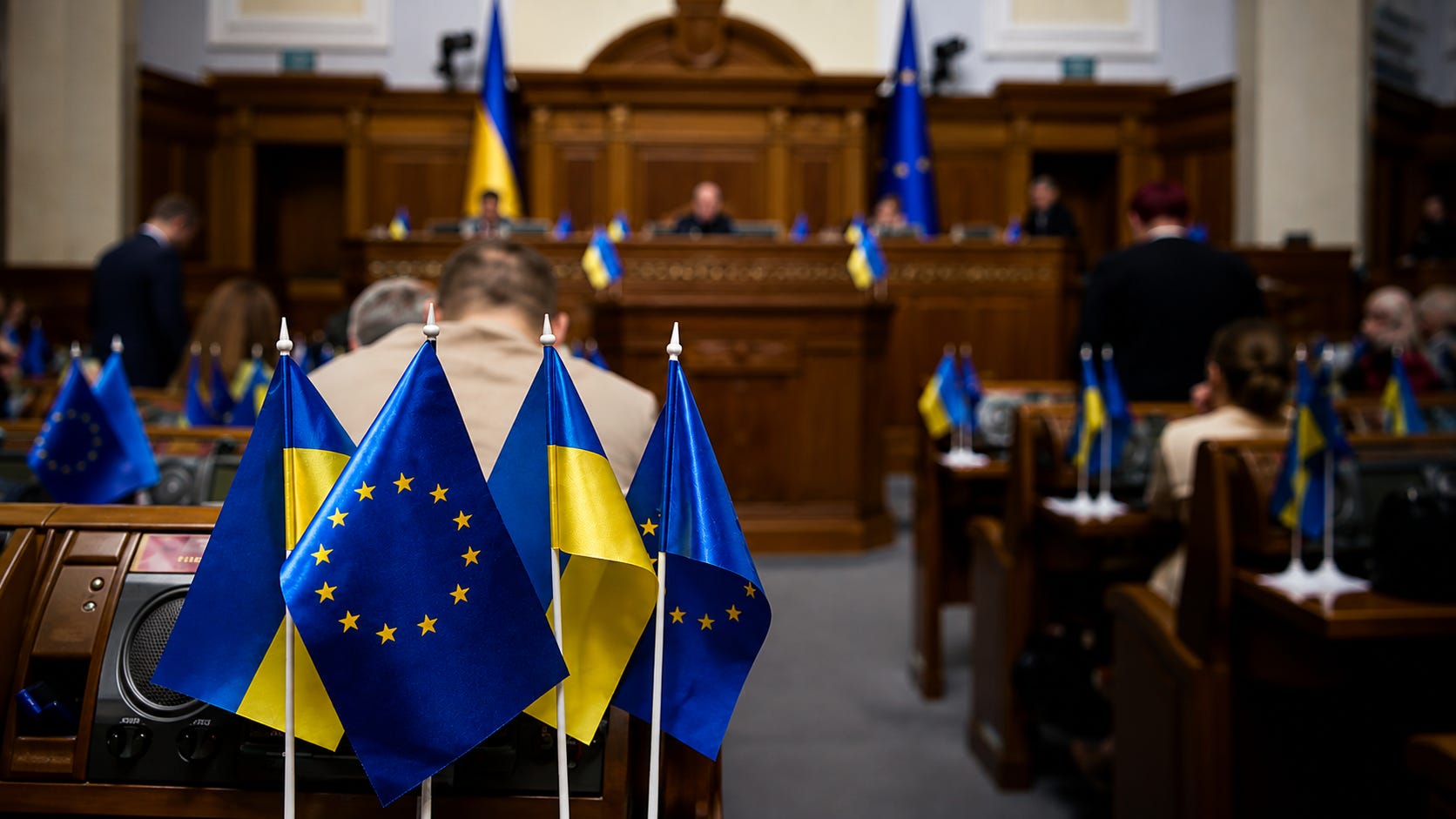
Ukraine is still an independent state. Its parliament still sits, its government can be criticised, challenged and protested against, while political arguments continue, sometimes loudly, as we have seen recently. Democracy, imperfect as it inevitably is during a major war, continues to function.
Most importantly, Ukraine still exists.
That matters because destroying Ukraine as an independent political nation has always been at the heart of Vladimir Putin’s imperialist project.
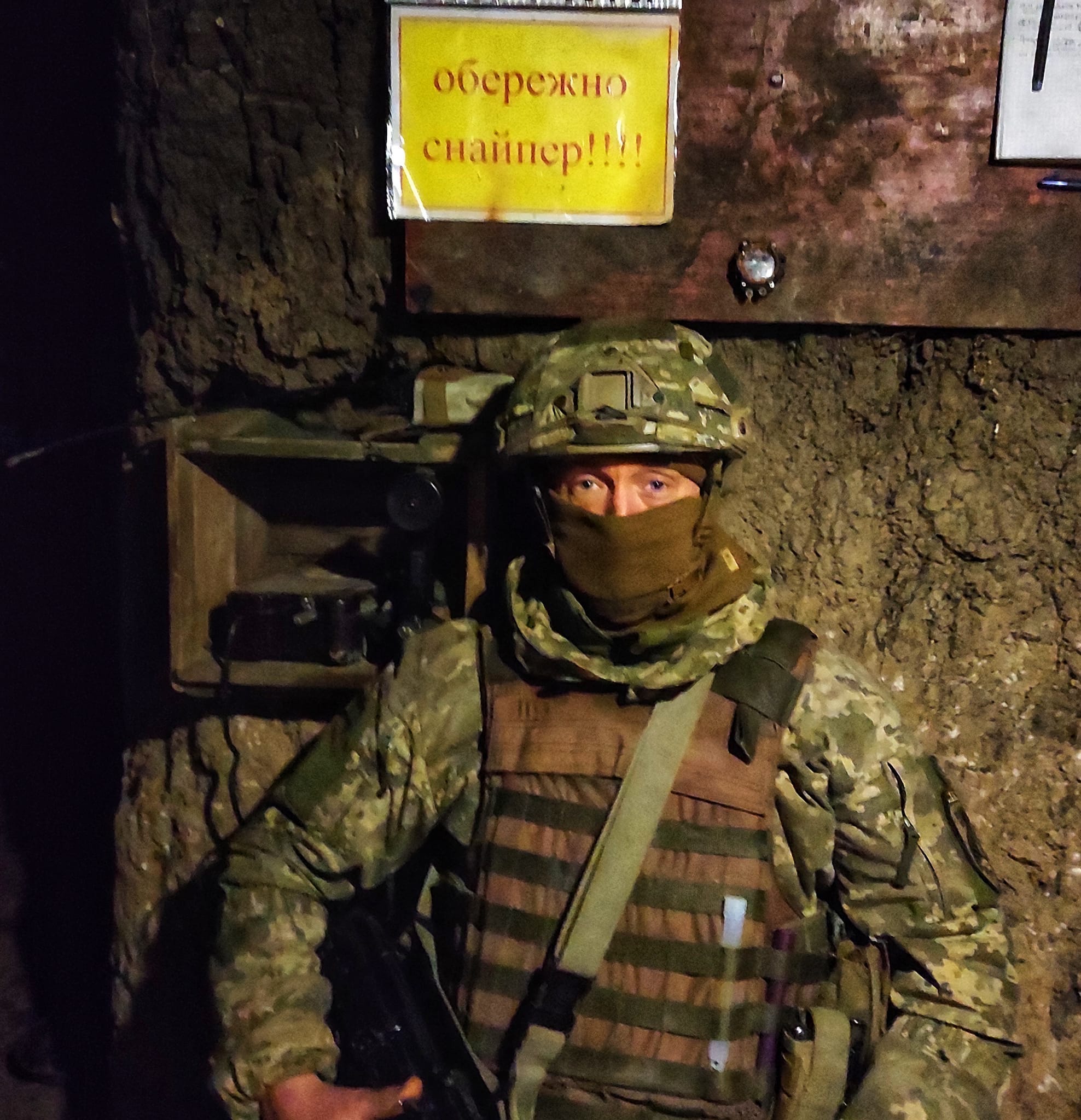
Long before the Russian tanks crossed the border in February 2022, Putin had made his worldview remarkably clear. In his 2021 essay on Ukraine, he described Russians and Ukrainians as “one people – a single whole” and argued that Ukraine’s genuine sovereignty was possible only in partnership with Russia.
“Demilitarisation” became just one of an ever-growing collection of Kremlin buzzwords: NATO expansion, bio labs, protecting Russian speakers, bizarre historical claims and inevitably, Western interference. By that point, of course, we were all just “Nazis” and part of the regime.
The packaging has changed repeatedly, but the underlying objective hasn’t.
Yet here we are in August 2026.
The Ukrainian flag still flies and perhaps that is precisely why we should pay considerably more attention to what is now happening in Moscow.
“The real lesson of the Budapest Memorandum is that a country’s security cannot rest exclusively on outside assurances, even formal guarantees. No document can replace a state’s own capacity to defend itself.” — Valerii Zaluzhnyi, Ukraine’s Ambassador to the United Kingdom and former Commander-in-Chief of the Armed Forces of Ukraine, 23 August 2026.
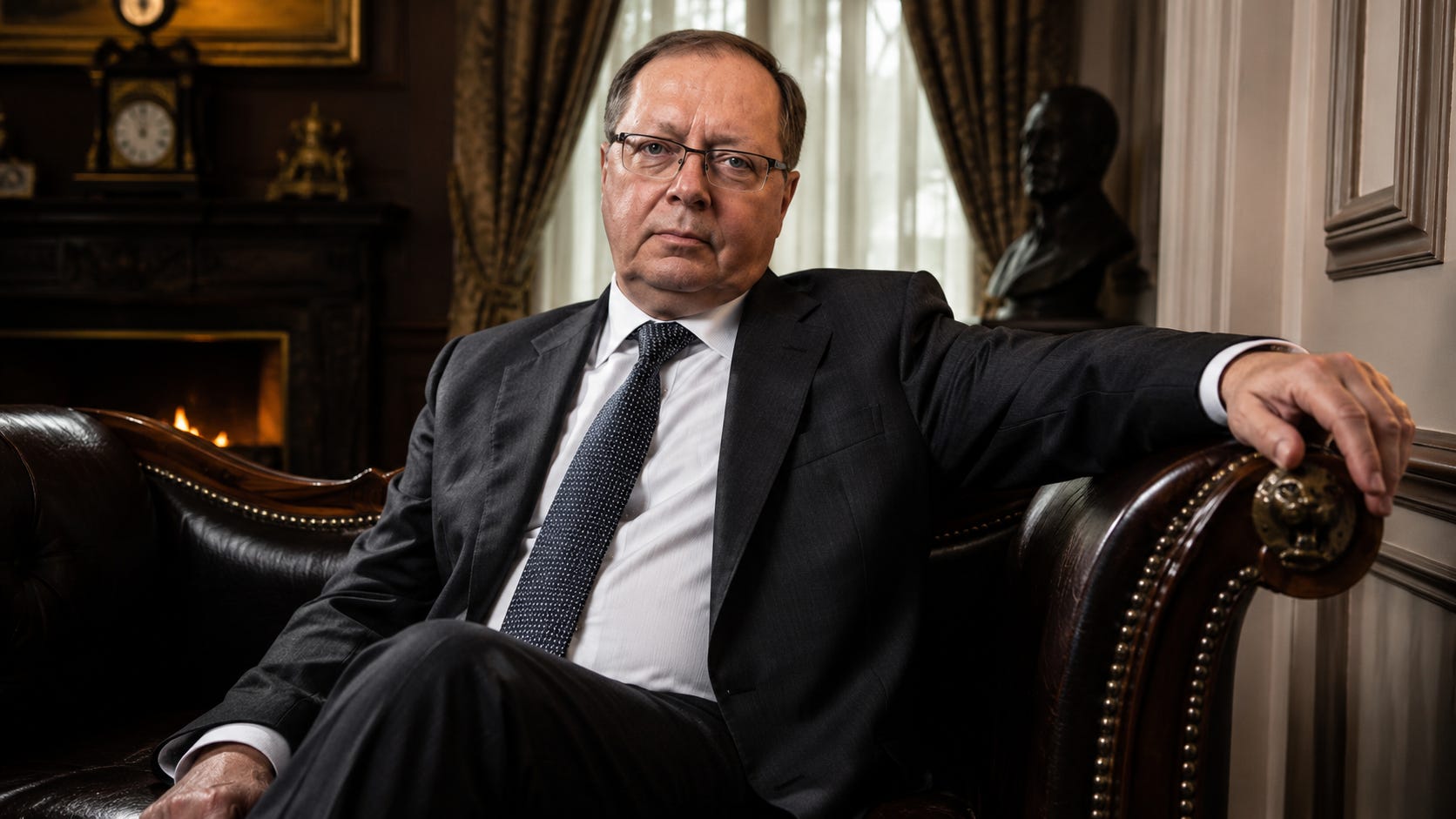
Russia has withdrawn its ambassador to the United Kingdom, Andrey Kelin, without announcing a replacement.
Kelin reportedly left his post on 21 July after more than seven years representing Moscow in London, with Russia accusing Britain of pursuing a “path of confrontation.” The absence of an announced successor has raised the possibility of a significant downgrading of diplomatic relations between Moscow and London.
However, after The Times published its article on Kelin’s departure, the Russian Embassy apparently decided it required an official response on X.
So, naturally, they published their own little rebuttal.
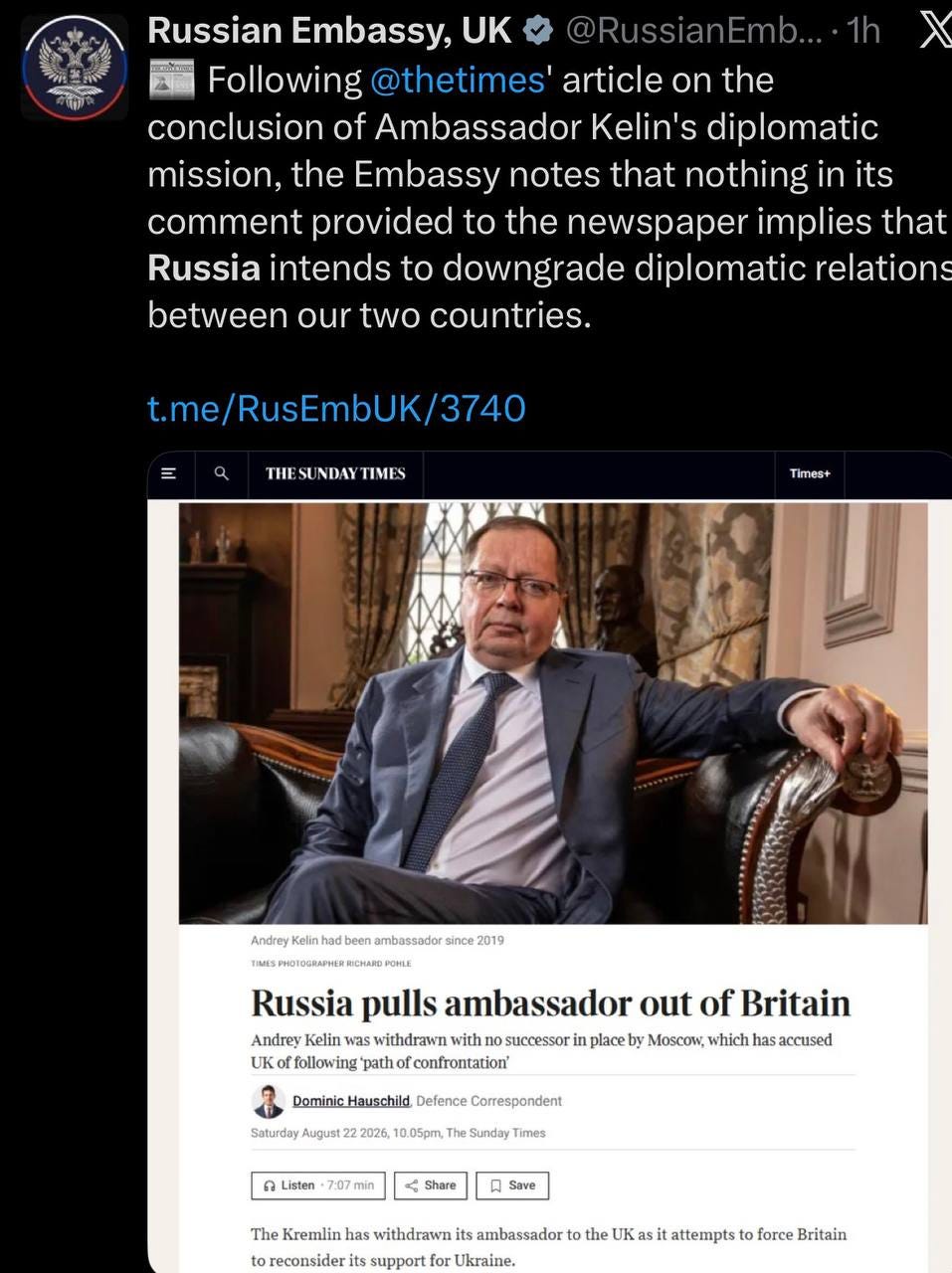
“The Russian Embassy has apparently felt the need to clarify a few points that, obviously, the use of chemical weapons on UK soil hadn’t already made perfectly clear. Just when you thought rock bottom meant you couldn’t get any lower… they felt the need to confirm that, yes, this really is rock bottom.” — Shaun Pinner, X Platform
On its own, an ambassador leaving does not mean war is coming, but for Moscow to accuse Britain of being responsible for the deterioration in diplomatic relations is, frankly, laughable, not only when you look at the wider picture of Russia’s actions towards the UK, but also from my own very personal experience of what Kelin, the Russian Embassy and the Russian government did to me.

Shaun Pinner@ShaunPinnerUA
What Kelin conveniently left out whenever he invoked my name was who I actually was and why I was in Ukraine. I wasn’t some British mercenary who had arrived after the invasion looking for a war. I had made Ukraine my home years earlier. I was a contracted, serving member of the
5:52 AM · Aug 23, 2026 · 7.53K Views
3 Replies · 25 Reposts · 141 Likes
For years we have been told that maintaining diplomatic channels with Moscow is essential, and I don’t disagree. But communication has to work both ways. An open telephone line is not the same thing as meaningful diplomacy, which raises a rather obvious question, what exactly did Britain’s relationship with Kelin achieve?
He spent much of his tenure publicly repeating Kremlin narratives about Ukraine, warning Britain over its military support for Kyiv and denying Russian responsibility for some of the most notorious Russian-linked incidents on British soil, including rejecting the findings of the Dawn Sturgess Inquiry into the Salisbury Novichok attack.
And we haven’t even started on the heinous atrocities carried out actually in Ukraine — the country Russia invaded, occupied and continues to bombard while Kelin defended and justified the Kremlin’s actions from London.

Caolan@CaolanReports
A boy on his bike near Kramatorsk was just murdered by a russian drone. They posted this video of their crime. This is evidence this war has nothing to do with territory. It’s an attempt to wipe out an entire civilian population of an innocent county while the world watches.
5:14 PM · Aug 22, 2026 · 2.17M Views
661 Replies · 5.16K Reposts · 14.4K Likes
So it’s important to get the chronology right here, because Kelin was not the ambassador when Alexander Litvinenko was murdered with radioactive polonium in London in 2006, nor when Sergei and Yulia Skripal were poisoned with Novichok in Salisbury in 2018. Kelin only became ambassador in November 2019.
But once in London, he became one of Moscow’s most prominent voices rejecting Britain’s conclusions about Salisbury, and even after the inquiry into the death of Dawn Sturgess, Kelin continued to deny Russian involvement.
What makes those denials even more extraordinary, and a blatant lie, is who the suspects actually were. The men Britain identified as “Ruslan Boshirov” and “Alexander Petrov” were subsequently identified by investigators as GRU officers Anatoliy Chepiga and Alexander Mishkin, both reportedly recipients of Hero of the Russian Federation, the country’s highest state honour. Chepiga’s award was even commemorated on the Wall of Fame at his Russian military academy.
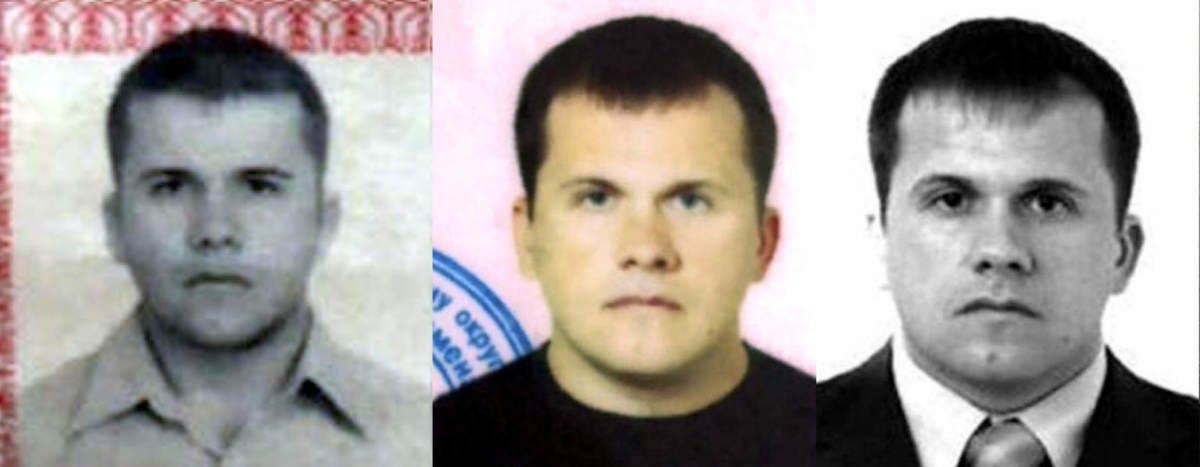
So while Moscow publicly denied responsibility and Putin portrayed the two men as “ordinary civilians,” the evidence pointed to decorated Russian military intelligence officers operating under false identities. The subsequent Dawn Sturgess Inquiry concluded that the operation was carried out by GRU officers and had been authorised by the Russian state.
That is the reality of the diplomatic relationship Britain has been dealing with, so we have to ask: was this really functioning diplomacy at all, or had the Russian Embassy increasingly become little more than another platform from which the Kremlin could deliver its narrative directly into Britain?, Because diplomacy is supposed to reduce misunderstanding and provide a mechanism for resolving crises.
Russian-British relations have instead deteriorated almost continuously from this point, possibly earlier, to the point where now even the ambassador is gone.
This diplomatic deterioration would be worrying enough on its own, but it isn’t.
President Volodymyr Zelenskyy said that Ukrainian intelligence believes Russia intends to mobilise another 300,000 troops following Russia’s September parliamentary elections, with the possibility of further mobilisation in 2027, and I have no reason to doubt that, because, as I’ve previously written, the current recruiting arithmetic doesn’t add up, so it continues while suffering extraordinary battlefield losses.
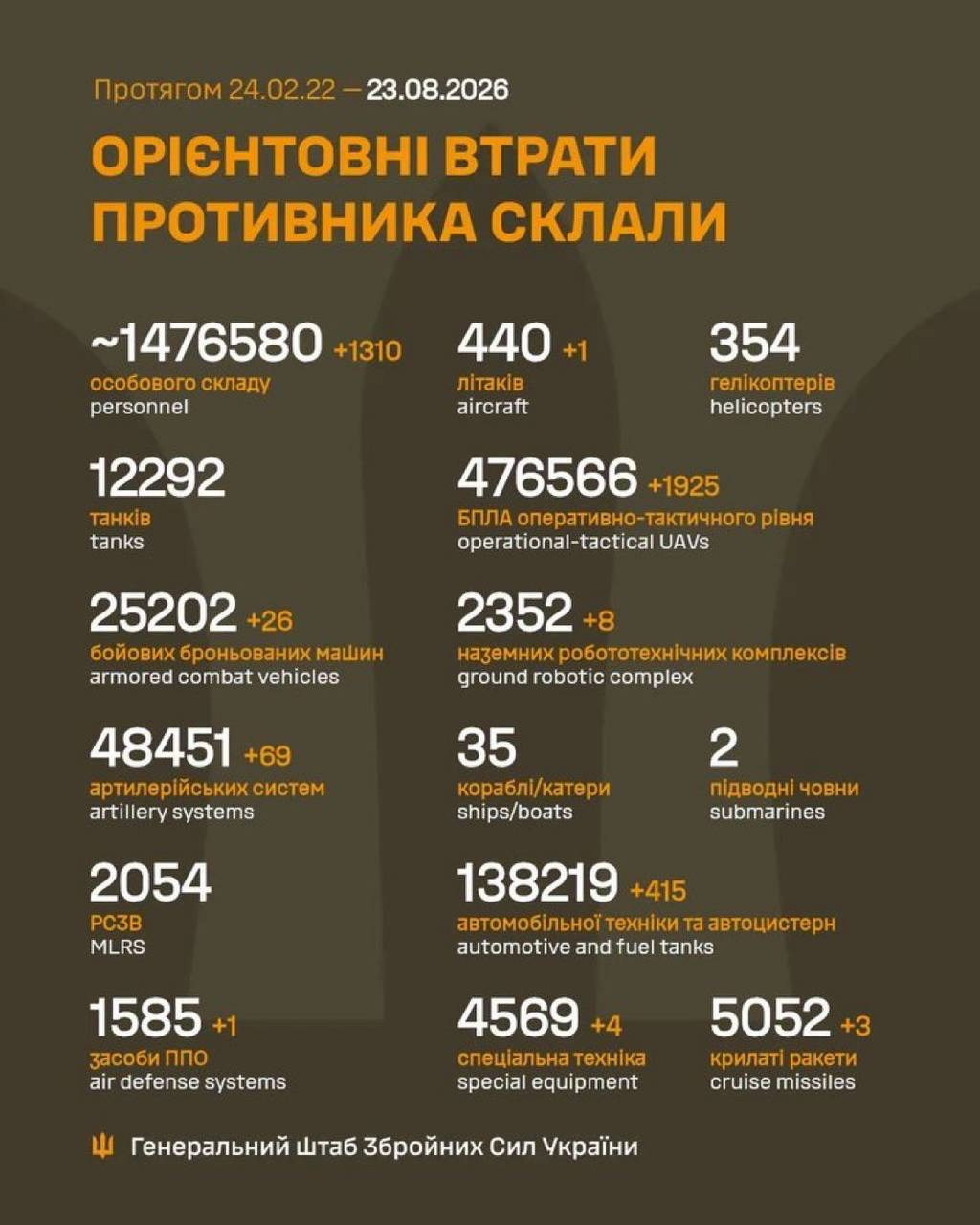
Ukraine’s General Staff reported another 1,310 Russian personnel lost in a single day in its latest assessment, so depending on the formation and strength used for comparison, Russia is effectively burning through manpower equivalent to roughly two or three battalions every single day.
And Putin keeps going.
That should tell European capitals something enormously important: casualties are not deterring the Kremlin, and Russia’s recruitment plans point towards a war measured not in months, but potentially years, and the fundamental reason for that is simple:
Putin cannot stop without confronting his own failure.
More than four years into his full-scale invasion, he has still not achieved the objectives he set out to accomplish. Ukraine was not demilitarised, its government was not removed, Kyiv did not fall, and Ukrainian national identity was not extinguished, if anything, it has become stronger and more prominent. NATO was not pushed back either, it grew, and Ukraine defiantly was not returned to Moscow’s control.
Stopping now would mean Putin having to explain what all those Russian lives were sacrificed for, so instead, the machine has to keep moving.
To keep it moving, Russia has constructed a system capable of feeding men into this war on an industrial scale, and the intention to mobilise hundreds of thousands more suggests the Kremlin is preparing to feed it for considerably longer.
And when Russian manpower alone is no longer enough, Moscow looks elsewhere.
Which brings us to North Korea.
I have written extensively about Pyongyang’s growing involvement in this war, from ammunition and ballistic missiles to troops, engineers, sappers and now missile units operating from Russian territory. I won’t repeat all of that here; the links are there for anyone who wants to understand just how far this relationship has already developed.
The important point, in the context of Kelin’s departure, Russian mobilisation and what comes next, is what North Korea tells us about Putin’s intentions and his ability to keep going.
When Russia needs ammunition, Putin finds ammunition; when he needs missiles, he finds missiles; and when he needs more men, he seemingly finds those too, some willing, many others considerably less so.
And increasingly, he is prepared to look beyond Russia and anywhere to get them.
Comments
Nothing yet. Say the first thing.
Sign in to join the conversation.