How does Southeast Asia actually see China?
I recently joined a conversation on a question that’s becoming increasingly important: How does Southeast Asia actually see China?

ASEAN and Climate Change
Live Last read · last published · next check
I recently joined a conversation on a question that’s becoming increasingly important: How does Southeast Asia actually see China?
Description
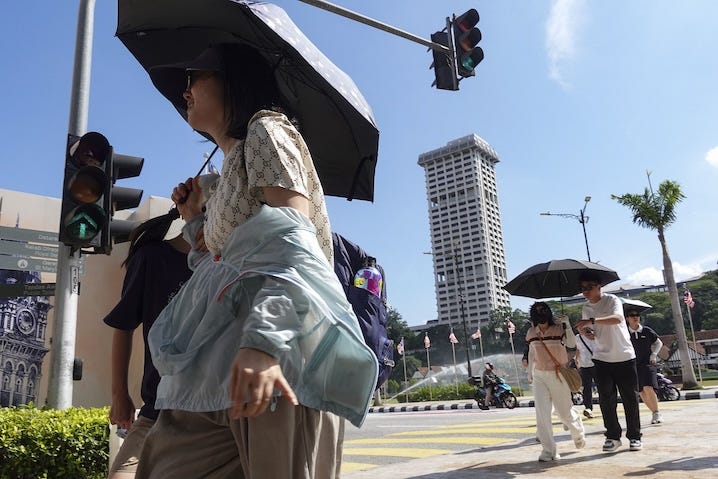
People holding protecting themselves from the sun on a hot day in Kuala Lumpur, Malaysia, on 16 July 2025.
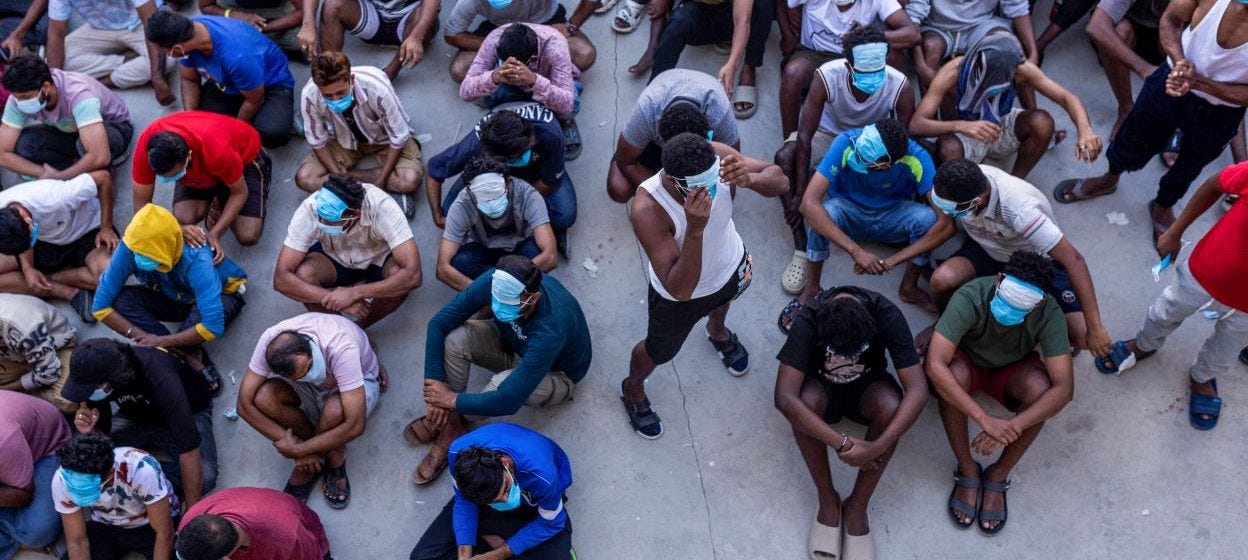
The protracted Myanmar crisis is now everyone’s problem. The time for ASEAN to act is now.
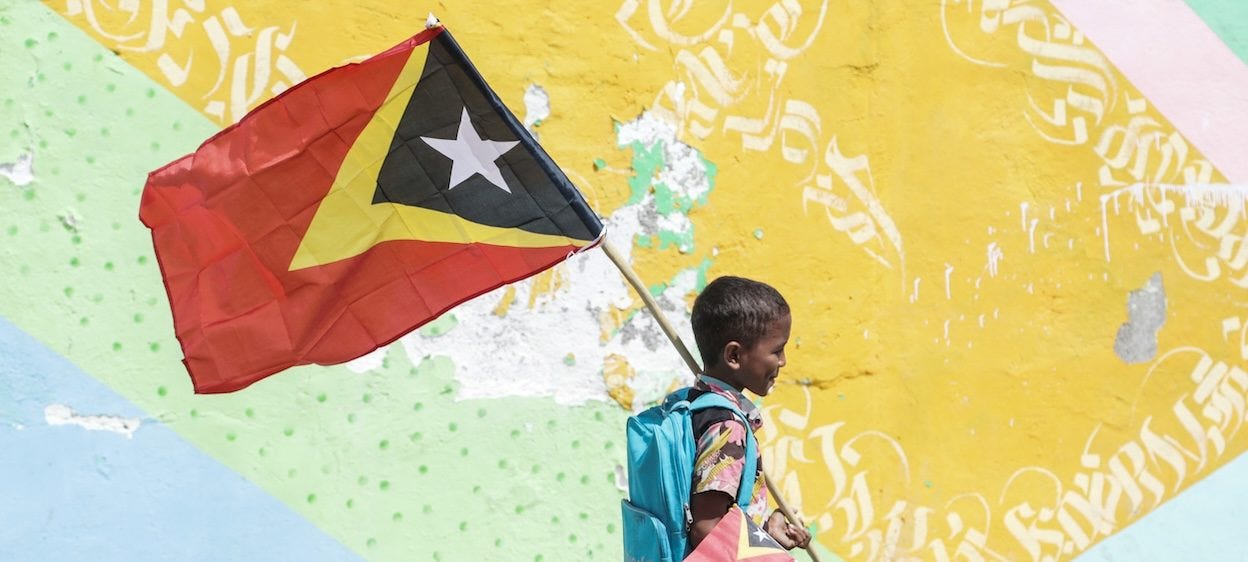
The debut of Timorese respondents in the 2025 State of Southeast Asia survey reveals their sentiments pertaining to a challenging geopolitical landscape and hints at the potential value that the incoming eleventh member can bring to ASEAN.
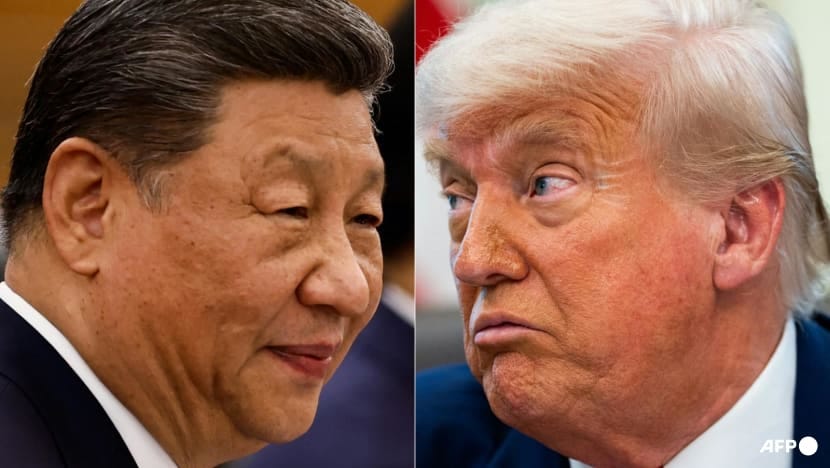
Malaysian Prime Minister Anwar Ibrahim said last week that he “believed” Chinese President Xi Jinping would join the Oct 26 to 28 meetings in Kuala Lumpur, though Chinese authorities have yet to confirm his participation.
Malaysia could emulate Indonesia's efforts to defuse Cambodia-Thailand tensions in 2011.
The Southeast Asian bloc recognises that economic and political realities are no longer inseparable, as the current global environment demands a more sustained policy response, say analysts.
U.S.
Malaysia will continue negotiations with the US on a lower tariff rate despite being the only Southeast Asian country to face an opposite outcome based on US President Donald Trump’s latest announcement.