
“My name is Ozymandias, King of Kings;
Look on my Works, ye Mighty, and despair!
Nothing beside remains. Round the decay
Of that colossal Wreck, boundless and bare
The lone and level sands stretch far away”
I will always remember reading these words in Shelley’s classic poem from my secondary-school English class.
Last week I watched the fascinating Channel 4 documentary on Tony Blair, who was Prime Minister when I first entered the workforce. Seeing the lack of reflection - let alone remorse - over his decisions to follow the Americans into Iraq was, to my ears, pretty chilling. As were the (allegedly) leaked comments this week about how he believes the UK should now have followed the US into Iran, too.
The late 1990s / early 2000s that I presided over were overall pretty good times, and Blair was otherwise (in my eyes) a pretty good prime minister.
But we are in very different times now. Big People (exemplified by an orange man in the White House) seem intent on doing things for themselves, rather than for us. And they seem happy to leave behind the big Wreck (quite literally over these past days) for us all to clean up behind them.
The problem is, this is how popular culture usually portrays Legacy: as the Big Things Big People Leave Behind.
But I’m sick of pinning our hopes, dreams and futures on these Big People - the Big Pontificating, and the BIg Empty Hole at the heart of it all.
I think we need to fundamentally re-invent the concept of legacy itself. So it has a small “l” version that is just as important as the big “L” that Shelly was writing about.
So if legacy isn’t a big tomb, what is it really?
I see it as something open to each and every one of us, if we can be intentional about it.
It’s about being a different kind of driver in our lives, communities and organisations. A driver willing to see the world with fresh eyes, and having a unique perspective on what matters to us. A driver willing to go on a different road, even (to paraphrase another poet, Robert Frost) if it’s the road less or solely travelled.
It also means harnessing a different kind of fuel. As I described in my first book “Intrinsic”, it’s not accepting the exhaust fumes that come from following conventional carrots and sticks and short term pressures. It’s running instead on cleaner electric fuel, driven by intrinsic motivation - seeing optimism and purpose, feeling a locus of control, enjoying getting better for its own sake.
And finally, the route is also different. It means embracing different pit stops with the people who will truly build the future with you. The next generation for sure, but also your key relationships and the gatekeepers of the systems around you.
Over the last five years, I have had the pleasure of working directly with almost a hundred leaders who fit this description, in every conceivable sector. And I have interacted with hundreds of individuals who are doing just this in their private and career lives. So legacy can be done; the very concept just needs to be democratised.
Legacy is not about tombstones. It’s about the route we choose and the people we travel about. It’s about how we enable ourselves and others to reach places we wouldn’t have reached otherwise.
If you will, come on the journey with me.
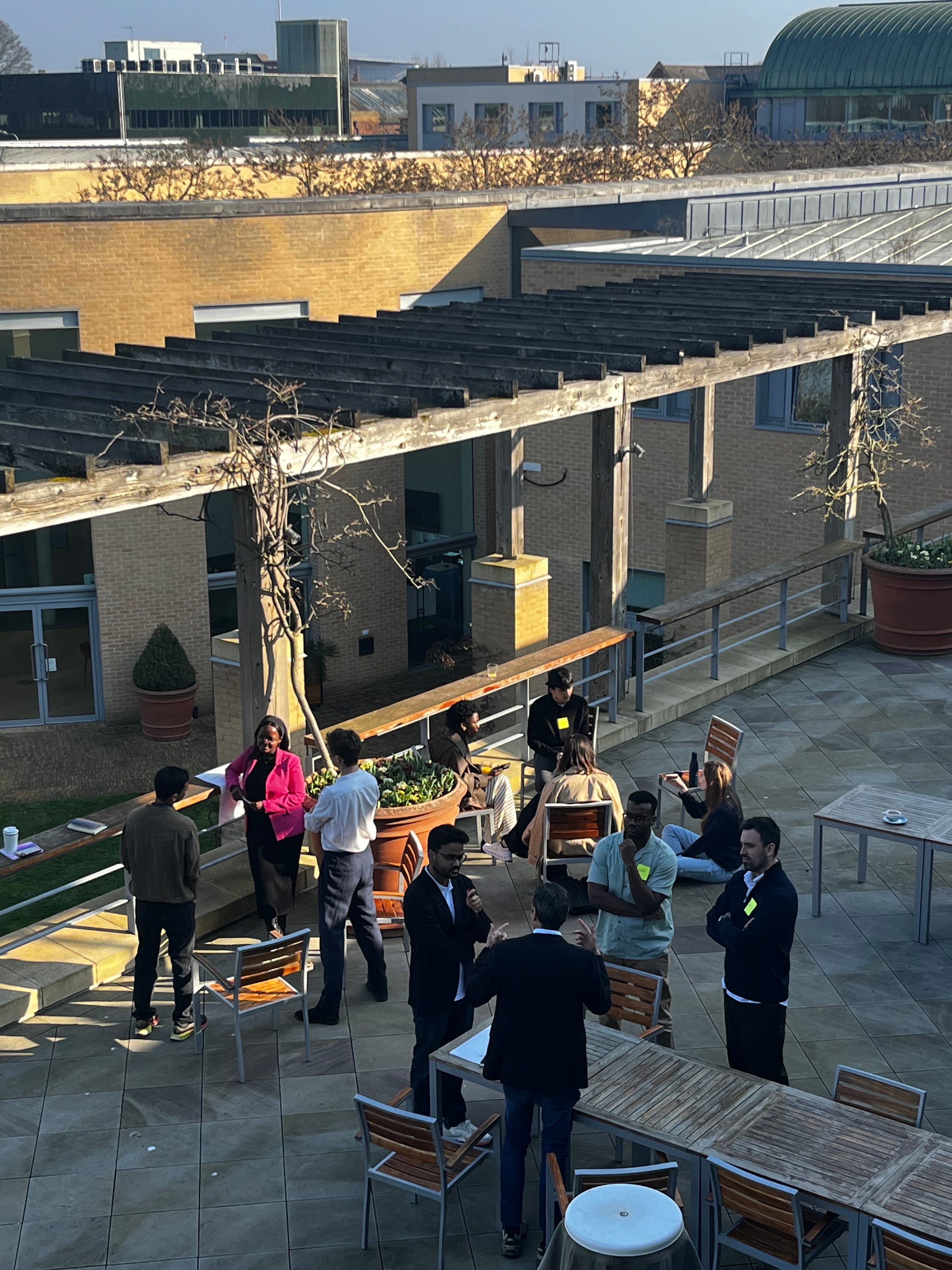
Pic below from last week: flourishing discussions at the Generational Success Lab I’ve founded at Oxford University’s Said Business School.
No posts
Comments
Nothing yet. Say the first thing.
Sign in to join the conversation.