
This is a publication that focuses on what Shanu finds interesting that span markets, finance, investing, sustainability, politics, and more. This includes monthly newsletters or published pieces on sustainable investing! To follow along my writing, subscribe below:
Happy March Madness y’all! Let’s go Illini - what a killer start last night. I-L-L
Entertainment Recs:
Go see Project Hail Mary! One of my favorite all time books and the movie is already getting great reviews. We are watching it tonight.
Dinosaurs (Netflix): Really cool, eye-opening look into how dinosaurs actually lived. We’ve seen various imaginations of this era over the years but this one is genuinely well done.
Shrinking Season 3 (Apple TV): A little corny but funny — heartwarming storylines and good, fun characters.
Paradise Season 2 (Hulu): Really compelling. They’re pulling on a few sci-fi type threads this season but there’s a lot of mystery and good acting so far.
Must Read:
Don’t Be an A-hole, Call Your Mom (Shaan Puri): A good reminder. Shaan’s point: nobody cares if you scroll Twitter 10 minutes less per day, but your mom really cares if you call her for those 10 minutes instead. Spend more time thinking about the people who have made sacrifices for you. The things that are low effort for you are often really high value for them.
48 Ideas at 48 Years (Christian Champ, The Middle Way): A close colleague and former co-worker wrote a 48-point reflection on his 48th birthday. The whole list is worth reading but a few that stood out:
“Make the Easy Stuff Easy” — Only nutritious food in the house. Books within reach. Kettlebells visible. Design beats discipline. If we get all the easy stuff down, the hard stuff happens.
“Small Identities” — “I practice investing.” Not: “I am a finance guy.” Loose identities create possibilities and many futures. Big identities create traps, cauldesacs, prisons, and stop us in our tracks.
“Energy Over Everything” — Protect energy more than time or money. A day full of time or money, and no energy, is just a long day.
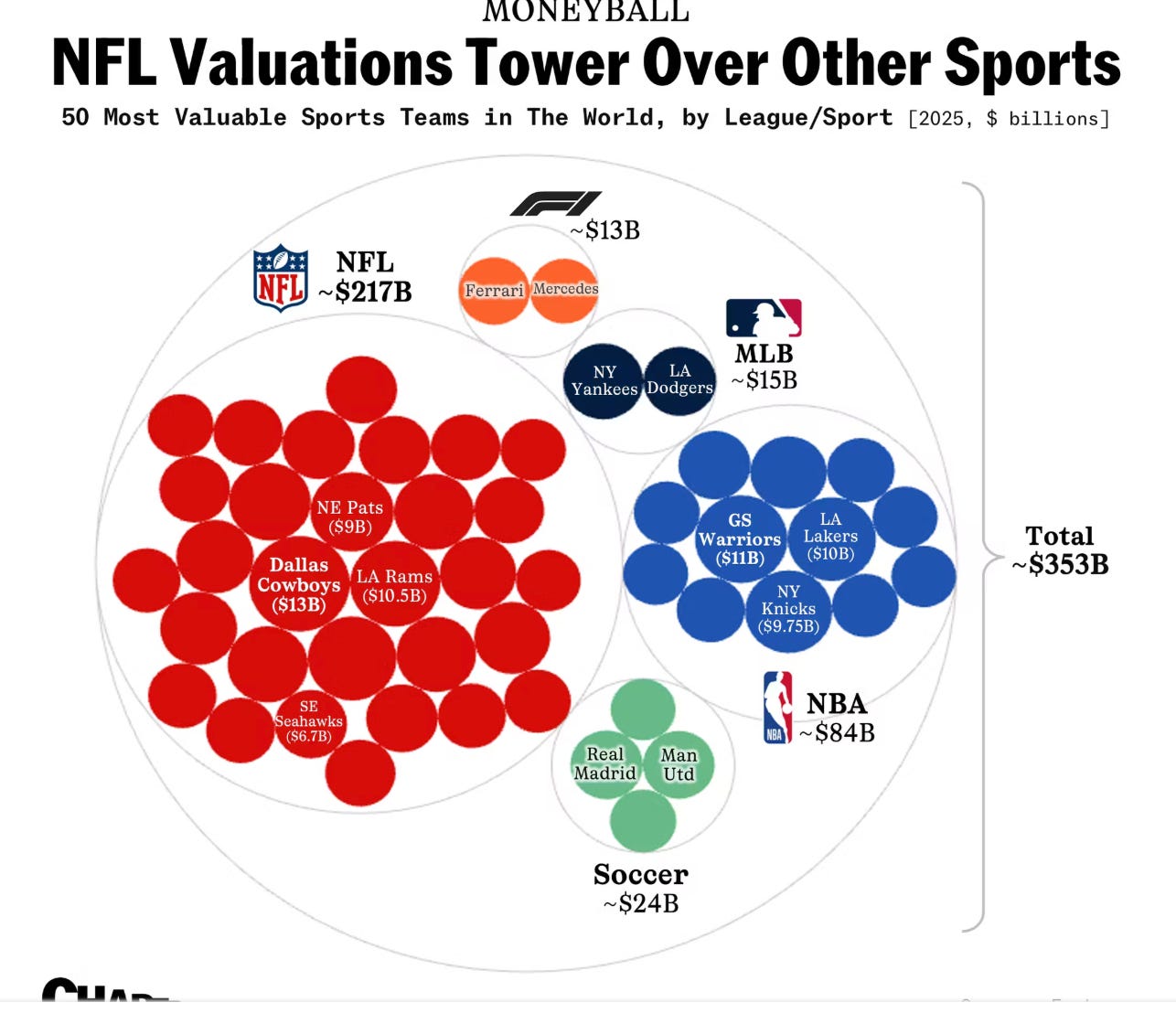
Sherwood News. Surprised me NFL team valuations are so much higher than other sports when the sport is really only dominant in the US.
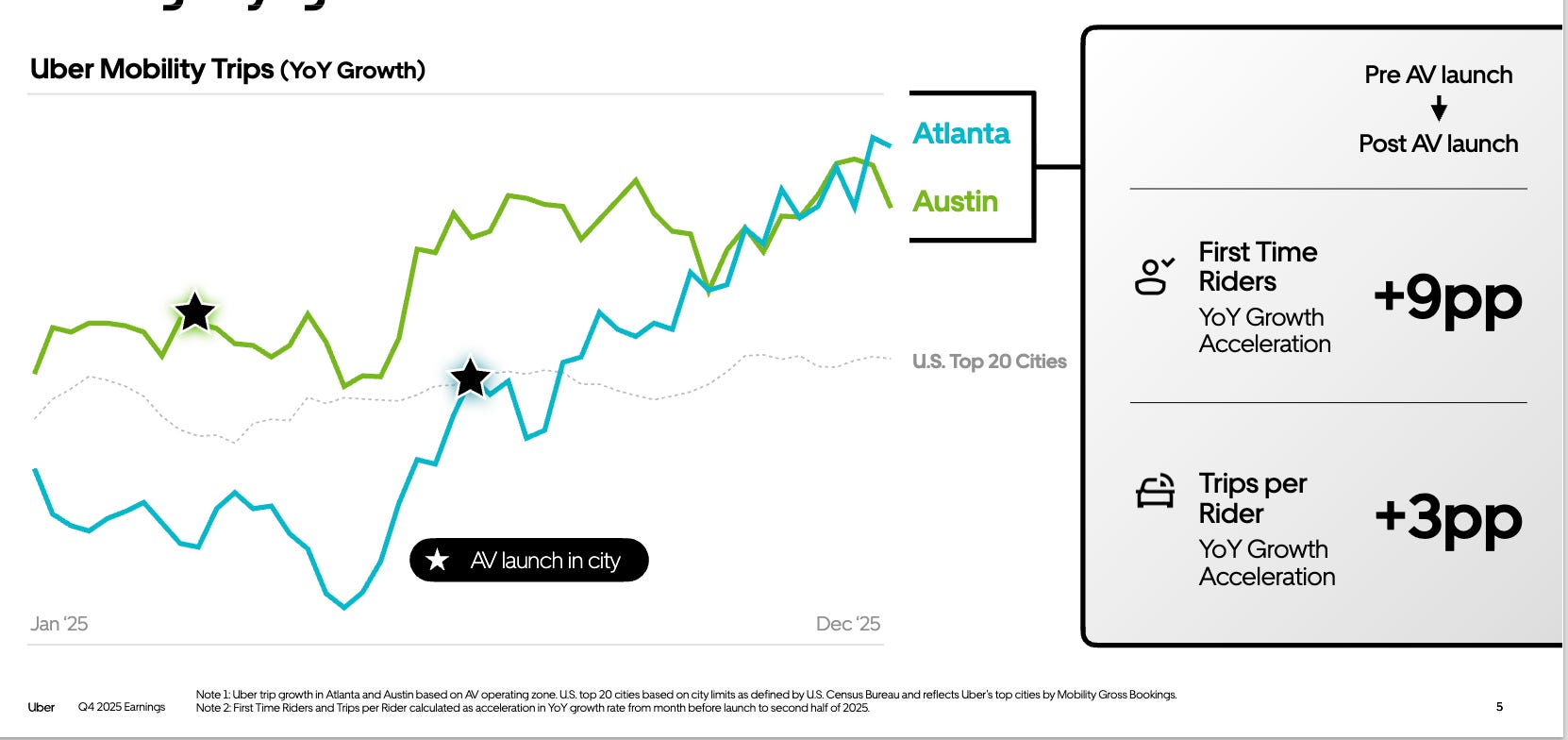
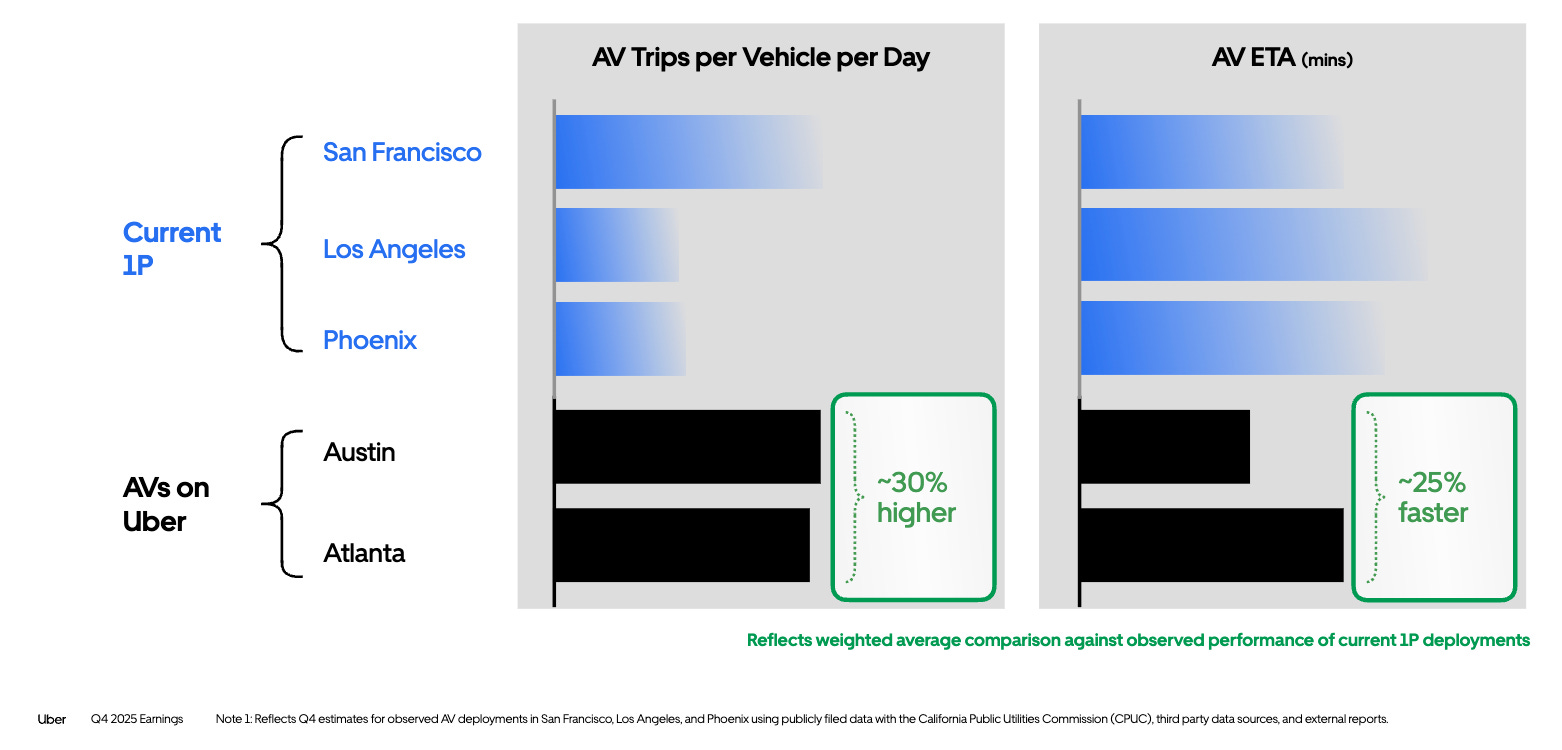
Uber Q4-25 Earnings. Autonomous vehicles actually drive incremental category growth. People want to be driven around and like AVs! AVs on Uber are significantly busier and more reliable than 1P deployments — 30% more trips and 25% faster.
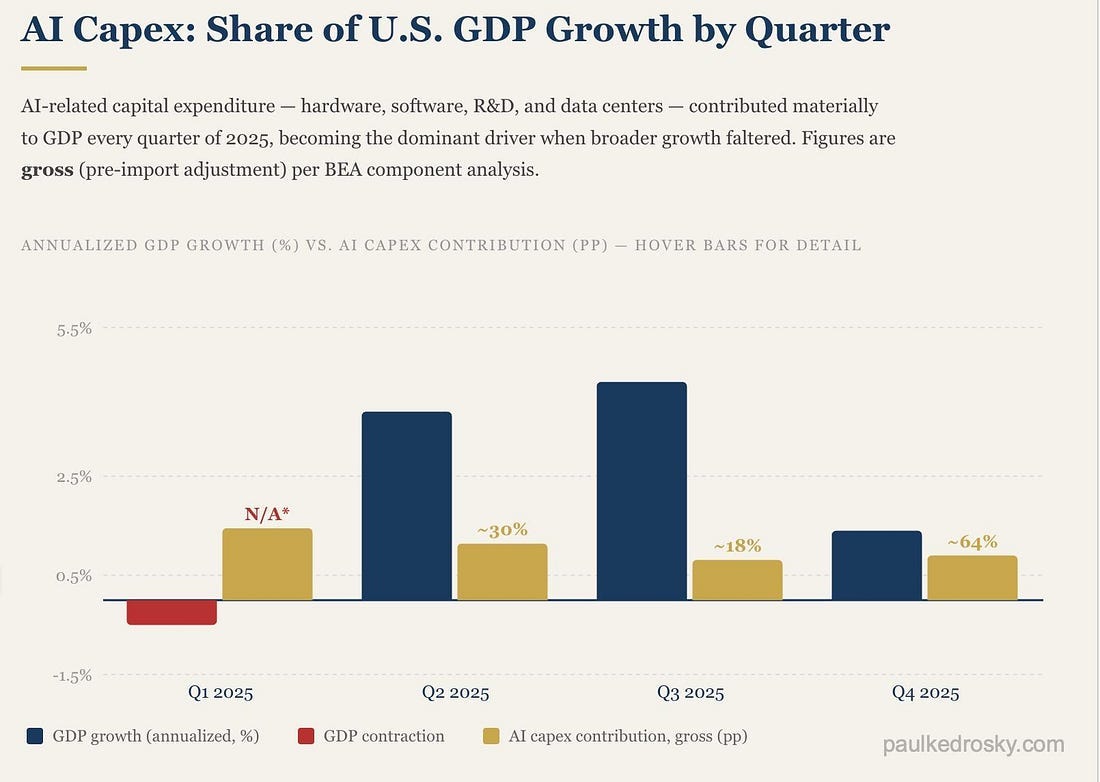
Paul Kedrosky. “AI-related capital expenditure — hardware, software, R&D, and data centers — contributed materially to GDP every quarter of 2025, becoming the dominant driver when broader growth faltered.” AI capex is estimated to account for 64-80% of US Q4 2025 growth.
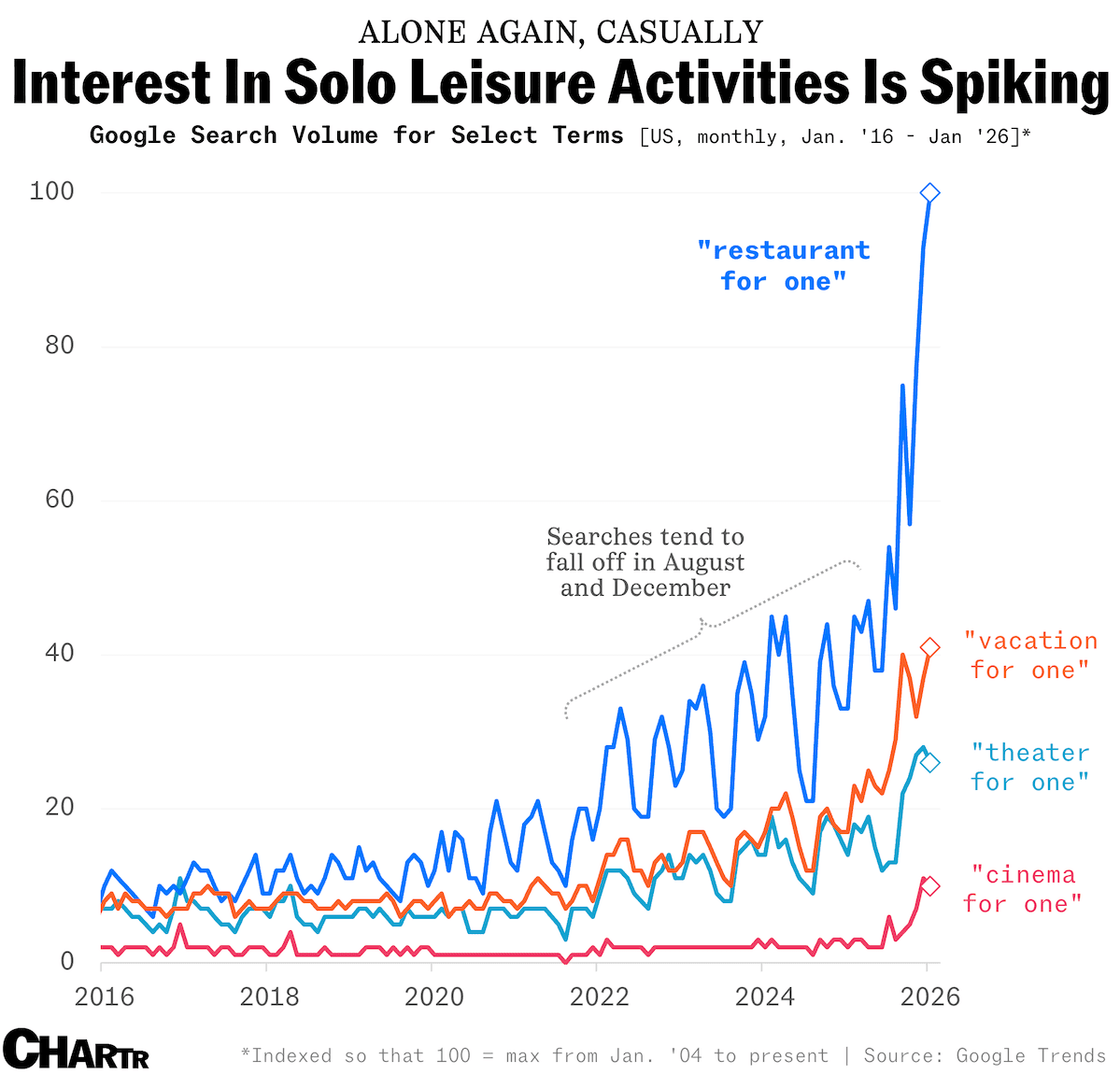
Sherwood News. “A growing number of people are embracing their independence by doing more things unaccompanied — even activities stereotypically considered to be mainly for couples and groups. New audience data from the Broadway League found that nearly 20% of Broadway theater tickets in the 2024-25 season were bought by solo attendees, double the rate seen only a few years ago.” The party-of-one trend is showing up across travel and dining too. In a world that’s increasingly digital, doing things solo is becoming normalized in a way prior generations would’ve frowned upon. Liberating in some ways — hopefully not just a byproduct of loneliness.
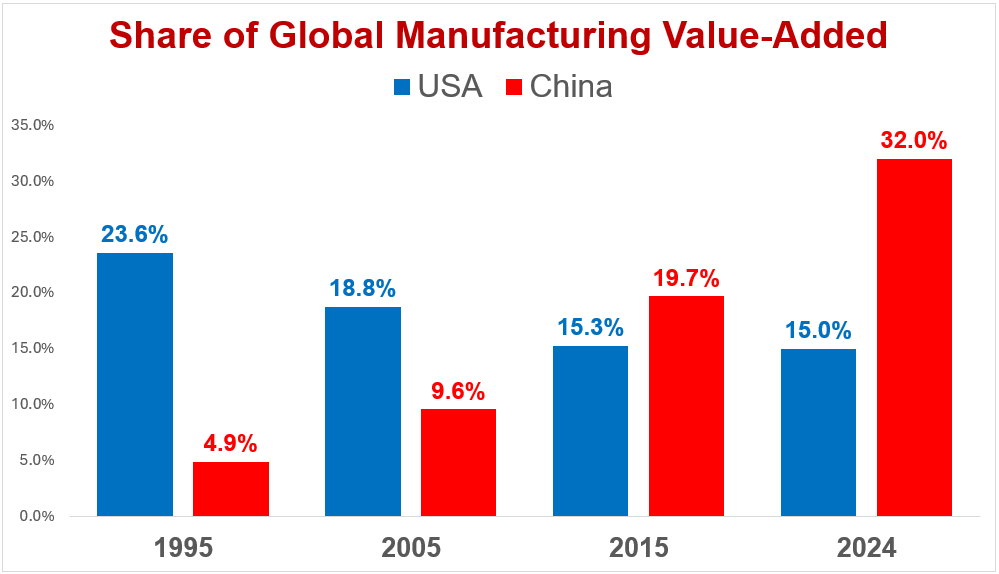
Bruce Mehlman. Trump has favored tariffs and disapproved of most global trade arrangements since the 1980s, but the current push is really about getting foreign direct investment into the U.S. and rebuilding domestic manufacturing. The goal is re-industrializing America’s defense base to better compete against China. The chart tells the story: US share of global manufacturing went from 23.6% to 15.0% while China went from 4.9% to 32.0%.
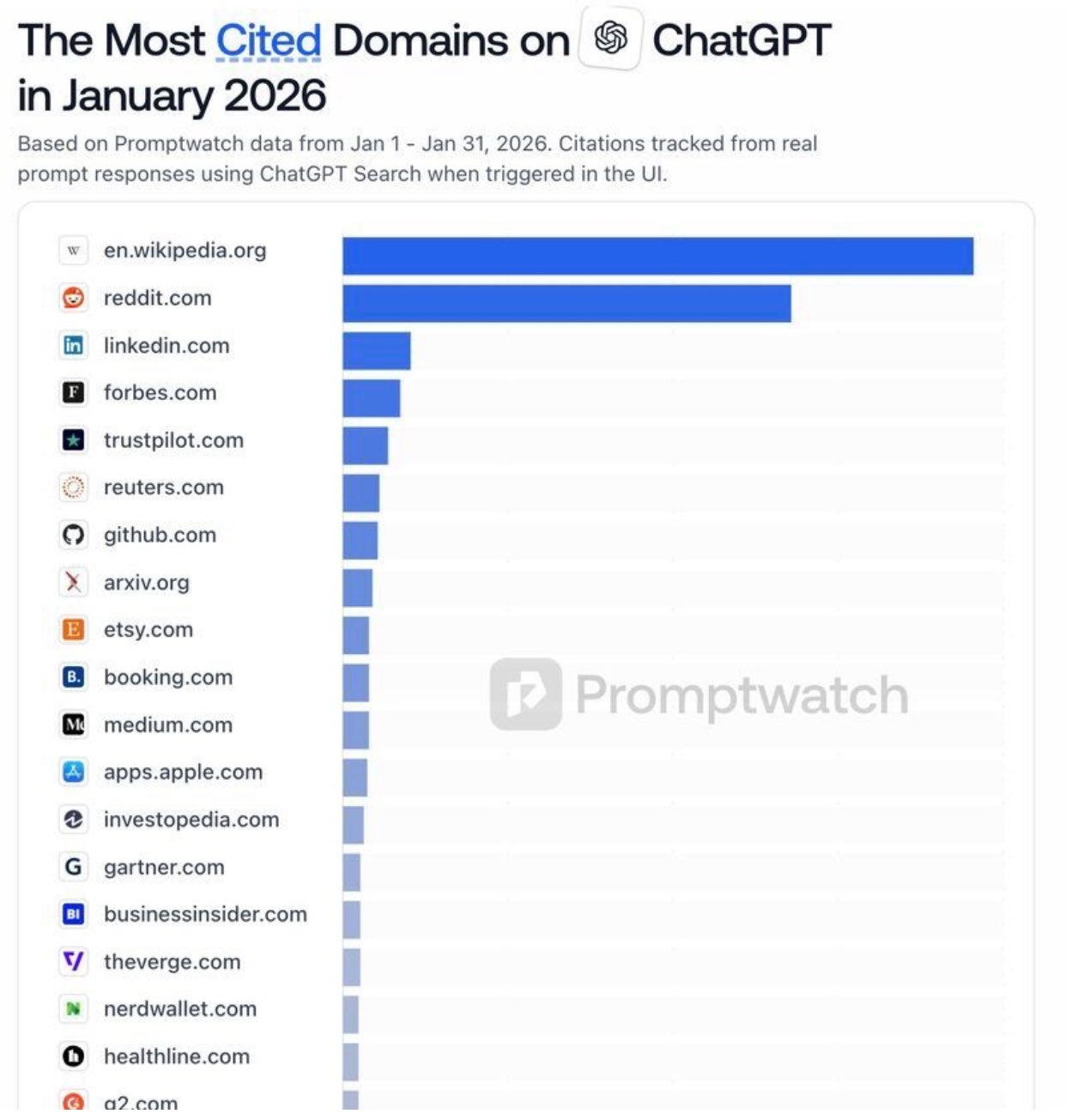
Seen via tweet. Most cited domains on ChatGPT in January 2026. Wikipedia and Reddit at the top… hmmm…
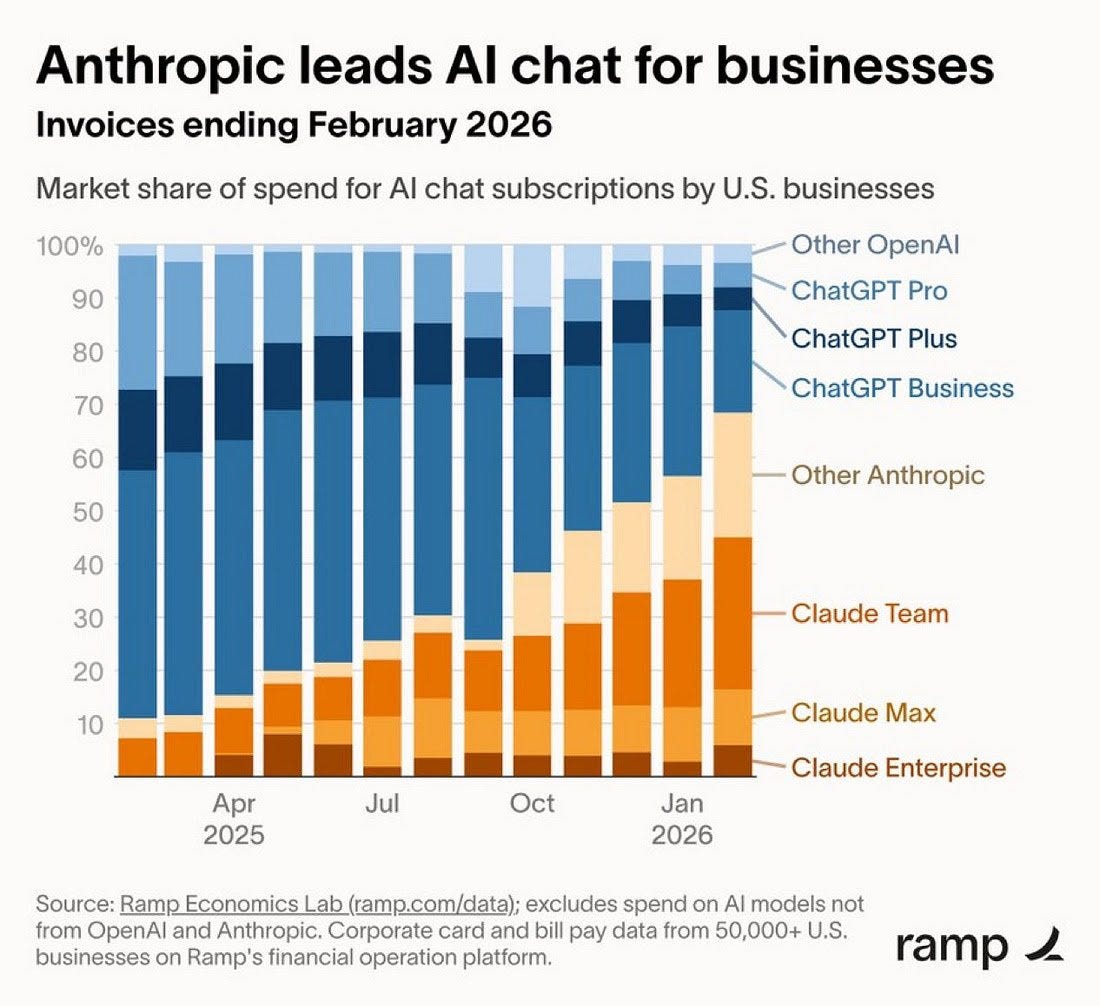
Seen via tweet | Ramp. Feb 2025: ChatGPT held 90% of the US business market. Feb 2026: Claude share has surged to ~70%. Wild swing in 12 months.
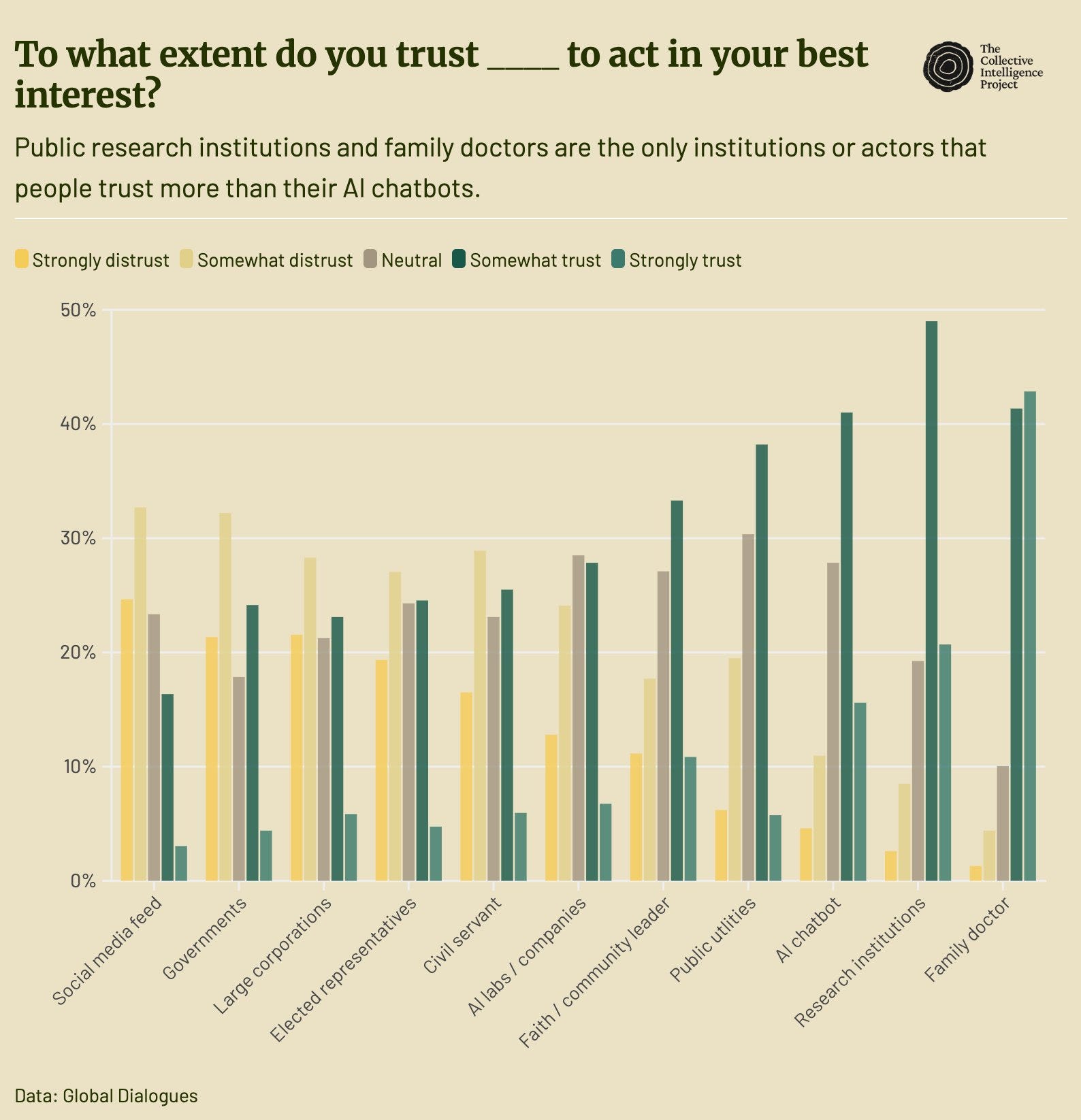
Seen via tweet. Globally, people trust AI models more than faith leaders, governments, corporations, social media — and more than the AI labs that created the models. Only research institutions and family doctors rank higher. That last part is the wildest finding.
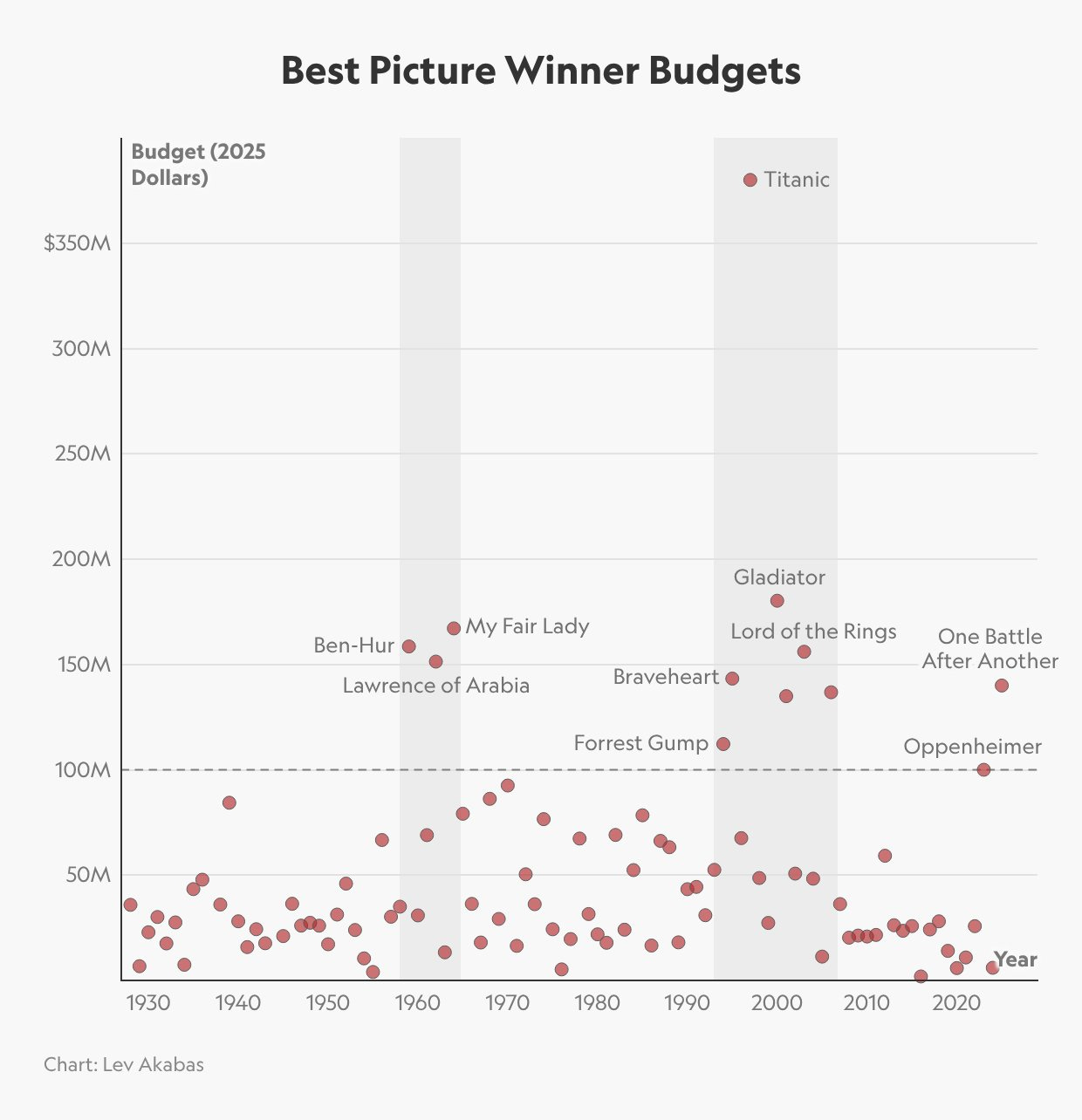
Seen via tweet. One Battle After Another is a rare Best Picture winner with a budget over $100 million — even after adjusting for inflation.
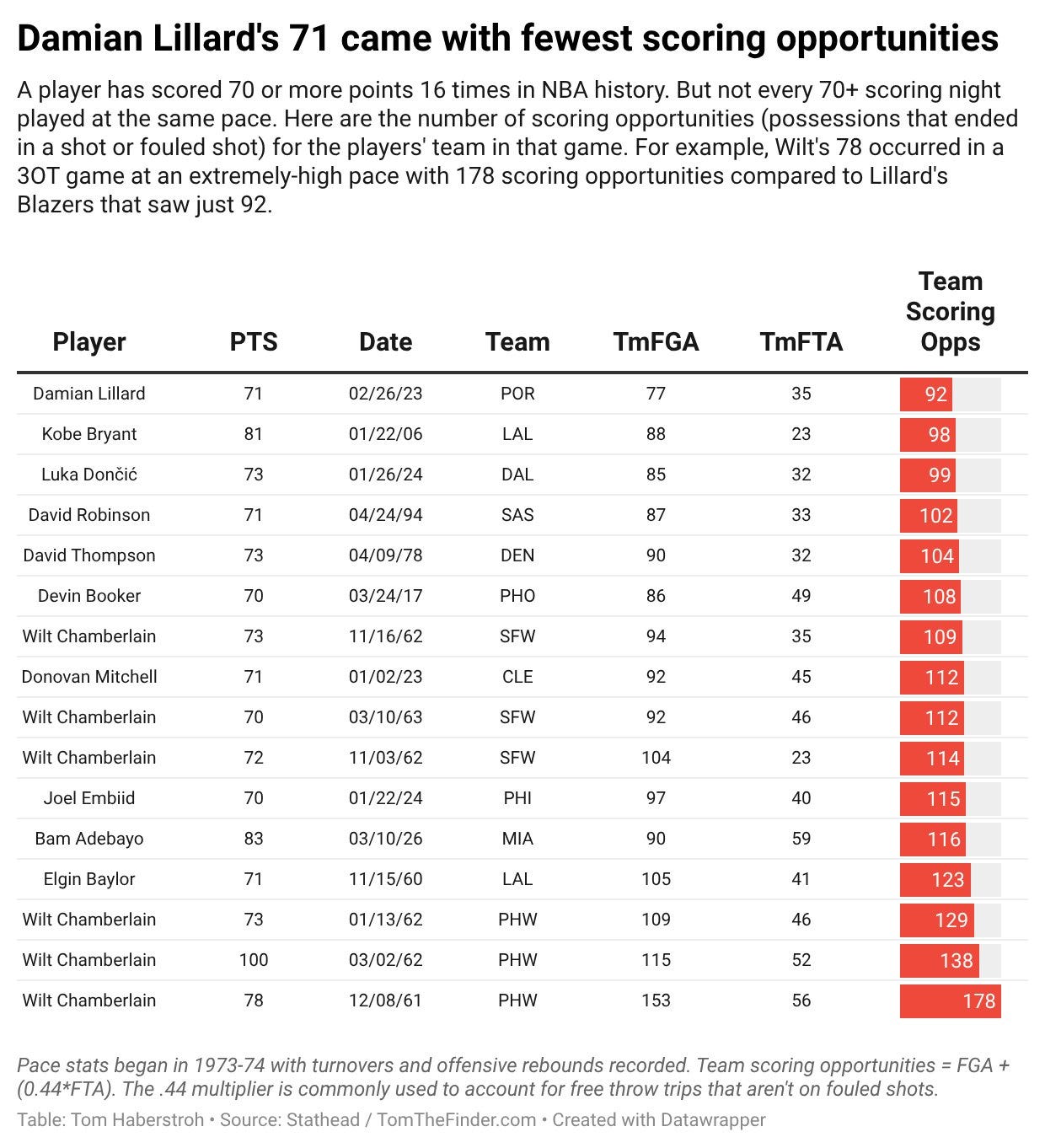
Seen via tweet | Stathead / TomTheFinder. Damian Lillard’s 71 in a game with just 92 scoring opportunities is outrageous. Wilt’s 78 in a game with 178 scoring opps is less so. Context matters (re: Bam’s 83 point game I highlight below). Kobe’s 81 > anyone. Fight me.
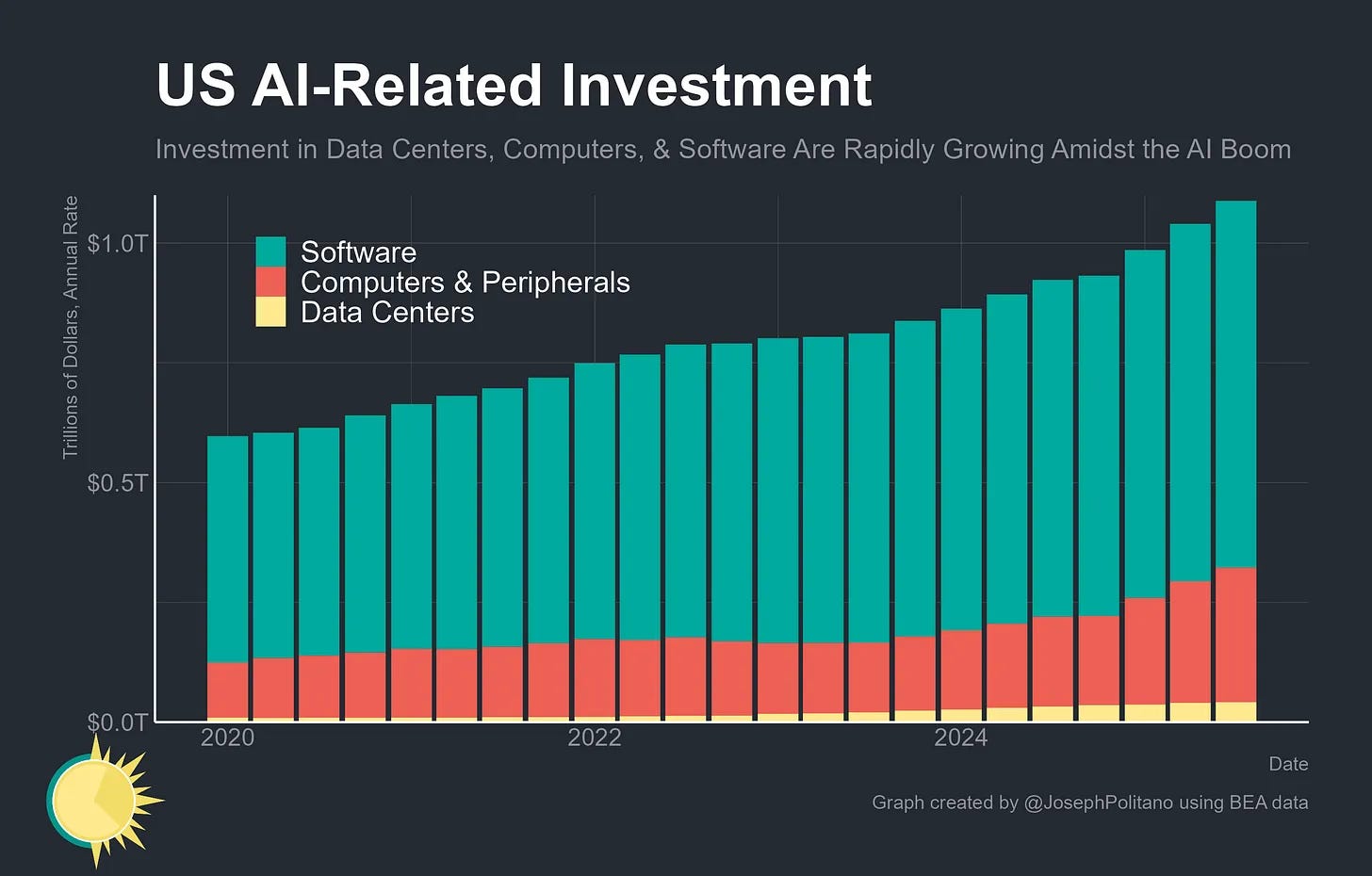
Apricitas Economics. “Combined, spending on data center, computer, & software investment now exceeds $1T annualized and is roughly equivalent to 3.5% of US GDP, another record high.” This is also likely an undercount of the true value of AI-related fixed investment.
🔥 AI & Big Tech
ChatGPT app uninstalls surged 295% following OpenAI’s Pentagon deal, with users shifting to alternatives like Claude (TechCrunch)
Trustpilot’s profits quadrupled in 2025 due to AI chatbots frequently citing its reviews (Reuters)
Over half of US teens (13-17) use AI chatbots for schoolwork (Pew)
Fewer than 1 in 10 CEOs of large U.S. companies plan to cut jobs due to AI in 2026. 9% of CEOs plan to reduce their workforce because of AI investments this year (2026 KPMG U.S. CEO Outlook Pulse Survey)
💼 Business & Money
154: The number of billionaire women in the U.S. according to Altrata. Though far fewer than the 981 billionaire men, these women have roughly the same median net worth at just over $2 billion. About 60% were at least partially self-made in 2024, compared with about 40% five years earlier (WSJ)
40% of applications submitted through LinkedIn are for remote roles, even though those jobs represent only 8% to 9% of listings (WSJ)
Billionaires made a stunning 19% of all reported federal campaign contributions in 2024 — more than $3 billion in total (NYT)
If it feels like you’ve been seeing a lot of Planet Fitness gyms and red-light therapy spas that also offer $1,000/month nutrition plans for your dog...it’s because you have. Service-based businesses (gyms, salons, spas) accounted for more than 50% of retail space in the US for the first time ever, eclipsing stores that sell actual things (WSJ)
Across 107 countries, a median 23% of adults named the economy as their country’s most important problem (Gallup)
🗳️ Politics & Society
In Pew’s 25-country survey, the U.S. is the only country where a majority says fellow citizens’ morality is bad rather than good, 53% to 47% (Pew)
🎭 Culture, Sports & Entertainment
The Miami Heat’s Bam Adebayo scored 83 points against the Washington Wizards — the second-highest single-game total in NBA history (ESPN)
The 68-team field for the 2026 men’s college basketball tournament has started, with Duke, Michigan, Arizona, and defending champion Florida grabbing No. 1 seeds (1440)
“One Battle After Another” and “Sinners” were the biggest winners at the Oscars. The Paul Thomas Anderson drama starring Leonardo DiCaprio came out on top with six awards, including best picture. “Sinners,” which broke the record for most nominations with 16, won four Oscars (Axios)
The 2028 Global Intelligence Crisis (Citrini Research): Speculative scenario piece written as a retrospective from June 2028. More sci-fi thought experiment than prediction, and that’s what makes it valuable. The setup: AI displaces high-income knowledge workers, consumer spending collapses, and that cascades into private credit defaults, mortgage stress, and a federal revenue crisis. The scenario has unemployment at 10.2%, the S&P down 38%, and labor’s share of GDP falling from 56% to 46%. I don’t find doomsday scenarios typically helpful, but this one does a really good job walking through the mechanics of wage compression, job loss, and the vicious cycle that forms when consumer spending falls off a cliff. The kind of thing politicians and business leaders should be gaming out now so they can get ahead of it. There are equally thoughtful pieces on the upside too: compounding feedback loops, custom software for everyone, lower costs across the board, massive consumer surplus. The value isn’t in the prediction, it’s in the exercise of thinking these scenarios through in either direction.
Addiction to Short-Form Videos Reduces Brain Activity: Several studies are now showing the same thing: heavy short-form video use weakens activity in the frontal lobe, the part of your brain responsible for focus and executive control. One EEG study found a clear pattern: the more addicted someone was to short videos, the less their frontal lobe fired during tasks that actually required concentration. Still early research with small sample sizes, but the results keep pointing in the same direction. Pair with the Pew stat above on teens using AI chatbots for schoolwork and the picture gets pretty concerning.
Rhonda Patrick — Health Research Highlights:
Participants who stopped eating 3+ hours before sleep (extending their overnight fast to 13-16 hours) improved overnight diastolic blood pressure by 3.5% and overnight heart rate by 5%. They also had higher HRV, lower cortisol, and improved insulin sensitivity. Source
Human aging is asynchronous. We don’t simply age “overall,” we age system by system. A new paper introduces the concept of “Peakspan,” the period during which you maintain ≥90% of peak function in a given domain. Processing speed peaks in the mid-20s, muscle mass in the late 20s, but crystallized intelligence doesn’t peak until the late 40s-50s and can remain stable into the 70s. Source
Using the sauna after aerobic exercise improves VO₂ max more than training alone. Source
Americans Are Leaving the U.S. in Record Numbers (WSJ): The U.S. experienced net negative migration in 2025 for the first time since the Great Depression. A WSJ analysis of 15 countries found at least 180,000 Americans relocated abroad last year, with the true number likely higher. It’s not just retirees. Families, mid-career professionals, and students are leaving for affordable healthcare, lower housing costs, and schools without active-shooter drills. Remote work makes it possible: keep your U.S. salary, live somewhere cheaper. Citizenship renunciations jumped 48% in 2024. Perhaps the most striking stat: a Gallup poll found 40% of American women ages 15-44 said they’d like to permanently move overseas if given the opportunity.
Sucker: My Year as a Degenerate Gambler (The Atlantic): I’d argue sports betting is a cancer to society. It’s damaging to a lot of young men in particular, and the statistics on predisposition to gambling problems and financial ruin are overwhelmingly negative. This piece drives that home through narrative rather than lecture. McKay Coppins, a practicing Mormon whose faith prohibits gambling, was given $10,000 by The Atlantic to bet through the 2025 NFL season. He lost $9,891. The industry has gone from $4.9 billion wagered in 2017 to $160 billion by 2025. Sportsbooks generate roughly 90% of their revenue from fewer than 10% of users. Nearly half of men ages 18-49 now hold active sportsbook accounts. Nate Silver told Coppins that if you win even one penny, you’re in the top 2% of sports bettors. The FBI arrested 30+ people in October 2025 in connection with illegal NBA betting schemes involving insider information and rigged poker games. And yet Congress has done essentially nothing on advertising, age restrictions, or addiction safeguards. Watching the author go through the process himself and describe how quickly it spirals makes this an eye-opening read. “Gambling had made us all care much more about the games, but it had also atomized us, taking the last and purest expression of American monoculture and turning it into a hyper-individualized, every-man-for-himself portfolio of micro-bets.”
Dylan Patel — The 3 Big Bottlenecks to Scaling AI Compute (Dwarkesh Podcast): Patel (SemiAnalysis) is as deep in the weeds on market research and channel checks as anyone in this space. He breaks down three bottlenecks: logic, memory, and power. His argument is that the real constraint is shifting away from power and data centers toward semiconductor manufacturing itself. The first hour is the strongest, covering compute capacity, unit economics of the models, supply chain sourcing, and how companies are locking down allocations. TSMC’s advanced node capacity is sold out near-term, with meaningful new allocation not opening until 2027. Nvidia is projected to hold 70%+ of N3 wafer capacity by 2027. All major memory vendors (SK Hynix, Samsung, Micron) are completely sold out through 2026. He spends a lot of time on EUV and ASML, which produce roughly 70-100 lithography machines per year at $300-400M each. That section may go deeper than most listeners need, but the takeaway is clear: by 2028-2029, ASML becomes the #1 constraint, not power, not data centers. Big Tech combined capex is ~$600B this year, roughly $1T across the full supply chain. Power, surprisingly, is the most manageable of the three. If you follow the AI infrastructure space this is essential viewing.
“Yes, AI Is a Bubble. There Is No Question.” (Plain English): If Patel above represents the bull case, Kedrosky is the inverse. He sits down with Derek Thompson and makes the case that AI is “one of the probably five largest capex bubbles in history.” Important to note: he’s not saying AI is useless. The technology is genuinely transformative, but spending is massively outpacing revenue. He walks through specifically why: available financing is masking what real economics look like, token usage is being conflated with sustainable demand, and the first killer use case, coding, isn’t applicable to the broader economy. The historical parallels are strong: canals in the 1820s, railroads (which represented ~62% of US stock market cap around 1900 and contributed to crashes in 1873, 1878, and 1887), and fiber optics in the 2000s. Technology currently sits at ~60% of US equity indices, which is eerily close to that railroad-era concentration. What makes this cycle different is that four bubble factors are all happening at once: loose credit, real estate involvement, technology advancement, and favorable government policy. Kedrosky says we’ve “never had a moment like this” where all four align. Good counterweight to the consensus bull case. Pairs well with the Kedrosky GDP chart and the Apricitas $1T capex chart above.
Comments
Nothing yet. Say the first thing.
Sign in to join the conversation.