
Fresh out of college and living in Toronto, David Zou was determined to break into San Francisco’s tech scene. He craved its energy and wanted to be surrounded by people “building optimistically for the future.”
First, he needed to land an interview. The 24-year-old applied to about 30 sales-related jobs, cold-DMed roughly 100 startup founders on social media, and crafted personalized messages to recruiters on LinkedIn.
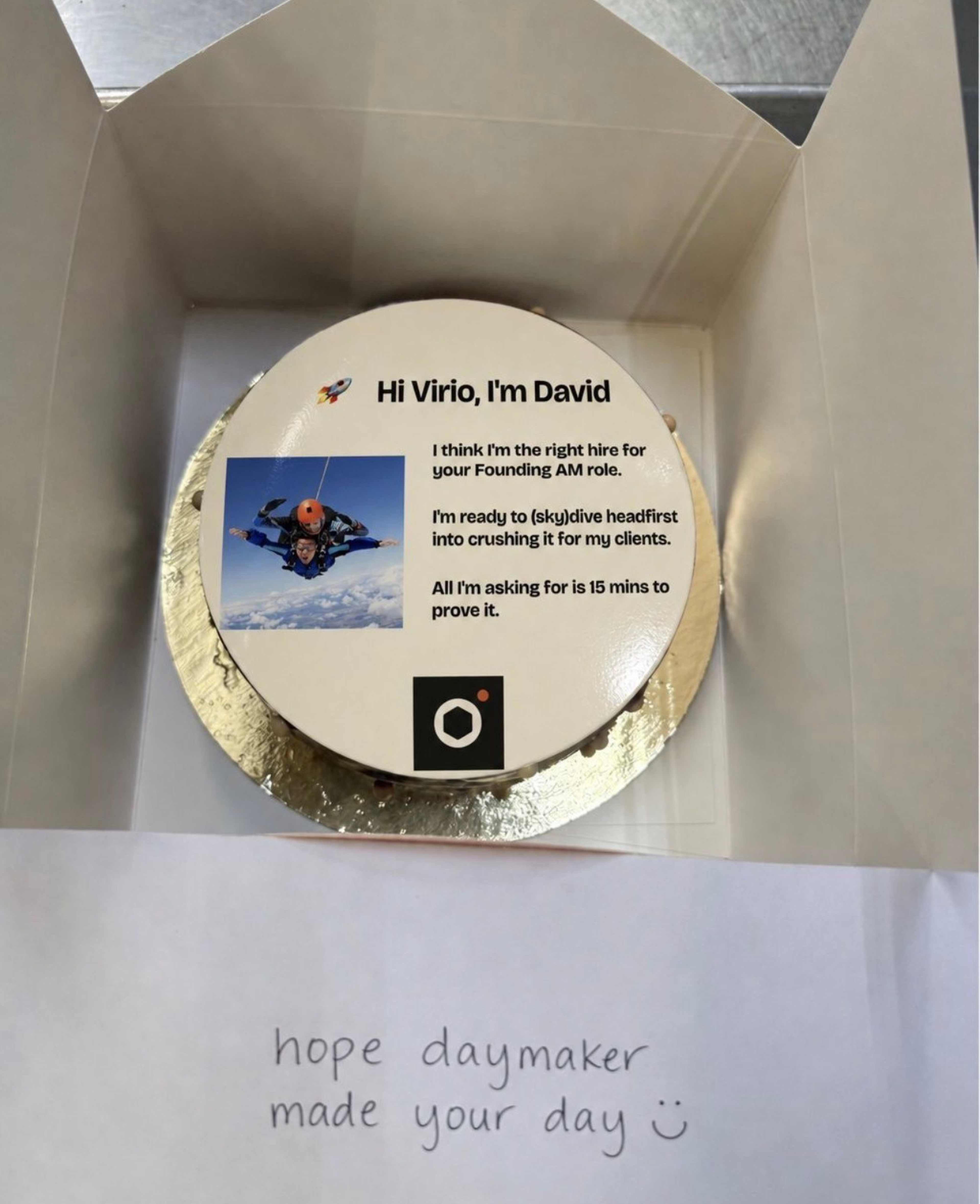
When nothing worked, he ordered a custom cake printed with a photo of him skydiving and the message: “I’m ready to (sky)dive headfirst into crushing it for my clients.” He had it delivered to the office of Virio, an AI startup in downtown San Francisco, after applying for a role as founding account manager.
It worked. He started the job in February.

San Francisco has long been the place where young workers go to break into the tech scene, grinding away at startups or getting internships and entry-level positions at bigger players. The prize is a healthy tech salary and, ideally, a bit of equity in a company that makes it big.
That path is narrowing. The number of entry-level tech jobs in the city has dropped precipitously in recent years, according to Indeed (opens in new tab). The openings that are available are flooded with applications, as candidates rush to get in the door at the next big AI company before it’s acquired or goes public. The shift has left those who are trying to get hired feeling anxious and desperate.
“It’s kind of depressing. It feels like nobody wants us out of college,” said Shaun, 24, a recent computer science graduate who works at a startup in Omaha, Nebraska. “It’s just so rare to see these junior jobs.”
Shaun — who declined to disclose his last name because he’s job hunting — is going all out to find a gig in San Francisco. With the help of the AI tools Claude Code and Cursor, he built a website (opens in new tab) that notifies him within an hour of new positions listed by 25 technology firms, including Apple, OpenAI, and Anthropic. And he made a video-game-like leaderboard as he and his friends competitively practice on LeetCode, a platform with the types of coding problems big companies present as tests in technical interviews.
“A lot of people have the same skills as you, so it’s definitely harder to get noticed by companies,” he said. “Before, referrals were pretty useful, but right now, I don’t think even a referral can help you get an interview.”
Counselor Jesselle Hoque, assistant director of career services for engineering and physical sciences at UC Berkeley, said it’s become the norm in recent years for students to send out 200 applications and hear back from 10 or fewer employers.
One issue is that they are entering a market crammed with more senior workers than usual. The ratio of experienced workers to available jobs in tech is the highest it’s been in a decade, according to the State of Tech Talent Report (opens in new tab) by SignalFire, a venture capital firm.
While big AI labs like Anthropic and OpenAI are on a hiring tear ahead of expected trillion-dollar public market debuts, these jobs make up only a fraction of the tech industry. Anthropic has around 450 jobs listed, and OpenAI has about 730, most of them based in San Francisco.
There have been nearly 40,000 layoffs by tech companies in the Bay Area so far this year, according to Layoffs.fyi (opens in new tab). Across the country, job postings for entry-level tech jobs have been declining since 2022, according to Sneha Puri, an economist at Indeed Hiring Lab.
In June, job postings for entry-level roles in San Francisco were down 84% compared with the same period in 2019, according to Indeed. Last year, entry-level hiring at major tech companies was down 65% compared with pre-pandemic levels in 2019, according to SignalFire.
While many executives have attributed the layoffs to AI, experts say companies are also correcting for the hiring boom in the early 2020s. The layoffs are making some traditional tech companies less appealing to incoming workers, who are wary of instability.
It took Sahana Diwakar, 25, seven months to find an internship after she graduated, even with her master’s degree in electrical and computer engineering from the University of Wisconsin-Madison.
She intentionally sought out Y Combinator startups because she thought the process would be quicker and the pay comparable to bigger companies. She doesn’t see big tech companies as the ticket to safety that they once were; some of her friends worked at such companies for a few months before getting laid off and are still looking for jobs.
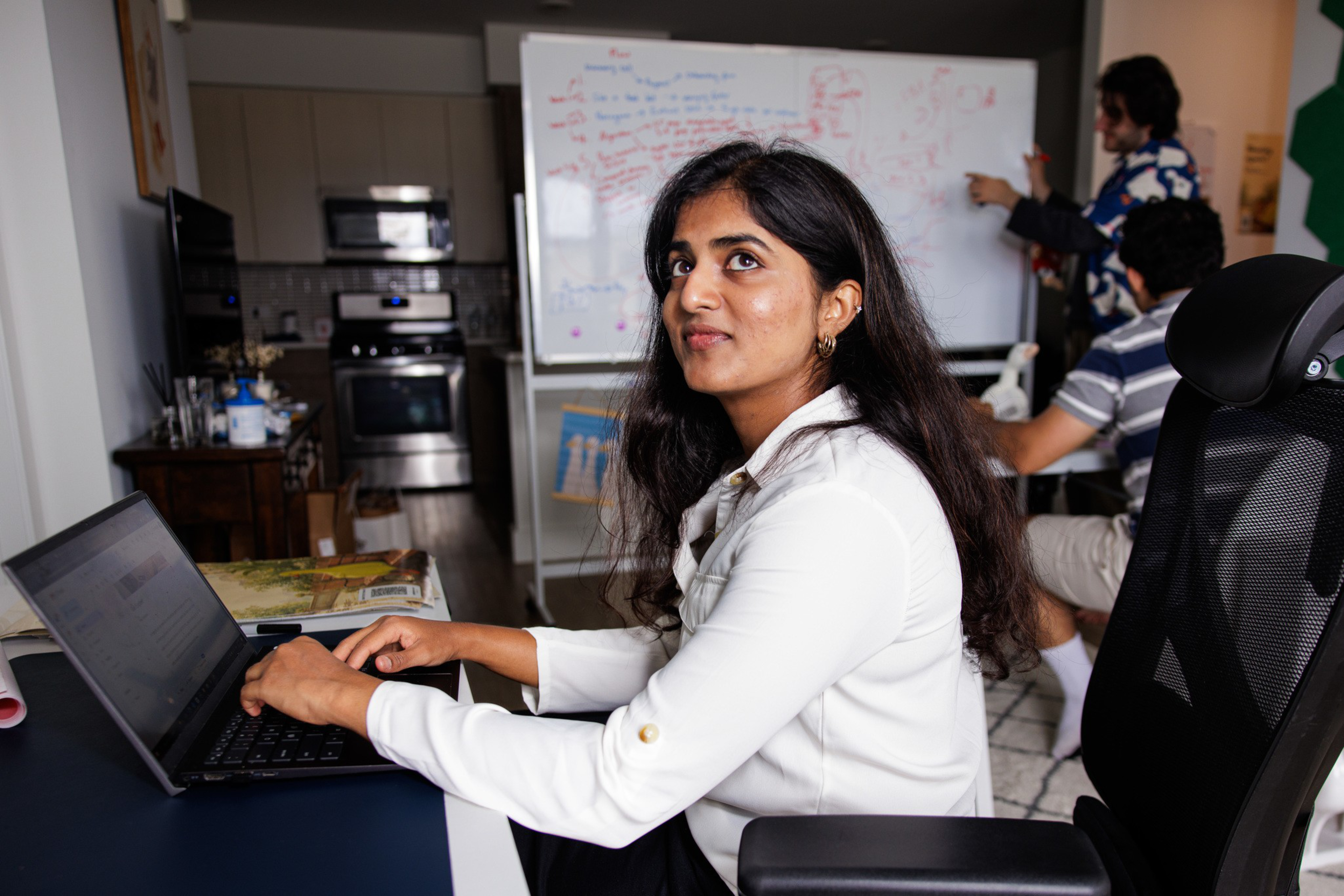
“If you’re a researcher, they’ll probably keep you for more years,” she said. “But if you’re a software developer or any other software role, then you never know when you might be kicked out.”
When she did find an opening, the company made her fly out to do a paid one-week work trial before hiring her. Work trials have become the norm among AI startups. She is working at the biotech startup GutGutGoose, which analyzes stool samples to offer customized supplements for gut health.
Alex Hochman, senior director of University of San Francisco’s career services, said he’s encountering more “confusion” among computer science students about what to do with their careers.
“I don’t think it’s nearly as dire as everyone makes it out to be, but I don’t think it’s as gorgeous as it was a decade ago, either,” he said of the tech job market.
Aspiring tech workers are flocking to events to try to network their way into the scene. Last month, hundreds of teenagers and early twentysomethings crammed into a North Beach music venue for Internapalooza, a networking event. It was standing room only.
After listening to success stories from fellow Gen Zers who are raising millions and running companies, the crowd heard from a surprise guest: OpenAI CEO Sam Altman.
Altman also appeared one day earlier at YC Startup School, where an even larger audience at the Chase Center sat rapt as he spoke with Garry Tan, CEO of Y Combinator. Altman famously came out of the accelerator program and led it for years.
“I think it’s very natural at the beginning of a career to doubt yourself and not assume you can go do an amazing thing. I certainly went through that,” Altman said (opens in new tab).

He encouraged the young crowd to start building companies themselves, because thanks to improving AI, there’s “never a better time to do a startup than right now.”
Skipping the internship or entry-level job isn’t unusual advice in Silicon Valley. Niko Bonatsos, managing director at Verdict Capital, which invests in early-stage companies, said it’s easier for young people to raise money for a startup than it is for them to get hired at a company that will become wildly successful.
Bonatsos said AI has made it easier for a smart technical person to spin up an idea and start building a company. He was one of the early investors in Mercor, an AI startup now run by two 23-year-olds, Brendan Foody and Adarsh Hiremath, the world’s youngest self-made billionaires.
It might take a smart kid months to interview at a bunch of promising companies. Instead, Bonatsos noted, they could say, “Shit, maybe I should take some seed money, because it’s easy, and then have my own job.”
Comments
Nothing yet. Say the first thing.
Sign in to join the conversation.