
Greetings everybody,
Over a year ago, I put out an article that touched on the history of a handful of popular European sewing machine manufacturers:
A theme throughout the article was that a lot of these European companies were sold in the late 1990s-early 2000s and acquired by private equity firms that specialize in leveraged buyout transactions. However, I did not go into much detail on the implication of leveraged buyouts and how they affect the sewing machine manufacturing process.
Fortunately, my father has written an article that helps break down how leveraged buy outs work and why they are conducive for poor quality sewing machines. With nearly 40 years in the sewing machine industry as a technician and business owner, he is an invaluable source of wisdom and knowledge. I always appreciate when he takes time to write an article like this, so that wealth of knowledge can be shared with the broader sewing machine community. I think sewing machine enthusiasts will find it fascinating. I hope you enjoy.
—Cale
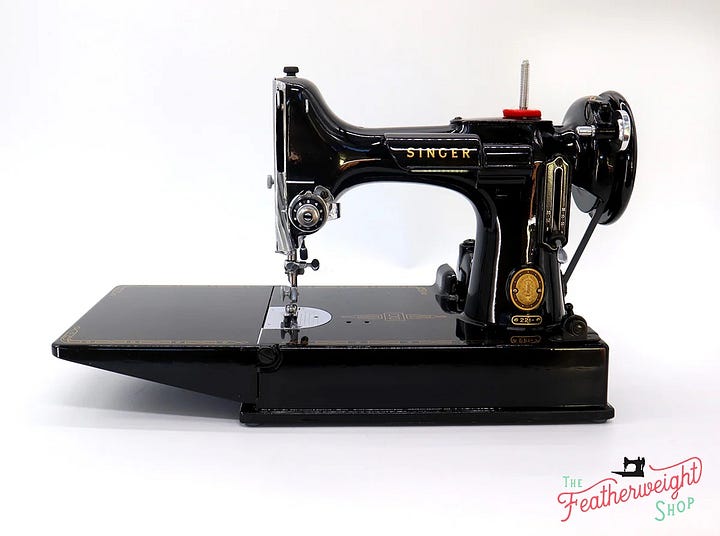
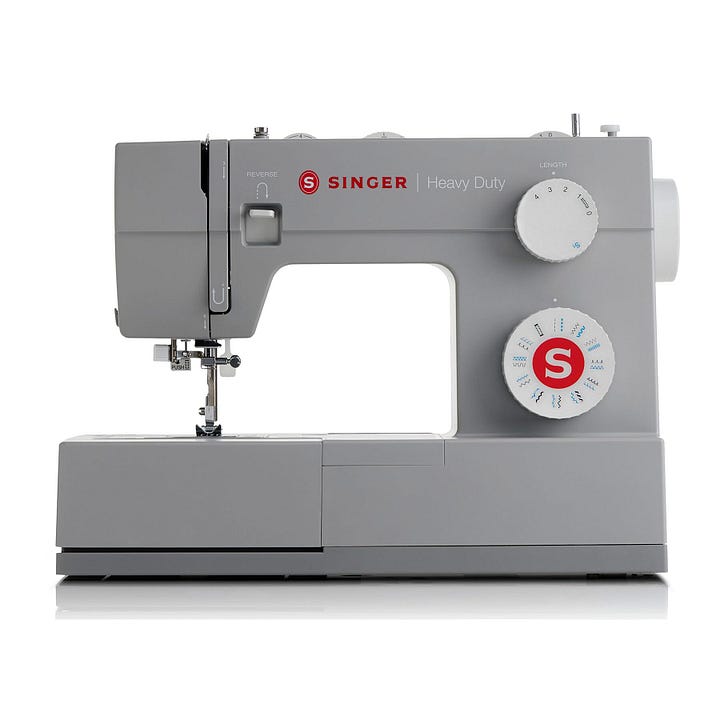
I often get inquiries in my inbox on what I think about a certain sewing machine make and model and why I don't list it in my annual sewing machine review. I have deliberately avoided talking about machines I do not sell and instead focus on sharing why I like certain manufacturers and specific makes and models.
In general, I like sewing machines that demonstrate innovation, use high quality materials, and are engineered for longevity and reliability. It is no coincidence that the sewing machine companies that consistently achieve this very high standard of excellence are very old companies that have never been sold. For example, Bernina, Janome, and Brother are all sewing machine companies that are over 100 years old. Baby Lock, the company that developed the first domestic serger over 55 years ago, is still the gold standard for quality and serger innovation; they, too, have never been sold. Juki, another Japanese sewing machine manufacturer specializing in industrial sewing machines and now domestic machines also is approaching 100 years in existence without ever changing hands. For these companies with a proud heritage, it is still about the sewing machine.
In contrast, there are three iconic sewing machine brands that were the target of Leveraged Buy Outs, or LBOs: Singer, Viking, and Pfaff. In most LBOs, a private equity firm uses almost entirely borrowed money to buy a company with the intent of improving its operations and profit margin in order to resell it quickly; usually between 5-7 years.
In 2004, Kohlberg and Company acquired Singer in a LBO. Singer had long been in decline for various reasons and in my opinion had not produced a high quality machine since the sixties. Two years later, in 2006, Kohlberg acquired VSM Group, which owned both the Viking and Pfaff Brand. All three iconic brands were merged together to create SVP Worldwide— the letters SVP standing for Singer, Viking, Pfaff. In 2018, Kohlberg completed the LBO process when they sold SVP Worldwide to Ares Management, another private equity firm. A few years later, in 2021, Ares Management flipped SVP Worldwide yet again, selling the company to Platinum Equity (another private equity investment firm).
So, why is an LBO bad for the “sewing machine” ?
It’s important to remember that the letter “L” in LBO stands for leverage. Leverage means borrowing (loans), and borrowing equals debt. In an LBO, a company is acquired using a mix of equity and a large amount of debt, with the expectation that future cash flows will pay off these high-interest loans. LBO loans are high interest loans because LBO’s are very risky and often go bad. Heavy reliance on borrowed money amplifies both potential rewards and risks, since any downturn can quickly make debt repayments unmanageable.
Now, think about what makes a sewing machine worth owning: innovation and quality. Creating a top-tier machine demands significant investment—research and development (R&D) is costly, as are quality materials and sound engineering. When a sewing machine company is saddled with the enormous debt from an LBO, it’s forced to allocate resources to meet financial obligations rather than investing in those key areas. The result is a business that struggles to maintain innovation and quality, and thereby has trouble making a good sewing machine.
LBOs are notorious for cutting expenses and are not conducive to R&D. Because LBO companies are acquired using significant debt financing, management is forced to prioritize short-term cash flow and debt repayment over long-term investments. It’s no wonder then that I’ve seen no innovation from these three iconic brands in the past 25 years (Singer, Viking, Pfaff)— they wait for heritage companies to take the lead in invention. Instead of reinvesting in R&D, a company likes SVP Worldwide finds profitability through consolidation, cost cutting, and clever marketing that leans heavily on the storied legacy of these once-great sewing machine makers. In turn, the sewing machine suffers. The company needs to cut costs in order to increase profitability, so they start equipping their machines with cheaper parts— cheaper circuit boards, hook assemblies, metal housings, etc. They cut back investments in engineering and design. All of these factors cause the quality of the sewing machine to decline.
The clock is ticking for Platinum Equity to get SVP back in shape for a sale. It’s been four years since they acquired SVP from Ares Management, and by every measure of an LBO, that’s long enough. We can only hope that the next buyer is a heritage sewing machine company that values innovation as much as legacy.
If you find my work valuable, please upgrade to become a paid subscriber. All revenue supports my family and goes a long way in helping me to continue to write.
You will unlock the full archive of over 150+ similar sewing machine educational essays and articles.
All support is hugely appreciated.
Thank you.
—Cale
Comments
Nothing yet. Say the first thing.
Sign in to join the conversation.