Most teams focus on running existing processes well and not improving the process itself. The process is a product in itself and deserves to be treated that way. It is easy to fall into this trap. Everyone is focused on the output: did we ship, did we hit the deadline, did the thing get done? Nobody is focused on the process itself: where did it break down, what would make it cleaner next time, is…
Good decisions are hard, but fast decisions are good. The Jeff Bezos 70% rule from the Amazon 2016 letter to shareholders : “ Most decisions should probably be made with somewhere around 70% of the information you wish you had. If you wait for 90%, in most cases, you’re probably being slow. Plus, either way, you need to be good at quickly recognizing and correcting bad decisions.” Slow…
Starting is easy. Finishing is hard. In startups and creative industries alike, there’s no shortage of big ideas. Everyone wants to brainstorm, prototype, and imagine what could be. Everything sounds like a great idea, until you try to execute and realize just how difficult any project is to finish. Closers are the people who bring ideas across the finish line. They are the ones who take ownership…
A major challenge in effective delegation is ensuring that what you want is clearly communicated and understood by your team. Leaders spend a lot of time thinking about what to communicate. But often, the bigger problem is not what you said, it is what your team heard. Even with the clearest instructions, assumptions and interpretations can drift. That’s where the back brief comes in. A back brief…
The best teams don’t always agree but they always commit. Jeff Bezos popularized the phrase “disagree and commit” in his 2016 Amazon shareholder letter . It’s one of the simplest yet most difficult leadership principles to execute. “Disagree and commit” doesn’t mean suppressing your opinion or faking agreement. It means you’ve voiced your perspective, been heard, and then chosen to fully support…
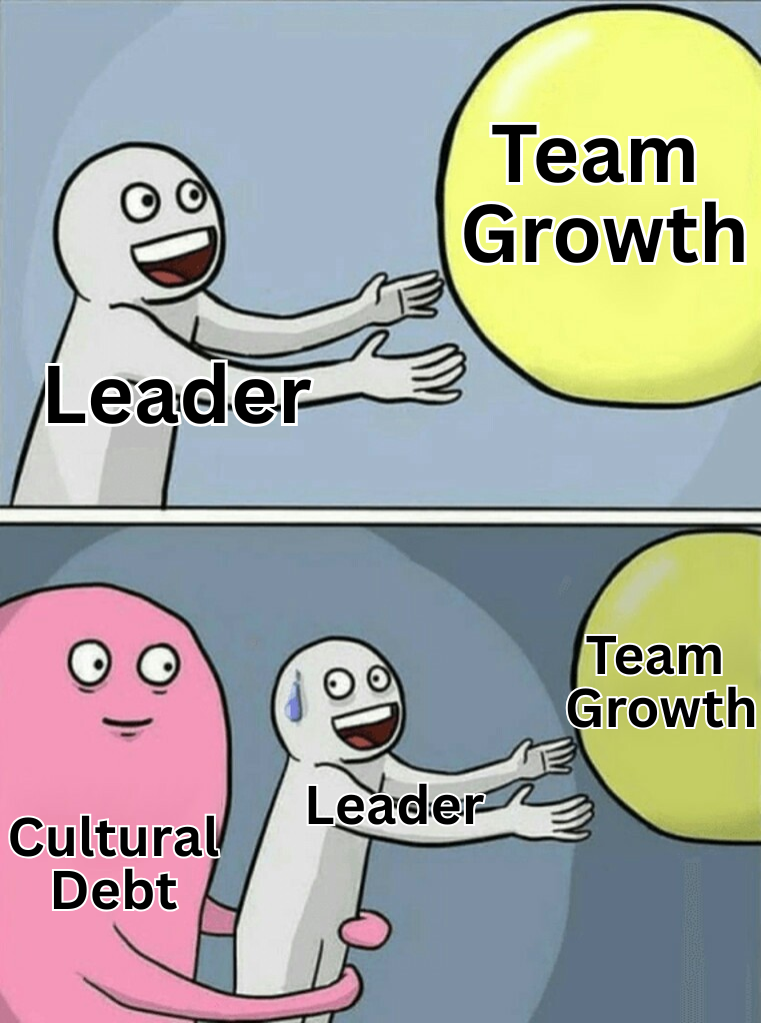
Every founder knows the pain of technical debt, but cultural debt is a more sinister and harder to fix issue. When we talk about “debt” in tech companies, the conversation almost always centers on code. Every product team knows the trade-offs: cut corners now to ship, and you’ll pay later with bugs, inefficiencies, and potential rewrites. But there’s another kind of debt that is just as dangerous:…
The fastest way to uncover what’s really happening on a team is to simply ask. As a leader, you’re constantly looking to get information from your teams and managers. Whether it is diagnosing an issue, ramping up as a new leader, or simply doing a health check, it is invaluable to hear directly from people on the team. Over the years, I’ve found three questions that cut through the noise and…
Rigid cultures snap under pressure. Pliable cultures adjust and bend, but they don’t break. Every company and team faces constant change. Markets shift, customer expectations evolve, and technology stacks can become obsolete overnight. Some teams crumble when their old ways no longer work. Others adapt, recalibrate, and keep moving forward. The difference often comes down to how pliable the…
The biggest mistake companies make with management is treating it as the next rung on their current career ladder rather than a leap to a totally new ladder. At Proletariat, we often talked about creating a formal manager training program. We didn’t fully implement it, but we built some practices that helped us support new managers as they stepped into one of the hardest transitions in their…
A team that can’t ship together can’t scale together. Whether you’re building a live service game or a SaaS product, your success depends on your ability to deliver again and again. Not just features, but updates, fixes, and improvements, all at the pace of your customers’ needs. The challenge is that teams often wait too long to test their real development pipeline. That’s where the concept of a…
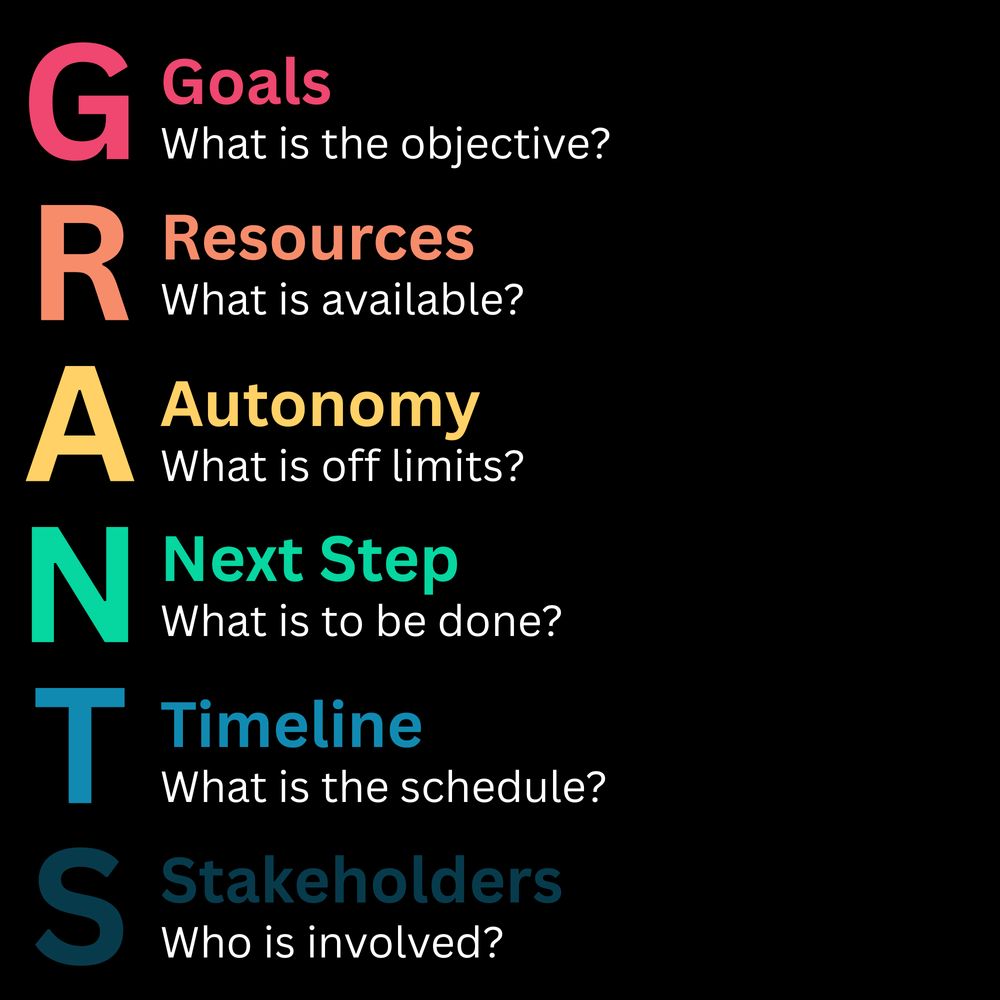
Delegation often fails because of unclear communication or misaligned expectations. In many startups or tech teams, leaders often hand off projects with a quick conversation, a Slack message, or a short email. The result? Misaligned priorities, missed deadlines, approval confusion, and a lot of rework. The GRANTS memo is a simple structure I’ve used to quickly delegate projects with a single…
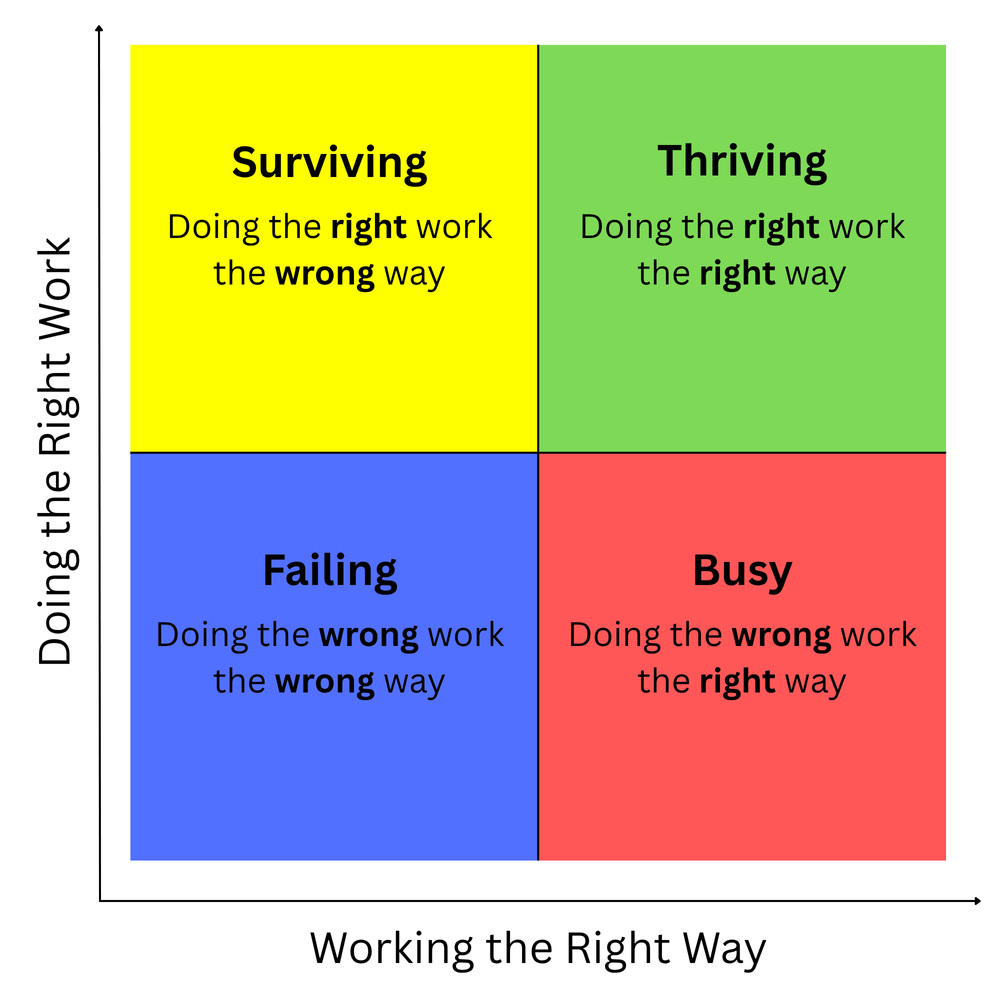
Being busy is seductive. We love to feel productive and that at the end of the day we did a lot of work. Unfortunately it is the impact of the work, not the amount of effort that went into it, that actually matters. Building a team culture that resists the siren song of staying busy and instead focuses on the areas that truly matter is essential to success. That sounds easy, but finding…
Every leader has experienced the feeling of a team member taking a shortcut or short circuiting a process. It can be frustrating but it can also reveal issues that need to be fixed. That team member decided to take the desired path instead of the designed path. What Are Desire Paths? The concept of desire paths originates from landscape architecture: an informal trail created when people…
When a team can keep their cool when everything seems out of control, it is a true super power. Calm urgency is one of the most effective traits a team or leader can cultivate. When you achieve it, you unlock a culture that can move quickly without losing focus or composure. Teams with calm urgency handle crises with efficiency, meet ambitious deadlines without chaos, and adapt to change without…
Are you building an organization to create the right product or the right product that the current organization can build? There is a turning point where every leader can feel like they go from building a product or a business to building a team or an organization. This can feel like progress, but the more established an organization becomes, the more you must keep your organization flexible. In…
“Plans are worthless, but planning is everything.” — Dwight D. Eisenhower That quote seems dismissive and overly simple. However, anyone that has been forced to make decisions in high-stress high-stakes situations will know it is true. Scenario planning emerged from military experience, where leaders like Eisenhower anticipated battlefield chaos by running through multiple “what-ifs.” The process…
One of the hardest moments in leadership is standing in front of your team to deliver bad news. Whether it’s a missed target, a layoff, a failed launch, or something that will impact people personally, these moments test your culture and your credibility more than any big win ever will. Here’s what I’ve learned about sharing bad news in a way that preserves trust, keeps people focused, and shows…
The most important job of any leader is to communicate the direction. When you’re just starting out, communicating direction is easy. You’re in the room with every decision. You’re talking directly to the whole team every day. Everyone knows where you’re headed because you’ve said it ten times that week. But as your company or team grows, alignment gets harder. New teams form, the existing team…
Startups live or die by focus. In the early stages, it’s easy to convince yourself that “culture” is something you’ll figure out later: after the product launches, after the next round closes, after you hire just a few more people. But culture happens by design or by default. It starts forming the moment your team does. I have seen early-stage companies ignore culture entirely, only to wake up…
Every company or team should have a mission they are driving towards and an aspirational vision for who they will become if successful. But too often, vision and mission statements are treated like branding artifacts or website filler; impractal, lofty, and ultimately useless. At Proletariat, we crafted a mission and vision that were practical, grounded, and designed to be useful every day. They…