
Surely this is the most blissful, the laziest, the most indulgent of seasons.
Perhaps.
But perhaps not.
When we walk the wheel year after year, we begin to notice that every season carries within it the seed of its own opposite. Like the ancient symbol of yin and yang, each contains the beginning of what comes next. Within fullness lives emptiness. Within life rests the promise of death. Within every ending, another beginning quietly waits.
Nowhere is this more apparent than at Lammas.
The fields are heavy with grain, orchards bend beneath ripening fruit, and gardens overflow with abundance. Yet if we look closely, autumn has already begun its gentle work. Rust appears on the tips of leaves. Night lingers a little longer after sunset. Morning arrives wrapped in the faintest veil of mist.
The wheel has already begun to turn.
Winter will come.
𓆸
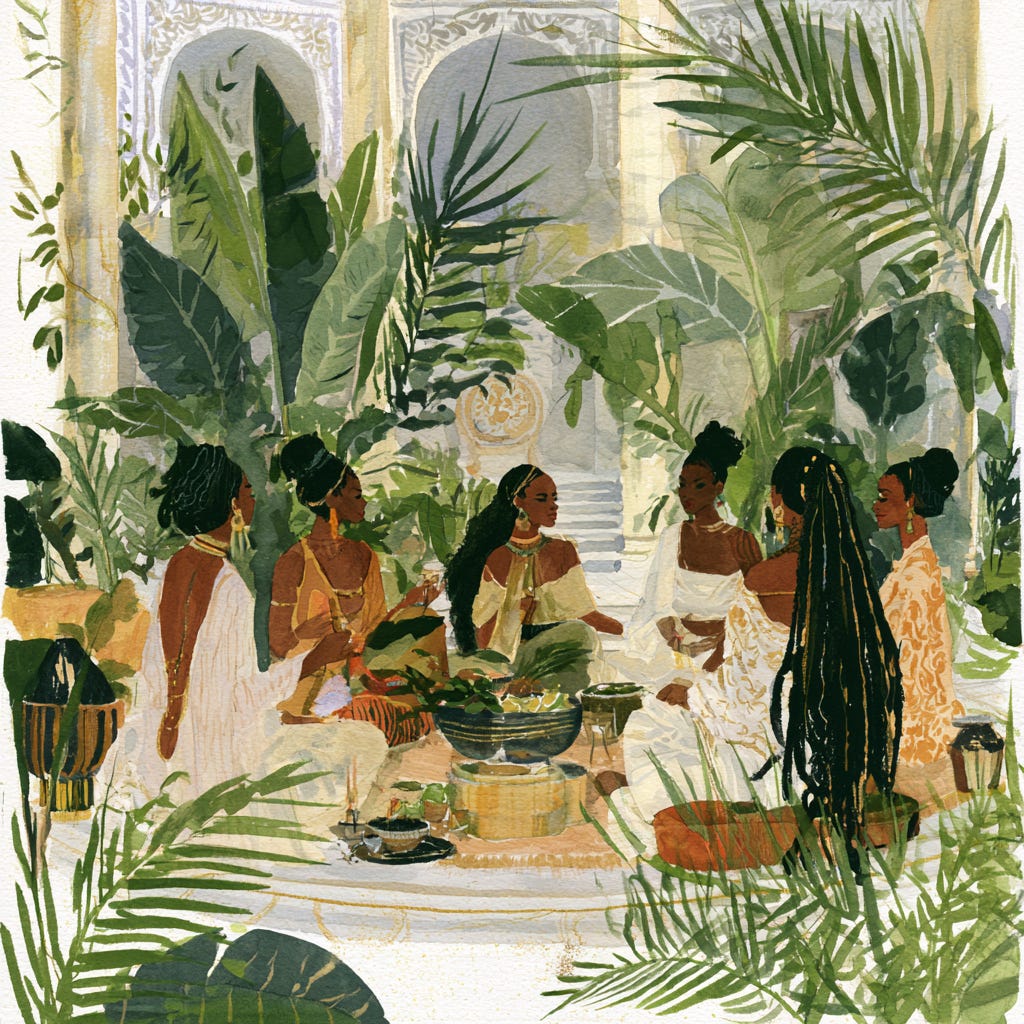
Lammas, or Lughnasadh, is the first harvest festival—a celebration of abundance, achievement, generosity, and gratitude. It carries the warmth of late summer alongside the quiet melancholy of knowing that nothing remains in bloom forever.
Harvest is not only about gathering what has grown.
It is also about recognizing what must be surrendered.
The theme of sacrifice that emerged at the Spring Equinox returns now with deeper understanding. Something must always be released so that something else may continue.
The ancients knew this well.
Every stalk of grain must be cut before it can become bread. Every seed must disappear into darkness before new life can emerge. Plants do not resist this mystery; they trust that what appears to end is only another beginning.
Life becomes death.
Death becomes life.
This is the mystery of creation.
𓆸
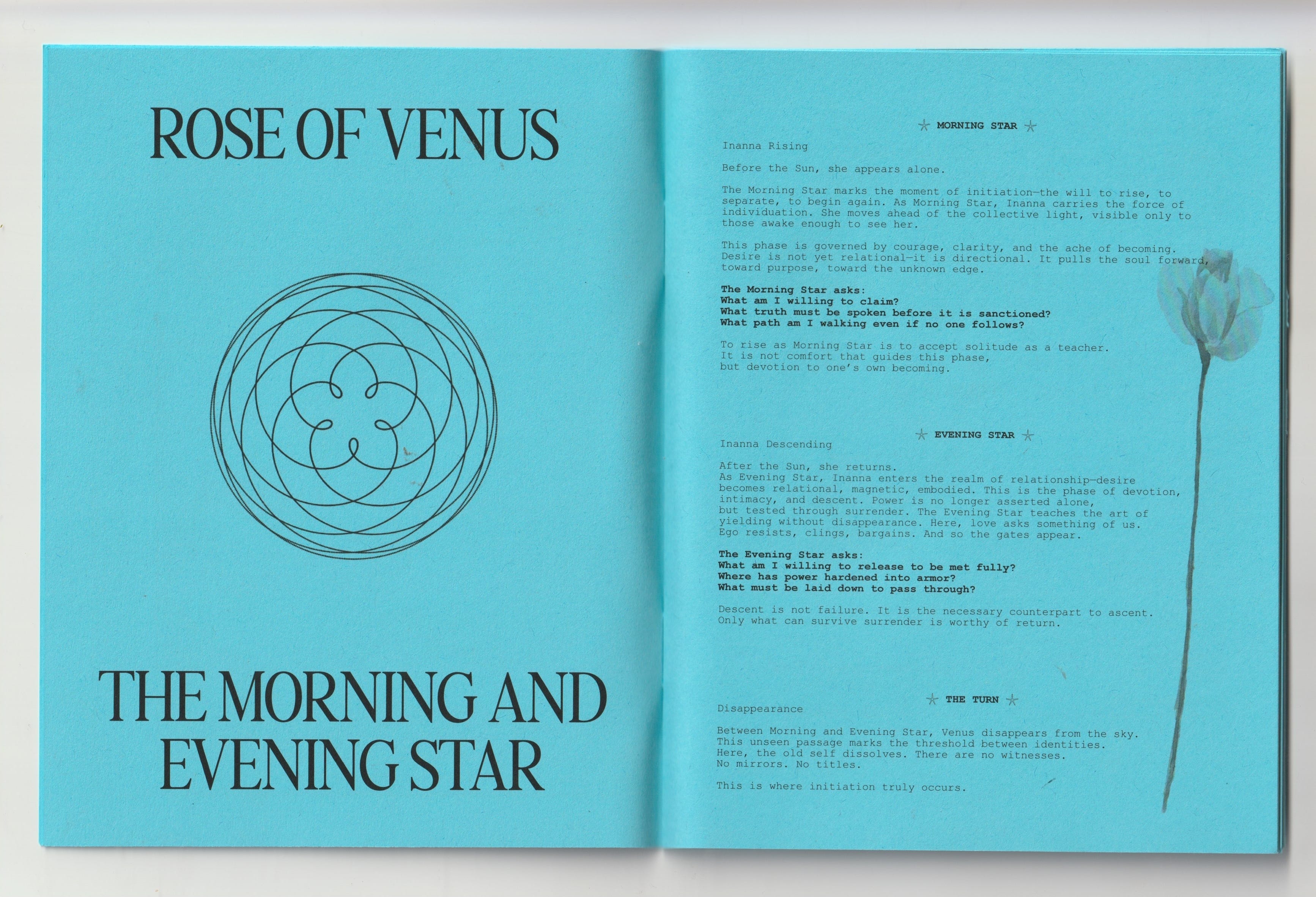
While much of Europe honored the grain harvest, in Kemet this same moment belonged to Akhet, the season of Inundation.
Rather than gathering crops, the people watched the Nile overflow its banks. The waters erased familiar boundaries, depositing rich black silt that would nourish the land for the coming year. It was a season not of collecting, but of preparation.
It was also the sacred beginning of the year.
The heliacal rising of Sirius announced Hru Renpet, the Opening of the Year, while the great goddess Nut gave birth to Ausar, Set, Auset, Nebt-Het, and Heru upon the five epagomenal days.
One culture celebrated the harvest.
Another celebrated the flood.
Both remind us that abundance is cyclical. Sometimes abundance looks like full hands.
Sometimes it looks like fertile waters washing everything clean.
𓆸
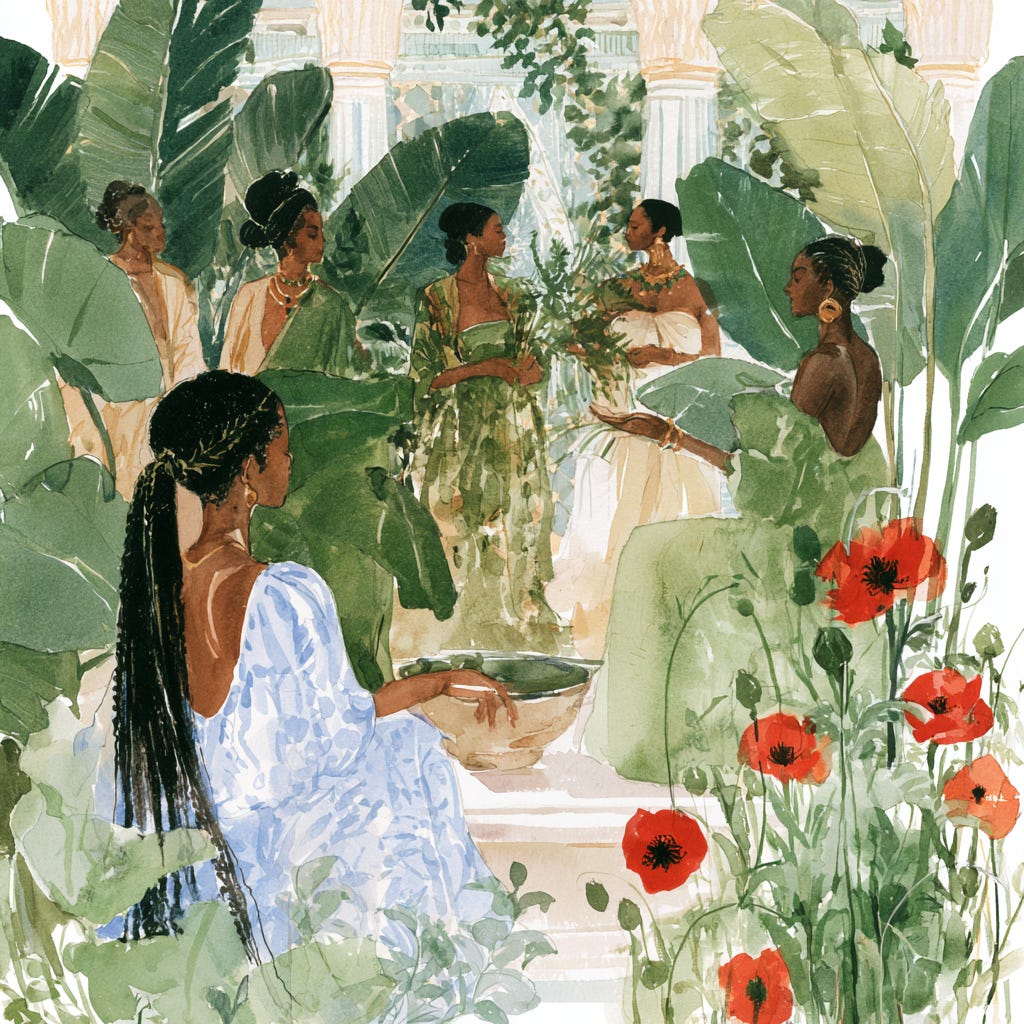
This season invites us to mark our own harvest.
Take a moment to write every achievement you can remember from the past year.
The obvious ones.
The quiet ones.
The unseen ones.
Perhaps you completed a difficult project. Perhaps you nurtured a friendship. Perhaps you simply continued showing up on days when it would have been easier not to.
If this year has brought grief and you are still here—
that, too, belongs on the list.
Wrap these words with a red ribbon and place them somewhere safe.
This is your harvest.
Then make another list.
Write down everything that has reached its natural ending.
Habits.
Beliefs.
Fears.
Expectations.
Relationships.
Versions of yourself that no longer fit.
Cut the paper into pieces and offer it to the fire.
Every harvest leaves a field behind.
𓆸
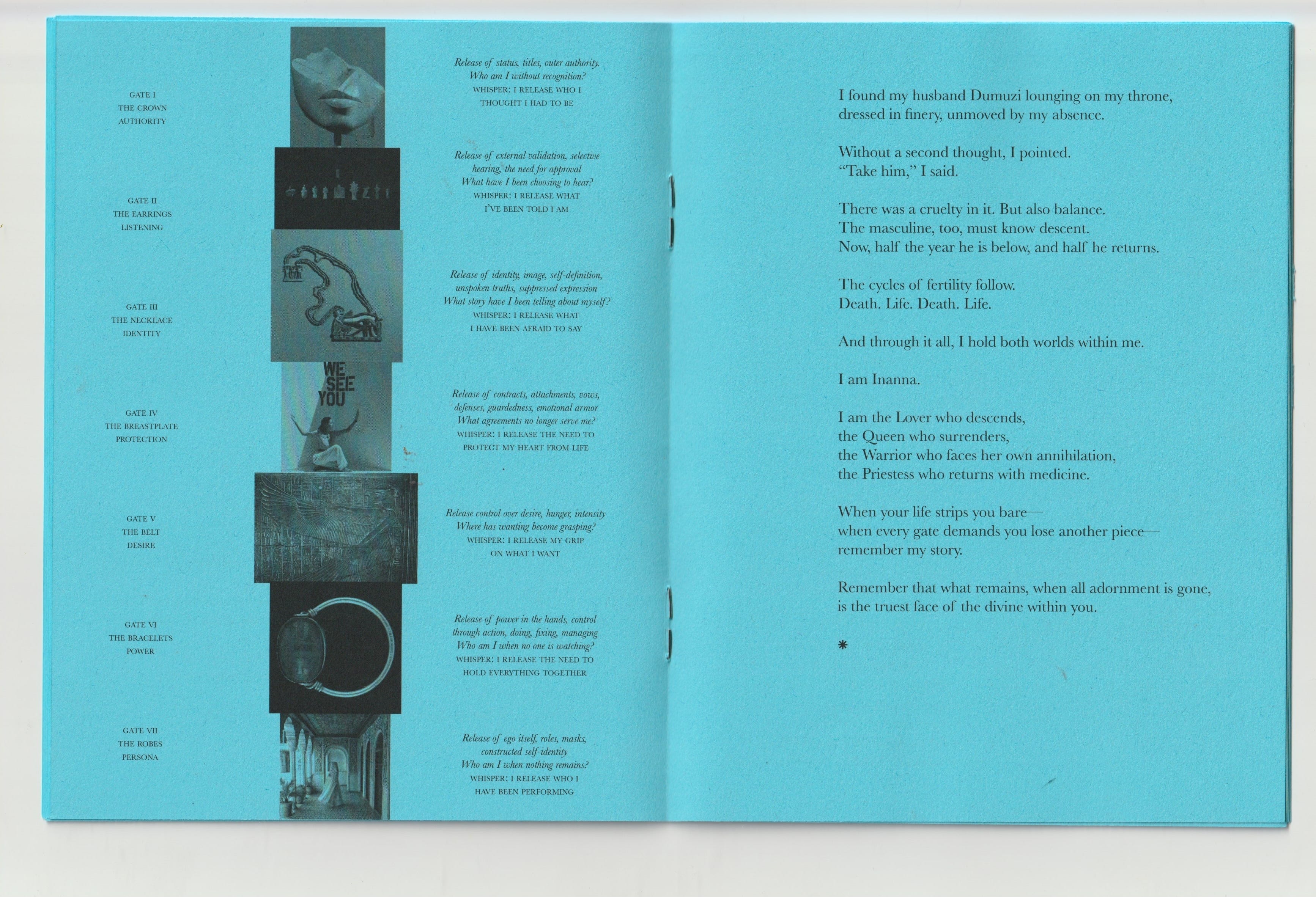
In Senegal, Lammas coincided with the Grand Magal of Touba, the annual pilgrimage honoring Cheikh Ahmadou Bamba, which took place on August 2, traditionally the 18th of Safar.
As I was preparing this post, I found myself returning to my copy of Wheel of the Year by Teresa Moorey and Jane Brideson—a book I picked up last year in a little bookshop in Thailand.
They associate this season with the Crown Chakra, the many-petalled lotus.
That single thread sent me wandering back through my own writing. I began browsing my posts about the Crown Chakra, which lives on the 8 of Ankhs, and discovered that I had shared it at this very same point last year, when I wrote about my own experience at the Magal.
The wheel had quietly brought me back to the same lesson.
The Crown Chakra is associated with transcendence, wisdom, mystical consciousness, and the realization that we are never truly separate from one another.
Standing among millions gathered in devotion, I remember feeling exactly that—not abundance measured in possessions, but abundance measured in faith, remembrance, community, and surrender.
Perhaps that is the deepest harvest of all.
Not what we own.
Not even what we accomplish.
But who we have become.
𓆸
Many of us live with an abundance our ancestors could scarcely imagine.
We have access to books, teachers, art, medicine, friendships across continents, opportunities to travel, to study, to create entirely new lives.
This abundance is easy to overlook because it surrounds us.
At the same time, Lammas reminds us that abundance is not distributed equally.
As we count our blessings, we are also called to widen the circle.
Pray for those who hunger.
Support those who have less.
Practice generosity without guilt and gratitude without complacency.
There is enough room to celebrate what we have while continuing to work toward a world where everyone has enough.
𓆸
May you recognize your harvest.
May you honor what is ready to be gathered.
May you release what has completed its season.
And may you trust that every ending already carries the first seed of another beginning.
Travel the Wheel:
Lammas*
Litha
Beltane
Ostara
Imbolc
Yule
Sekhmet is near 𓆃
Until the Equinox…
tua ntr
𓆸
No posts
Comments
Nothing yet. Say the first thing.
Sign in to join the conversation.