
Here is a pious peasant tale of the kind that abound in the Slavic world. It is usually very difficult or impossible to know where or when these tales originate. The most that can often be ascertained is when and where a tale was first written down by an ethnographer. The topics of these pious tales range from a 17th-century village being visited by the Mother of God, to Christ’s origins in Galicia (with Galilee apparently being conflated with Galicia, an area that nowadays spans southeastern Poland and western Ukraine), to the various troubles that befall a peasant who does not honour a religious festival, and many others. Here is a tale about fasting on Wednesdays and Fridays.
A certain pious woman strictly observed Wednesdays and Fridays; she did not eat food on these days, nor did she drink any water. When she became old, the woman decided to sell her cow. Returning from the market after dark, she decided to spend the night in a village through which she was passing. The hosts found out from her whence she was coming and how much money she had received for the cow; and an evil thought entered their hearts: to kill the old woman and take her money.
When the night fell and they decided to commence their deed, suddenly, they heard a knock at the door.
- Who is there? - asked the host opening the door. He sees two young men standing there, and they say to him:
- Let the mother1 go!
- There is no mother here!
- Let her go! - they said again in a stern voice, - Grandmother, come out, we do not want them to hurt you!
Thus, the hosts were forced to let the old woman go. The young men escorted her to her village and said:
- You should know that in that house, they wanted to kill you and to take your money. God be with you!
The old woman fell to the ground at their feet:
- Dear sons2, tell me your names, I will be praying for you!
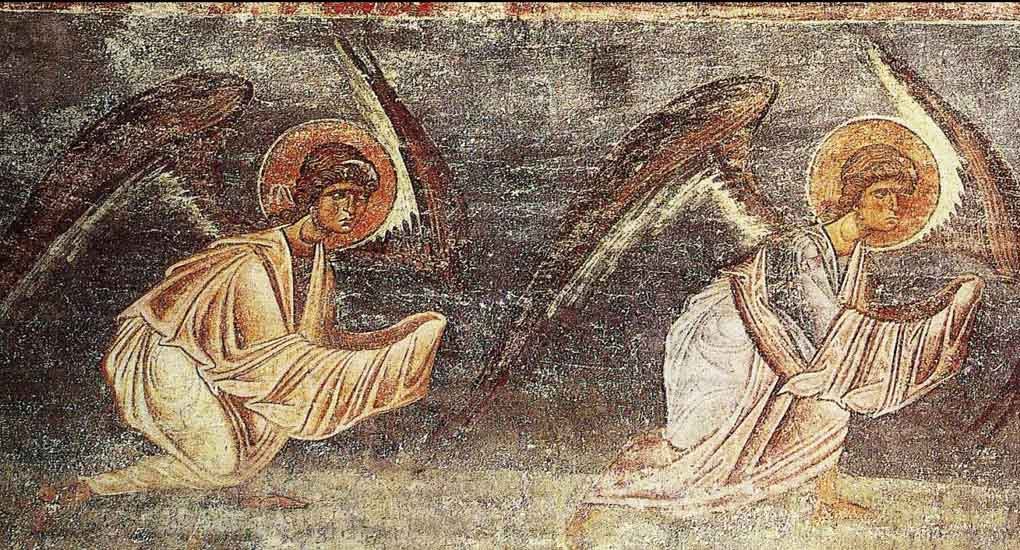
One of them said: “My name is Friday,” and the other one: “My name is Wednesday.” The Lord had sent two angels, and they saved the old woman, because no good deed is forgotten by God and brings benefit even in this life.
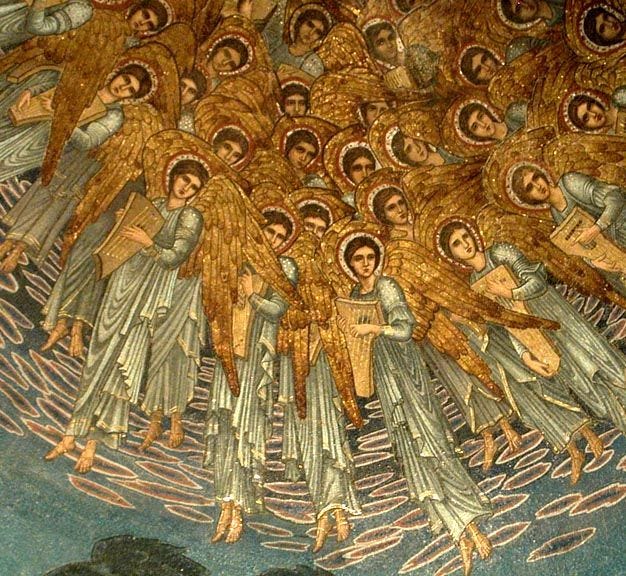
The Pious Reader would do well not to apply the strictest standards of dogmatic theology to these tales; they are best enjoyed as poems or songs - in other words, as art, rather than as scholastic theological pronouncements.
This is a reader-supported publication. If you are enjoying the posts, please share them with your friends and family! And if you are saving a lot of money by fasting on Wednesdays and Fridays, please consider gifting an angel in your life a paid subscription - it is only $5 per month ($4 if you subscribe for a year). (Of course, a subscription is not quite as useful as a cow, but neither does it cost nearly as much.)
Here, the word “mother” is a common term used to refer to a respected woman, rather than a claim of parental connection.
Similarly, an older woman calling young men “sons” is a common endearing way that older women may address younger men.
Comments
Nothing yet. Say the first thing.
Sign in to join the conversation.