As Whey Gains, Will Dairy’s Footprint Follow?
At the center of protein maxxing, whey products require energy-intensive processing and emissions-intensive milk and cheese production, with climate consequences if unchecked.

Stories + solutions for a changing world
Live Last read · last published · next check
At the center of protein maxxing, whey products require energy-intensive processing and emissions-intensive milk and cheese production, with climate consequences if unchecked.
Slashing food-related emissions needs varied strategies for different ages and countries, two new studies find.
Riverview LLP’s operations are meeting with pushback across Minnesota, North and South Dakota.
JBS and Cargill plants across the country are accused of pressuring unions into either accepting the same low wage structure, or mere nickels apart. The result? The largest meatpacking strikes and lockouts in more than four decades.
A new law should expand milk options, but USDA rules left out the non-dairy milk provisions.
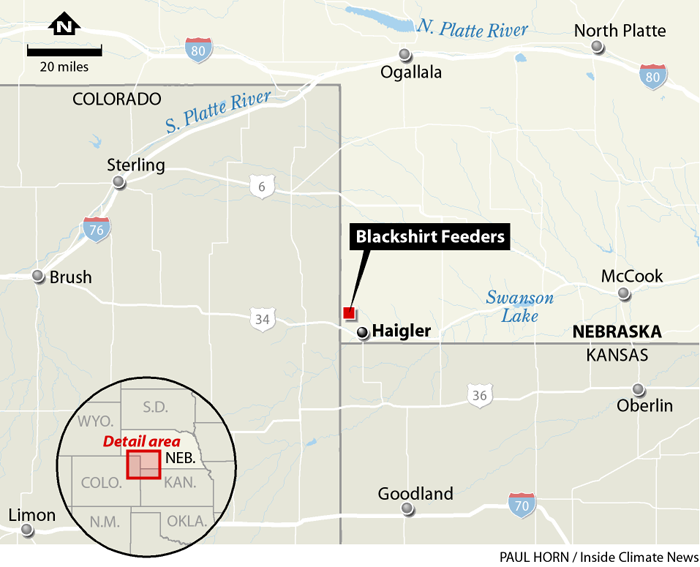
In Nebraska, Blackshirt Feeders LP is building the country’s largest feedlot for 200,000 beef cattle on a square-mile slab of concrete.
An octopus farm proposal sparked global uproar from animal welfare advocates, scientists and ordinary people – including one 9-year-old.
The rapid growth of chickens — now, 31 billion globally — has sped up pathogen evolution, boosting persistence, antibiotic resistance and spillover to humans.
If you’re looking to reduce your water impact, eating less meat is a great place to start.
Research links hurricanes and drought with increasing risks of antibiotic resistance genes, which are concentrated in manure.