
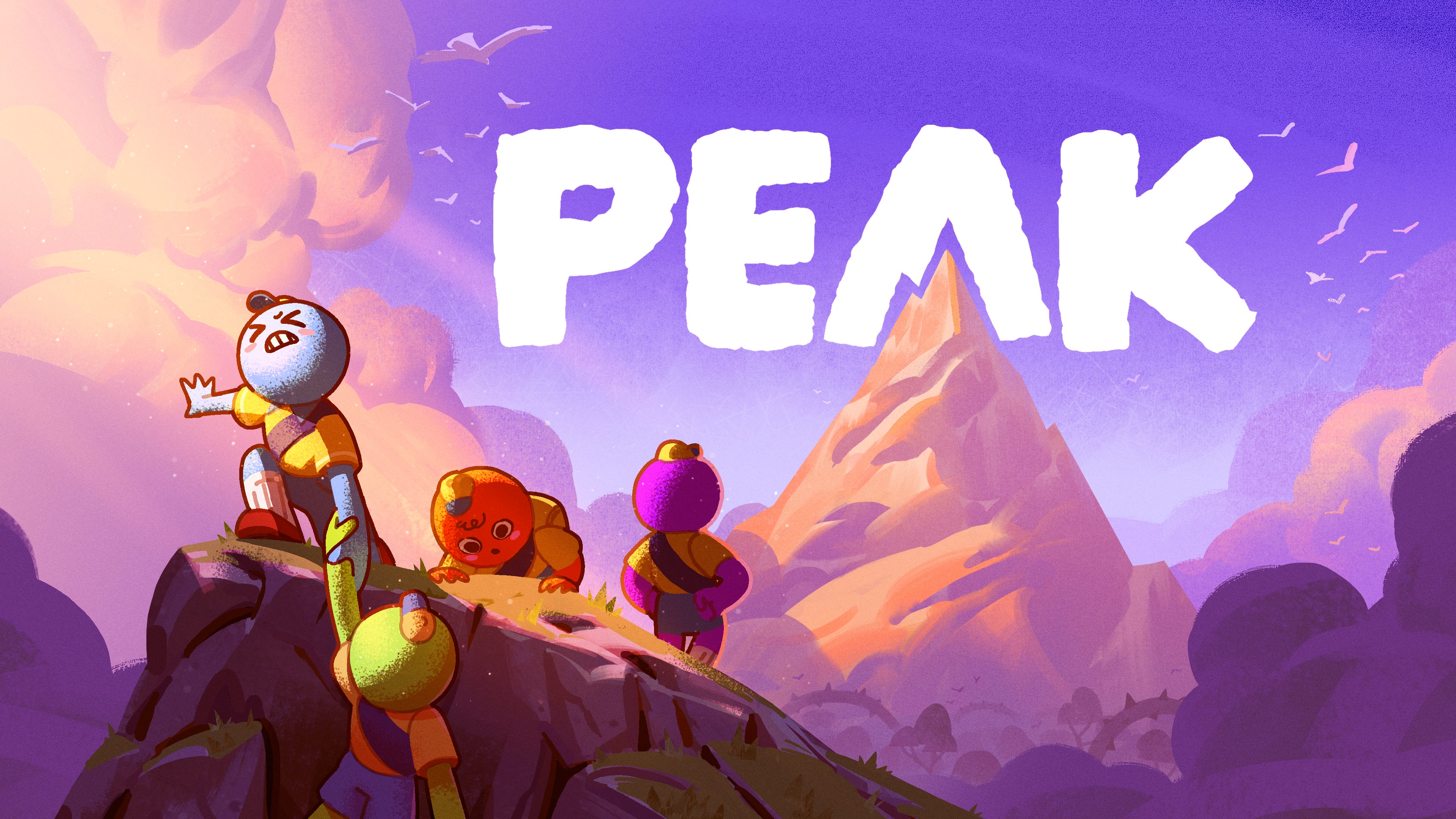
Peak’s explosive success is impressive, no doubt. A small, low-budget project built in a few weeks has turned into one of the most talked-about releases of the year. But instead of feeling inspired, I feel uneasy. Because Peak isn’t an exception. And that worries me.
Players are the ones who shape the industry, and they’re shouting something very specific, louder and louder. “We don’t want quality.” Or rather… they’re shouting “We want hype. We want more FOMO.”
Of course, that’s an oversimplification. Right now Call of Duty is dropping in numbers for the opposite reason. Maybe we’re in some kind of inverted cycle: players demand less quality and more speed from indie games, while AAA titles are expected to deliver high-quality originality.
When a cheap, fast-made game becomes a massive hit, it inevitably sparks a wave of imitation. Small studios and solo developers will chase the same formula, hoping lightning strikes twice. And the industry becomes flooded with quick wins instead of ambitious ideas.
But Peak is just one more example. Maybe a key turning point was Among Us, a game that had completely failed and then came back from the dead by pure miracle. Only to start reshaping the market.
Making a list of hits built on production values that are the polar opposite of top-tier AAA games would be easy. But extremely time-consuming, because that list would probably reach, or even surpass, a hundred titles.
Unity’s Barcelona keynote only amplified this narrative. They showcased Peak as a “look how easy it is” success story, even bringing one of the developers on stage to celebrate how fast the game came together. It’s great marketing for the engine. But not necessarily great for the medium.
As a player, these experiences don’t appeal to me. I’m not looking for something rough around the edges that only works because “everything is fun with friends.” I want more Expeditions 33 and more AAA projects with strong production values. I dont want rushed games made in weeks just to chase the next viral spike.
Let me be clear: I have nothing against this kind of game. In fact, in this particular case I’m glad to see two studios with solid backgrounds teaming up, and I’m sure they deserved far more recognition in their previous projects.
My concern is that the massive commercial success of these kinds of games could push the industry in a different direction. One where we get fewer author-driven stories and, instead, more sandboxes of every kind, where the content and the fun come from the players rather than from the game creators themselves.

The reality is that the game was made by two studios with genuinely deserving successes behind them, and because of that, creating a title like PEAK is nowhere near as simple as it might seem.
On one side we have Aggro Crab, the studio behind a souls-like starring a crab, known for Another Crab’s Treasure. The game appeared in many showcases before its release, and while I’m not sure whether it hit its financial targets, it does hold a 91% positive rating on Steam and a 7.5 on Metacritic.
The second studio involved is Landfall, which I know mainly for TABS (Totally Accurate Battle Simulator), although they’ve released quite a few titles. They hold a 96% positive rating on Steam and a 7.7 on Metacritic.
We’re definitely not talking about just anyone here, even if they aren’t Naughty Dog either.
I say all this as an indie developer myself. I make games for fun, for the craft, not to produce something shallow that might make me rich overnight. But the market incentives are shifting, and that worries me more than Peak’s success itself.
Peak doesn’t bother me because it succeeded. It bothers me because it reinforces a trend where short-term wins overshadow long-term ambition. And while there’s nothing wrong with small games, I hope the future of the industry doesn’t settle for the quickest path to profit at the expense of meaningful, memorable experiences.
If trends like Peak’s become the norm, will there still be space for the games that aim higher?
Comments
Nothing yet. Say the first thing.
Sign in to join the conversation.