
Today we lost one of those rare people who seemed almost impossible not to like.
Dolly Parton has died at 80.
Yes, she was a music legend. She wrote more than 3,000 songs, sold more than 100 million records, gave us classics like Jolene, Coat of Many Colors, 9 to 5 and I Will Always Love You, and somehow moved effortlessly between country music, pop culture, movies and business.
But Elizabeth and I find ourselves thinking today about something beyond the music.
Dolly Parton was nice.
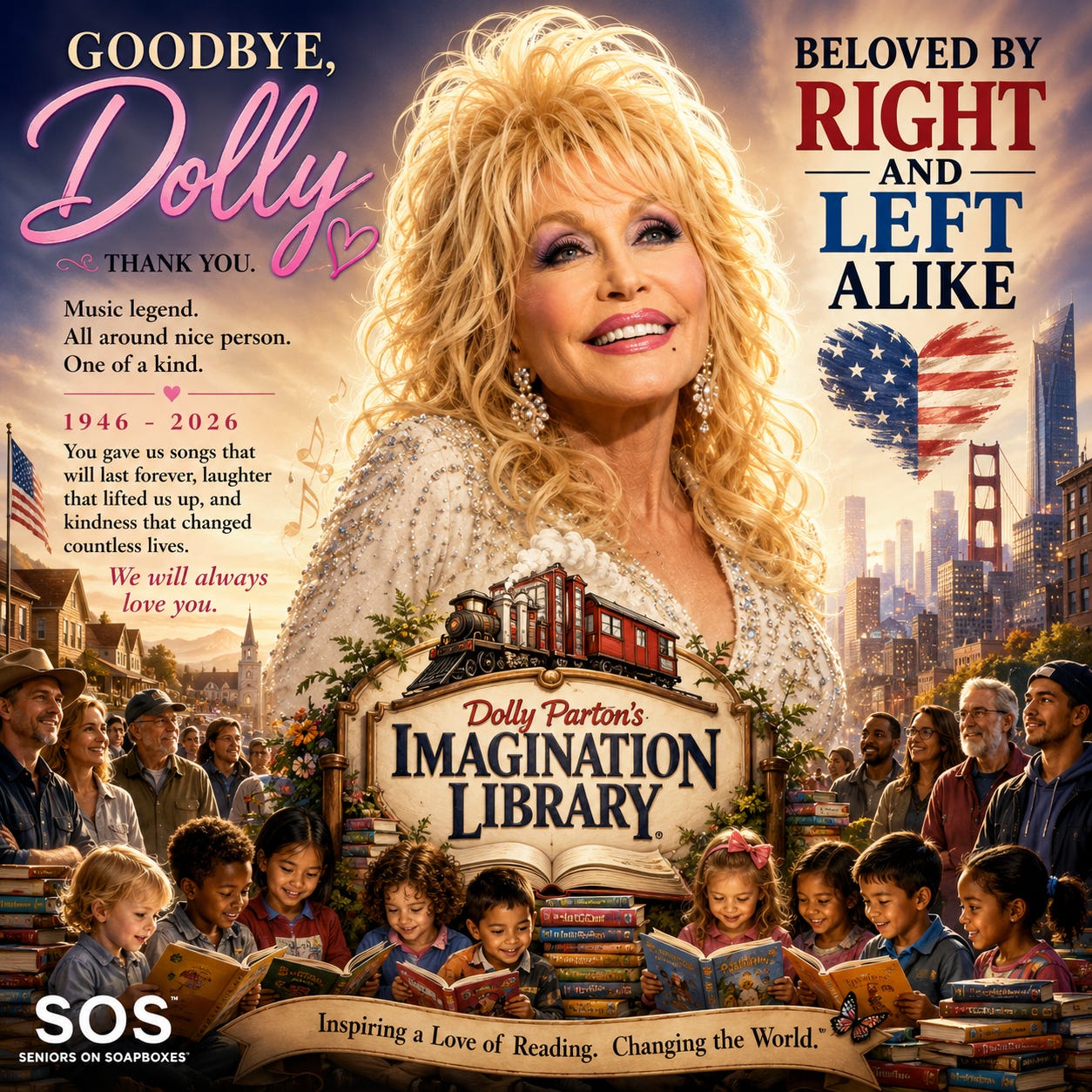
In an age when celebrity increasingly seems to require crudity, grievance, feuds and taking sides, Dolly built an enormous life around humor, class, generosity and an almost stubborn refusal to become mean.
She never seemed embarrassed by where she came from. She grew up poor in rural Tennessee, became fabulously successful, and then spent decades giving back—most famously through her Imagination Library, which has put hundreds of millions of books into the hands of children.
She could laugh at herself before anyone else got the chance. She could be glamorous without taking glamour too seriously. She could be enormously wealthy without making wealth her personality.
And somehow, in our increasingly divided America, Dolly belonged to everybody.
Maybe that’s part of why this loss feels bigger than the passing of another superstar.
Dolly reminded us that kindness doesn’t make you weak. Humor doesn’t make you shallow. Generosity doesn’t require a press conference. And you don’t have to hate half the country to stand for something.
At SOS, where we spend a lot of time talking about what the Boomer generation leaves behind, Dolly Parton leaves one hell of an answer:
Songs. Laughter. Books for children. And kindness.
And we can think of no finer tribute to this great woman than for the right and left who loved her simply getting along.
Rest well, Dolly.
— Ken Sheetz & Elizabeth England
Seniors on Soapboxes
ABOUT DOLLY
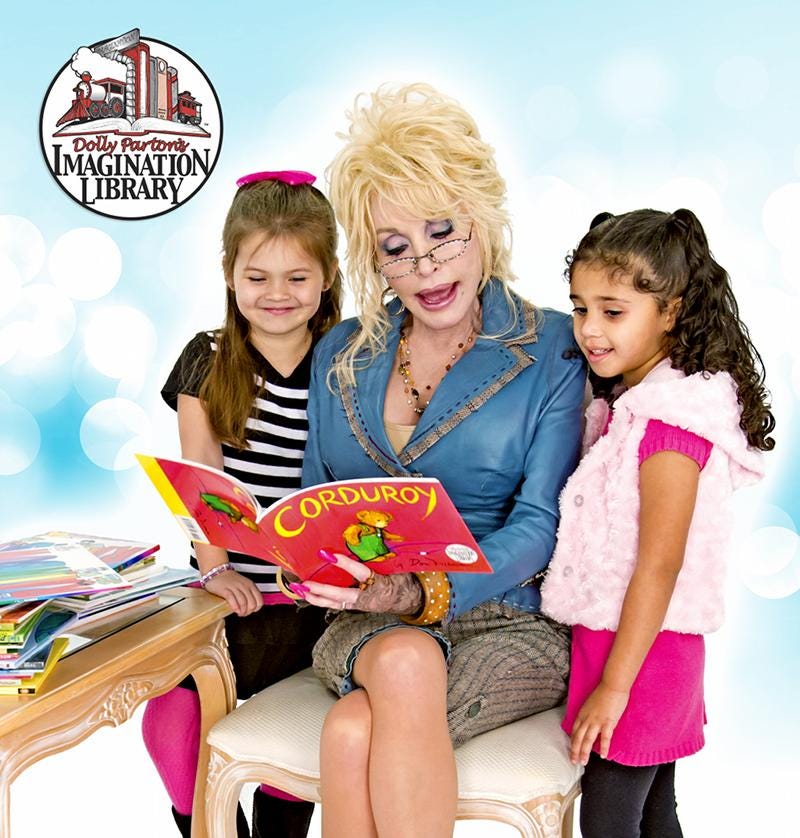
Dolly Parton lived one of the great American success stories.
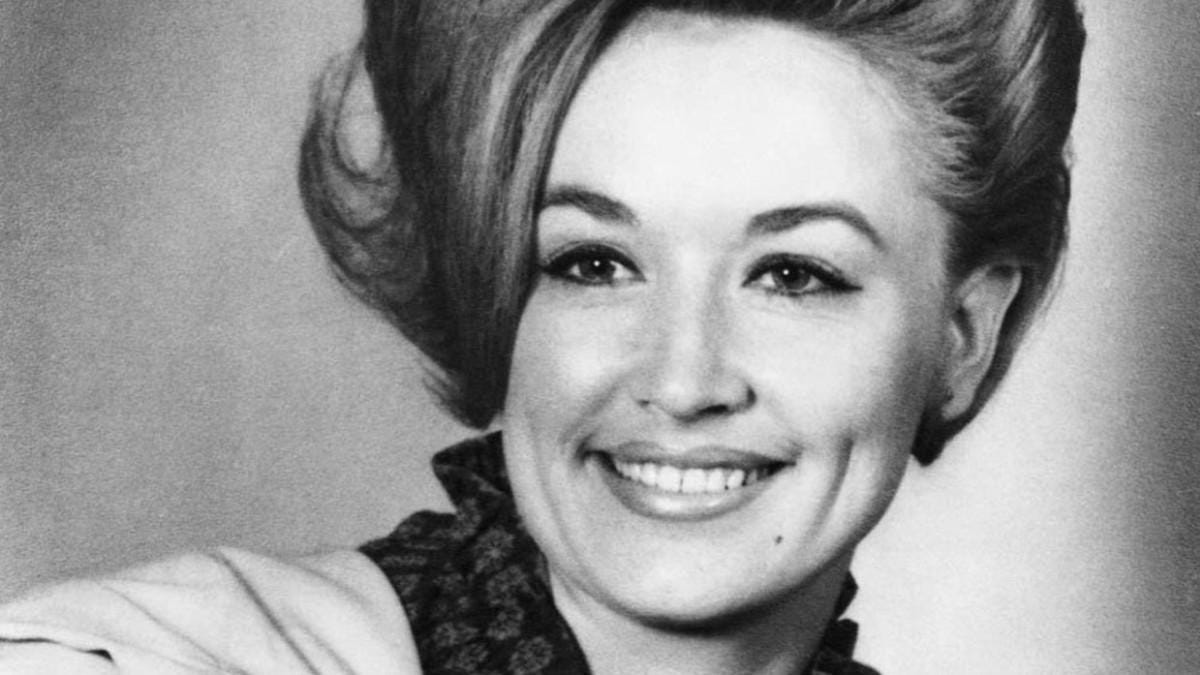
Born January 19, 1946, in a one-room cabin in rural Tennessee, she was one of 12 children in a family with very little money but plenty of music. She was performing as a child, appearing on local radio and television, and the day after graduating high school in 1964 she headed for Nashville.
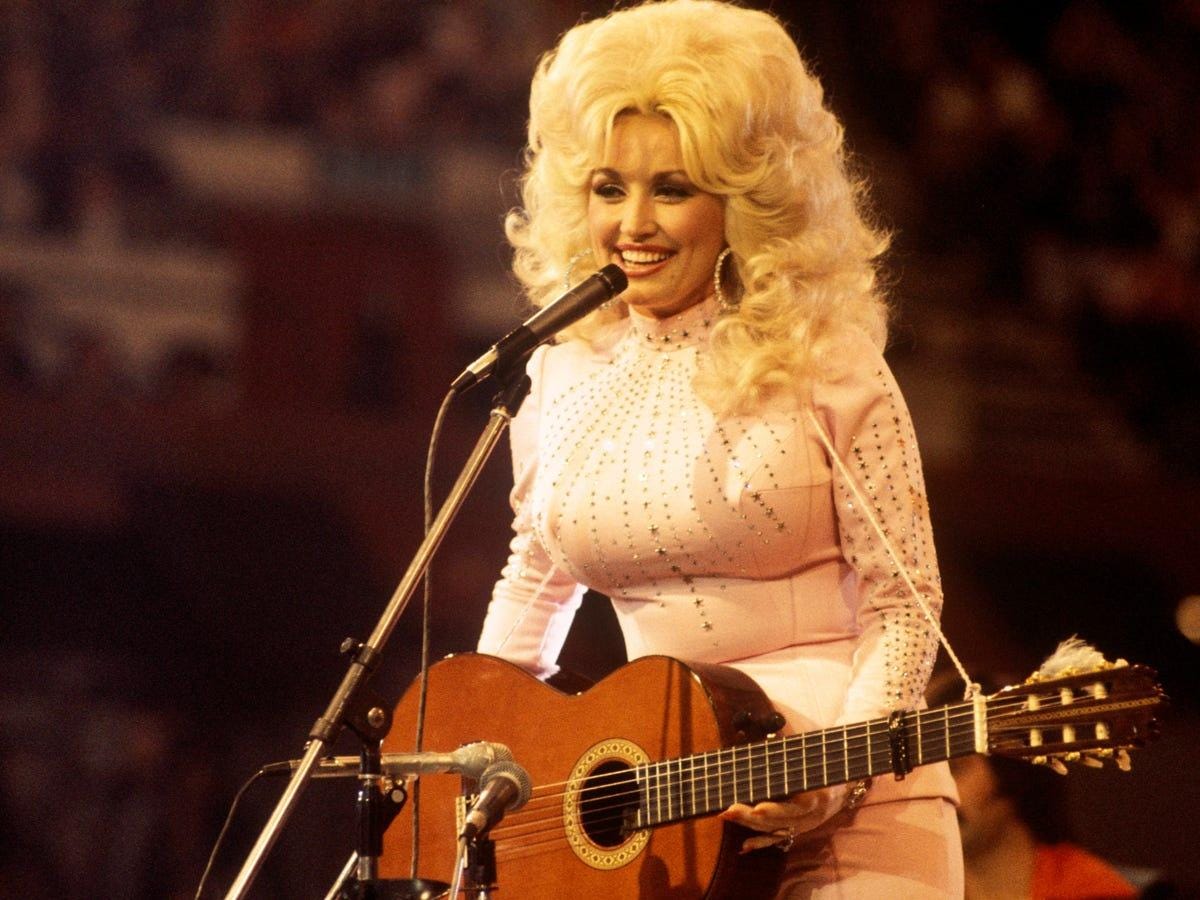
Her breakthrough came alongside country star Porter Wagoner in the late 1960s, but Dolly wanted her own career. She became an extraordinary songwriter as well as a performer, creating songs including “Jolene,” “Coat of Many Colors,” “9 to 5” and “I Will Always Love You.” The latter became an enormous hit again when Whitney Houston recorded it decades later.
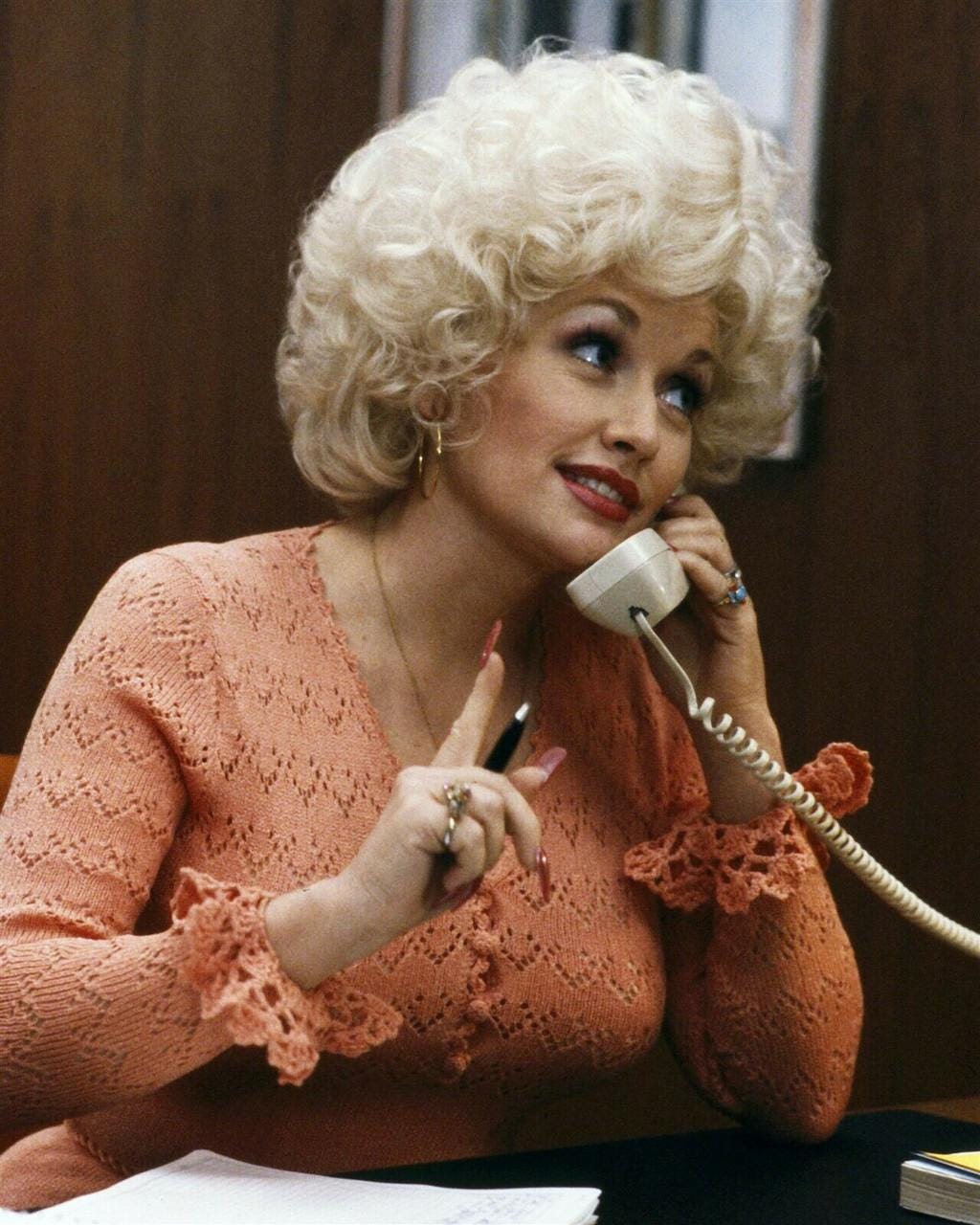
Dolly crossed boundaries that country performers weren’t necessarily expected to cross. She became a pop star, movie star, television personality, businesswoman and cultural icon. 9 to 5 made her a major film star; she later appeared in movies including The Best Little Whorehouse in Texas and Steel Magnolias. She built Dollywood in Tennessee and turned the exaggerated blonde wigs, rhinestones and curves into one of the most recognizable personal brands in the world.
But perhaps the most remarkable part of the Dolly story came after she had nothing left to prove.
She became an extraordinary philanthropist. Inspired by her father’s inability to read and write, she created Dolly Parton’s Imagination Library, giving free books to young children. What began locally in Tennessee eventually distributed hundreds of millions of books internationally.
She also supported education, medical research, disaster relief and her home region of East Tennessee. During the COVID era, her donation helped support research that contributed to the Moderna vaccine.
And through decades when America became increasingly polarized, Dolly performed a rather remarkable balancing act: she largely refused to become a partisan celebrity. People on the cultural right could see a Tennessee country girl who loved her roots, faith and family. People on the left could see a woman who championed tolerance, literacy, working people and individual freedom. Neither side completely owned her.
She was also extraordinarily good at being in on the joke. Dolly knew perfectly well that “Dolly Parton” was partly a magnificent creation. One of her famous observations was that it cost a lot of money to look that cheap. She could make the joke before anyone else could—and then walk away owning the room.
Behind all of it was a serious songwriter and shrewd businesswoman. She famously retained control of important publishing rights, including refusing Elvis Presley’s manager Colonel Tom Parker when he demanded half the publishing rights to “I Will Always Love You.” It was an enormously consequential decision.
Her marriage was another wonderfully Dolly contradiction. She married Carl Dean in 1966 and remained married to him until his death in 2025, while he spent almost their entire marriage avoiding the celebrity world surrounding his wife.
Dolly ultimately became something larger than a country star. She was part hillbilly, part Hollywood, part entrepreneur, part philanthropist, part comedian—and completely comfortable with all of those things existing simultaneously.
And that may explain why SOS call her “one of the best Boomers”.
She came from almost nothing, became spectacularly successful, enjoyed every bit of the success—and then spent a considerable portion of her life sending opportunity back down the ladder to children she would never meet.
That’s quite a life.
1946–2026. Eighty years—and an astonishing amount of joy left behind.
Created by SOS with assistance from AI.
Brought to you pay wall free by the incredible line of CoolestTechEver.com wellness tools.
Comments
Nothing yet. Say the first thing.
Sign in to join the conversation.