
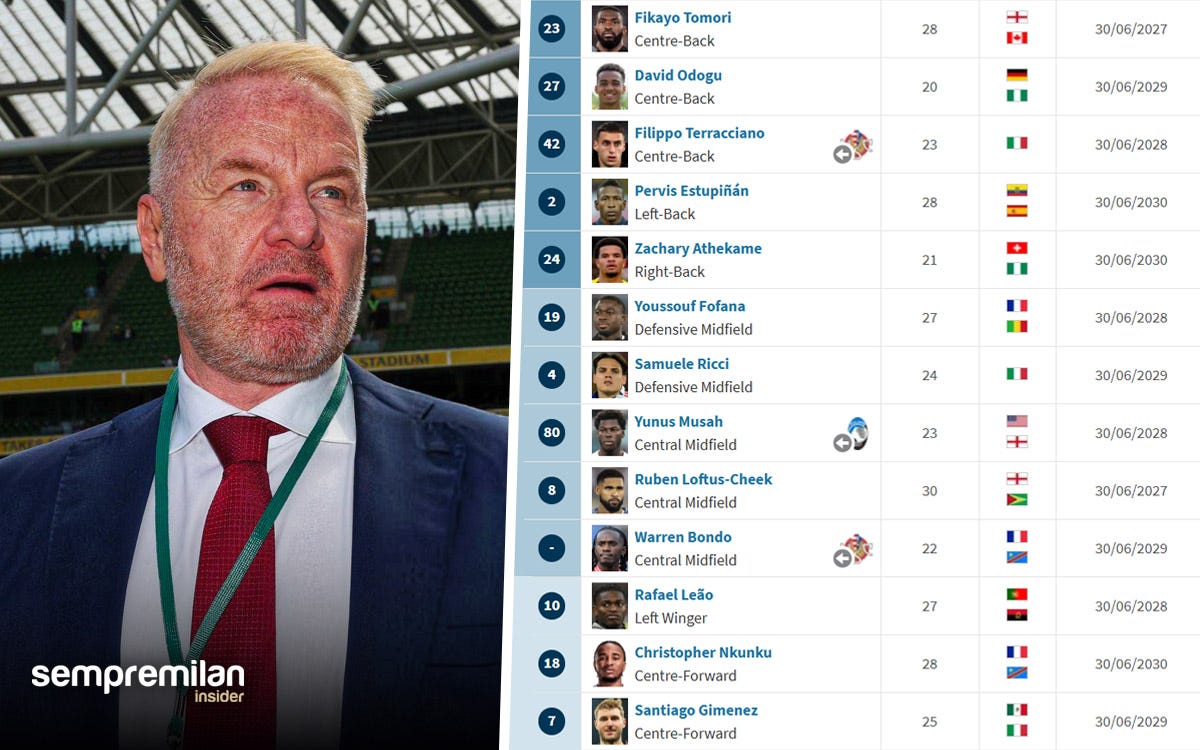
The art of selling players isn’t talked about enough. Or let me rephrase: the art of selling players isn’t talked about enough in general. As AC Milan fans, it’s something that we have discussed a lot in the last ten years or so, and it has been picked up once again this summer due to the current situation.
At the time of writing, a little over two weeks remain until the end of the transfer window. Given that it started at the beginning of July, i.e. six weeks ago, this should really be a period for the ‘perfecting’ business. Perhaps getting that signing you have worked on for weeks, or finally finding a new destination for one of your players.
For the Rossoneri, however, it feels like everything will happen in this period. Granted that the biggest issues were solved with Mario Gila and Goncalo Ramos earlier on, as far as the incoming front is concerned anyway, there are over ten sales (!) to make if everything lines up as they want it.
I’ll say that again: OVER TEN SALES. Some will leave on loan, so maybe I should change the word to departures, but it sounds more dramatic the other way, right? And a dramatic effect is exactly what I’m after here, because it cannot be overstated how difficult it is to sell that many players in such a short period of time, let alone to do it well.
Note: I didn’t add a short version this time as I felt the article was hard to summarise without losing nuance.
Last summer, Igli Tare pulled Milan out of their chronic inability to sell properly, parting ways with an impressive 17 players during the summer. That even excludes those who left because of expiring contracts, and most importantly, the former sporting director managed to bank a lot of cash in the process.
€20m for Noah Okafor. €36m for Malick Thiaw. €19m for Alex Jimenez. €25m for Theo Hernandez (with an expiring contract). That is the art of selling. Sure, some of the players who left on loan with an option perhaps didn’t pan out as nicely, but Milan did still bank cash in those instances thanks to loan fees and wages covered. It helped make up for a lack of Champions League revenue without a doubt.
As I said earlier, it’s not like Milan have been great at monetising their departures in the past. Sandro Tonali was the first big sale in a very long time, surpassing the €30m mark for the first time since Thiago Silva (€42m) in 2012. At least if we exclude Leo Bonucci’s move back to Juventus, because that was more a trade than anything, with Mattia Caldara going the other way (sigh).
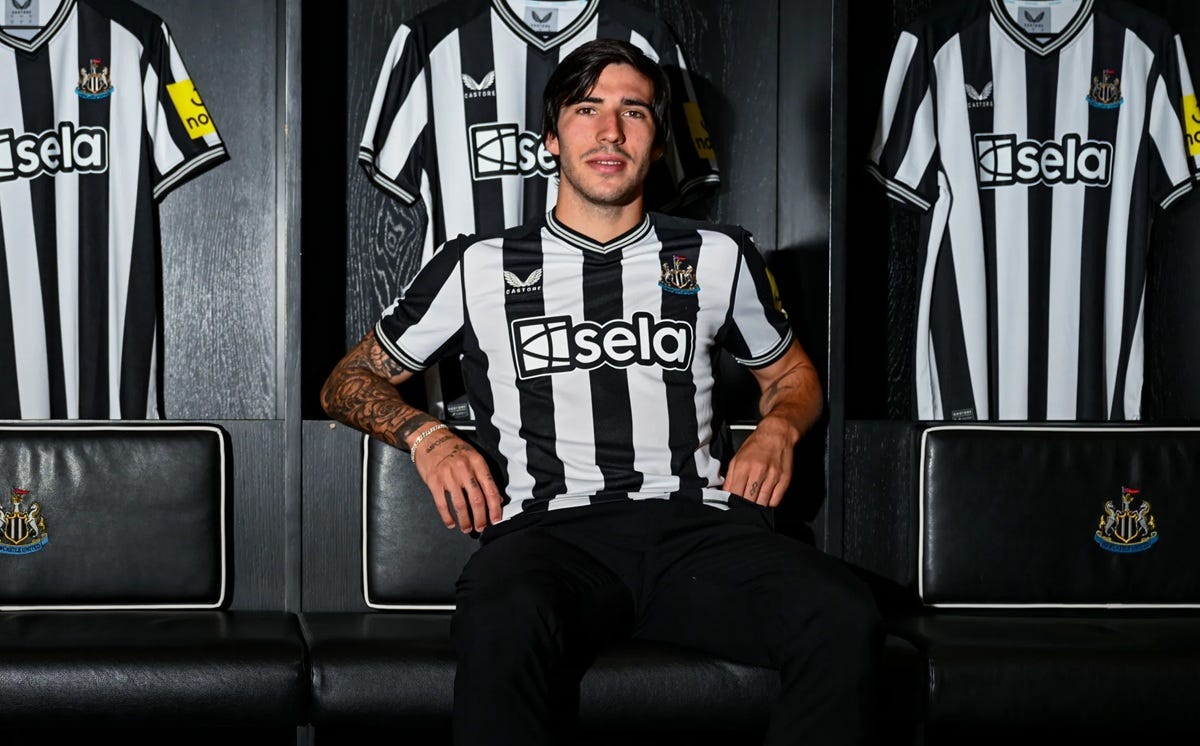
With that background in mind, it’s fair to say that the sale of Tonali changed something. It was as if we all went “oh, are we that type of club?”. An eye-opener not just for the fans, but also the Milan management. Registering a capital gain wasn’t just a myth after all, or something that only Juventus could do thanks to shady business!
This came with mixed reactions, as you would expect, but both sides of the coin are true. 100% you should see it positively, because it means that Milan can actually nurture and create value to sustain themselves in today’s football ecosystem. 100% you should also see it negatively, because it means parting ways with likeable (or at least quality) players.
Thankfully, there is a middle ground that doesn’t necessarily result in just selling your star players. With enough medium sales, say in the €20m region, you can come a long way. That is exactly what Tare managed to do last summer. Thiaw ended up in another bracket but still strengthens my point: if you are good at selling, you can collect a lot without instantly upsetting the fans.
Comments
Nothing yet. Say the first thing.
Sign in to join the conversation.