
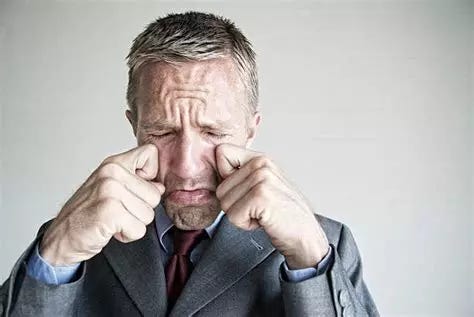
Some of the most difficult people to recognize are not the loud narcissists. They are not openly arrogant or obviously self-important. Instead, they appear wounded, misunderstood, and endlessly mistreated. They tell stories of betrayal, unfairness, and persecution that invite sympathy almost immediately.
This is sometimes called vulnerable narcissism or covert narcissism in psychology. While these individuals may genuinely experience emotional pain, their sense of victimhood can also become a way of maintaining a fragile self-image and avoiding accountability.
Understanding this distinction is important. Not because everyone who feels like a victim is narcissistic, but because confusing the two can lead to unhealthy relationships.
Everyone experiences injustice. People are hurt by family, partners, employers, friends, and institutions. Genuine victims deserve compassion, support, and validation.
The difference lies in the pattern.
Someone who has been victimized can usually reflect on their experiences with nuance over time. They may acknowledge complexity, recognize their own mistakes, and ultimately seek healing.
A narcissist who presents as a perpetual victim rarely reaches that point. Every conflict reinforces the same narrative: I am innocent, and everyone else is to blame.
Their stories may change, but the roles remain fixed.
At the core of narcissism is an unstable sense of self. Many psychologists believe that beneath the grandiosity—or in vulnerable narcissism, beneath the insecurity—is a deep sensitivity to shame.
Admitting fault threatens that carefully protected identity.
Instead of saying:
“I made a mistake.”
The narrative becomes:
“People are attacking me.”
Instead of asking:
“How did I contribute to this conflict?”
The question becomes:
“Why does everyone always treat me so unfairly?”
Victimhood becomes psychological armor. If every criticism is abuse, then no criticism has to be examined.
People who rely on victimhood as a defense often display recurring behaviors.
They rewrite conflicts so that their role is minimized while everyone else’s wrongdoing is magnified.
They seek sympathy more than solutions. Conversations repeatedly circle back to how badly they have been treated rather than what could change.
They collect allies by sharing selective versions of events, hoping others will validate their perspective.
When confronted, they may accuse others of being cruel, insensitive, or abusive simply for setting reasonable boundaries.
Perhaps most strikingly, they often appear to be surrounded by an unusually high number of “toxic” people. Every former friend, partner, coworker, or family member eventually becomes another chapter in the same story.
One difficult relationship can happen to anyone.
Dozens of nearly identical stories invite a closer look.
One hallmark of this pattern is the inability to separate disagreement from persecution.
Healthy people may dislike criticism, but they can often sit with discomfort and consider whether some of it is true.
Someone locked into a narcissistic victim identity often experiences even gentle feedback as a personal assault.
A simple statement like:
“That comment hurt my feelings.”
may be answered with:
“You’re attacking me!”
The original issue disappears.
The focus shifts to comforting the person who was being confronted.
These individuals often expect enormous emotional support from others.
They want people to listen, validate, reassure, defend, and rescue.
Yet when someone else is hurting, their empathy may suddenly become limited or non-existing.
Another person’s pain is redirected back toward themselves.
A friend’s difficult day becomes an opportunity to explain why they have suffered even more.
A partner’s disappointment becomes evidence that they are being unfairly criticized.
The emotional spotlight rarely moves.
Many vulnerable narcissists do not appear confident at all.
They may seem anxious, depressed, insecure, or deeply sensitive.
This can make it difficult to recognize unhealthy dynamics because compassion naturally arises toward someone who appears wounded.
The challenge is remembering that vulnerability and manipulation can coexist.
Someone can genuinely feel hurt while also using that hurt to avoid responsibility, control relationships, or maintain a preferred narrative.
The emotional pain may be real.
The behavior can still be harmful.
If you encounter someone who consistently presents themselves as the victim, resist the urge to become either their rescuer or their judge.
Instead, pay attention to patterns:
Do they ever acknowledge mistakes without immediately explaining them away?
Can they tolerate boundaries without portraying themselves as persecuted?
Do they show the same compassion they expect from others?
Are conflicts eventually resolved, or do they become permanent evidence of betrayal?
Healthy relationships require mutual accountability.
Without it, empathy becomes one-sided, and compassion slowly turns into emotional exhaustion.
Not everyone who talks about trauma, hardship, or injustice is narcissistic. Many people carry genuine wounds and deserve understanding.
The warning sign is not the presence of suffering. It is the absence of accountability.
When every disagreement confirms innocence, every critic becomes an enemy, and every relationship ends with someone else taking all the blame, victimhood may no longer be a description of experience.
It may have become an identity.
Recognizing that difference is not about becoming less compassionate. It is about directing compassion wisely—toward others, and toward yourself.
My book: Human Development and Trauma: How Childhood Shapes Us into Who We Are as Adults
Share and subscribe for more!
No posts
Comments
Nothing yet. Say the first thing.
Sign in to join the conversation.