
Nina Raj, founder of the Altadena Seed Library addresses seed library projects, community engagement, and recovery since the Eaton Fire in January 2025.
Nina moved to LA in 2008 for her undergraduate education at UCLA. Years later, she settled in north Pasadena and rewilded her front and backyard. Between the native plants in her own yard and her involvement as a Docent at Eaton Canyon Nature Center, she found herself with an abundance of seeds. In 2022, she built a small seed library and placed it in front of her house, packing up the seeds for her neighbors. The project began to grow as friends and neighbors requested libraries of their own.
Altadena Seed Library approaches seed access in a way that positions seeds as mutual aid, prioritizing accessibility over control of resources, all with the goal of promoting and sustaining native biodiversity. In an age of increasing questions around privacy and security, Nina’s model requires no data collection, no tracking and no-sign ups to get involved.
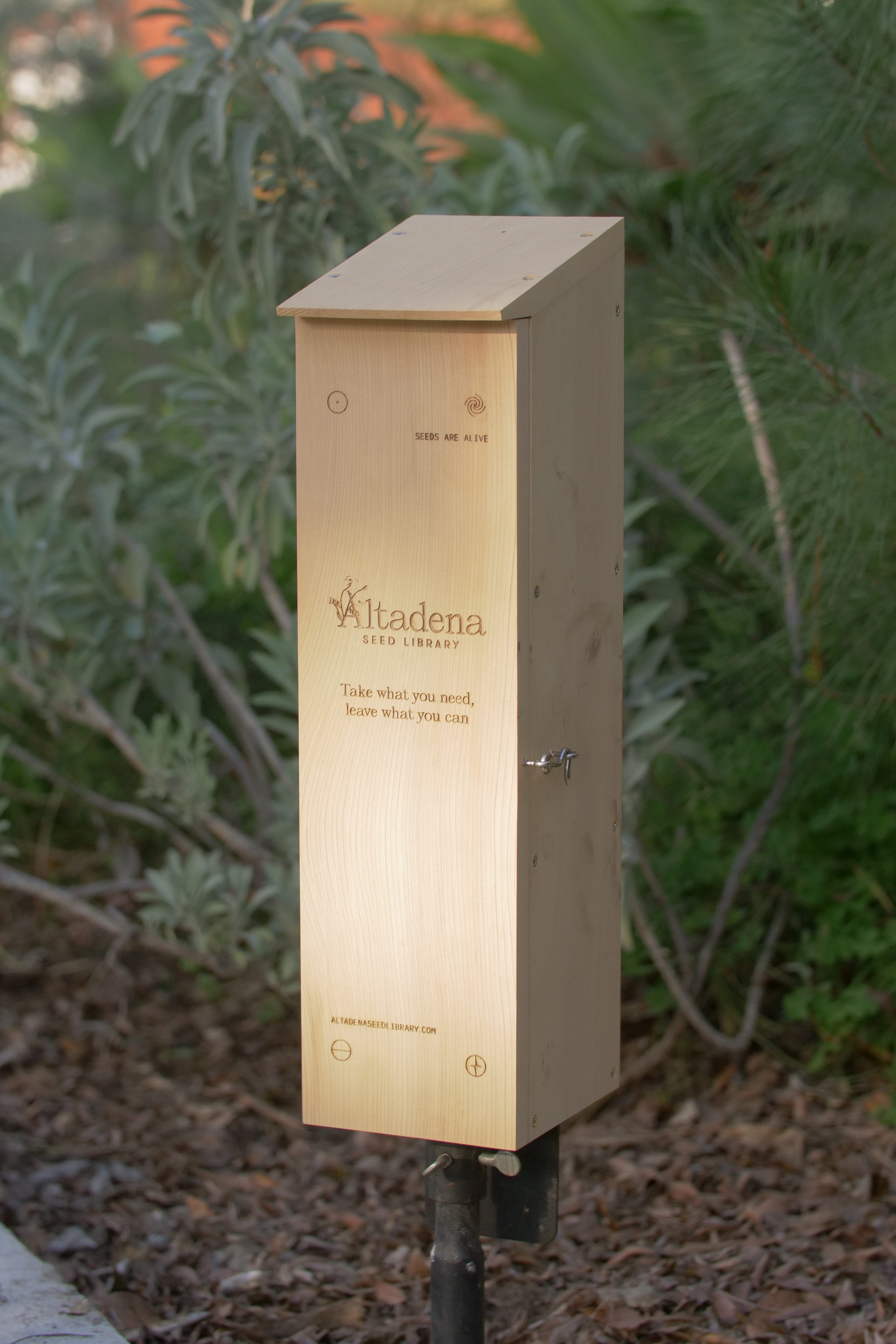
Altadena Seed Library today has over 30 outposts around Los Angeles, with some adopting the model and outpost design in other states in the US as well. The outposts are mainly stationed in yards, community spaces, and businesses centered around wildlife preservation and increasing access to nature. Alongside the physical access to seeds, an even bigger part of the library’s work is focused in community engagement and participation, Nina teaches workshops that make the ecosystem-level work of the organization accessible to the community.
Nina hosts 3 main types of workshops, those focused on plant processing and packaging, collection, and germination. I asked about smoke scarification and how they demo these processes, especially as public sentiment towards fire can be one of fear in places like Southern California where fire is seen as more of a destructive force than one that can benefit the landscape. Good fire has been used for centuries though by Native American communities to restart ecological succession and promote the growth of culturally valuable plants. Nina finds that “it’s a self-selecting group. And.. that people are more eager to, pun intended, to rekindle their like relationship to fire. Especially in the wake of something scary, like these massive fire(s) that we’ve had.”
Community seed libraries like Altadena Seed Library prioritize community stewardship and accessibility over institutional control, while promoting respect for wildlands. Nina especially warns of the difference between seed saving in wild spaces, as opposed to in urban communities focused on biodiversity enhancement: “I try to be very careful about where seeds come from, and where they go; I think there’s a well-intentioned but misguided approach that implicitly endorses collecting or scattering seeds on hikes or in natural areas, which I think is quite damaging. So I try to talk a lot about the difference between the seed library work that we’re doing in urban or residential areas versus the conservation seed banking work that’s being done in wild areas to conserve those ancestral plants and wild genetics.”
As with any community organization founded and still guided by one person, Nina faces funding struggles and coordination of volunteer days and workshops. The emphasis Nina puts on community engagement and specifically accessibility is what makes this library stand out. “As the project has evolved, I’ve started to feel more and more strongly that I want my approach to be rooted in community stewardship and autonomy.” This guiding principle for Nina has allowed the community to find comfort in one another in the wake of the Eaton Fire.
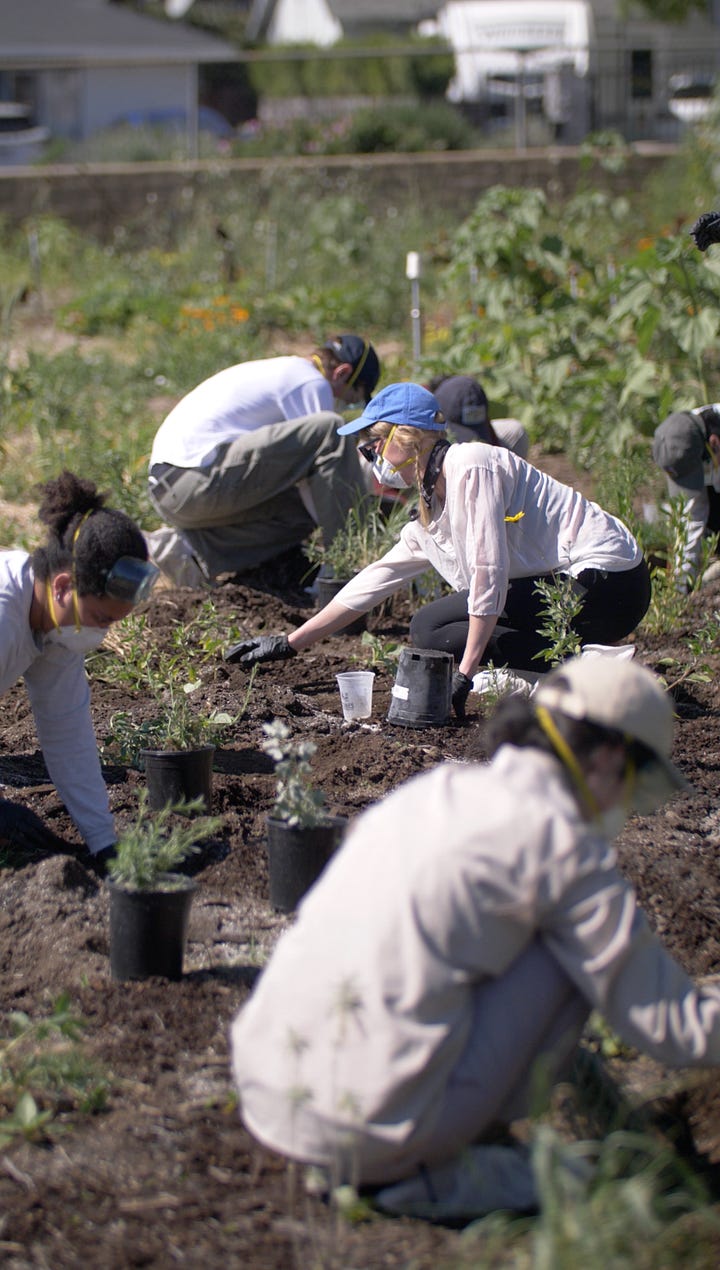
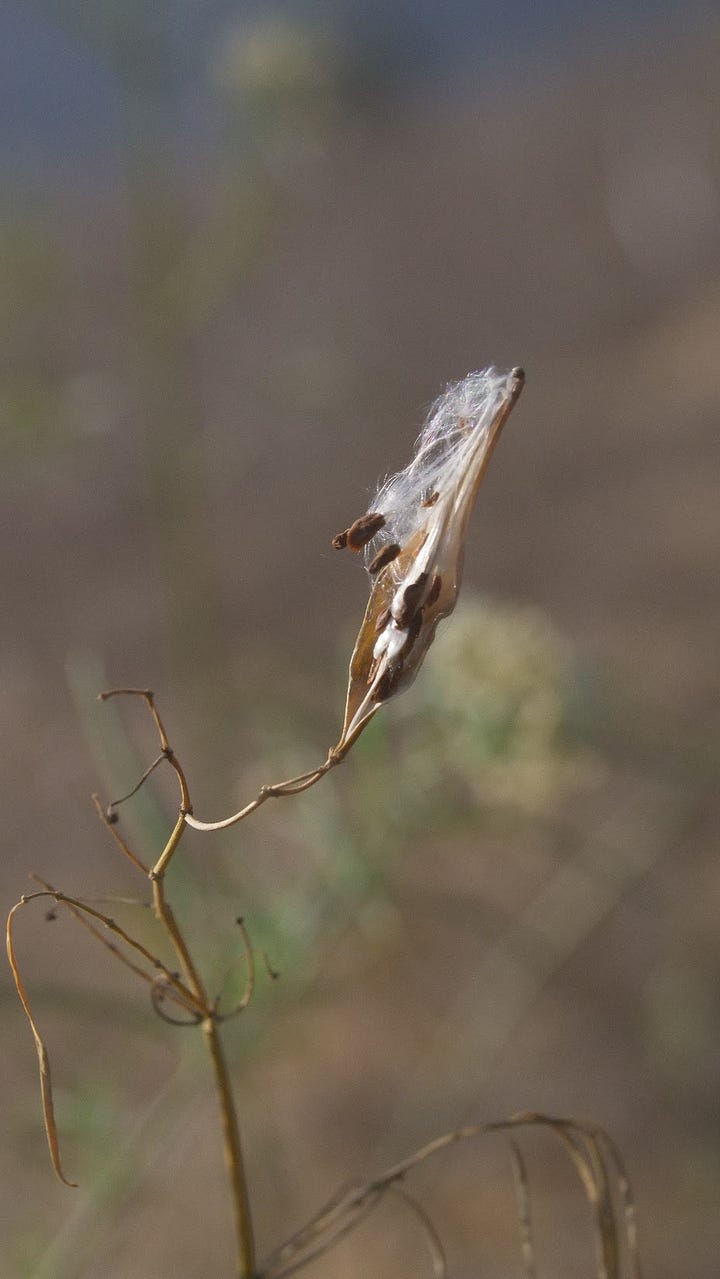
In the future, Nina hopes to introduce a decentralized seed banking model into local nature centers, a project that would be focused more on wildland conservation and long-term seed storage, while continuing to distribute and facilitate seeds in urban areas.
To any aspiring seed librarians reading this, Nina is a phenomenal example of someone who is guided by the needs and desires of the community. If you’d like to check out more of the incredible work done by the Altadena Seed Library, deep dive into their website here. We also feature Nina’s library and model on the Native Seeds Library’s page of our website.
To any Native Seed librarians that would like to get into contact with Nina and the library, reach out at this email address: hello@altadenaseedlibrary.com.
We are happy to have a few Auto Seed Wrappers for different bioregions to support communities in stewarding and sharing native seeds. Here is a guide created by the Ottawa Wildflower Seed Library and their Ethical Harvesting Policy.
These are not exhaustive lists of native plants, but a list of about 2 dozen seeds that seed librarians in those areas recommended as ones that would be easy for people to propagate. Note that we are a 100% volunteer organization so we would be happy to support folks with the tools to do this in their area, but can’t do the creation of more. However, if you create one, we would be delighted to share it out so that others can benefit. If you are interested in building out an Auto Seed Wrapper for a different bioregion, please let us know so we can share it with others. We can be reached at hello@seedlibrarynetwork.org.
If you missed the Sustaining a Seed Library Conference, the video and resources are now available on our website on the Conferences tab. Check out the link above the video to access the slideshow and all of the resources mentioned in the presentations. NOTE: All Seed Library Network conferences are also posted here.
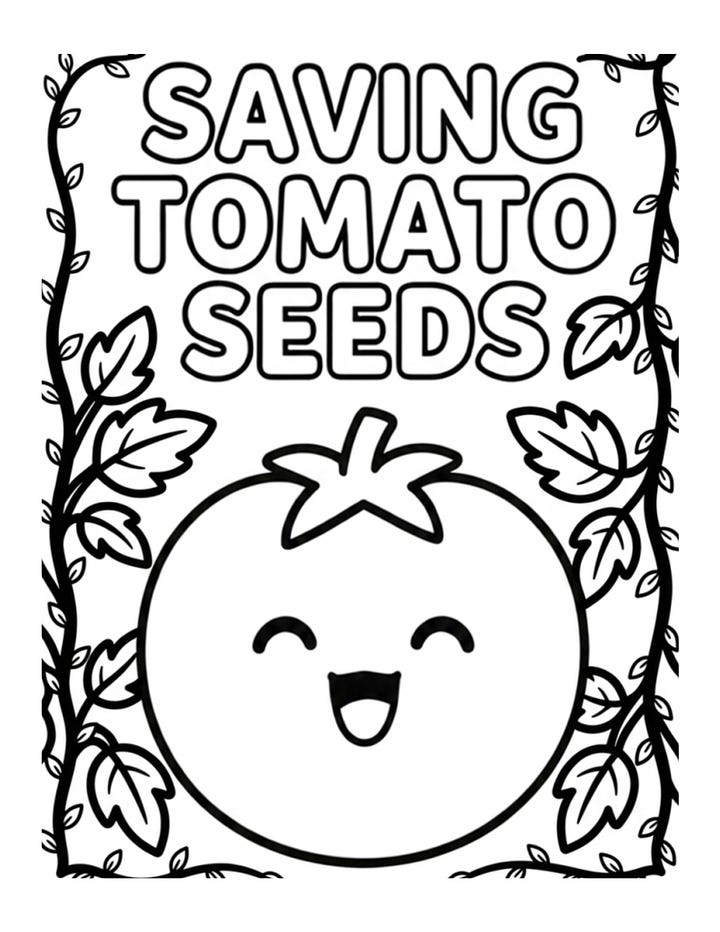
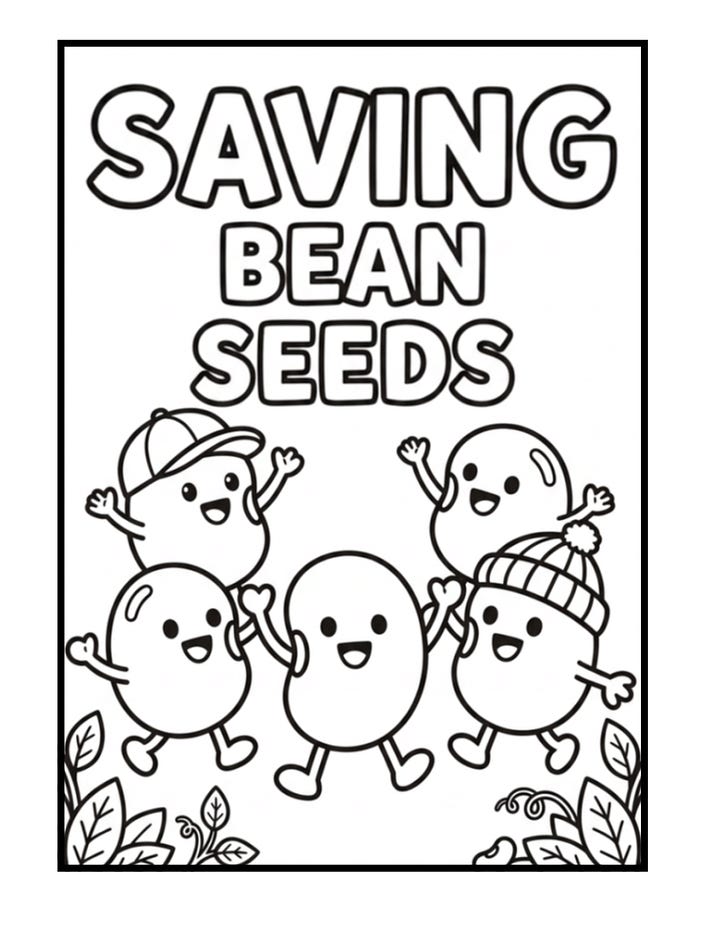
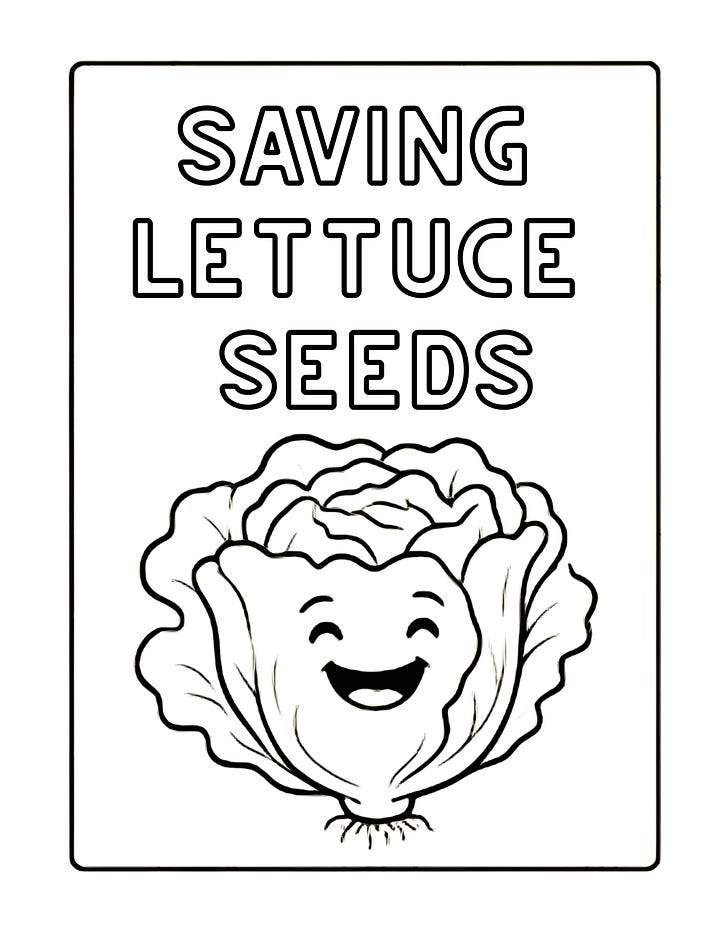
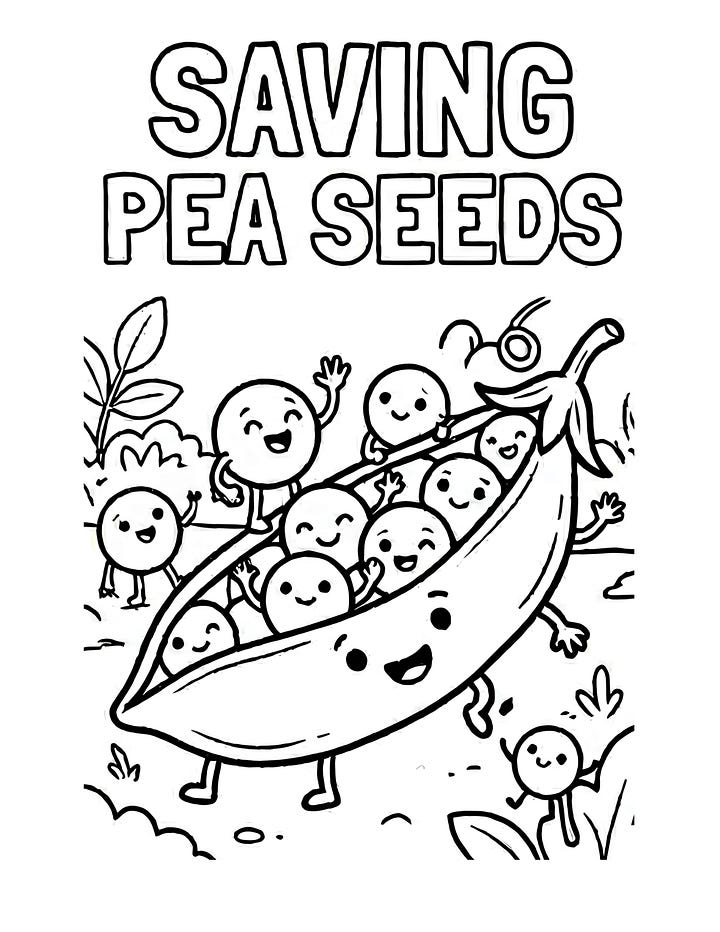
In our last edition, we featured our coloring books and explained that you can edit them yourselves from our Seed Saving with Kids page. A few people mentioned that they were having difficulty printing the files from Canva so you can now access the PDFs on the page. These can be used as part of a garden-themed story time or for schools or parents who want to engage their kids in full cycle gardening.
Comments
Nothing yet. Say the first thing.
Sign in to join the conversation.