Why Security Is Becoming a Core Civic Design Strategy
A new generation of civic buildings is proving that thoughtfully integrated security makes public spaces more welcoming, more efficient, and more worthy of the communities they serve.

Security Info Watch provides breaking news, market analysis and product information for security executives, integrators, consultants and manufacturers. The website is also home for Security Business and Security Technology Executive magazines.
Live Last read · last published · next check
A new generation of civic buildings is proving that thoughtfully integrated security makes public spaces more welcoming, more efficient, and more worthy of the communities they serve.
Traditional access control systems focus on authentication and compliance but often overlook the people who interact with them. By making the secure choice the easiest choice, organizations can reduce risk, improve user adoption, and eliminate common security workarounds.
In this installment of the “Real Words or Buzzwords?” series, operationalizing security technology takes center stage as the key to turning individual functions into adaptable, dependable organizational security capabilities.
An AI detection system in one district identified six real firearms, while a similar system in another district mistook a bag of chips for a weapon and brought police in with guns drawn. As AI threat detection spreads through K-12 security faster than anyone can evaluate it, the answer from the people building and deploying the technology is more layered than any single case would suggest.
As autonomous AI agents gain broader access to enterprise systems, security leaders are recognizing that identity and prompt filtering alone cannot prevent misuse. Drawing on research from Anthropic, Zero Trust experts, and real-world deployments, this analysis explains why runtime containment, behavioral enforcement, and least-privilege controls are becoming the foundation of AI agent security.
Every credential swipe, denied entry, and after-hours access event tells a story.
An emerging vision for access control argues that legacy hardware architectures are reaching their limits, making way for IP-native, software-driven systems.
As cloud-native infrastructure, AI agents, and machine identities redefine the enterprise, legacy privileged access models create unnecessary risk. Unified Privileged Access Management (PAM) replaces static credentials with just-in-time, ephemeral access, reducing attack surfaces while enabling secure, high-speed operations across hybrid and multi-cloud environments.
Eric Yunag of Convergint argues the greatest opportunity for AI in physical security lies not in deploying more tools but in connecting the ones organizations already have.
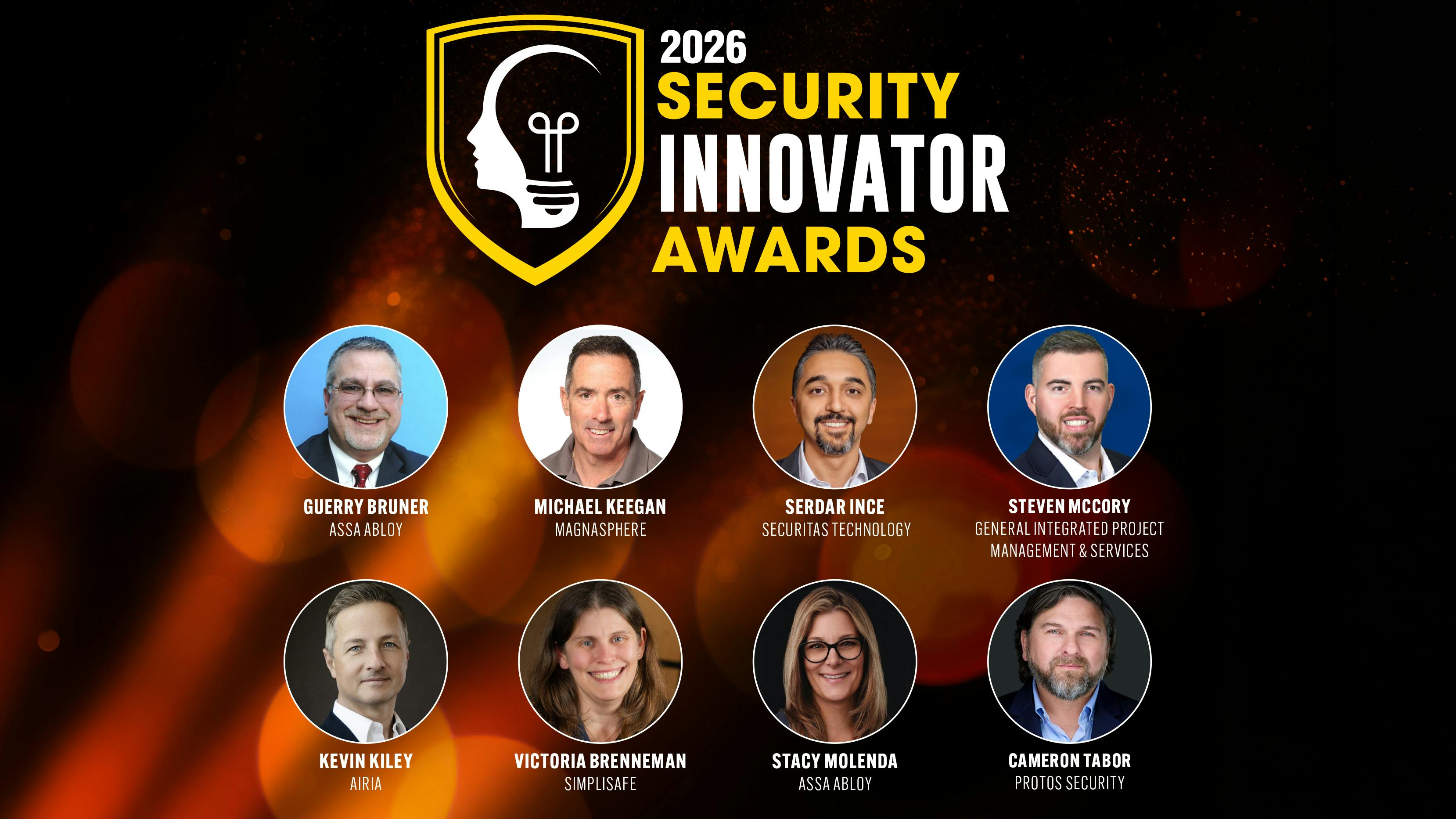
Read about each of the 63 innovative security professionals who were nominated by their peers.