
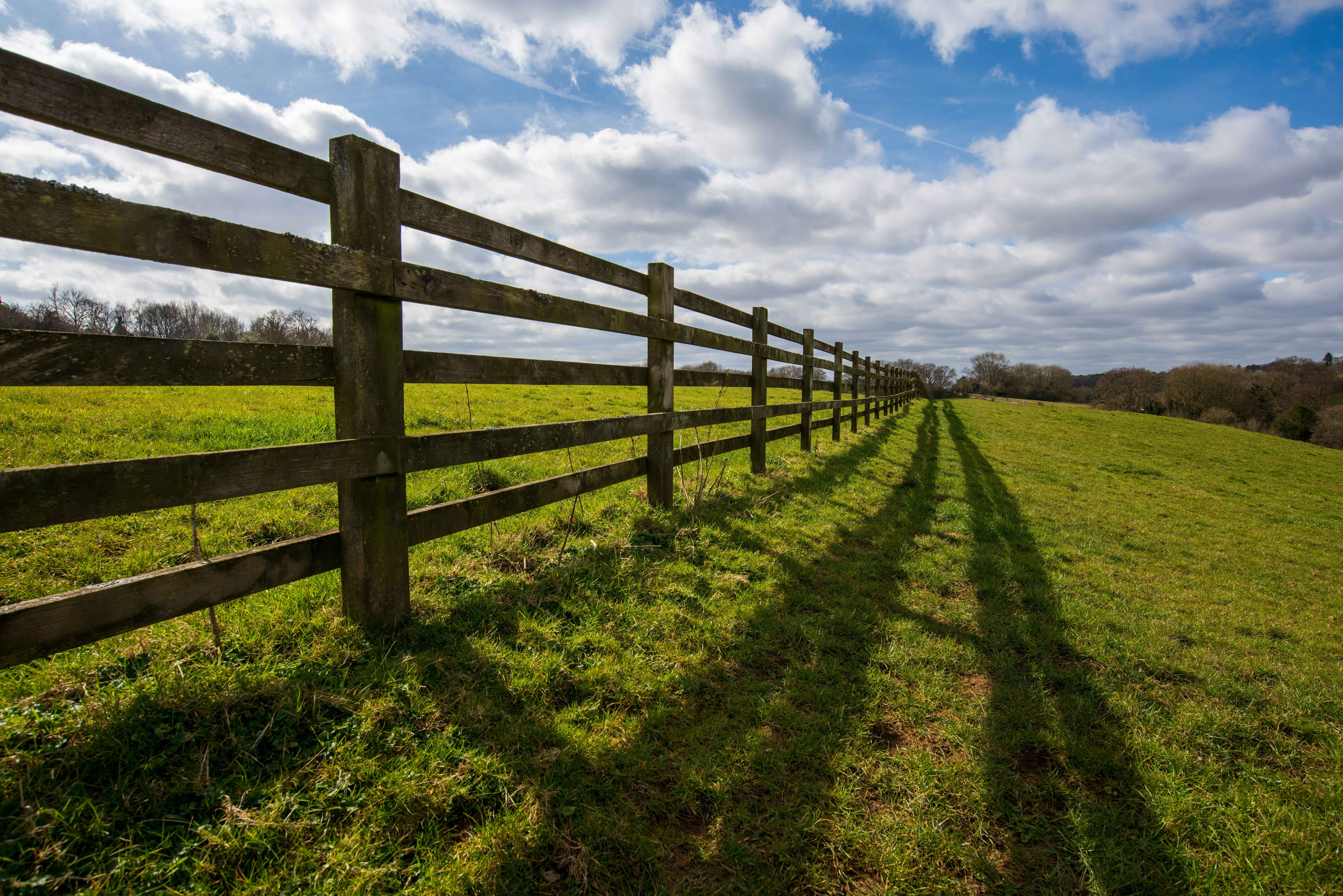
One proverb that I often find myself repeating is: “Don’t tear down a fence unless you know why it was put up.”
This may be a folk proverb, or it may be a paraphrase of author G. K. Chesterton, one of my favorite essayists, who wrote in his book The Thing:
There exists in such a case a certain institution or law; let us say…a fence or gate erected across a road. The more modern type of reformer goes gaily up to it and says, “I don’t see the use of this; let us clear it away.” To which the more intelligent type of reformer will do well to answer: “If you don’t see the use of it, I certainly won’t let you clear it away. Go away and think. Then, when you can come back and tell me that you do see the use of it, I may allow you to destroy it.”
In other words, if something seems pointless to us, it may be indeed be pointless—but probably it isn’t, and the reality is that we just don’t know enough to understand the point of it. If we don’t understand why a fence is there, we won’t understand the consequence of taking it down.
Here’s the story of something that happened to me, that illustrates this Secret of Adulthood.
After college, I went on a hiking trip in Alaska with the National Outdoor Leadership School. I went with a guide and a small group of people—there were about twelve of us—for a month of backpacking in the Talkeetna Mountain range of Alaska.
It was a very rigorous trip, and we had a very specific list of the equipment we needed to bring or rent—the right kind of hiking boots, the right kind of rain gear, the right kind of pack, and so on. On the day before our departure, with each one of us, our guides went through our equipment very carefully, to make sure we had everything we needed.
Now, it was great to have all this useful equipment, but it was heavy. Plus among the group we also had to carry tents, cooking equipment, food, and so on. The night before we left, I weighed my pack, and it weighed sixty pounds, and I knew I’d be hiking with it, up and down, all day long. This pack was so heavy for me, in fact, that I had to learn a special technique to lift it into place on my back.
The morning of our departure, we packed up and started on the trail in a remote area. That night, it emerged that one of our group had decided to leave some of her equipment behind. She wanted to lighten her pack, so at the last minute, without telling the guides, she took out some of her wet-weather gear, which she figured she didn’t need, given all the other wet-weather items she was bringing.
Rather than say to the guide, “Hey, I’ve got all this stuff—why do I need to bring these things, too?” she just decided, without any hiking experience, that these items were unnecessary.
Let’s just say that she was very sorry that she’d made that decision. She didn’t know enough about backpacking to be able to decide that something wasn’t useful.
She took down a fence without understanding why it had been put up.
Cate Hall is a former lawyer, pro poker player, drug addict, biotech founder, and foundation CEO—in that order. She writes about concrete tactics for developing greater personal agency on her Substack, Useful Fictions, and in her new book (out next week), You Can Just Do Things.
I asked Cate what she’s recommending most these days. Here’s what she said:
Book: Impro. This book purports to be about improv theatre, but it’s actually about the intricacies of human behavior and our innate creative potential. It feels a bit creepy at times, like you’re learning secrets of psychology that are supposed to remain confidential. You will never look at normal conversations the same way. The only book I know that’s beloved by avant-garde clowns and ruthless CEOs, because both crave and require real insights into humanity.
TV Show: The Good Place sneaks up on you. It begins as a so-so sitcom set in the afterlife. But over five seasons, it takes on an increasingly grand scope, asking questions like “why is there a voice in your head?” and “do flawed people deserve redemption?” It goes from decent comedy to epic morality play, building to the most perfect finale to a TV show that I’m aware of.
Newsletter: Sasha Chapin’s ‘Newsletter’. He’s my husband, and he’s also my favorite living writer. He describes himself as a “trip reporter of human life,” writing about subjects like how to like things more, how to be socially normal, and whether it makes sense to have goals, somehow making the everyday surprising. He’s also one of only, let’s say, three living spirituality writers I don’t find annoying.
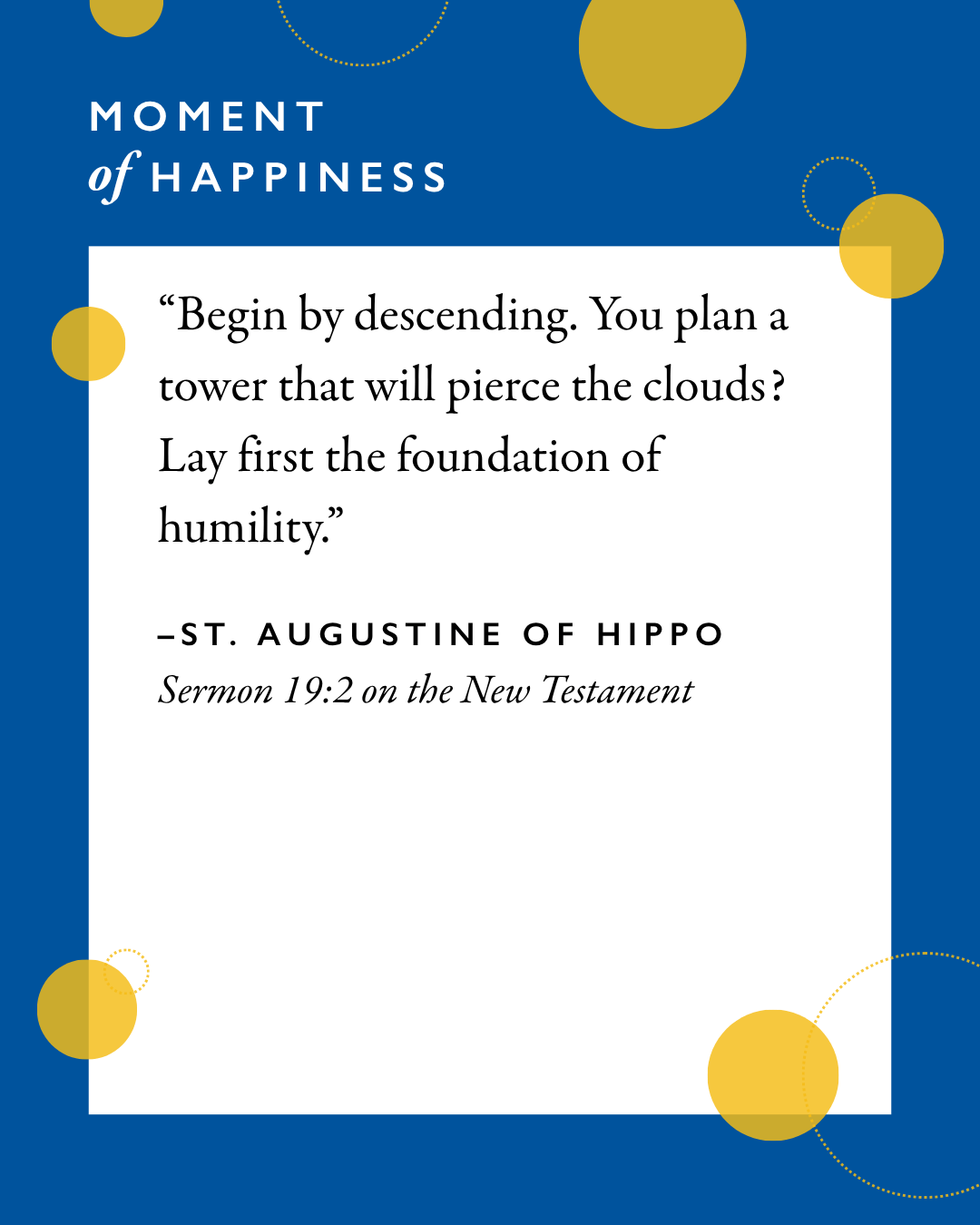
One of the most important lessons I’ve learned? There’s no one-size-fits-all approach to happiness. We must know ourselves and what’s right for us, because we can build a happy life only on the foundation of our own values, interests, strengths, and temperament.
Consider the question below. Perhaps it will illuminate a hidden or ignored aspect of your nature.
Comments
Nothing yet. Say the first thing.
Sign in to join the conversation.