

Photo Credit: Marek Studzinski | Unsplash
Although most of what we hear about perimenopause and postmenopausal health seems to be unremittingly negative, the truth is that
1. While the physiological changes of and emotional responses to perimenopause can be risk factors for future serious and chronic disease,
2. perimenopause is also “an inflection point,” “a critical window,” “a multidimensional transition,” and crucial to understanding a woman’s long-term health. (Atlas, 2026; Khoudary et al, 2020; Yousefzai et al, 2025)
Perimenopause is a time of profound vulnerability in health and well-being. However, if we are able to slow down and pay attention to what we are experiencing and accept the opportunity for change we are being offered, we may end up stronger, healthier, calmer, and happier as we age into our postmenopause.
Contrary to popular belief, breast cancer is not the primary cause of death for women.
Some facts about heart health and women:
· Heart disease is the number one cause of death for women in the U.S. (1 in 3 women die each year in the U.S. due to heart disease.)
· Prior to menopause, a woman’s risk of heart disease is less than ½ that of a man; after menopause her risk equals his, and once she is in her 70s, her risk is higher than his.
· Women under 55 are seven times more likely than a man to be sent home from the ER while having a heart attack.
· Women are more likely to die after a first heart attack than men.
· They are more likely to develop heart failure after a heart attack.
· Women are more likely to be disabled by a stroke than men.
· Only 44% of women currently recognize that heart disease is the #1 killer of women; this statistic is down from 65% in 2009.
(Haver, 2025; Khoudary et al, 2020)
AHA: Facts about women and heart disease
There are a few reasons for the severity of cardiac consequences for women. These issues interact in ways that exacerbate risk and create exponentially more harmful outcomes.
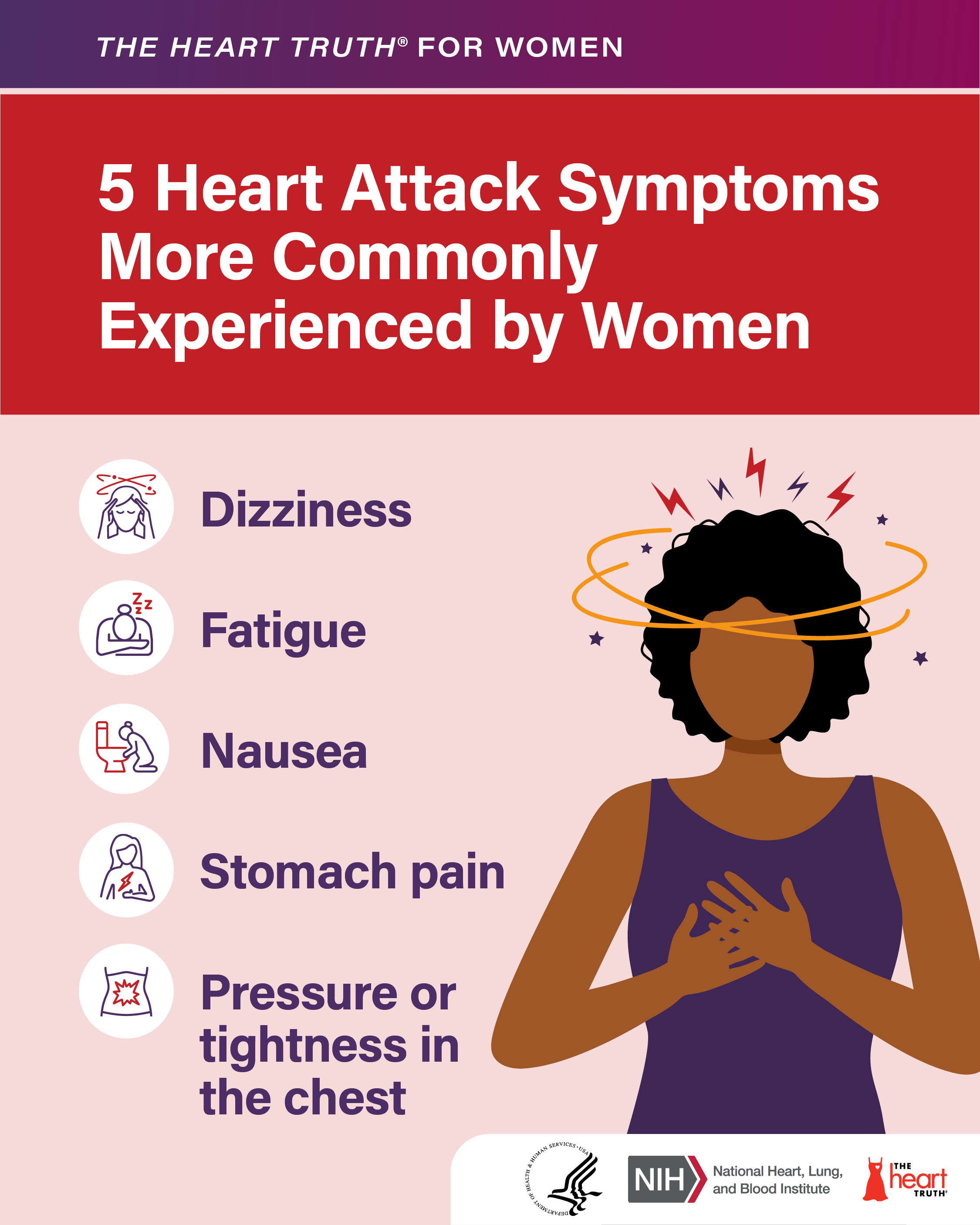
The very fact that women’s symptoms are classified as “a-typical” is an indication of another huge red flag for women’s heart health, namely the lack of research into cardiovascular health in women. What this terminology means is that women do not present in the same way men do; this does not mean we are “atypical,” it means that we are different from men, who have been presented as the norm.
Typically, rather than the “elephant on the chest” sensation, acute chest and left arm pain, and difficulty breathing that men tend to show up in the ER with, women have symptoms such as:
· Feeling tired and rundown
· Flu-like achiness and fatigue
· GI symptoms and nausea
· Jaw pain
According to Dr. Jayne Morgan, a cardiologist, the reason women have such different symptoms of heart disease and attack compared with men is because of a difference in how cardiovascular disease manifests. Men usually end up with a large or complete blockage in one of the main arteries that lead directly to the heart. Because of this their heart symptoms tend to be dramatic and unmistakable leading to rapid diagnosis and treatment once they present themselves to first responders.
In contrast, cardiovascular disease in women tends to manifest as a “studded pattern of plaques,” not only in the main arteries, but in smaller vessels throughout the body. In this situation, blood flow to the heart is impeded slowly, starving multiple parts of the heart of oxygen over time. As a result,
· Symptoms manifest in myriad places throughout the body, such as the jaw, the gut, or the back
· Women may feel okay or just tired most of the time, but when the body is under more acute stress, for example, after eating or under time pressure, symptoms may flare, becoming more acute and difficult to ignore
· The heart is subjected to chronic oxygen deprivation over a longer period of time, and this can put women at increased risk of heart failure and less optimal recovery
In addition to the fact that most health professionals are unable to recognize symptoms of cardiac distress in women, there are not adequate tests for detecting a scattershot pattern of blockages throughout numerous smaller vessels in the cardiovascular system. Women are often sent home from the ER or a doctor’s office with serious cardiovascular disease or a heart attack in progress.
As Dr. Morgan points out in her interview with Dr. Mary Claire Haver, if a woman goes into the ER with fatigue and flu-like symptoms, she is probably going to wait for hours to see a doctor and then is likely to be sent home, while a man who arrives complaining of shortness of breath and chest pain is almost certainly going to be whisked directly back to the cardiac lab for testing and immediate, life-saving treatment. This delay increases the risk that women will die. If they do survive, they are less likely to recover full cardiac function and quality of life than a man who has been treated quickly.
Perhaps most maddeningly, a large percentage of women who present to health professionals with “atypical” cardiac symptoms are referred for psychiatric consults or “rule out panic disorder” is written in their charts. Dr. Morgan herself discussed how often she saw and did this herself when seeing female patients earlier in her career. Unsurprisingly, “rule out panic disorder” was almost never written into a male patient’s chart. (Haver, 2025)
Sexism undermines women’s health, and sexism sometimes disguises itself as concern for women.
From 1977 to 1993 women were barred from participation in clinical research studies in the U.S. The reasons given:
· Concern about potential pregnancies and repercussions of research on possible fetuses
· Women’s hormonal cycles were so complex they “messed up” the data (M2)
The blindingly obvious problem with neglecting to research women’s health because their bodies are “too complicated” and skew the data is that when we try to extrapolate from research done on men and apply those medications, procedures, and understanding to the complexity of women’s bodies, it tends to cost women heavily—in time, money, health, and sometimes our lives. (This tendency to extrapolate also happens across race and gender expression, because non-White, non-cisgender people are also seriously underrepresented in research.)
A recent example of this was described by Dr. Morgan. At a European cardiology conference she attended in 2025 a paper on beta blockers was presented. Although administering beta blockers after a heart attack has been the standard of care based on extensive research with men over the last few decades, the study presented uncovered disturbing data. Giving beta blockers to women after a heart attack:
· Increased the risk of a second attack
· Made it more likely that a woman would be admitted to the hospital for heart failure
· Increased the risk of death by 3 times (Haver, 2025)
Although more recent research has included clinical trials using women as subjects, there is still a dearth of research about women and cardiovascular health generally and about menopausal women and heart health specifically. In fact, according to the American Heart Association’s (AHA) 2020 Scientific Statement, “US Food and Drug Administration guidance on clinical trial design for new products to be approved for treating vasomotor symptoms recommends including only postmenopausal women…” (Khoudary et al, 2020). While postmenopausal women do deal with vasomotor symptoms, the perimenopausal women are typically the ones more regularly being clobbered by these symptoms. But because perimenopause is a time of so much extreme fluctuation and unpredictability (even wackier than just typical menstrual cycles!!) researchers and medical professionals continue to try to avoid dealing with it. As a result, women continue to deal with the consequences of this systemic avoidance of the reality of their lives.
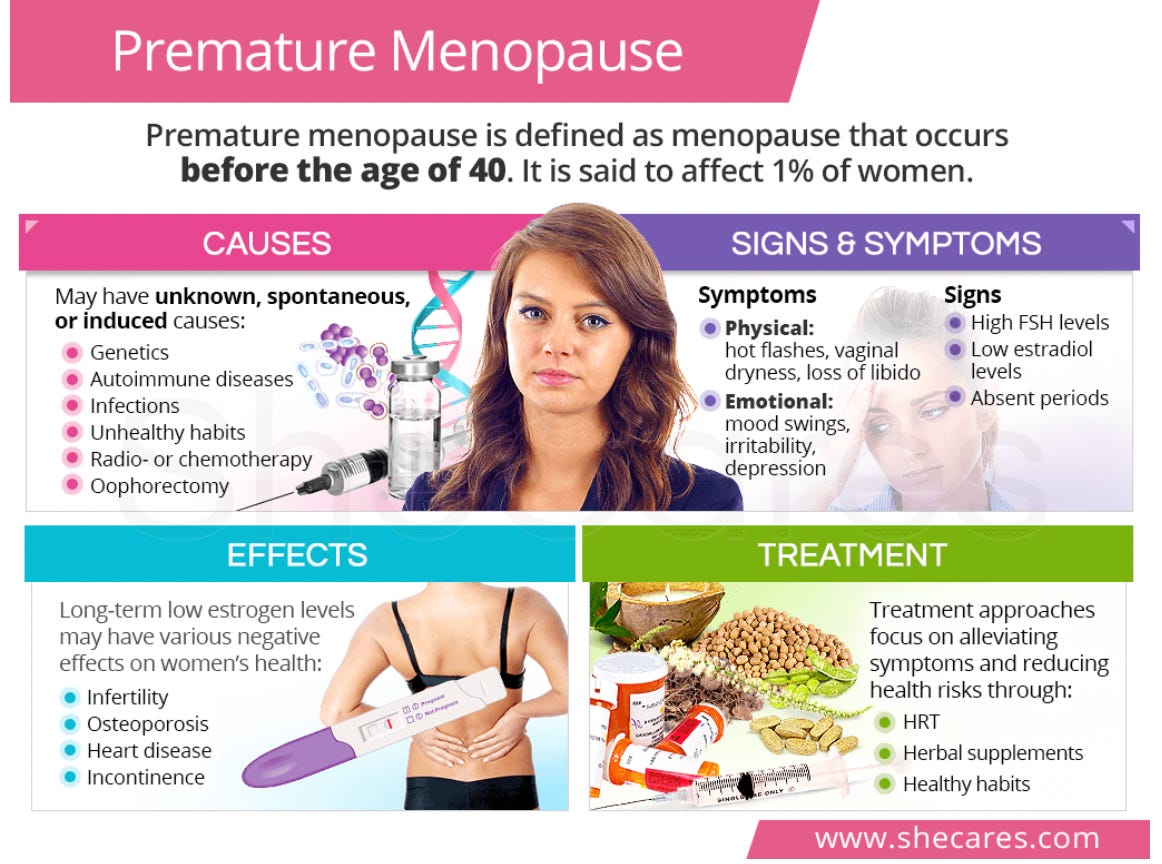
Although it was already known that there was a short-term risk of future CVD risk in women who had a premature menopause, the current study by Freaney et al (2026) wanted to know if there was a longer-term CVD risk for women. What they found:
· Both Black and White women with premature menopause (defined as menopause prior to age 40) had a 40% lifetime risk of coronary heart disease
· Black women with premature menopause were more likely to have a history of diabetes; White women with premature menopause were more likely to be current smokers
· Black women were three times more likely than White women to experience premature menopause
Although the study excluded women who had a premature menopause that was surgically or medically induced, the AHA scientific statement makes it clear that women who have experienced premature surgical menopause are also subject to an increased risk of coronary events and disease. The issue seems to be the prematurity of the menopause rather than how the menopause is triggered. (Khoudary et al, 2020)
The authors of the JAMA study point out several limitations that provide potentially fruitful directions for future research:
· They only looked at women over 55 years of age. Might younger women who have a premature menopause be at risk of dying earlier from CVD or other conditions correlated with premature menopause?
· Information on PCOS, other sex-specific risk factors, or heart-related pregnancy disorders were not adjusted for and could be included in future studies.
· Adjustment for HRT was not possible in this analysis. Future studies should look at timing of HRT initiation, route, dose, and duration of use.
· The reproductive duration—i.e., time from menarche to menopause—was not assessed. It would be good to know if and how the number of reproductive years, as well as number of pregnancies, impacts a woman’s lifetime risk of CVD.
The good news is that, while women are still underrepresented in the medical field generally and in specialty fields particularly, the numbers are improving. As women gain access to the power and money that fuels research, the gender gap will continue to close. This holds true for race, sexual orientation, gender expression, and more.
Apart from research, there are other systemic issues in the medical and healthcare field that contribute to the ignorance surrounding women and heart health:
· As Dr. Morgan said, “menopause is a word that has no context for a cardiologist.” Medical specialties tend to be siloed from each other, each taking a different body “part” and becoming expert in the functioning of that part in separation from the whole. Women’s bodies are constantly defying this approach. In menopause, a woman is likely to experience symptoms that cause her concern for her brain, her nervous system and mental health, her reproductive organs, metabolism, digestion, heart, and more. She may be referred to or see multiple specialists, none of whom have the education or awareness to understand that there is an underlying root cause in the form of a natural life transition that needs to be supported and understood. (Haver, 2025)
o Women are also put at risk because there is no menopause education in dental school and very little awareness among dental professionals about how menopause may be impacting women’s oral or systemic health. Women experiencing jaw pain may decide to see a dentist and most dentists, upon discovering no dental issues, will not have the education or awareness to send that woman directly to the ER to have her heart checked. (Haver, 2025)
· Only 31% of medical schools have a menopause curriculum (Atlas, 2026). Even these curricula tend to be brief and, due to the lack of research, incomplete. Because of this, not only do women not recognize their perimenopausal or cardiovascular symptoms, but health professionals and systems fail to recognize them as well.
· Women’s health has tended to be synonymous with reproductive health. There has been an overemphasis on women seeing an OB/GYN annually for pap smears and breast exams and a neglect about encouraging women to see a primary care physician for annual bloodwork that includes cardiovascular, metabolic, and inflammatory markers, for example, lipids numbers, blood glucose, and High sensitivity C-reactive protein.
· Implicit bias in doctor’s offices coupled with gaps in and misunderstandings about research can lead to the under prescribing of medications that could be protective for women’s health generally and heart health specifically, for example, hormone replacement or statins. The AHA has pointed out a need for research on the use of statins to reduce the risk of elevated lipids in women. Dr. Jayne Morgan said that from her perspective statins are underdiscussed, under prescribed, and underutilized for women.
o Additionally, in spite of the setbacks of the Women’s Health Initiative (WHI) research debacle in the 1990s, hormone replacement therapy (HRT) shows a lot of promise in being protective for cardiovascular health if given to women prior to CVD development and within a certain time frame (see more below). Many doctors—even OB/GYNs—are still not caught up on the latest data regarding HRT safety and efficacy.
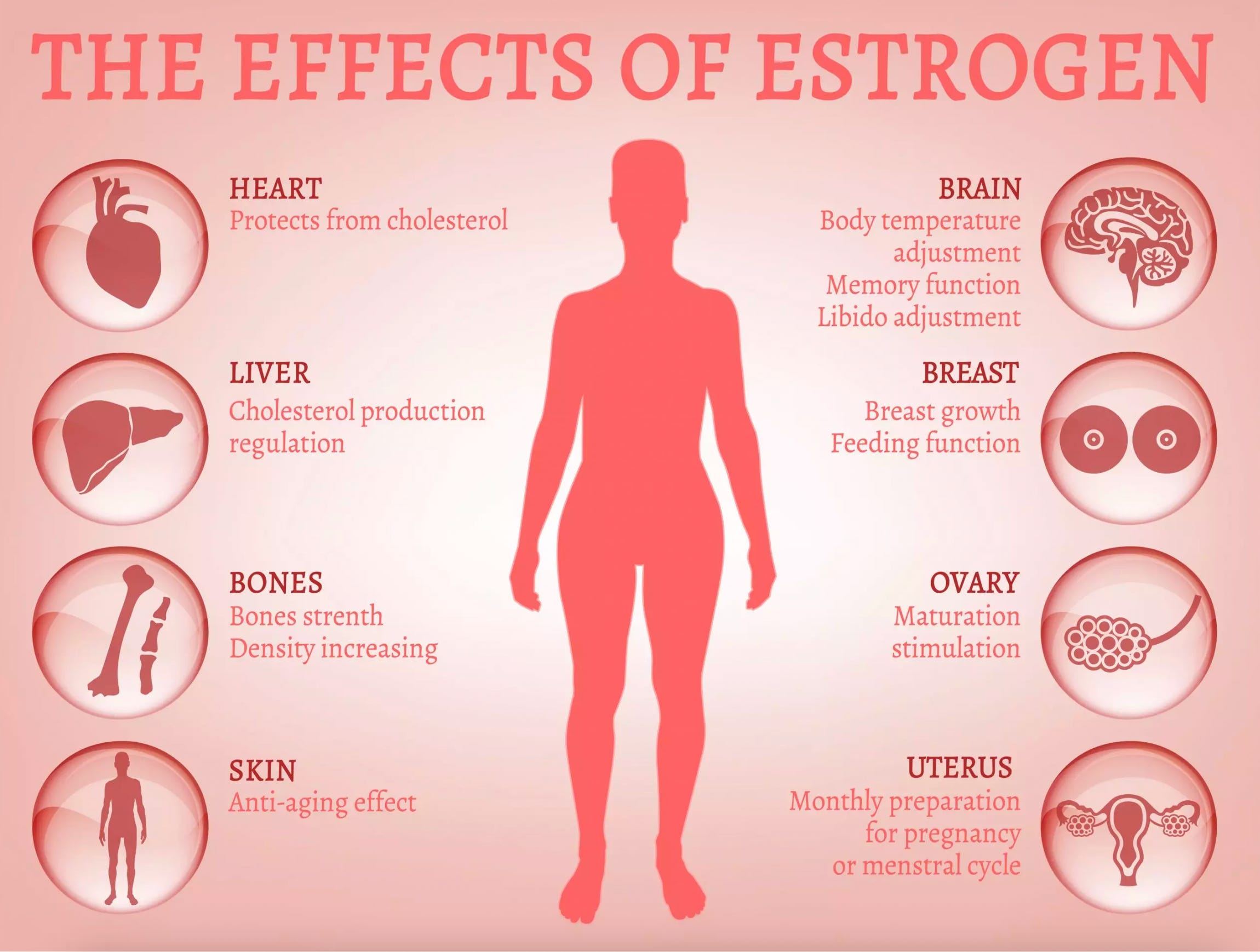
It is not clear at this point where the risk of cardiovascular disease originates in women. It is known that estrogen provides a protective, anti-inflammatory effect for women throughout their lives, supporting their bones, healing and immune processes, brains, hearts and vascular system, skin, and gut.
Research has shown that when estrogen declines in menopause:
· Cholesterol tends to increase, though it’s actually more complex than this. There is evidence that not only does LDL, the “bad” cholesterol, increase, but HDL, the “good” cholesterol begins to behave in ways that not only cease to provide cardiovascular protection but actually contribute to greater atherosclerosis.
· Estrogen is a hormone that helps to maintain flexibility and responsiveness in the walls of the blood vessels. When estrogen declines, arteries and veins tend to stiffen. This can interfere with optimal blood pressure regulation and foster hypertension.
· When estrogen declines, the way that fat is deposited around the body shifts. Instead of being primarily subcutaneous (under the skin), fat begins to build up inside the visceral cavity and around the organs. This type of fat is highly inflammatory and contributes to the development of chronic disease.
· The hypothalamus in the brain is our temperature regulator, and its cells have estrogen receptors. As estrogen fluctuates during perimenopause and declines in postmenopause women often experience hot flashes, sweating episodes, and periods of intense cold; essentially, our temperature gauge becomes dysregulated. Hot flashes are recognized as indicators of future CVD risk. The more severe or frequent hot flashes are for a woman, the greater her risk of developing CVD or heart attack.
(Derby et al, n.d.; Haver, 2025; Khoudary et al, 2020)
Although there is plenty of evidence for the protective effects of estrogen, it is still not clear that the reduction or lack of estrogen alone is the primary driver of CVD risk in menopausal women. Indeed, the current study (Freaney et al, 2026) and others, raise the possibility that other factors apart from estrogen decline could be major contributing factors not only to CVD risk, but also to more severe perimenopausal symptoms in those women with greater risk. (Cooney, 2026; Derby et al, n.d.)
As Conway-O’Donnell and Chesler (2022) write, “the protective and detrimental roles of estrogen in the cardiovascular health of premenopausal women, postmenopausal women, and men remain poorly understood.” And the AHA recommends “facilitating research to disentangle the health effects of ovarian and chronological aging” in order to better understand how much our risk of ill health is due to hormonal changes and decline and how much is contributed by changes in our DNA due to time, stressors, and the weathering that creates “aging.”
The role estrogen plays in the body is intertwined with most of these risk factors. However, there are other physiological and environmental elements at play as well.
· Frequency and severity of hot flashes
· Hypertension
· Increases in dangerous lipids (cholesterol)
· Changes in bodyfat distribution that promotes increased visceral fat
· Sleep disturbances/not enough sleep
· Smoking
· Low BMI/high BMI
· Metabolic syndrome/diabetes
· Early menarche/short menstrual cycles
· Low parity
· Heart issues in pregnancy/preeclampsia/gestational diabetes
· Early and premature menopause
· Smoking
· Psychological stress & depression
· Trauma, including early childhood trauma and intimate partner violence (IPV)
· PCOS
· Weathering, i.e., the process of accelerated cellular aging due to chronic stress and the coping it requires (Geronimus, 1992)
· If part of an immigrant family, it has been shown to be a risk factor to become increasingly culturally assimilated and affluent
· Lifestyle factors: diet, exercise, stress levels, work habits, alcohol and drug use, etc.
· Social Determinants of Health (SDoH): access to nutritious food and outdoor spaces; access to healthcare; educational level; economic status, etc.
(Atlas, 2026; Cooney, 2026; Derby et al, n.d.; Freaney et al, 2026; Haver, 2025; Yousefzai et al, 2025)
Although there are many factors that interact in complex ways to increase the risk of contracting cardiovascular disease, the number and complexity of factors can also work in our favor. According to Dr. Morgan, “80% of heart disease is preventable” (Haver, 2025).
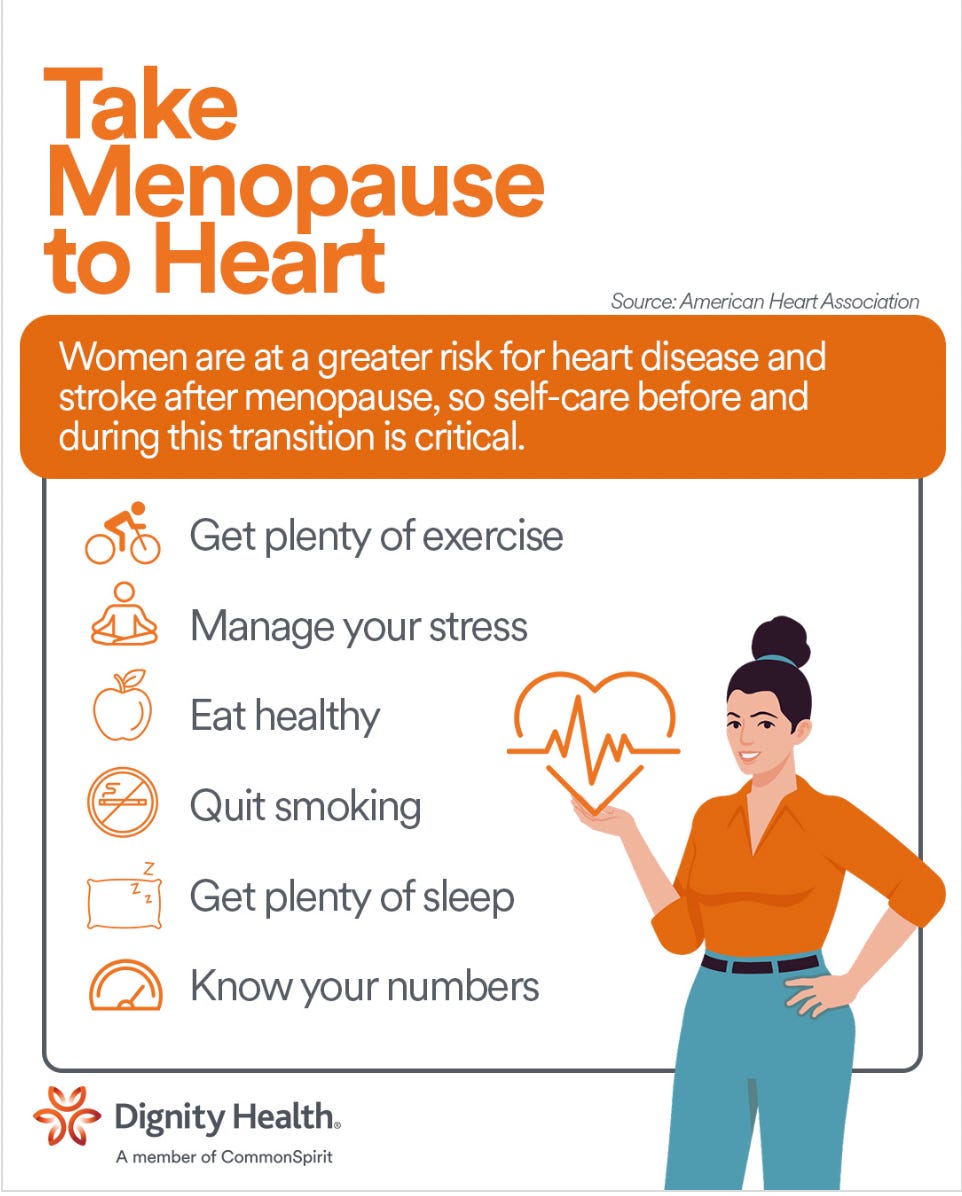
Lifestyle factors: We have heard it before many times in multiple ways, but the choices we make about how we live our lives has the single biggest impact on our health and well-being.
· What we eat
· How much we move
· Where we live
· How we handle stress
· What our sleep is like
· If we smoke or drink alcohol and how much
· How much social connection we have
· The work we do and how we balance work with the rest of our life
Hormone Replacement Therapy: While we do not have adequate research about how estrogen supplementation in peri- or postmenopause may provide protection against CVD specifically, there is quite a bit of evidence that hormone replacement of estrogen, as well as progesterone and testosterone, can be beneficial for many of the symptoms that erode women’s health and quality of life during the menopause transition. Using HRT can help with sleep disturbances, mood swings and depression, weight gain and metabolic issues, collagen elasticity and cognition. In other words, many of the symptoms of menopause that are known to contribute to the development of heart disease are attenuated by estrogen supplementation. As Dr. Kelly Casperson pointed out in “The (M) Factor 2,” “We have to use the data that we have…We know that transdermal estradiol decreases your risk of diabetes, decreases your risk of depression, helps you sleep better, can lower your cholesterol, lowers blood pressure in some people, and those are all risk factors for heart disease…It’s not making your heart disease worse, and it will help all these parameters [to] decrease your risk of heart disease” (Atlas, 2026).
Some doctors and women are still wary of the interplay between estrogen and heart disease. This is due in large part to the Women’s Health Initiative study in the 1990s, which was halted because researchers found links between increased risks of breast cancer and CVD and the hormone replacement being used in the study.
These results were premature and were based on data that had not been completely or clearly analyzed. Additionally, the hormones being used in the trial were synthetic, not bio-identical.
As scientists have continued to analyze the data, more nuanced conclusions have been drawn, many of which are simultaneously positive and reassuring for the use of HRT and also point to the urgent need for more research regarding dosage, route of delivery, and timing.
Timing
Currently, there is a “timing hypothesis” that surmises a “window of opportunity” that is ideal for starting HRT. Generally speaking, the ideal time for starting HRT is while one is still in perimenopause and prior to the development of symptoms of chronic illness. However, HRT is increasingly being used with women who are in postmenopause.
What we know:
· Estrogen started early, within 10 years of menopause and prior to any development of CVD, is protective against CVD
· Estrogen started within 10 years of menopause with women who show some signs of CVD can slow or halt the progress of CVD
· For women more than 10 years out of menopause, there is an increased risk of heart attack within the first 4-12 months of starting estrogen. This risk then declines.
••• Should women over 60 or women who have some heart disease be started on estrogen?
••• Once plaques have calcified in the vessels, will estrogen be helpful?
Dr. Jayne Morgan pointed out that we simply do not know enough about estrogen and its impact on women at different phases of menopause and various stages of CVD to answer these questions one way or the other. (Haver, 2025)
Overall, there are strong, evidence-based reasons to consider HRT if one is preparing for or currently in perimenopause. However, due to the current lack of research in this area, it is likely that the generation of women now going through the menopause transition, primarily Generation X and the Millennials, will be providing the population-scale data for the use of HRT over time and in interaction with various conditions, genetics, and situations.
A note on non-hormonal therapies: There are some non-hormonal treatments such as gapabentin, fezolinetant, and oxybutynin that can be used by women who cannot tolerate hormone replacement to address perimenopausal symptoms. However, while these can potentially mediate risk factors that may contribute to CVD risk, for example, sleep disturbances and vasomotor symptoms, they do not replace the protective effects of estrogen.
GLP-1s: According to Dr. Morgan, because GLP-1s often alleviate a variety of factors that contribute to CVD—high BMI, poor dietary choices, low exercise tolerance, metabolic disease, sleep disturbances, etc.—they can decrease the risk of heart disease. There are a couple of issues with relying on GLP-1s:
· Because they are a relatively new drug, we do not have data on the long-term use of them, so we don’t yet know what effects they might be having on the body and mind over time.
· Currently, there seems to be no way to come off them without regaining weight, so people need to understand that they may be on a long-term or lifetime dose.
Social Determinants of Health: SDoH are primarily systemic in nature; what any one individual can do about them is limited. However, I wanted to bring them up because being mindful of how SDoH impact our personal health and the health of our larger human community is something we can all contribute to changing collectively in more positive ways.
(Atlas, 2026; Haver, 2025, Khoudary et al, 2020; Yousefzai, 2025)
AHA: Menopause & Heart Health Infographic
In her interview with Dr. Jayne Morgan, Dr. Mary Claire Haver asked about what tests might be most beneficial for women in preventing or diagnosing heart disease.
Bloodwork
Dr. Morgan encouraged women to start getting annual blood work that includes lipids and blood glucose levels, starting in their 20s if possible. LP(a) is considered a cholesterol marker that can point to a greater or lesser genetic risk of heart disease. Although current conventional wisdom says that nothing can be done about this number, Dr. Morgan noted two things:
· First, there is no conclusive evidence at this point that the number won’t shift one way or the other (indicating increasing or decreasing heart risk) around menopause. The research simply hasn’t been done.
· Second, knowing one’s risk empowers proactive decision-making. Just as PCOS is a factor that simply exists that increases one’s risk of future heart disease. Knowing one has that risk factor means that an individual can make educated, positive decisions about diet, exercise, stress management and other risk factors that can be modified.
Dr. Morgan seemed to feel that inflammatory marker tests might not be as helpful as simply asking a woman about her current symptoms and stress levels. However, inflammatory markers on a blood test might help get a conversation started with one’s doctor.
Stress tests are appropriate and can help women get a sense of their current cardiac health. If a woman is suspected of having had a heart attack, getting a cardiac enzyme test to confirm the magnitude and length of the attack is critical. (Haver, 2025)
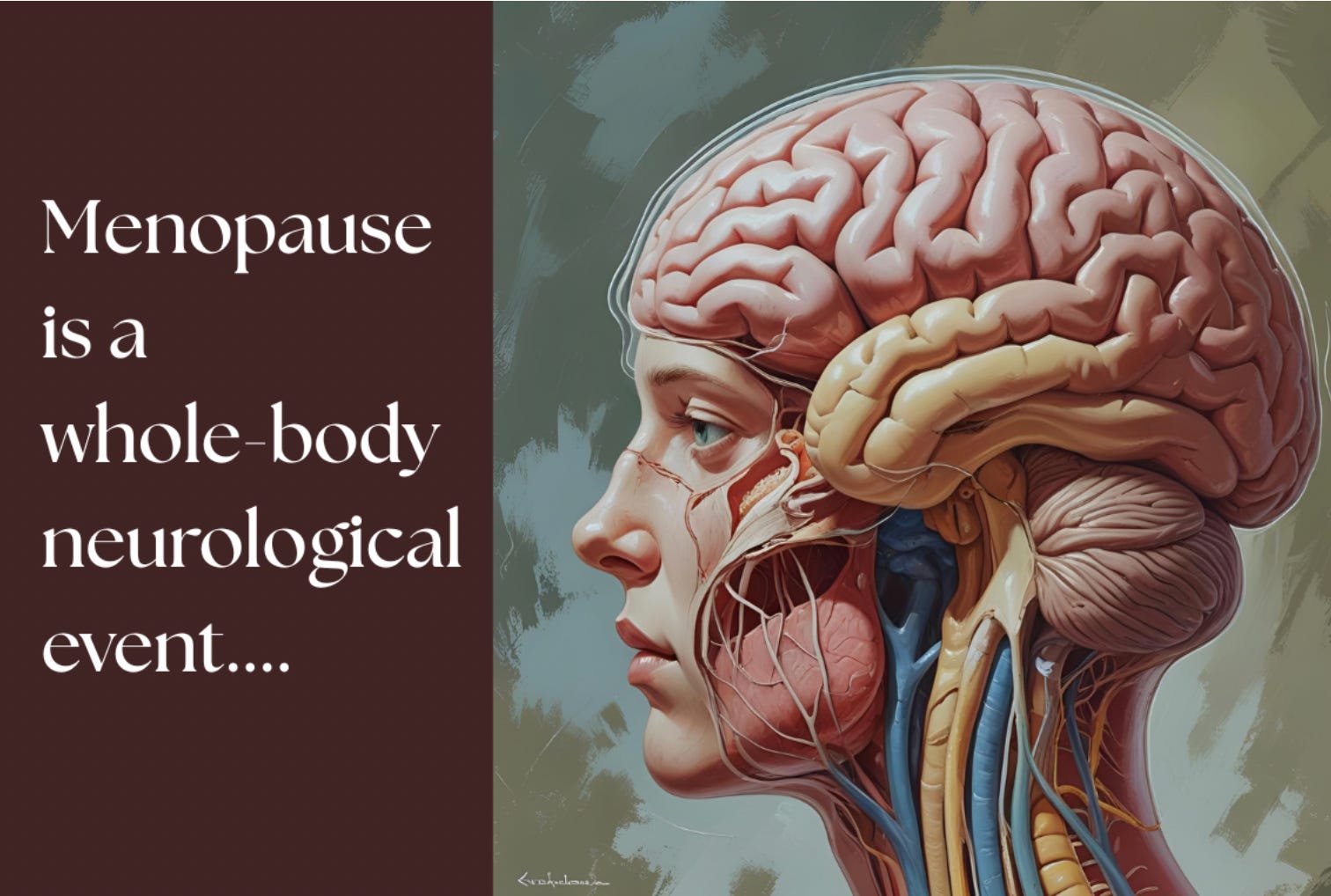
It is critical to understand that heart health is intimately connected to brain health. (Atlas, 2026; Haver, 2025)
In 2024 a paper was presented at the American Conference of Cardiology showing that, in a study of women with 1-6 hot flashes a week, women with the most hot flashes had a greater narrowing of the carotid arteries, increasing their risk of stroke. (Haver, 2025)
And Dr. Lisa Mosconi, Director of the Weill Cornell Women’s Brain Initiative and author of The Menopause Brain, says that Alzheimer’s is a disease of mid-life with symptoms that start in old age. (Atlas, 2026) The transitional period of perimenopause has a profound impact on the brain. In many ways, this is positive, as pathways and connections that are outdated and no longer needed for a woman’s life going forward are being pruned and new connections begin to be constructed. However, while the brain is undergoing construction, brain fog, forgetfulness, lapses in concentration, and a general feeling of cognitive impairment can be among our most distressing symptoms. The vulnerability is real. We need to be aware that what is happening can send us down a path toward more serious illness and debility, but it does not mean that it will. All of the information, while occasionally overwhelming, can be integrated to empower positive action and outcomes.
Dr. Louise Newsom
Overall, in both the “The (M) Factor 2” documentary and her interview with Dr. Haver, Dr. Morgan stressed the importance of proactivity. She encourages women to
· consider how women in their family have aged and become ill
and
· think about how they want their health and lives to look twenty years down the line.
· Know that there may be an underlying common cause of your multiple or most distressing symptoms.
o Many women, because of age, lack of knowledge, distraction, or denial simply do not have perimenopause on their minds as a possible reason for what they are experiencing. However, if you are a woman in her 30s-50s who is suddenly “NFLM: not feeling like myself” (Atlas, 2026) or for whom doing all the right things is no longer “working,” then the menopause transition is likely to be the reason. Perimenopause does not mean there is no underlying heart, metabolic, or brain vulnerability, but it does offer us a unique window of time in which some symptoms may point us toward our specific vulnerabilities and in which proactive, positive change can be enacted for greater future health and well-being.
· Take your knowledge to your health care professionals
o Ask your doctor to be aware of your reproductive history and how it may impact more than your reproductive capability and health. What the JAMA study offers is a waving flag to healthcare professionals that they need to be aware of how a woman’s menstrual cycles, pregnancy history, and menopause experience is impacting her whole health and life expectancy.
o Ask your doctor for the blood tests that you want. You may need to be proactive in terms of doing research about what tests will offer you the information you want and how to read the results you get. Information about testing would be a series of posts in itself; it can be a frustrating journey. I have found that functional and naturopathic medicine have offered me the most fruitful paths to testing and interpretation, however, most primary care physicians within conventional medicine that I have met can be convinced to add certain tests to standard panels. Then you want to seek out “optimal” ranges from Functional Medicine, which has stricter standards than mainstream allopathic medicine.
o Advocate for yourself and ask others to support you. If you are experiencing symptoms of what you suspect is a heart attack, tell the personnel in the ER what you know about symptoms, risk factors, and your family and individual history. I know it’s difficult when we are consistently encouraged to doubt the evidence of our own senses but believe what you know about yourself.
When we are in the throes of perimenopausal fatigue, overwhelm, fury, and grief it can feel as if the odds are stacked against us. However, nothing is written in stone nor woven into the DNA that cannot be mitigated if we have the information, access to resources, and social and medical support that we need. These sometimes seem like big “ifs” in the current milieu, but the more we know and the more we connect with each other, the more power we have.
Thanks for reading Menopause Matters ! Please feel free to share this post
Disclaimer
This blog post is for educational and informational purposes only and solely as a self-help tool for your own use. I am not providing medical, psychological, or nutrition therapy advice. You should not use this information to diagnose or treat any health problems or illnesses without consulting your own medical practitioner. Always seek the advice of your own medical practitioner and/or mental health provider about your specific health situation.
Atlas, J. (Director). (2026). The (M) Factor 2: Before the Pause [Documentary]. https://www.pbs.org/video/the-m-factor-2-before-the-pause-qsyotj/
Conway-O’Donnell, C. K., & Chesler, N. C. (2022). The stronger sex, until menopause: understanding the impact of estrogen loss on heart function. American Journal of Physiology-Heart and Circulatory Physiology, 323(1), H128-H129. https://doi.org/10.1152/ajpheart.00270.202
Cooney, E. (2026, March 18). Premature menopause is linked to 40% increase in heart disease risk. STAT News. https://www.statnews.com/2026/03/18/premature-menopause-heart-disease-risk-jama-cardiology-study/
Derby, C., Thurston, R.C., & Santoro, N. (n.d.). Unraveling how the menopause is related to cardiovascular risk & heart health in women during and after menopause. Study of Women’s Health Across the Nation (SWAN). https://www.swanstudy.org/womens-health-info/cardiovascular-risk-and-heart-health-in-women-during-and-after-menopause/
Freaney PM, Ning H, Carnethon M, et al. Premature Menopause and Lifetime Risk of Coronary Heart Disease. JAMA Cardiol. Published online March 18, 2026. doi:10.1001/jamacardio.2026.0212
Geronimus, A. T. (1992). The weathering hypothesis and the health of African-American women and infants: evidence and speculations. Ethnicity & disease, 207-221. https://www.jstor.org/stable/45403051
Haver, M.C. (Host). (2025, October 28). Menopause and Heart Disease: What Every Woman Needs to Know with Dr. Jayne Morgan. [Video podcast episode]. In The UnPAUSED Podcast. YouTube.
Khoudary, S.R.E., Aggarwal, B., Beckie, T.M., Hodis, H.N., Johnson, A.E., Langer, R.D., Limacher, M.C., Manson, J.E., Stefanick, M.L., & Allison, M.A. (2020, December 22). Menopause transition and cardiovascular disease risk: Implications for timing of early prevention: A scientific statement from the American Heart Association. Circulation, 142(25), e506-e532. https://doi.org/10.1161/CIR.0000000000000912
Yousefzai, S., Amin, Z., Faizan, H., Ali, M., Soni, S., Friedman, M., Kazmi, A., Metlock, F.E., Sharma, G., & Javed, Z. (2025, August 12). Cardiovascular health during menopause transition: The role of traditional and nontraditional risk factors. Methodist DeBakey Cardiovascular Journal, 21(4), 121-128. 10.14797/mdcvj.1619
Title image (Studzinski): https://unsplash.com/s/photos/women-heart
Symptoms chart: https://www.nhlbi.nih.gov/health-topics/education-and-awareness/heart-truth/heart-truth-for-women-social-media-resources
Premature Menopause: https://www.shecares.com/menopause/premature-menopause
Estrogen: https://responsumhealth.com/conditions/menopause/benefits-of-estrogen/
Take Menopause to Heart:
Menopause is a Neurological Event: https://www.femgevityhealth.com/blog/menopause-and-the-brain-why-its-more-than-just-hormones
Menopause as opportunity: https://www.linkedin.com/posts/drlouisenewson_theres-no-denying-that-the-symptoms-women-activity-7295868974288850944-eFoV/
No posts
Comments
Nothing yet. Say the first thing.
Sign in to join the conversation.