
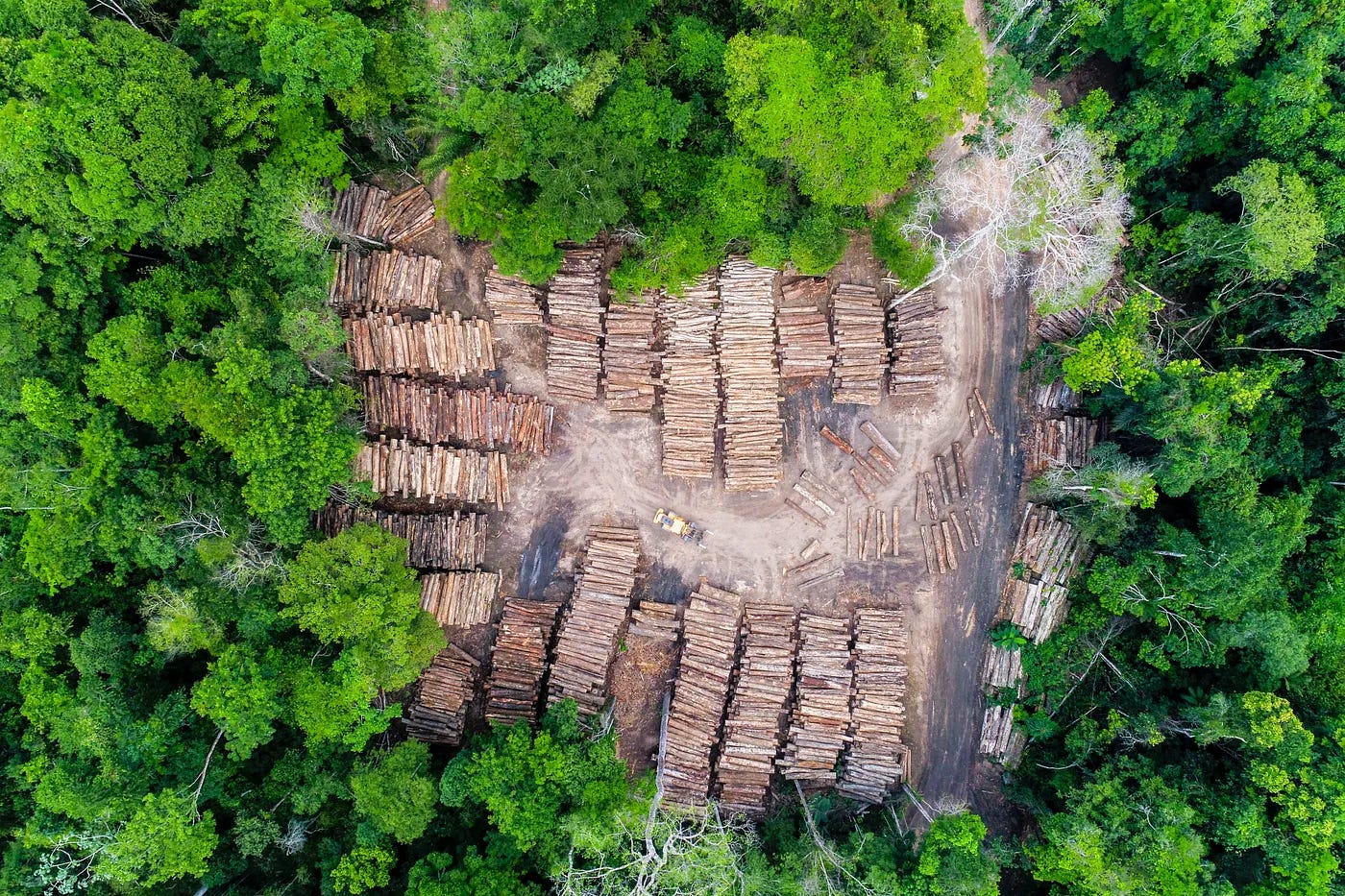
Fifteen years ago, a group of farmers wandered down a dirt trail in the thick of the Amazon rainforest.
They were searching for a plot of land to farm. They’d heard there was fertile soil in this region.
Suddenly, an arrow thudded near them on the ground. They saw a man in the distance. They waved their hands, gesturing that they came in peace. Then, another arrow landed, and another. They retreated into the brush they came from — and wisely so.
This stranger is the last of his tribe. He’s often called the loneliest man on earth.
He speaks an unknown language. He has many nicknames but media outlets call him “the Hole Indian”. It stems from his hunting tactic of digging six-foot holes to catch prey.
We’ll call him “Last Man”.
There is one brief video showing Last Man chopping down a tree alone within a village. He is thin, muscular, and middle-aged.
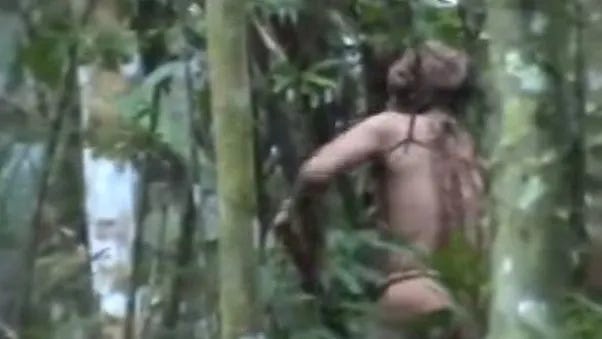
Activists say this footage is important because it gives proof he’s alive. It allows them to campaign for his protection and legislation that guards his land.
Civilians are best served by keeping a distance — Last Man’s entire tribe was killed 22 years ago. Experts speculate they died during battles with illegal loggers/farmers. It is why he is so aggressive towards strangers.
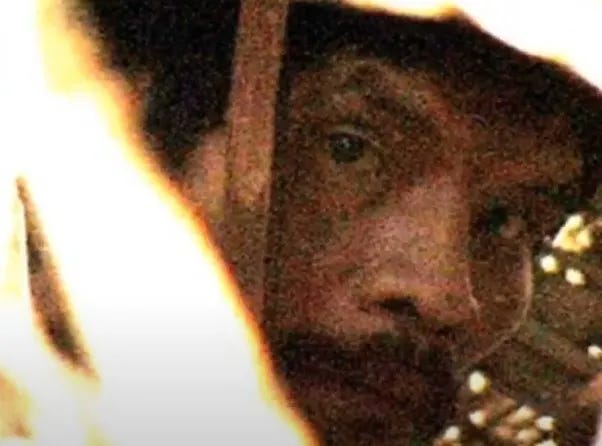
Last Man was attacked in 2009 by a gunman. Researchers questioned if he was even alive, but then more footage of him emerged — including the only photo ever taken of his face:
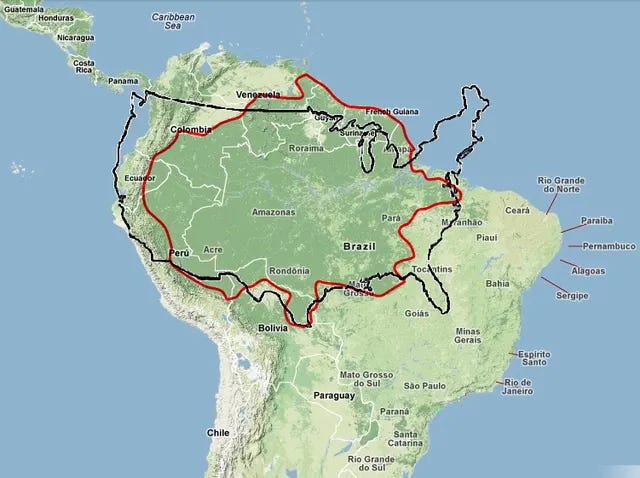
Most people understand that the Amazon rainforest is large, but they don’t appreciate the gravity of its size.
It is 2.7 million square miles and is home to more uncontacted tribes than any other place in the world.
To appreciate its scale, this is the outline of the US compared to the Amazon rainforest:
There’s often substantial media hype around uncontacted tribes which is largely misguided and exaggerated.
Most indigenous people retreated deeper into the jungle more than 100 years ago during colonization efforts. They saw disease ravaging populations and knew, intuitively, that being near these outsiders was bad news.
However — many tribes still maintain a minimal level of contact with local merchants when the need arises.
Last Man is special because he is actively studied from a distance by regional anthropologists — who maintain a distance from him for his own health and safety.
He is aware of their presence and tolerates them — sometimes waving for them to avoid deadly holes he has dug. Researchers have left sanitized tools and bags of seeds for him as a show of trust.
Later, government officials entered a decree that nobody should go within three miles of his location. Last Man’s protected territory is 10 square miles.
You might be wondering why the government even allows people to log and threaten such special tribes — whose languages are so rare that you wouldn’t be able to associate them with any in the known world.
The reality is that — it’s illegal to log in the Amazon.
People are routinely arrested for it. The problem is that you can’t arrest someone prior to cutting down trees. You have to catch them in the act. And as you’ve seen, it is a very, very large area that isn’t easy to traverse.
The Amazon also includes several nations, among which there is corruption and significant poverty — which drives people to chase profits at the expense of anything.
The last man has a small plantation of fruits and vegetables.
He supplements this vegetation with trap hunting. He also wields wooden and bamboo spears to catch wild pigs and birds to eat. He lives in the remains of his village, in a small hut that is protected from the rain.
What’s incredible is that this man may not even know what ice or snow is, let alone television. He lives in a sort of paleolithic stage of civilization — and that’s OK.
The dangerous instinct is to try and pressure natives into modern ways of thinking and living, “They would love it if they just knew what life\
was like.”
This line of reasoning has a terrible history.
Yet one can imagine just how lonely Last Man is. He is the last of his kind, with every person he ever loved now dead. When he dies, his language and culture will die with him.
Anthropologists believe he harbors a deeply hostile worldview: anything that has come in from the outside has only brought destruction and sorrow. Which is why he chooses to live alone in the woods.
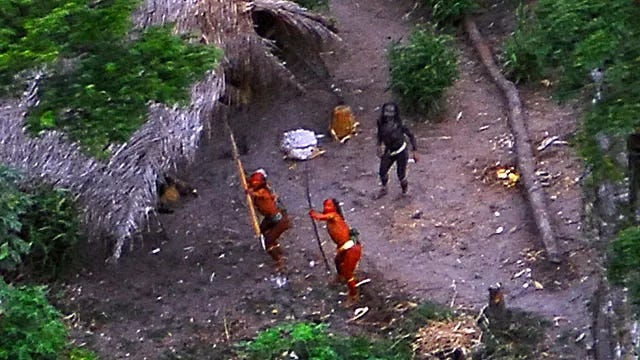
Last Man likely sleeps with one eye open and is always in fear of outsiders.
Uncontacted tribes are routinely (and unknowingly) decimated by unwitting hikers.
They don’t realize these tribes have zero immunity to many simple germs we carry. Visitors bring water and gifts to tribes and it ends tragically.
As a general rule, if an uncontacted tribes man shoots arrows at you — stay away.
Ultimately, we should remember that Last Man is a victim. He is part of a long-lasting tradition of aggression and displacement against indigenous people that has spanned the globe.
Comments
Nothing yet. Say the first thing.
Sign in to join the conversation.