
Welcome back to Projections, your weekly movie newsletter that just keeps coming and coming and coming and cannot be killed, even if you maim it, behead it, drown it, burn it with fire, detonate it, or throw it off a roof.
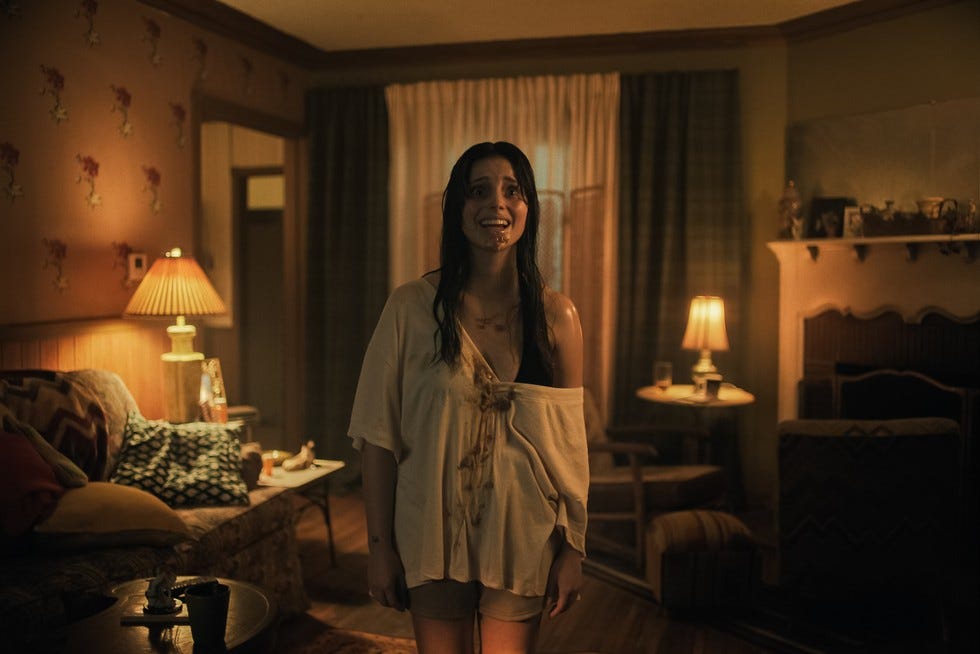
I’m back from vacation and thinking about horror again. Upon my return, I popped in the 4K of Obsession for my first revisit of the movie since I saw it at a screening four months ago. It knocked me out the first time, knowing little more than the fact that it was riding some post-festival hype out of Toronto last September. It went on to become the indie movie story of the year. A second watch, with an awareness of the story’s trajectory and the incoming horror beats, drained some of the initial fun but I remained impressed by the abrasive sound design, the smirky-cruel conception of the world, and of course Inde Navarette’s performance as Nikki.
Nikki, Nikki, Nikki. Navarette screaming, “I can be Nikki!” at Michael Johnston’s Bear as he begs her to be the woman his wish imprisoned is still a genuinely agonizing and remarkable moment in a film made by relative novices. Does director Curry Barker know just how deeply that moment resonates? The movie’s all-time phenomenon status is still somewhat inexplicable, but there is an undeniable power in it. Quibble with its gender politics, its portrayal of agency and beta maledom, even its underlit visual palette. But it has a ferocious energy, and that doesn’t come easy.
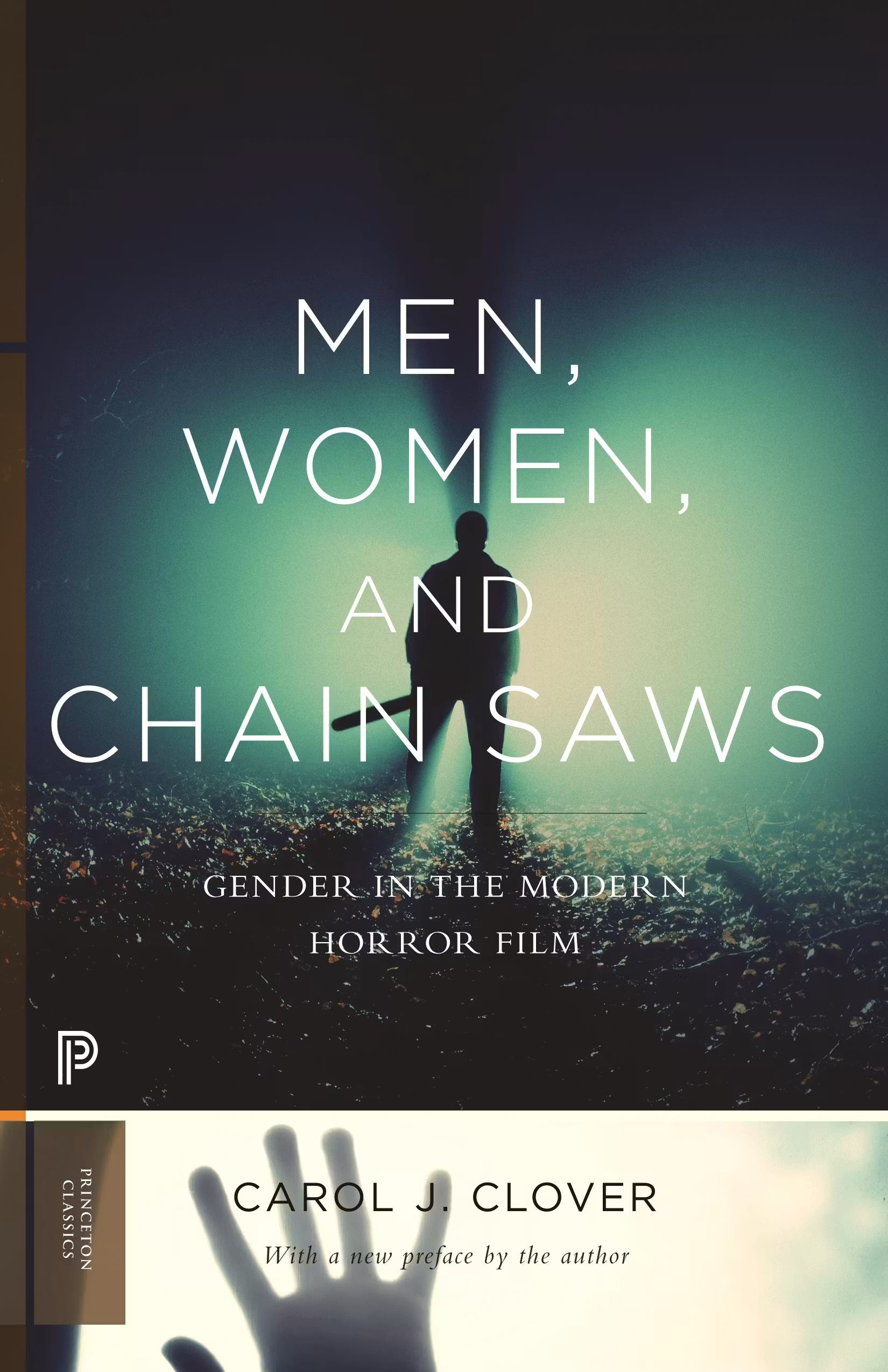
I’m still thinking about Freaky Nikki. She’s what’s called a Final Girl. Sort of. An evolution, at least. Perhaps you’ve heard the phrase before. It was coined in 1987 by Carol J. Clover, an academic and film scholar whose book Men, Women, and Chainsaws is a seminal text that intersects feminist theory with horror analysis. Clover’s identification of the trope spoke to a specific legacy of slasher and rape-revenge films from the ’70s and ’80s that centered a pure final survivor in a horror film, one whose moral superiority, bravery in the face of ultraviolence, and, most importantly, gender, determined her centrality in these grisly stories. Think Jamie Lee Curtis’s Laurie Strode in Halloween or, later, Neve Campbell’s Sidney Prescott in Scream. Chaste, sober, frequently brunette, unflinching in the face of a faceless killer. These women are understood as lodestars for a society that expects a certain moral relativism in their culture—the presence of brutality leavened by a virginal hero’s journey rewarded with survival. In stories written and directed almost exclusively by men.
Comments
Nothing yet. Say the first thing.
Sign in to join the conversation.