
So, you want clean water?
Part one was about the concentration of meatpackers being an inhibitor to having clean water. The other part of equation is corn.
Corn has always been an important crop for the United States and the world since the dawn of time, but the overproduction of it kicked it into high gear as the different industries relying on it consolidated. From the grain processors, machinery, seed, chemical, and fertilizer markets, they all benefit from more corn being grown everywhere.
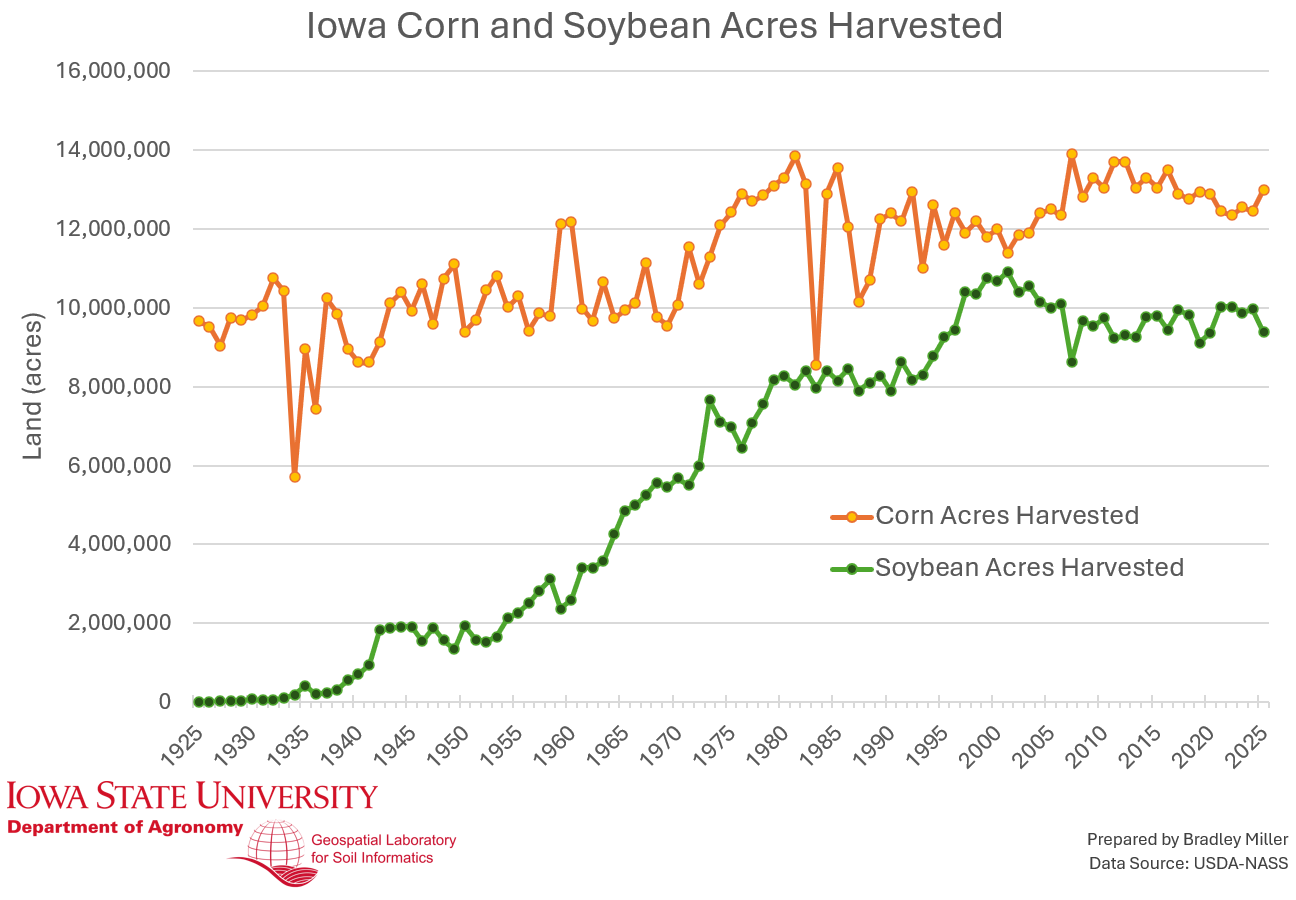
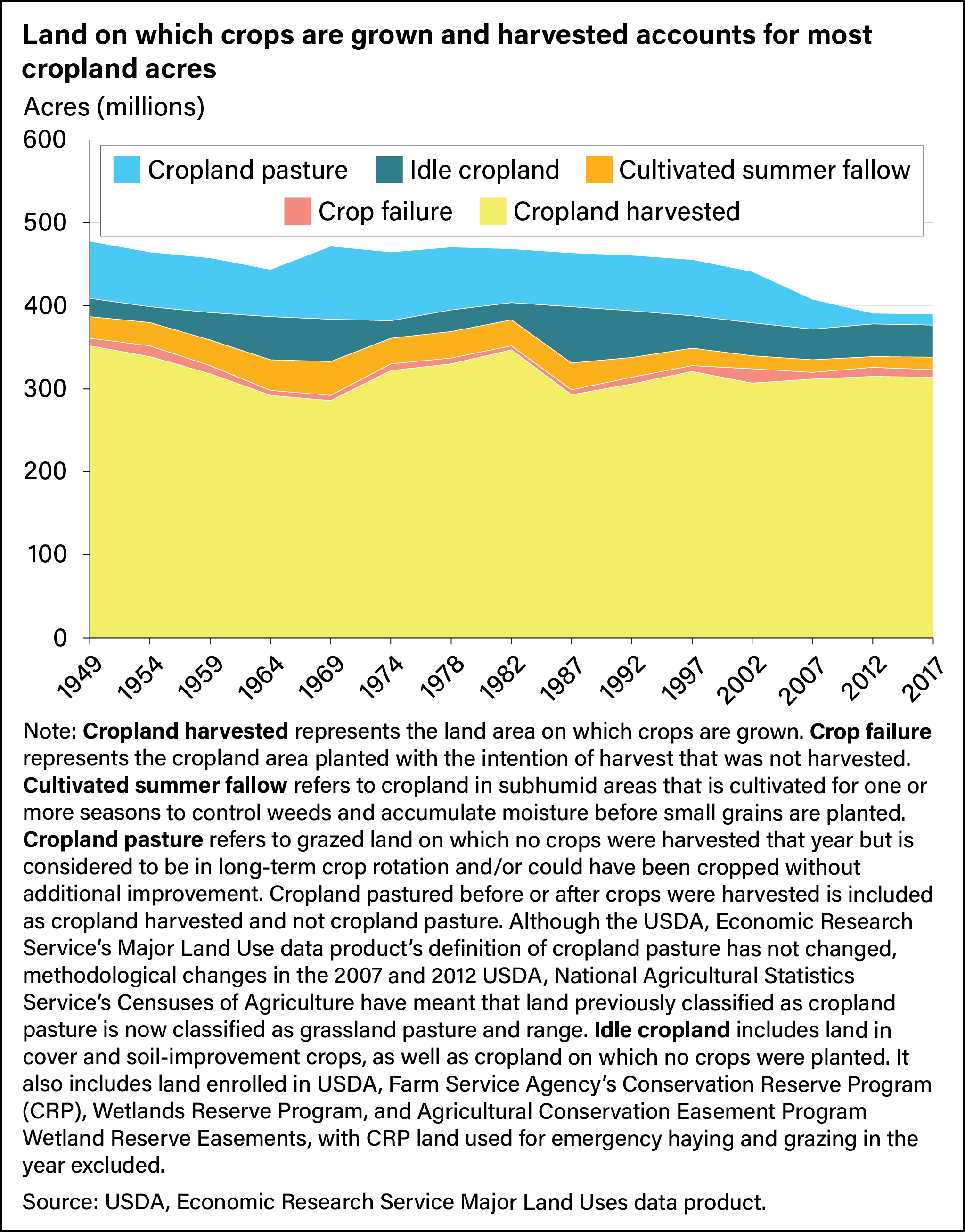
As a farmer, your love of farming make you participate in the system which was created for you. While taking a different route is possible, it is riskier when the system pushes for what the conglomerates want. The system was not always set up to push for as much corn as possible and using sixty percent of Iowa corn to make ethanol
When the Dust Bowl happened, the federal government got involved more with agriculture to help conserve our soil1 and put in policies like supply management which made sure farmers were not overproducing. Every farmer should strive to grow the best crop. The problem is when every farmer produces great yields then the cost of the grain goes down. Supply management kept everyone in check. When these industries consolidated and these supports were whittled away over time, it only benefits these consolidated industries and not the farmer. The only option farmers are left with is to use the double-edged sword of overproducing.
At the same time the Roosevelt administration was trying to put in a better support system for farmers around soil conversation and crop insurance, they also took on the big conglomerates. According to Farm Action, antitrust enforcers and legislators launched a successful reform on the “Fertilizer Trust” after the outbreak of World War II. This led to more stable and resilient production, better prices, and better products. In the 1980s, industry started to consolidate again with a turn towards a lack of antitrust enforcement. Other policies which benefited the input providers and grain processors, which led to more revenue and overproduction, put the nail in the coffin to supply management policies2 with the Freedom to Farm Act in 1996.
The idea was the “free market” would dictate how farmers would grow their crop. Unfortunately, the “free market” was put in the hands of these consolidated companies, who created markets to their benefit. At this time, crop insurance started to shift from being a farmer, community benefit, to a taxpayer subsidy to these consolidated companies. Since then, it has only gotten worse.
According to the Environmental Working Group, federal crop insurance is subsidized by taxpayers to the tune of 63 percent. Throw in the billions and billions of dollars of bailouts since President Trump’s first term, and it is clear farmers are acting as passthrough to these consolidated companies, who are trying to prop up a failing industry reliant on the overproduction of corn. Not only are American taxpayers losing money, but they are also getting worse water. Farmers are getting the short end of the stick while these multinational companies take the money to the bank. These bailouts are only a Band-Aid on a gunshot wound of the current system. The current “free market” does not work for anyone, but these large, consolidated companies.
The grain processors drive what crops are grown. They are the ABCDs (ADM, Bunge, Cargill, and Louis Dreyfus). As the grain processors have become colossal system integrators, according to Farm Action, these four companies control 70% of the global food trade and 60% of the U.S. port elevators. When the wet corn milling industries is 89% and soybean crushing capacity is 80%, the thumb is on the scale to grow more corn to feed these behemoths. This power gives the ABCDs the ability to set prices and shape activity in grain and grain futures markets according to Farm Action. With the deregulation of commodity exchanges and derivative markets in the early 2000s, this has led to these companies using their financial operations to speculate on their own account. Evidence suggests they engage in a version of insider trading to exploit, and possibly create or exacerbate, market volatilities. These activities are shown by their financial operations’ profits exceed those made by other firms in the same industries. This is a long way to sum up these companies are incentivized to keep corn growing and any chance at corn losing market share is not good.
Due to the ABCDs using their vertically integrated supply chain to their advantage, farmers are left with one option, growing more corn. Without the supports, the only way for a farmer to make more money is to produce more with what they have. When every farmer overproduces, the market price goes down to help the grain processors while farmers lose what they were hoping to get in higher revenue.
With this issue FDR had tried to prevent, overproduction led to finding a place to use this glut of corn. Cue, ethanol. During the mid-2000s, ethanol was sold to help give the United States energy independence. While better prices came to farmers for a little bit, this also encouraged more corn to be grown in places it should not. This United States government backed crop has pushed into places like North Dakota as the incentive to grow corn is greater than wheat. The push to grow more corn is also rapidly depleting the Ogallala Aquifer due to irrigation and having corn planted in environmentally sensitive areas like along stream banks.
What started as the government trying to protect our soil and water has turned into consolidated industries being propped up by the government to overproduce a specific crop. Nitrate levels have only gone up as the agribusiness industry has consolidated. The current policy structure of a “free market” has led to less farmers on the land, the hollowing out of rural communities, and farmers acting as a passthrough for government bailouts to seed, fertilizer, and other agribusinesses. This has only led to a race to the bottom for farmers as these monopolized industries gain more power.
In Part 3, I will discuss how this consolidation leads to negative water quality impacts in a variety of ways.
No posts
Comments
Nothing yet. Say the first thing.
Sign in to join the conversation.