WMW | Biowaste: Anaerobic digestion powers Minnesota’s circular economy ambitions – Waste Management World
WMW | Biowaste: Anaerobic digestion powers Minnesota's circular economy ambitions Waste Management World

SDGtalks.ai | News, Content & Communication - : 12. Responsible Consumption and Production
Live Last read · last published · next check
WMW | Biowaste: Anaerobic digestion powers Minnesota's circular economy ambitions Waste Management World
Corporate responsibility budgets steady despite ‘challenging year’: ACCP ESG Dive
Unlocking Resources for Resilience and Energy Savings Join Us for a C-PACE Info Session on March 18! The City of Asheville (.gov)
Advisory services and capacity building energy.ec.europa.eu
General Mills inks 25-year on-site heat and power agreement expected to save $30M Facilities Dive
This blog from the Master Builders Association of Pierce County argues that the construction sector’s future hinges on mainstreaming sustainable building. It sketches eight focus areas—greener materials (e.g., engineered wood, recycled steel), energy efficiency, prefabrication/modular methods, green certifications (like LEED), net-zero design, smart-building controls, climate-savvy design…
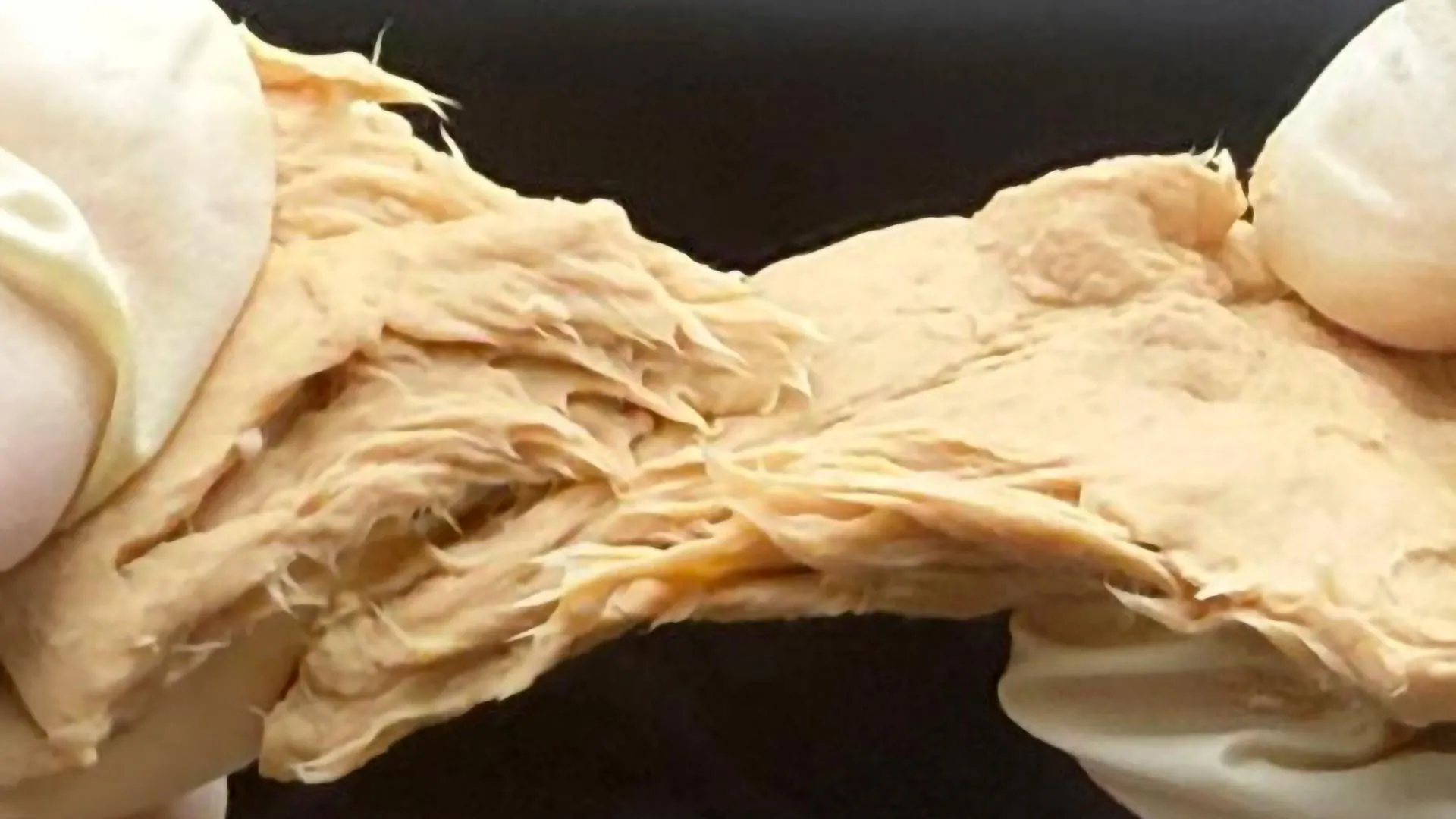
Researchers used CRISPR to tweak a common mycoprotein fungus so it grows protein faster, needs less sugar, and is easier to digest—cutting the modeled environmental footprint of production compared to the standard strain and even outperforming chicken on land and water impacts. The study positions gene-edited fungal proteins as a promising, lower-impact way to meet rising demand for meat-like…
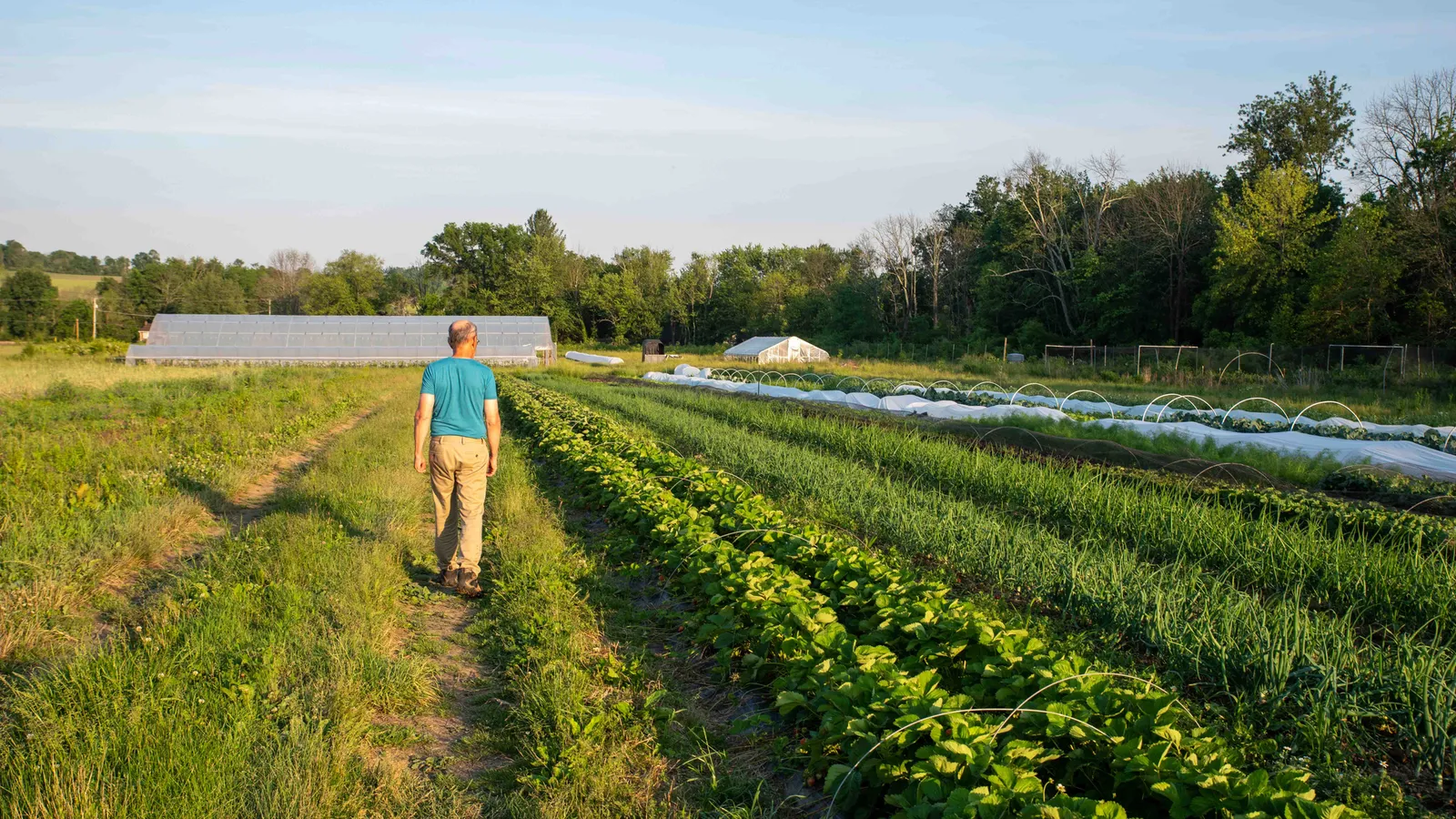
The article reports that Farmers Business Network (FBN) and the Walton Family Foundation launched a pilot “Regenerative Agriculture Financing (RAF) Land Loan” program that reduces interest rates for farmers who adopt verified soil- and water-health practices. Backed by a $750,000 Walton Family Foundation investment, the pilot aims to serve about 20 farmers as a proof of concept, offering 0.25–0.5…
To build resilient supply chains, integrating circular economy principles like recycling, remanufacturing, and repair is key. This approach reduces reliance on scarce resources, cuts emissions, and supports local production. Despite challenges, adopting circular practices offers long-term sustainability, efficiency, and competitive advantage.
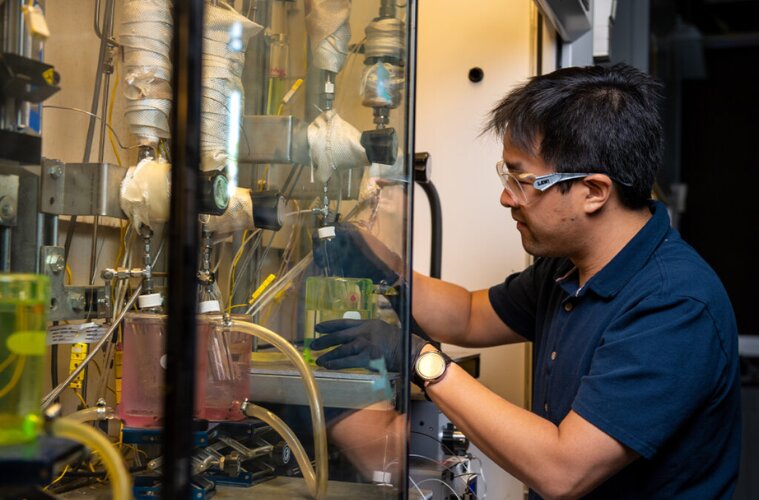
Washington State University researchers have developed a continuous process to convert lignin, an agricultural waste product, into sustainable aviation fuel. This innovation could reduce the aviation industry's carbon footprint, provide cleaner fuel alternatives, and help meet global sustainability goals by utilizing abundant agricultural byproducts.