
Last week, Jenn and I held a Joyful Practice workshop at one of Olympia’s best resources for artists: Community Print. Our workshop was based on the 16th century practice of sharing accounts of wonder. Here’s how Jenn described them in a post a few weeks ago: “In my understanding, these accounts of wonder (wunderzeichen, wonder-signs) were a way of collectively bearing witness to what could not yet be understood. Imagine a newspaper with no photos, analysis, or fact-checking— just drawings from memory and testimonials.”
We asked folks to think about the small wonders they encountered in their daily lives, those things that were compelling enough to turn curiosity into fascination. There were accounts of bioluminescence at the ocean, scraps of dreams, adult experiences of childhood landscapes, quiet encounters with animals or beloved dead, and old photos that popped up unexpectedly.
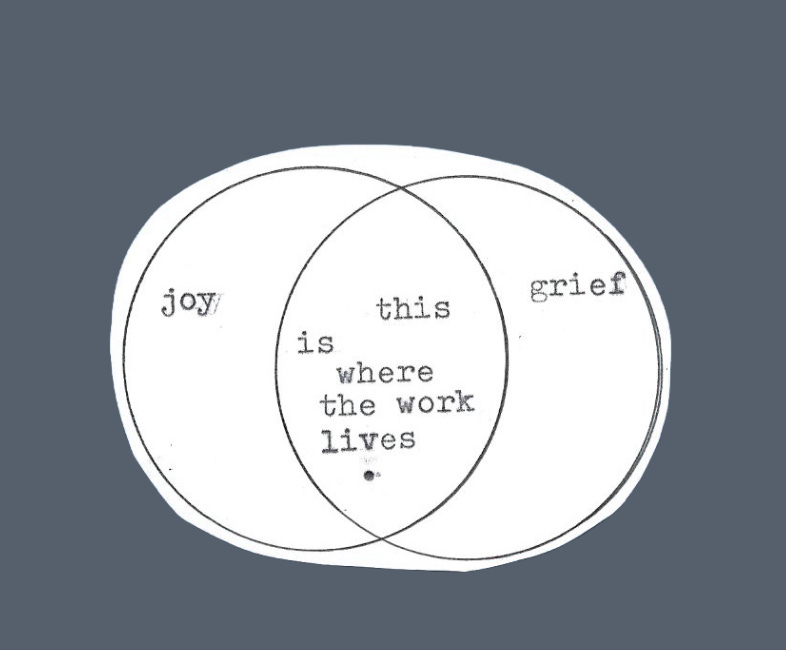
What struck me most about this workshop was how so many of our wonders were intertwined with our losses, which made me think of this Joyful Practice Principle:
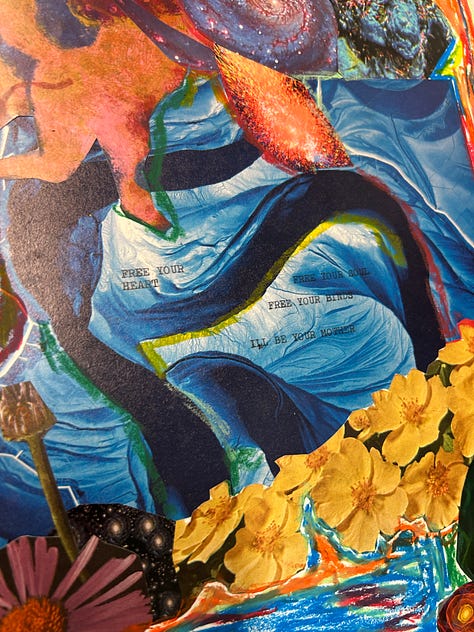
We built our accounts of wonder using newsprint and colored paper, typewriters and collage materials, oil pastels and crayons, markers and colored pencils. Here are some images of accounts of wonder in progress:


This week Jenn and I are working on the connective tissue for the Joyful Practice Handbook (It goes to the printers in just over a week, ya’ll!) Yesterday, I grabbed a book off the shelf in the front room where the dusty, mostly ignored books I keep meaning to read live. I was seeking inspiration for front matter design for our own book.
I happened to grab Leanne Shapton’s Guestbook. When I opened the title page, I realized I’d forgotten the subtitle of the book: Ghost Stories. Cool, I thought.
Then I turned to the dedication page:
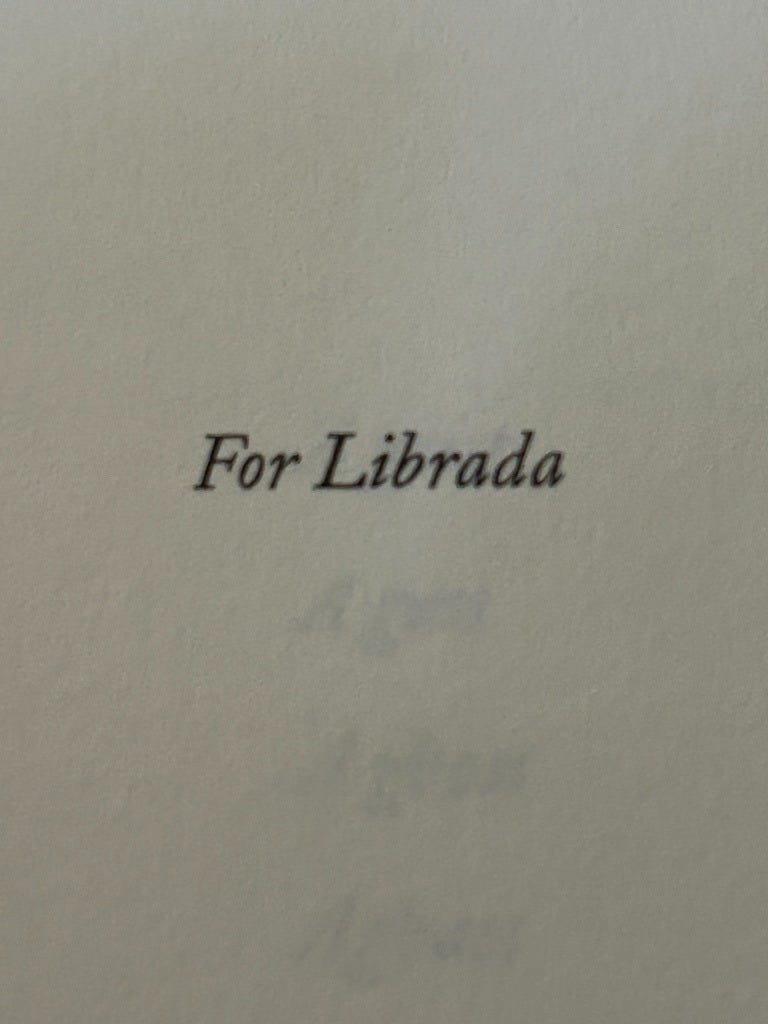
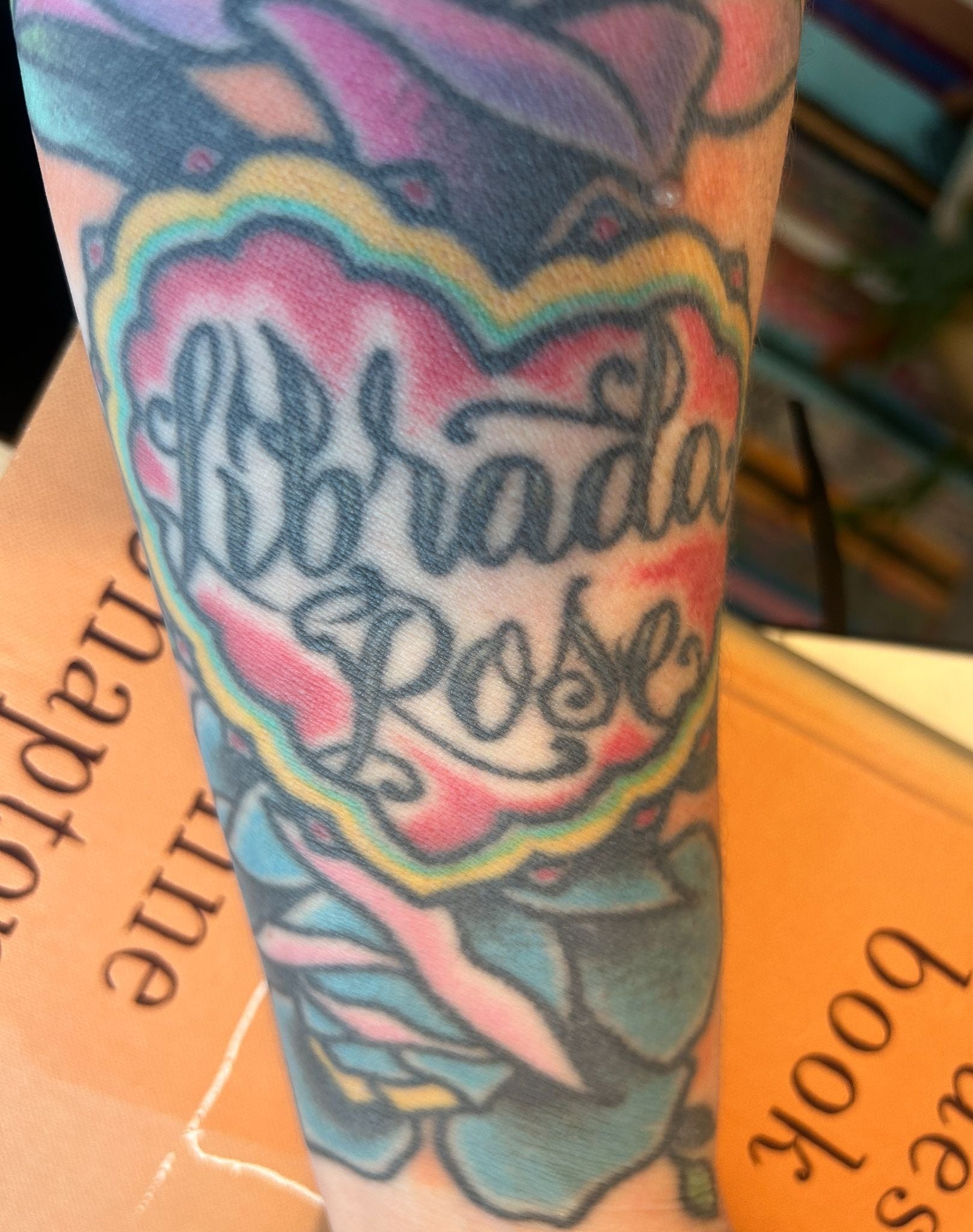
I’ve only known one Librada, and her name is tattooed across the inside of my left forearm.
Last week, while watering the garden, I was listening to Pam Grossman’s podcast, The Witch Wave. In her interview with Rachel Drack, Grossman gives Drack a homework assignment: ask your beloved dead for guidance about something and pay attention to how they choose to communicate with you.
In that moment, my interpretation of Grossman’s assignment was loosely Jungian–what if the symbols we associate with our beloved dead, and the synchronicities we experience that lead us back to those symbols, offer guidance and support–ways to pay attention to how our psyche is communicating with us.
While deadheading the calendula, I decided I’d reach out to Mom and Granny and my sister, Lily:
Hey, ya’ll. I’m starting to feel kinda anxious about putting this Joyful Practice book into the world. I could use some support to help keep my fears in check.
Then I forgot about the podcast and my request.
Until I opened that book a week later and saw my sister Lily’s name on the dedication page. I couldn’t believe it. Even in places like Mexico and the Philippines, where you’re more likely to come across the name, it isn’t common. I’ve only ever seen it written down in two other places–the remembrance card from Lily’s funeral and in my own writing about her.
Here’s what happened next:
First my stomach clenched and I felt nauseous.
Then my skin got really cold and tingly.
Then my throat got tight and my breath short.
All of this speaks to PTSD. I know what it feels like when I’m triggered by memories of my sister’s death.
Here is the wonder:
I felt her, my sister, right there with me.
The way I felt Lily was different than how I feel my mother when the sound of her laughter falls out of my mouth. Or when I look at someone I love, and I feel the muscles in my face transform into a smile that belongs to my mother, not to me.
Yes, it’s a coincidence, the request I made in the garden and seeing my sister’s name in a book a week later. Yes, what happened to my body matches a physiological response to a trauma trigger.
But try explaining that to my body. It knows what it felt.
When I told Jenn about it, she said, “a trigger but with love.” I like that description for my account of wonder. I’m choosing to interpret the experience as a sign of support, whether it’s from Lily or my own psyche.
Of course, everything is going to be okay.
Be scared, but also trust.
So that’s what I’m gonna do: I’m gonna lead with trust, even if I feel–no especially because I feel–vulnerable.
When I told Yme about my experience, I found myself shaking and crying. I felt like I was sitting between joy and grief, right in the place where the work of Joyful Practice lives.
No posts
Comments
Nothing yet. Say the first thing.
Sign in to join the conversation.