
One of the most common criticisms I receive is that my writing “reeks of privilege.”
To that, I have a simple response: it depends on what you mean.
If by privilege you mean that I was born a white male, then I suppose you’re correct. But I had no more say in that than anyone else had in the circumstances of their own birth. None of us choose our race, sex, nationality, family, or starting point in life. We simply arrive here and begin the journey.
If by privilege you mean wealth, however, then the accusation misses the mark entirely. I did not grow up wealthy. No trust fund showed up in my bank account. No inheritance financed my travels. No wealthy relatives funded my lifestyle. The money I have spent on camping gear, old pickup trucks, rent, plane tickets, and adventures came from working ordinary jobs—jobs that required no specialized education, prestigious credentials, or exclusive connections. In many of those jobs, I worked alongside people from every imaginable background. Men and women. Black, white, brown. Immigrants too. Some of them were harder workers than I was. Many earned the same wage I did. Some earned considerably more.
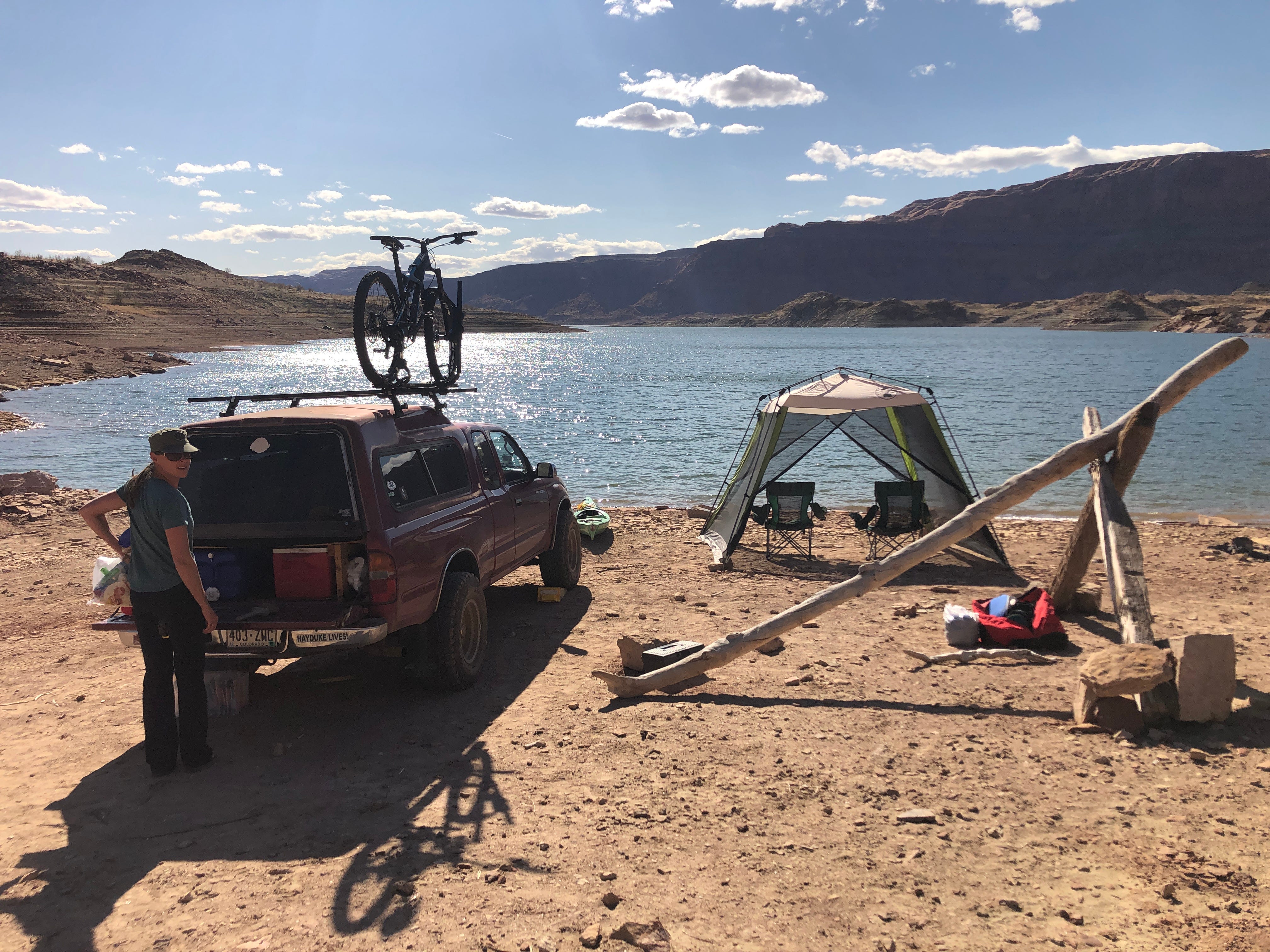
What separated my life from theirs was rarely income. It was priorities. While others spent money on newer vehicles, I drove old ones. While others purchased larger homes, I chose smaller spaces. While others pursued promotions, I pursued freedom. While many of my friends were building families, I made the personal decision not to have children. Not because there is anything wrong with raising children, but because I understood that parenthood requires enormous amounts of time, energy, and money—resources I wanted to devote elsewhere.
Every choice creates opportunities, but every choice also closes doors. This is the part of the privilege conversation that often gets overlooked. When people see someone hiking through the mountains on a Tuesday afternoon, they see the reward. They rarely see the thousands of decisions that made that moment possible. They don’t see the years spent living below one’s means. They don’t see the older vehicles, the smaller apartments, the skipped luxuries, the unconventional career paths, the uncertainty, the sacrifices, or the opportunities willingly surrendered in pursuit of a different kind of life.
The modern conversation about privilege sometimes suggests that our outcomes are determined almost entirely by forces outside ourselves. Certainly, circumstances matter. Some people begin the race farther ahead than others. To deny this would be foolish. But there is another truth that deserves equal attention: human beings possess an extraordinary capacity to shape their lives through the choices they make every day. Most people dramatically underestimate the power of what happens when years of intentional decisions begin to compound.
A person earning a modest income who relentlessly prioritizes freedom will often enjoy more freedom than a high-income earner who continually expands their obligations. A person who values experiences over possessions will often travel farther than someone earning twice as much. A person willing to live differently can often live far more freely than someone committed to meeting society’s expectations. This is not a statement about superiority. It is simply a statement about trade-offs.
The purpose of my writing has never been to deny that obstacles exist. They do. Some are significant. Some are unfair. Some are heartbreaking. My purpose is the opposite. I write because I want people to recognize how much power they still possess despite those obstacles. I want people to question assumptions they have inherited about what a successful life must look like. I want them to see that there are countless ways to build a meaningful life. And most importantly, I want them to understand that freedom is often less a matter of privilege than a matter of priorities.
Not always.
But far more often than we’ve been led to believe.
The greatest myth of privilege is that it convinces people their lives are determined entirely by circumstances. The truth is more empowering than that. While none of us choose where we begin, all of us retain some ability to choose where we go next.
These ideas form the foundation of my book, I Don’t Want To Grow Up. Despite the title, the book is not about avoiding responsibility. It is about questioning assumptions. It is about examining the invisible rules society hands us and deciding which ones actually deserve our obedience. It is about realizing that there is no single correct way to make a living, build a life, or define success. Through stories from my own journey of leaving behind a conventional path in favor of one centered around freedom, travel, creativity, and personal meaning, the book challenges readers to think beyond the script they were given and begin writing one of their own.
If you’ve ever felt trapped between what you’re told you should want and what your heart genuinely desires, then this book was written for you. Because growing up should never mean giving up on your dreams. It should mean having the courage to pursue them on your own terms.
No posts
Comments
Nothing yet. Say the first thing.
Sign in to join the conversation.