
Somewhere along the way, many of us began treating ourselves like unfinished projects. We became convinced that happiness, love, success, or belonging would only arrive once we corrected all the things we believed were wrong with us. Be more outgoing. More productive. More ambitious. More social. Less strange. Less ourselves.
But what if the problem was never you?
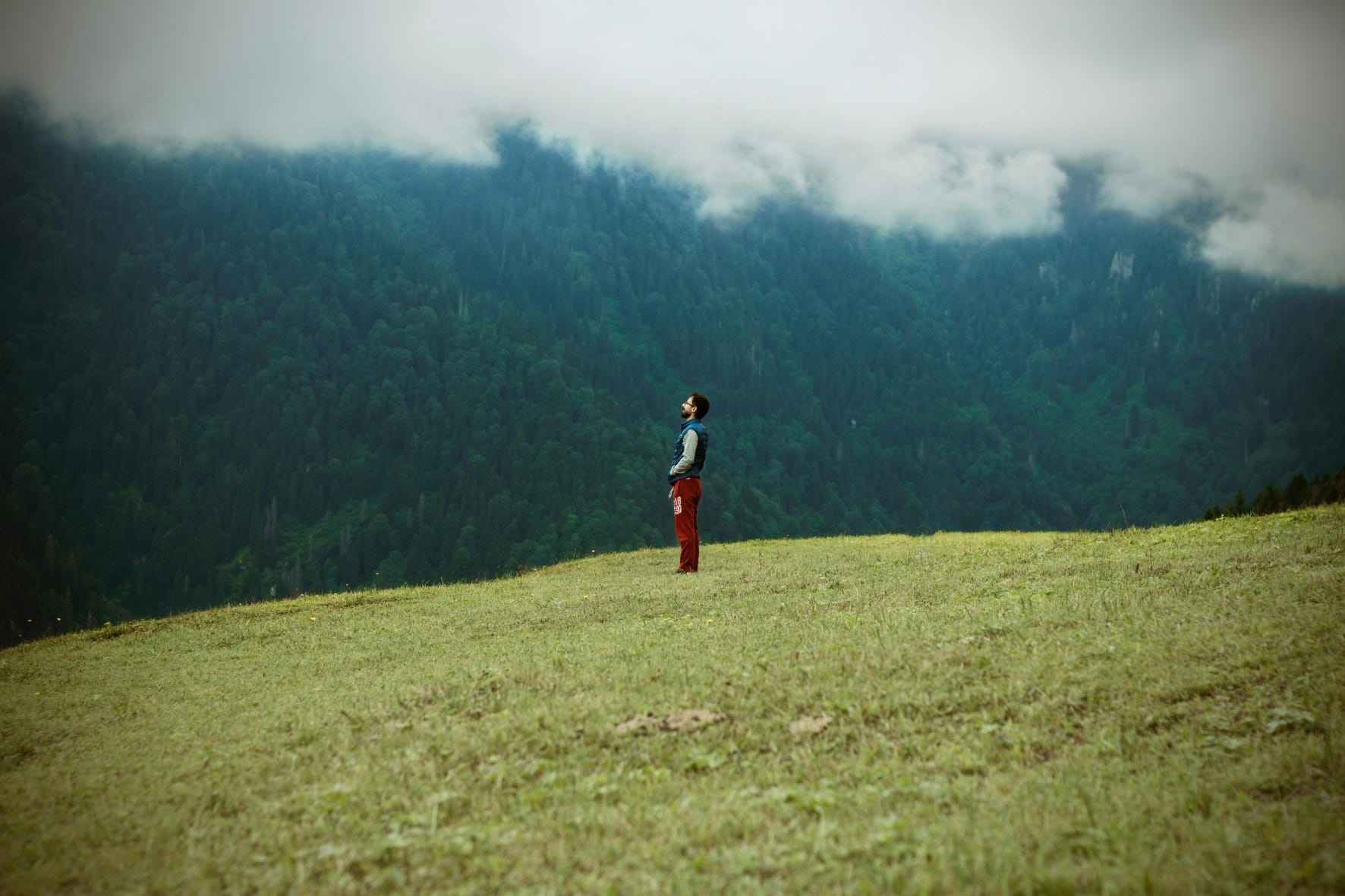
What if the exhaustion so many of us feel today has less to do with failure and more to do with performance? The endless performance of trying to fit into systems, environments, and identities that were never aligned with our true nature in the first place.
In my latest book, It’s So Super F❤️cking Important: The Introvert’s Path To Creative Genius, I wrote:
“As humans, our greatest flaw is believing we are flawed. We spend our entire lives trying to fix ourselves when, in reality, the goal should be to become more of who we are—not less.”
That line came from years of observing something both heartbreaking and universal: how easily we abandon ourselves in order to be accepted by the world around us.
From childhood, we are subtly conditioned to seek approval. Certain traits are rewarded while others are met with resistance. So we begin editing ourselves. We smooth out our edges. We dim parts of our personality. We become digestible versions of who we really are. And after enough years of doing this, many of us can no longer distinguish between who we truly are and who we learned to pretend to be.
This is especially true for introverts, creatives, dreamers, wanderers, and highly sensitive people. Many of us grow up believing there is something inherently wrong with our nature simply because it doesn’t mirror the dominant culture around us. A world obsessed with noise will naturally misunderstand stillness. A world obsessed with productivity will misunderstand reflection. A world addicted to attention will misunderstand solitude.
And after a while, many of us stop trusting ourselves altogether.
We look outward for answers instead of inward. We compare ourselves to people living entirely different lives with entirely different nervous systems, desires, and callings. We try to become more like everyone else while quietly abandoning the very qualities that made us unique in the first place.
But history tells a different story.
Nearly every meaningful leap in human evolution came from people willing to think differently. Artists. Writers. Philosophers. Mystics. Innovators. Explorers. People who stepped outside the script instead of blindly following it. At the time, many of them were misunderstood too.
The irony is that the very traits we try hardest to suppress are often the source of our deepest gifts.
Our sensitivity may be the doorway to profound creativity.
Our solitude may be where our clearest ideas emerge.
Our refusal to fit in may be the exact thing protecting our souls from becoming generic.
Yet modern life constantly pressures us toward sameness. Algorithms reward imitation. Institutions reward compliance. Society praises predictability. And slowly, many of us begin editing ourselves until we become disconnected from the quiet inner voice that once knew exactly who we were.
This creates an enormous amount of suffering because the soul cannot thrive inside a performance forever.
We can feel it when we have abandoned ourselves. There is a heaviness to it. A kind of quiet grief. We may appear successful externally, but internally we feel fragmented, exhausted, anxious, or numb because we have drifted too far from our authentic nature.
The solution is not more self-improvement.
The solution is self-remembrance.
And to start asking:
“What remains when I stop pretending?”
That question changes everything.
Because authenticity is not something we create. It is something we uncover. Beneath the conditioning. Beneath the fear. Beneath the masks. Beneath the endless effort to become “normal.”
There is already a real version of us beneath all of it.
And perhaps the greatest tragedy in life is failing to realize we were already extraordinary.
The world does not need more copies. More manufactured personalities. More people abandoning themselves to fit into systems built on conformity.
It needs people courageous enough to become fully themselves.
That is where creativity comes from.
That is where aliveness comes from.
That is where peace begins.
By finally allowing ourselves to be who we already are.
If this resonated with you, my book It’s So Super F❤️cking Important: The Introvert’s Path To Creative Genius was written for people who have always felt a little different in this world—introverts, creatives, deep thinkers, and anyone tired of pretending to fit into a life that doesn’t feel like theirs.
You can find it here: scottstillmanblog.com
No posts
Comments
Nothing yet. Say the first thing.
Sign in to join the conversation.