
For a long time, I have used the word mindset in my work. It was a convenient shorthand. It suggested openness, adaptability, and a willingness to learn. In leadership contexts, it often landed well.
Lately, I have become less comfortable with it.
This is not because mindset is “wrong” or because people who use the term are misguided. It is because the word increasingly fails to describe the kinds of problems leaders are actually facing, particularly in what I describe as the messy middle, where old models no longer work, new technologies accelerate faster than understanding, and decisions still have to be made with incomplete information.
As Dave Snowden once observed, “I still have to meet a person whose mind is actually set.” The problem, as he hints, is the word set. It implies something fixed, internal, and largely under individual control. Yet most leadership failures I see are not caused by closed minds or poor attitudes. They are caused by context, incentives, information flows, time pressure, and structural constraints that shape what is even possible to see or decide.
In practice, mindset language often places responsibility in the wrong place. It subtly suggests that if leaders struggle, they simply need to think differently. That can sound empowering, but it can also obscure the systems they are operating within and the limits those systems impose.
This is one reason why critiques of ideas like “growth mindset” have become more persuasive over time. Not because learning and development do not matter, but because telling people to adopt the right mindset can become a moral instruction rather than a serious inquiry. It risks turning complex organisational problems into individual psychological ones.
Professor Rob Briner makes a useful distinction here. Asking “Is that really a thing?” is not about debunking or myth-busting. Those approaches can entrench ideas and shut down reflection. The better question is whether a concept still helps us think clearly about the problems in front of us.
For me, mindset is increasingly not doing that work.
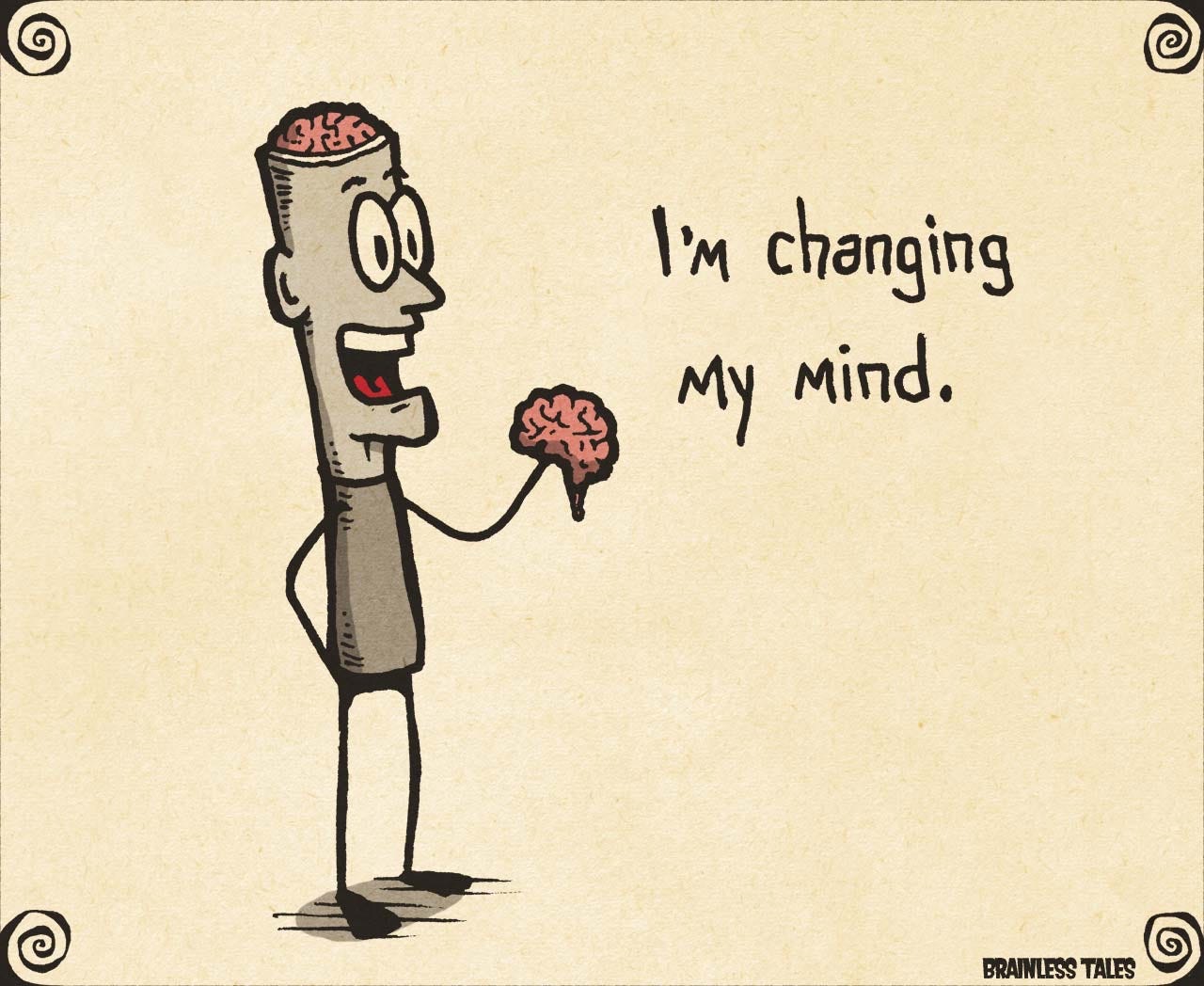
What I see leaders grappling with is not belief, attitude, or motivation. It is judgement. It is sense-making. It is decision quality under conditions where certainty is unavailable and speed is demanded anyway.
When a board is making an AI-related investment decision, the issue is rarely whether they have the right mindset. The issue is whether they understand the system they are intervening in, the risks they cannot yet see, and the assumptions they are carrying forward from a different era. When an executive team struggles to align, the problem is often not resistance to change, but competing interpretations of what is actually changing and why.
This is why I am increasingly framing my work around judgement rather than mindset.
Judgement is not a personality trait. It is not a belief. It is a capability that emerges from experience, context, and the quality of sense-making available to people at the time decisions are made. It can be strengthened, but not through exhortation. It improves when leaders are given better ways to see patterns, surface blind spots, test assumptions, and slow down the right decisions without paralysing the organisation.
Similarly, sense-making is a more honest description of what leadership now requires. Leaders are not short of information. They are overwhelmed by it. The challenge is not access to data, but interpretation. What matters is which signals are noticed, which are ignored, and how competing narratives are reconciled under pressure.
None of this means that language like mindset must be purged or corrected. It simply means that, for me, it is no longer precise enough for the work I am doing. Precision matters when the stakes are high.
So this shift is not a repudiation of the past. It is an adjustment in framing as the work has evolved. If anything, it reflects the same principle I encourage in others: staying willing to update our language when it no longer fits reality as well as it once did.
Today, I am more interested in helping leaders improve how they make sense of uncertainty and how they decide under pressure than in encouraging them to adopt a particular mindset. That feels truer to the challenges I see and more respectful of the complexity leaders are operating within.
If that means letting go of a familiar term, I am comfortable with that. The aim was never to defend a concept. It was to help people think and decide more clearly when it matters.
No posts
Comments
Nothing yet. Say the first thing.
Sign in to join the conversation.