
When I played Homeword 2 in college, I didn’t just build destroyers, I gave them histories.
At the front of my fleet was the Thundersworn Reliant, known as the Reliant to her crew. She was a Hiigaran Destroyer, one of several I sent ahead as a vanguard as my fleet advanced into hostile space. With a small ring of resource collectors darting around her hull making repairs, the Reliant would stand and fight, making her presence known. Mission after mission, battle after battle, the Reliant would stand strong.
Eventually, as I do with most things, I tried to get the narrative out of my head and onto paper. That endeavor was a comic using screenshots from the game, and I had big plans to build a bridge model in 3D software and have interior scenes (instead my 3D modeling experience ended with my creation of a Pokemon named Squirtle a beer tap Pokemon, before I really knew he was a real Pokemon, but that’s another story). I called the comic Missions of the Reliant, borrowing the name from an old Macintosh game I had played years earlier. I never finished the comic, and I’m sure Relic would sue me into oblivion if I tried, but… it underscored a love for Destroyers for me.
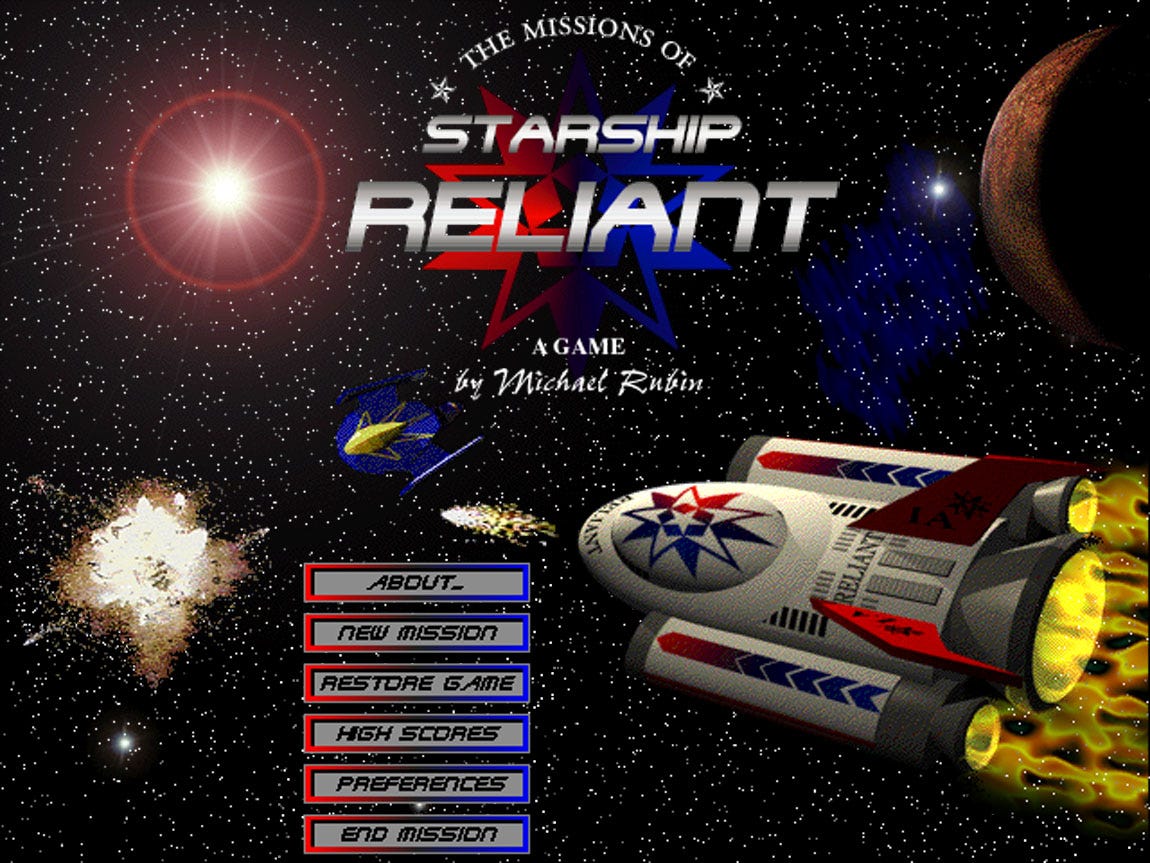
That’s the thing about Destroyers, they don’t enter the story with histories and legends, they earn theirs in blood and valor. That’s a bit dramatic for video games, I know, but lets look at real world Destroyers…
The name “destroyer” began as a shortened version of “torpedo-boat destroyer.” In the late 1800s, navies needed a fast, maneuverable ship capable of protecting their battleships from small torpedo boats. Over time, the torpedo-boat destroyer became simply the destroyer, and its responsibilities continued to grow.
The name “destroyer” began as a shortened version of “torpedo-boat destroyer.” In the late 1800s, navies needed a fast, maneuverable ship capable of protecting their battleships from small torpedo boats. Over time, the torpedo-boat destroyer became simply the destroyer, and its responsibilities continued to grow. They aren’t the largest ships in the fleet, but they are called on more often than any other ship in the fleet — and often times they are alone.
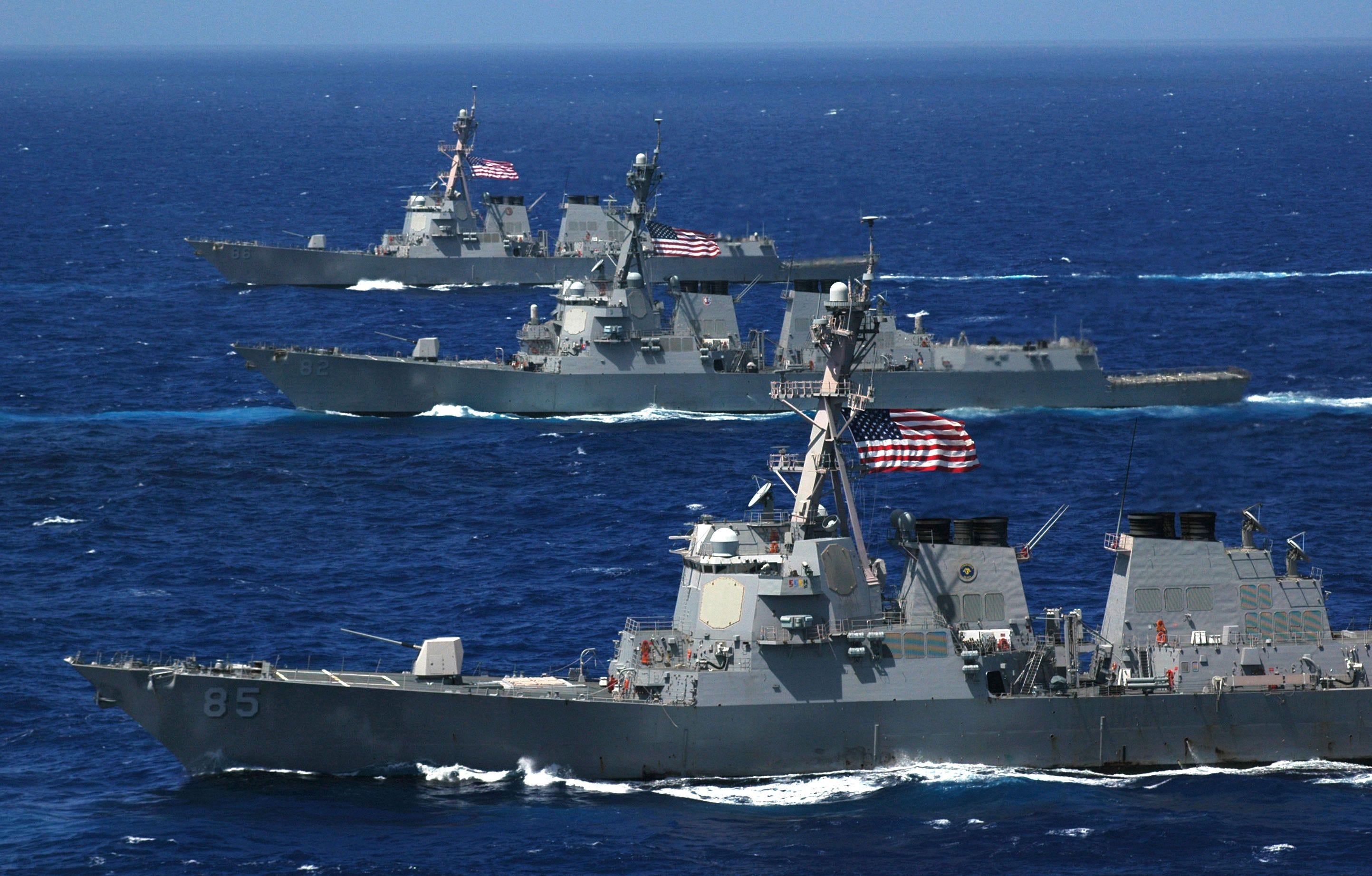
That versatility is a huge part of why I love them. I’m a fan of the modern Arleigh Burke-class destroyer, both because I think it looks cool and because of its multirole mission. It is a ship designed to go wherever it is needed and deal with whatever it finds when it gets there. I’m also fascinated by the destroyers of World War II and the stories of the “Tin Can Sailors” who crewed them. These were relatively small ships that sometimes found themselves facing threats wildly out of proportion to their size. Those stories carry a sense of determination that you don’t always get from the biggest ships. A battleship is supposed to be terrifying, a tin can, not so much.
That spirit carries over into science fiction, or at least it does for any science fiction that doesn’t rhyme with bar drawers (which we’ll touch on later).
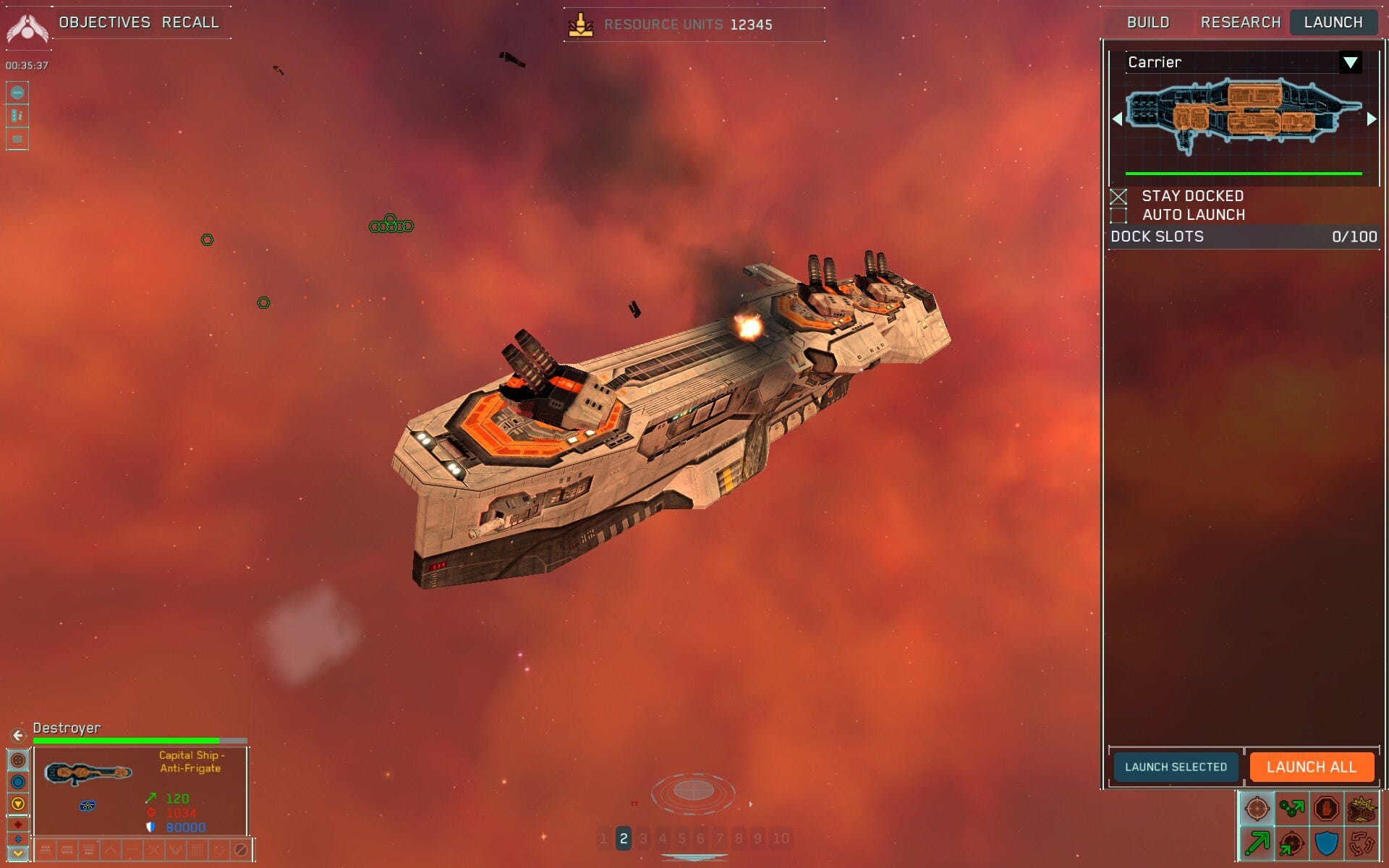
The Hiigaran Destroyer from Homeworld 2 remains one of my favorite ship designs in any video game.
Part of that is the design itself. When I first played Homeworld 2 in college, it didn’t look like the other science-fiction warships I knew. It wasn’t a naval vessel with its lower hull removed, nor was it another collection of wings attached to an engine. It had a long, narrow profile, an unusual vertical layout, and massive kinetic turrets mounted above and below its hull. It was strange, aggressive, and immediately recognizable.
Frankly, it looked like it had been designed to do a job.
In the game, that job was primarily killing frigates and other capital ships. The Hiigaran Destroyer carried heavy kinetic cannons and torpedoes, giving it considerable firepower without making it the center of the entire fleet (that position belonged to the larger and more expensive Battlecruiser, or the Carrier with its production capabilities).
I loved sending a squadron of destroyers ahead as my vanguard. Watching them move into combat together looked appropriately epic, but it was more than spectacle. With support from resource collectors making repairs, those destroyers could survive an entire mission. They accumulated victories and battle stars, they became veterans. Even if the game didn’t track that history in the way I imagined it, I did. That is how the Reliant got a captain, a crew, and an unfinished comic book.
It is also what Homeworld did better than most strategy games. Your fleet followed you through the campaign, the ships that survived one battle returned for the next. They might be mechanically identical to newly constructed vessels, but they didn’t feel identical. One was fresh from the shipyard. The other had been holding the line three missions ago when everything nearly fell apart.
In the original Homeworld, a destroyer could park itself in an area of space and simply own it. It wasn’t invincible, but it had enough speed, firepower, and durability to make its presence known. Homeworld 2 carried that feeling forward while giving me a design I liked even more (although the HW2 destroyers were slightly squishier, so they needed more repair coverage).

They are the destroyers that refueses to retire. In Stellaris, Destroyers are incredibly useful when first researched. They are the first ship you can select a second module on, and are larger and tougher than corvettes, but still relatively fast and inexpensive. Depending on how you equip them, they can hunt smaller ships, provide point defense, carry heavier weapons, or protect the rest of the fleet.
Eventually, however, cruisers and battleships begin to outclass them. The numbers encourage you to move on. Bigger hulls carry bigger weapons, absorb more punishment, and generally look more impressive on the fleet-strength display.
But, I keep building destroyers anyway.
I mix them into my combined fleets, of course, but I also maintain smaller, roving fleets made entirely of destroyers. They patrol my territory, respond to smaller threats, and make their presence known in places that don’t require the attention of the main battle fleet. Those destroyers may not be the ships I send into the climactic battle or I keep brooding on my neighbors doorstep, but they’re the ships doing nearly everything else.
Those destroyers may not be the ships I send into the climactic battle that decides the fate of the galaxy. They’re the ships doing nearly everything else.
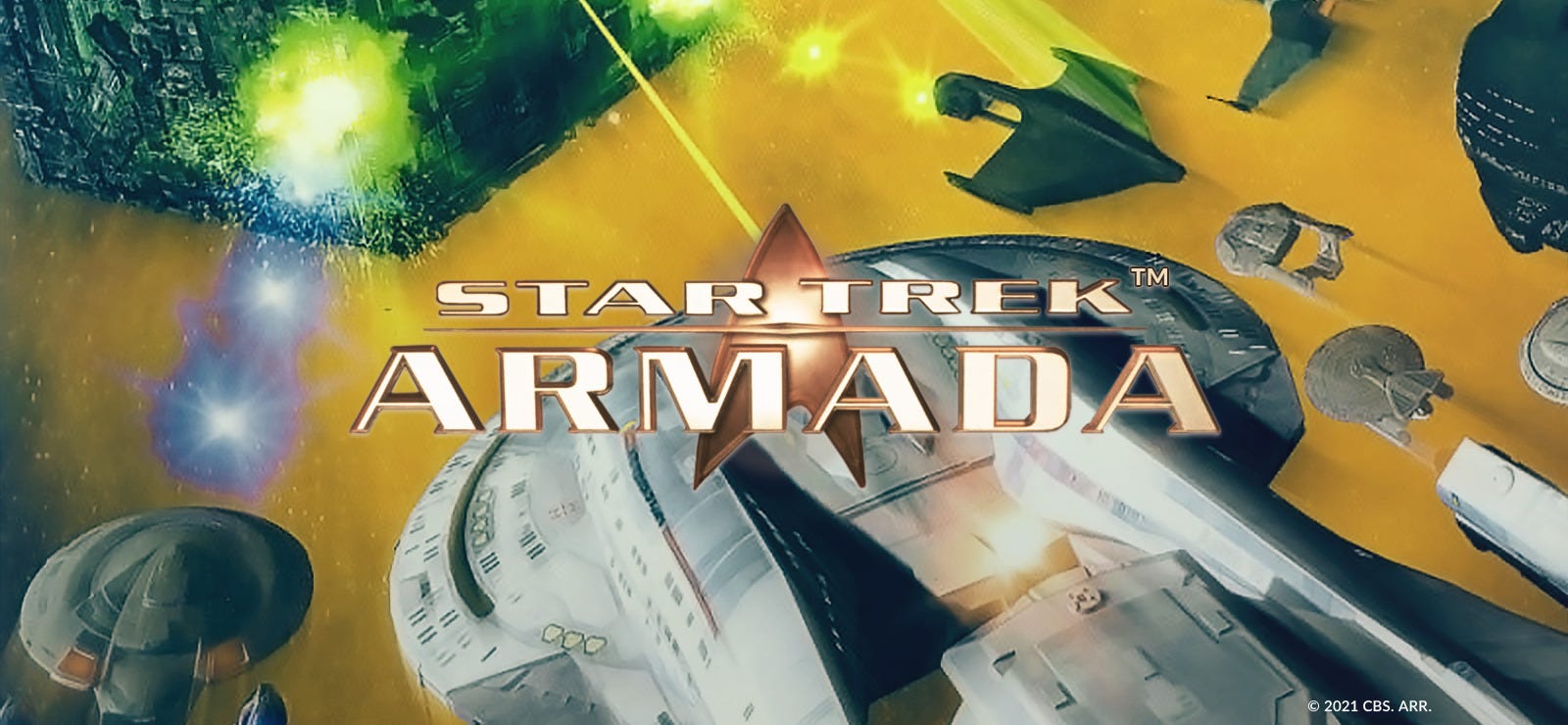
Star Trek: Armada classified the Klingon B’rel-class Bird-of-Prey as a destroyer, and I have always thought that classification fit. The B’rel is small, quick, heavily armed for its size, and able to operate independently or as part of a larger force. It can scout, raid, intercept, escort, and attack targets that may be considerably larger than itself. Add a cloaking device, and it becomes exactly the kind of dangerous little ship you don’t want roaming around behind your lines.
The Klingons seem perfectly comfortable admitting that this is a destroyer. The Federation, naturally, has to make things more complicated.
In the world of “classic” Star Trek, I have always considered the Defiant a destroyer. Officially, it is usually described as an escort, which sounds much more peaceful and Federation-like. But let’s be honest about what the Defiant is. It is a small, fast, extremely powerful warship designed during a period when the Federation (more accurately, the writers) realized gunboat diplomacy has its place, even in the future.
“Escort” may be the politically acceptable term, but “destroyer” describes the job. The Defiant is versatile, maneuverable, heavily armed for its size, and capable of fighting ships much larger than itself. It can patrol, intercept, escort, raid, and operate independently. It’s a destroyer. The Federation just doesn’t want to use that word.
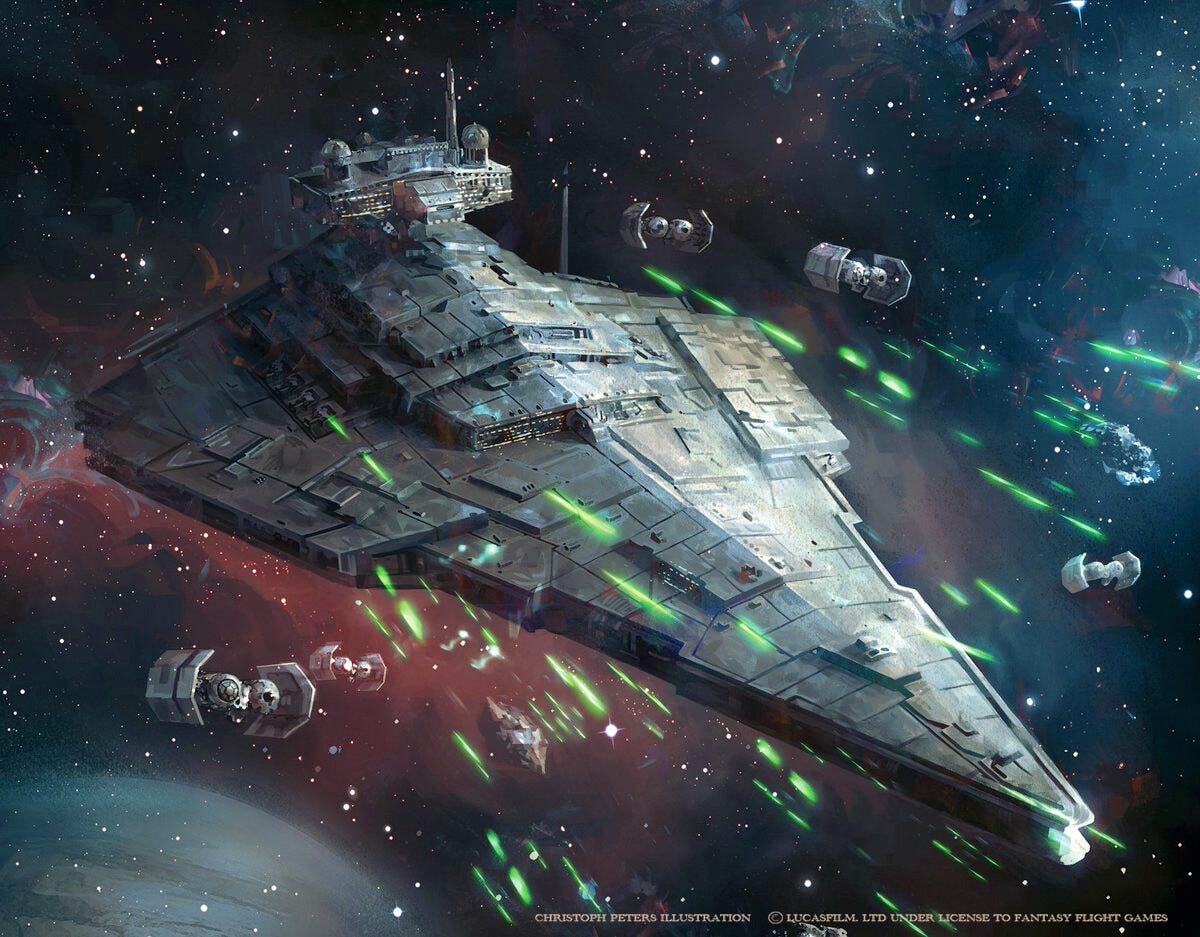
And then we have the Imperial Star Destroyer, which has almost nothing in common with an actual destroyer. I play Rebels in the tabletop game Star Wars: Armada, so I’ve made this observation more than once while looking across the table at one of those enormous gray triangles.
An Imperial Star Destroyer is a battleship, aircraft carrier, troop transport, command center, orbital-assault platform, and mobile monument to authoritarianism. Calling it a destroyer is like calling an aircraft carrier a patrol boat.
Within Star Wars, “Star Destroyer” became the name for a broad family of massive warships, so there is an in-universe explanation. But it is still funny to watch the Empire deploy a flying city filled with TIE Fighters, turbolasers, stormtroopers, and invasion equipment, then casually describe it as a destroyer. Because yes, Hobbie, two fighters against a Star Destroyer should be no problem, if it was actually a destroyer.
Which, as a rebel player, is why the Rebellion is necessary… because the Empire shouldn’t be allowed to get away with misclassifying their space ships!
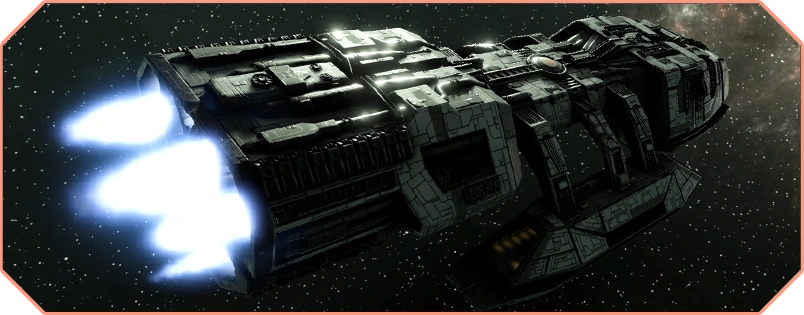
Not every science-fiction game has made me care about its destroyers. In Battlestar Galactica: Deadlock, for instance, I tended to lean toward ships with heavier firepower. Its destroyers never felt like serious contenders once more powerful options became available. What do you think?
I don’t love destroyers simply because a game attaches the word “destroyer” to a ship. I love them when they feel like tin cans: ships big enough to matter, small enough to struggle, and versatile enough to keep finding themselves in the middle of the action.
That is why I still remember the Reliant.
Years later, when I was selecting ship models for the empires in my own Stellar Empire: Skirmish card game, destroyers were still among the designs that caught my attention, and I made sure we included various versions and models of them.
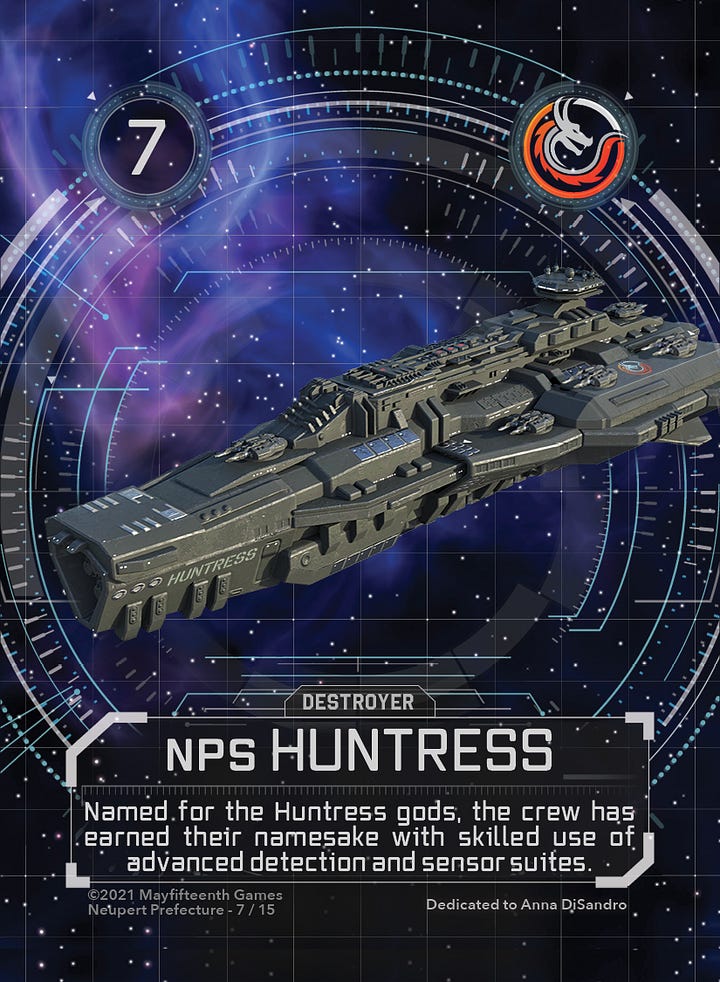
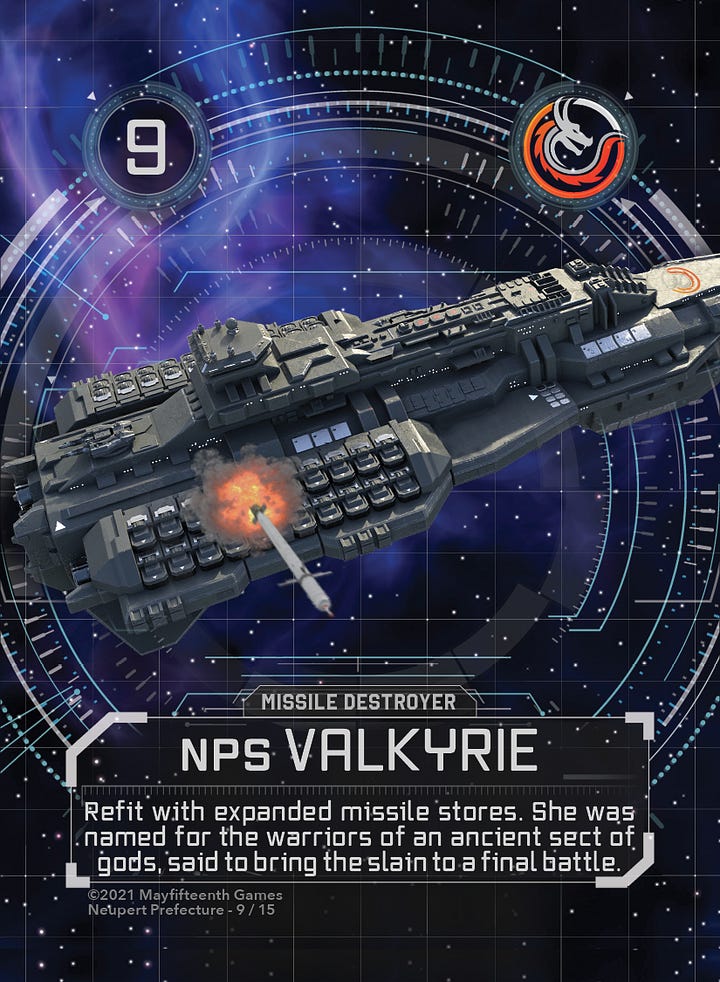
Destroyers make good supporting ships, but they make even better protagonists. They are rarely the biggest or most powerful vessels on the battlefield. They are simply the ships that keep getting sent to the front, and sometimes, if they survive long enough, we give them stories.
What is your favorite destroyer from science fiction?
Does it actually perform the job of a destroyer, or is it another enormous battleship hiding behind the name?
More importantly, did it ever survive long enough for you to start imagining the people aboard?
Comments
Nothing yet. Say the first thing.
Sign in to join the conversation.