
Local date: February 29, 2024.
Location: NYC, Union Square, Barnes & Noble
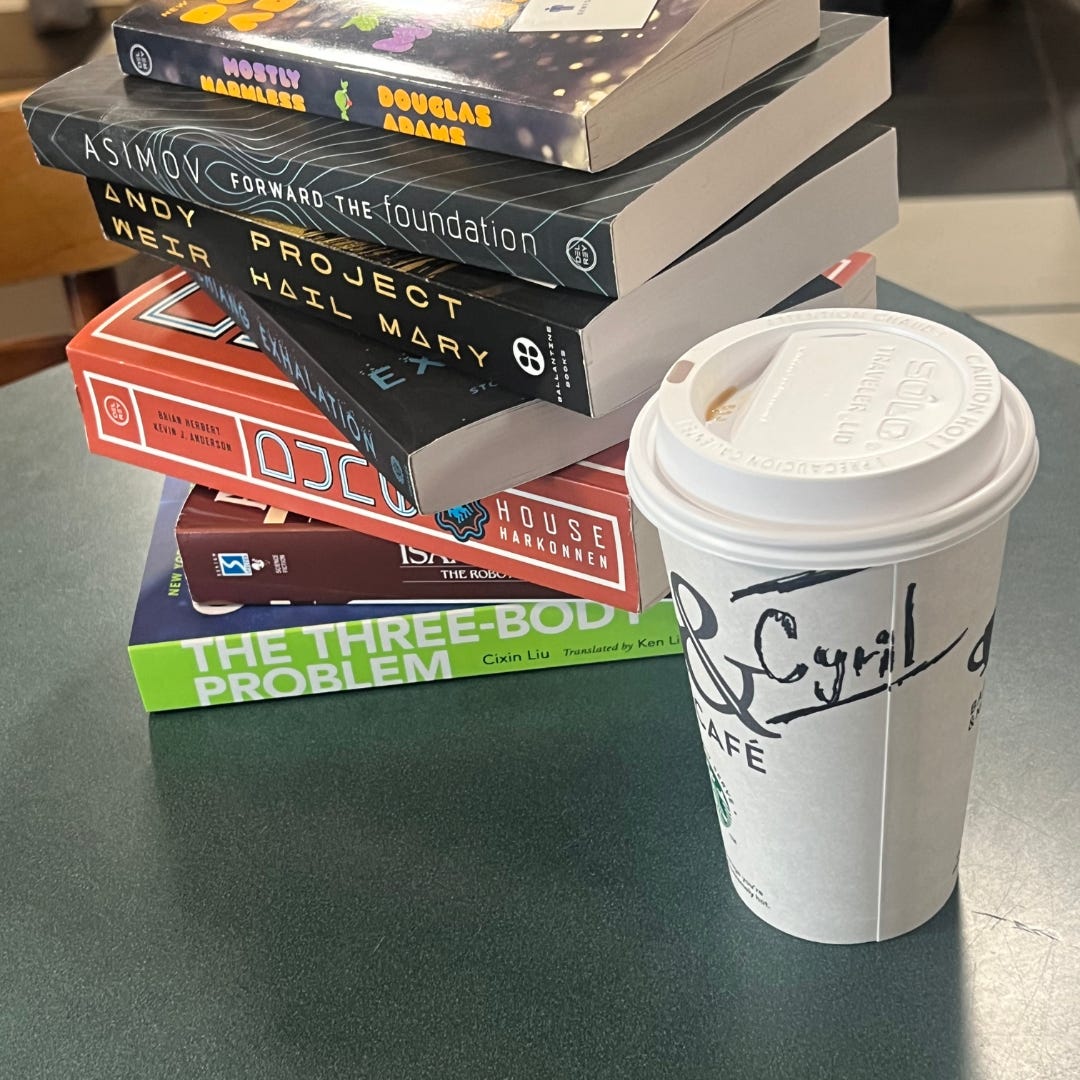
My setup: a shaky small one-legged table. There is a pile of books I gathered, covering about half of its surface. Next to them, there is a paper cup with ‘Cyril’ written on it. ‘Cyril’, of course, is for the benefit of the barista; she won’t be able to pronounce the rest of the syllables in my name, two of which are beyond the frequencies her human ear can pick up. Earth, for the most part, is addicted to coffee, a beverage I find tolerable if supplemented with at least 3 teaspoons of salt. The convenient part is that when I tear these useful paper sachets and pour the salt into my drink, it looks exactly like someone who adds sugar — a perfectly normal human behavior.
Oh, humanity. They almost get it right, like their coffee, and then they lose their grip. They stumble upon the right path and almost Puzzle Out, just to get derailed from it at the last minute and end up in a civilization-grade impasse. From day one in this assignment, it seems like sapiens are drifting away from getting their science fiction right. Like most civilizations, they got off to a good start: beginning with myths to explain what they don’t understand. Then, right on cue, came their industrial revolution that ushered science into pop culture and literature. Enter the Golden Age of Science Fiction, which was followed by outstanding new waves in the 60s and 70s. Even a few decades after these, the momentum carried on nicely—easing into the 2000s—just to end up at… well, now. Not too long ago, in order to get my project on the right track, I surveyed a handful of young humans I recruited at Starbucks. In exchange for picking up the tab of their vile sugared morning drink, they had to sit with me for a few minutes and answer a single question: What is science fiction? Fair trade. For them, that is—they actually like to drink that.
If only there were a proper word in English (the prominent language over here) that describes the level of frustrating ignorance that was manifested in the answers I was given. I would use such a word to express my dismay to my recruits. Instead, I follow protocol and keep quiet. The best example was delivered by a scrawny young man who used a tone way too confident for his frame: ‘In Sci-Fi, gadgets and futuristic tech provide the characters with superpowers, abilities, and stuff. In Fantasy, it’s done with magic. Both are dope.’
My booming silence made him spill something called latte on his shirt and dash out. In fairness, the silence only boosted the usual effect my eyebrows have when a sapiens gazes at them for too long, realizing that there are indeed only two of them, although it didn’t seem so just a second ago.
I don’t blame the young ape, nor his generation. By no fault of their own, they were born into a cultural reality that is inflated with low-tier superheroes, space operas that lack any understanding of space, and endless fantasy franchises that feel like the lame clones of each other. They have no clue that their storytelling has regressed back to its pulp-magazine stage, and in some cases, even all the way back to ancient mythologies. Can anyone expect them to know that science fiction is not just a genre but the very cultural vehicle that upjets civilizations until they Puzzle Out? How can they discover the effect of Imagination Innovation Resonance that inspires a generation of thinkers and doers to create technologies that elevate their world, getting them closer to their childhood tales? They make it a little more science and a little less fiction. This forces a new generation of writers to push themselves further and imagine a world even more fantastic, which will inspire yet a new wave of innovators. And so it keeps resonating until the civilization is Puzzled Out.
I have to dig deeper into various Earth cultures to determine if they can still get back on the path that will lift them up, that will make them puzzle out the universe. If indeed Puzzling Out is still a valid possibility, then there are repercussions, but this is not my department.
On a more positive note, I think I’m onto something. This has been my focus this last month: short stories, what happened to them? They got diluted and became a rare breed in the genre. This may be explained by the Sci-Fi economy on this planet. At the beginning, science fiction writers were motivated to write short stories. That was a good way to catch a break; you submit your story to a magazine. If it was picked up, this could be the stepping stone for a Sci-Fi writing career. Today, on the other hand, with the overwhelming abundance of content, new writers are driven in the opposite direction: write a series. Invest in a good concept, comprehensive setup, and produce your first novel. So, now your foot in the door is not a short story but a fully developed book, introducing a whole new world and ending with several loose ends and a cliffhanger. The lucky authors whose debut novel gets some attention can leverage it and keep writing sequels, creating a series. The economy of this is favorable; every sequel utilizes the initial investment in world-building, requiring less innovation and smaller mental labor of creating new concepts. These days, new authors are inspired by the likes of Harry Potter, The Hunger Games, and the Bobiverse. Gone are the days that an editor would invite you to contribute to an anthology, a commitment that would stimulate your creativity and drive you to push the boundaries of your imagination.
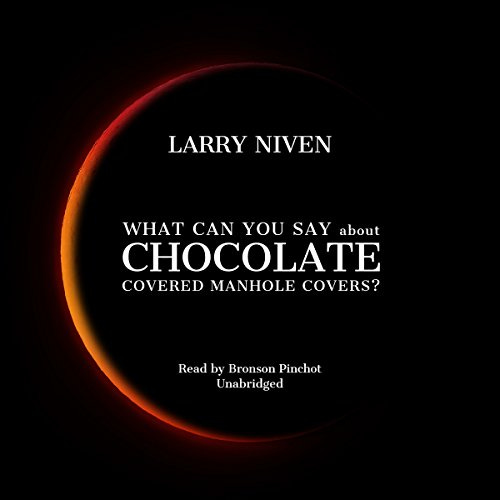
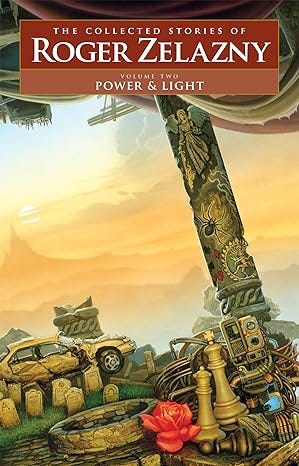
The saddest aspect of this is that sometimes a well-crafted short story can carry greater value to the reader than a book or even a series. Not all short stories, of course, but those that were able to introduce a novel concept and weave it with compelling narrative and good storytelling. When done just right, such a story will keep evolving in your mind longer than a book and longer after you finish reading it. Did humanity lose this type of mental gift? This is key for Puzzling Out. I have to be on the lookout, scanning new releases while seeking the right pattern. To help identify this pattern, I gathered 7 short stories that form the baseline for the signals I seek:
Blish did not come up with the concept but was the one to coin the term Pantropy, which is a fresh approach to space colonization: instead of terraforming alien planets to support human life, humans are modified by genetic engineering to fit any planet. Surface Tension tells the story of a stranded crew of an Earth ship that was forced to create a new generation of microscopic aquatic humanoids, their only chance of passing on their genes. The new generations of these micro-humans, while oblivious to their origin, possess all of the powerful traits of sapiens, like curiosity and the drive for exploration. They embark on a fantastic discovery mission to find out what lies beyond their world. The story makes the readers to rethink the causality of humanity's origin and leave them with an impulse to Puzzle Out the universe. Dear Mr. Blish, you were getting too close for comfort.
This is a story about a group of exceptionally smart individuals who are going through a set of intelligence tests. They do so casually; however, the exercise leads them toward an unexpected turn. In a way, this is a story about Puzzling Out. Of course, this is not exactly how our Puzzling Out works, but this is the direction some sapiens should consider. The stakes are high.
This piece is a potent brain snack about time manipulation. It is delivered through a powerful tale of sorrow and regret. After reading Divine Madness sapiens tend to reflect on their life choices and the turning points in their journey that diverted them.
There are several concepts packed into this gem: time travel, consequences of natural selection on modern humans, and the effects of advanced technology where it should not exist. Sounds crowded, but remarkably, it all ties together neatly into a cohesive tale of human greed and benevolence flying at each other’s face when 'too soon' becomes 'too much.' Humanity should take note of this one. I will be monitoring.
The setup for this short is the looming threat from a dangerous alien race (alien to humans). The story is a clear demonstration of the not-too-obvious relationship between theoretical science and practical engineering. The solution concludes Not Final! with a punch that will inspire all scientists and engineers to push themselves beyond what they perceive is possible. I’ll be watching closely to see if more stories like this start spawning at some point, as this could introduce a tipping point in humanity’s journey.
This is a delightful thought experiment on free will. While the device described in What’s Expected of Us does not address the implications of quantum mechanics and is opinionated about cause and effect, the whole narrative works nicely and will resonate in your mind for a while. Also in the minds of humans.
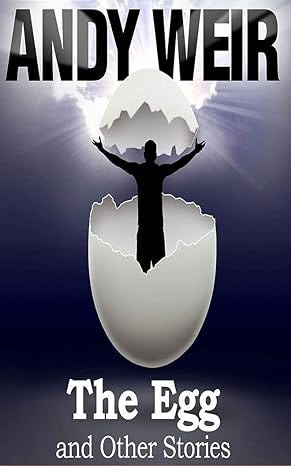
This piece, less than 1,000 words, is one of the best examples of the awesome power of short stories. After five minutes, the reader will ponder the meaning of life, the meaning of death, god, and the universe. Humanity will be seen in a whole new light. The strongest signal for the significance of The Egg is its popularity. It has been translated into 30 languages and has had several adaptations. I’m on the lookout for similar signals.
Our system is now calibrated for this pattern and will alert me when similar signals are detected in new literature anywhere on the planet. My focus for the following month is on a few profound science fiction novels. I will report my findings here at the same time.
Here are links to the books Cyril mentioned, most of them are in the public domain, available for free:
From Yoav Ilan:
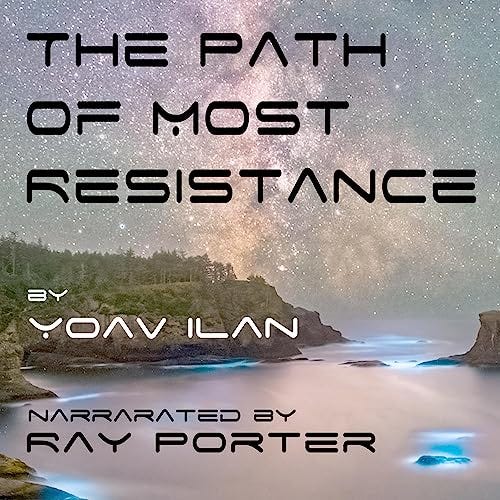
The Path of Most Resistance and Other Stories is a collection of short science fiction stories, ranging across wide spectrum of sub-genres and setups — From Silicon Valley to the far reaches of space. It’s available in several formats including audio, narrated by Ray Porter.
Comments
Nothing yet. Say the first thing.
Sign in to join the conversation.