How a brutal drought may have helped unleash yellow fever in Brazil
Animals searching for water brought the forest to the city, perhaps sparking Brazil’s first yellow fever outbreak in decades.

INDEPENDENT JOURNALISM SINCE 1921
Animals searching for water brought the forest to the city, perhaps sparking Brazil’s first yellow fever outbreak in decades.
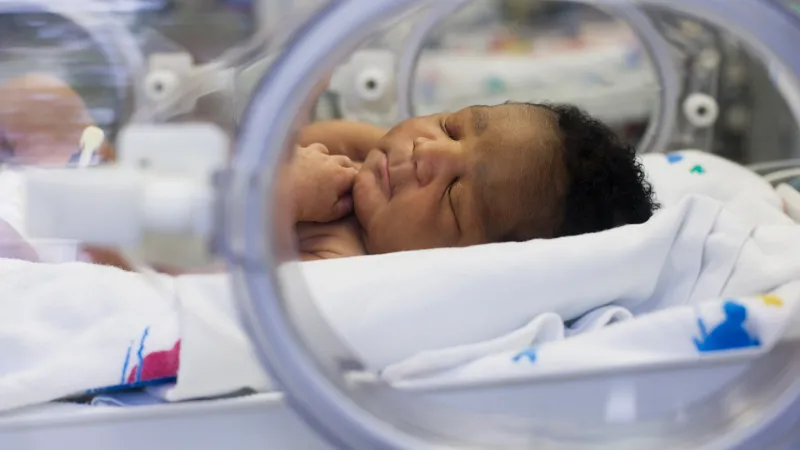
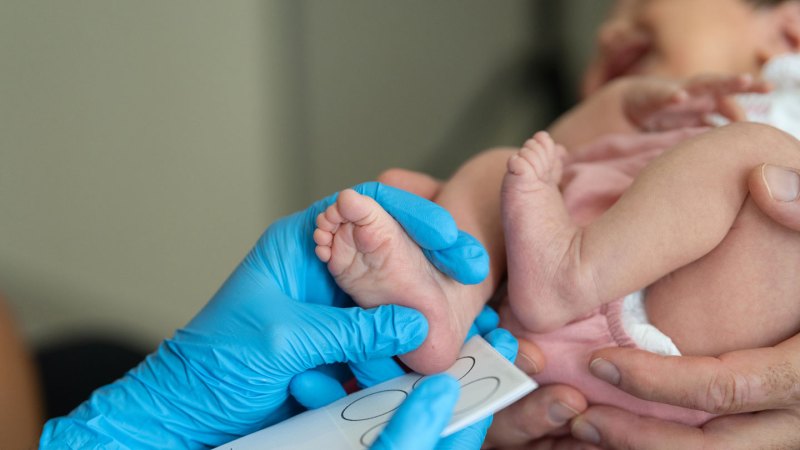
Necrotizing enterocolitis strikes premature babies with almost no warning. A new approach aims to detect it early with a quick, low-risk scan.
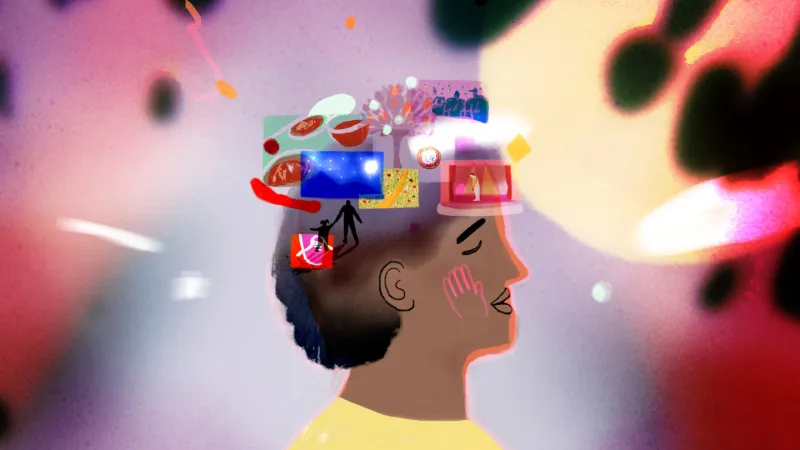
In fiction, photographic memories crack the case or save the day. But our brains can’t hold on to everything — and that’s a good thing.
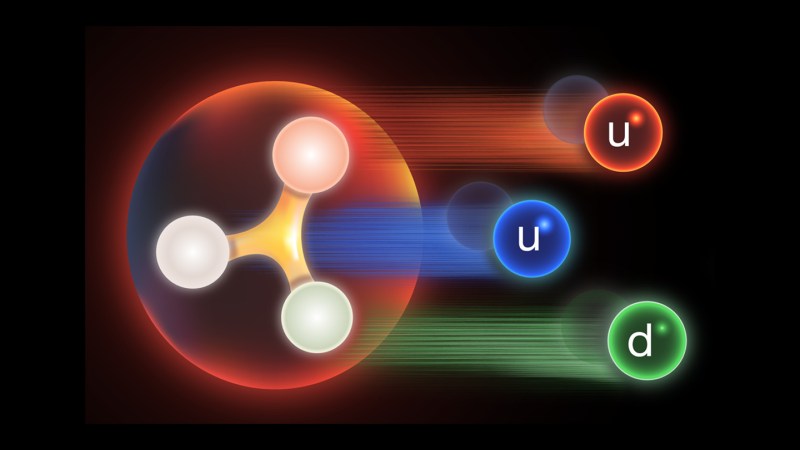
Gluons do more than hold protons together. They may also help define the proton’s identity through a quantum property called baryon number.
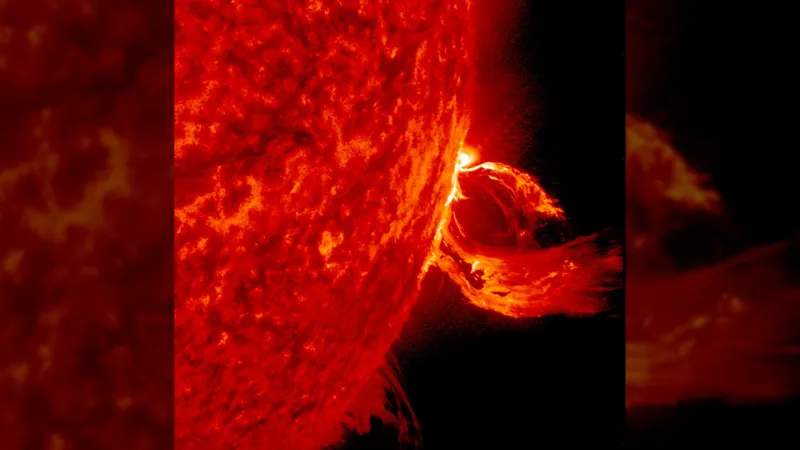
The sun frequently flings plasma into space, but sightings of such eruptions on other stars are rare. Magnetic fields could explain why.
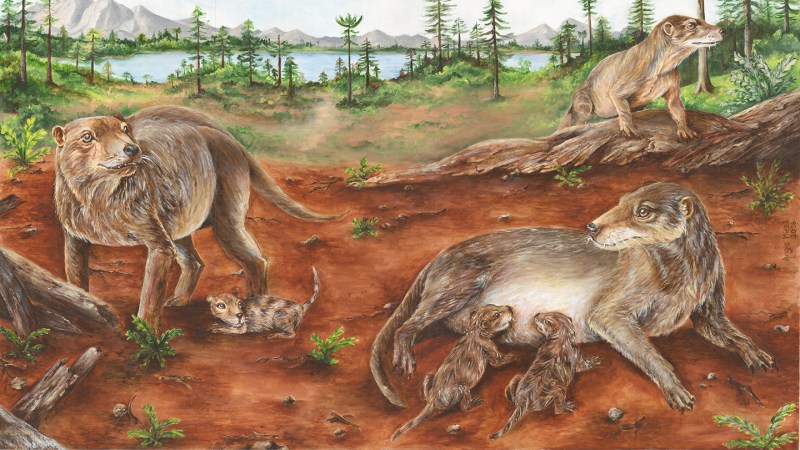
Growth rings on a fossil bone suggest at least one mammal ancestor gave birth to live young rather than laying eggs 236 million years ago.
Estrogen-only menopause therapy in older women was linked to less Alzheimer’s brain pathology at autopsy but may not prevent the disease.
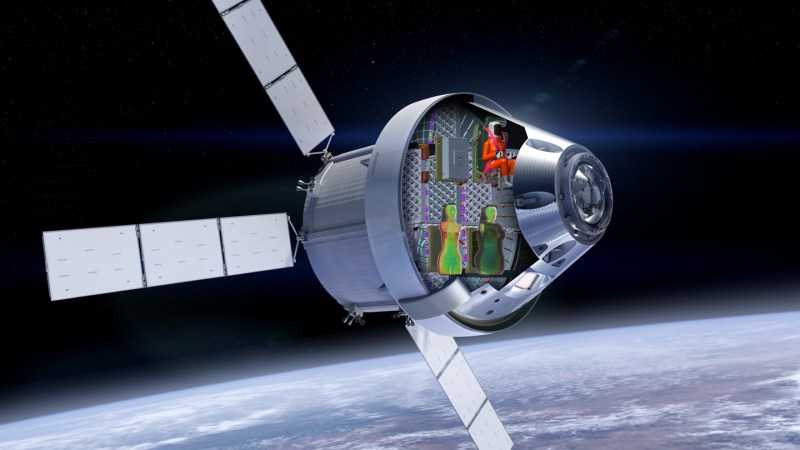
A 26-kilogram plastic garment, flown on a model human torso on the uncrewed Artemis I mission, may one day protect astronauts from solar storms.
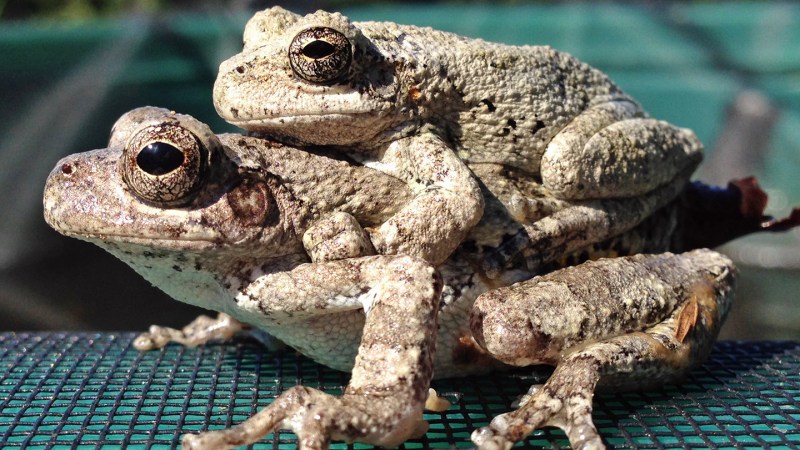
In the lab, female frogs were less likely to choose preferred males as mating calls increased, potentially giving other males a better shot.
Genetic screening that identifies cancer-linked mutations in newborns could give doctors a head start on treatment, but it comes with risks.
What makes a greener wipe? Researchers have more to say about bamboo's ecological risks, given limited carbon footprint data.
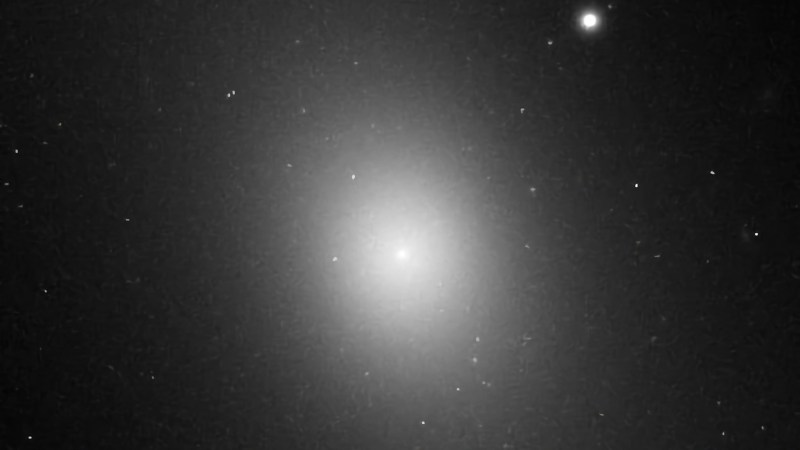
Scientists have identified the edge of galaxy IC 1101 and crowned it with the title of largest known galaxy.
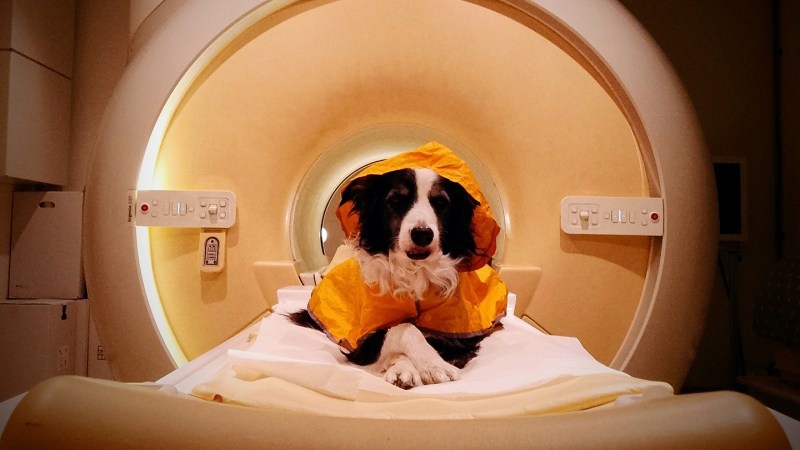
A new brain-imaging study suggests that dogs may be able to distinguish between certain negative human emotions just by looking at people’s faces.
School device use links with lower test scores and distractions abound. But reversing the entrenched pandemic pivot to screens will be hard.
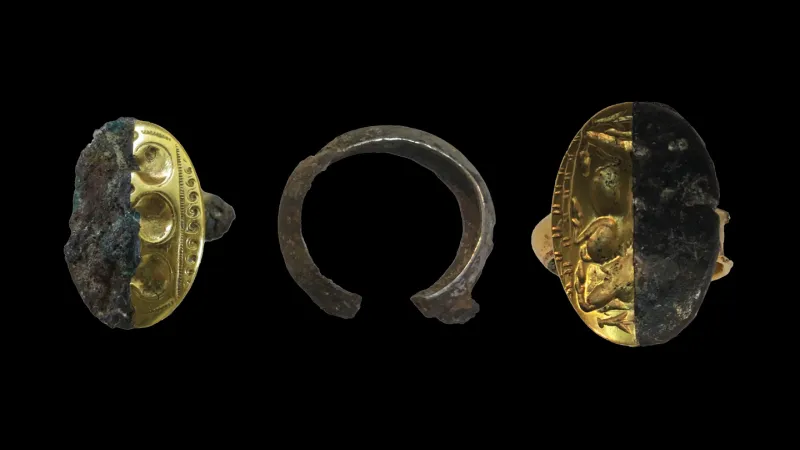
Chemical analysis of Bronze Age iron objects indicate that Greek nobles may have indulged in signet rings made with precious metal from the sky.
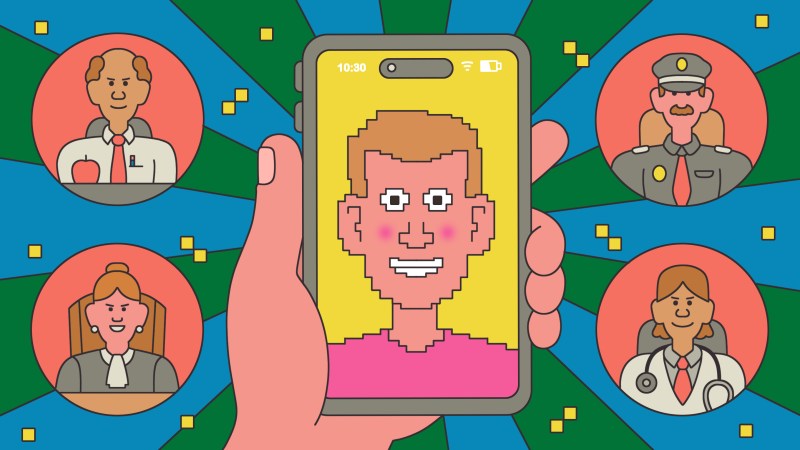
In simulated conversations, social hierarchy can sway AI agents, making lower-status systems more likely to follow harmful requests.
Compared with standard flu shots, Moderna’s mFlusiva generates stronger, longer-lasting immunity and is more effective at preventing infection, data show.
A sweet tooth for sugars from fruits and honey may have helped fuel brain growth in our primate cousins and early human ancestors, a new study suggests.
Within minutes of impact, debris began heating Earth’s atmosphere. Fine dust trapped that heat, potentially killing the dinosaurs quickly.
Scientists have finally seen a long-predicted motion on the sun, and it may help explain explosive solar activity.