When Science Fiction Learned to Destroy the World
"Deluge" (1933) helped pioneer the science-fiction disaster movie. This week, we look at its legacy, ruined cities, classic effects, and the films that followed.

Journey into the Golden Age of Science Fiction.
Overdue Last read · last published · next check
Last read 3 days ago, longer than this feed's 1 day schedule.
"Deluge" (1933) helped pioneer the science-fiction disaster movie. This week, we look at its legacy, ruined cities, classic effects, and the films that followed.
Classic science fiction once imagined a future worth building. From Heinlein to "Star Trek," these stories valued courage, competence, exploration, and human progress.
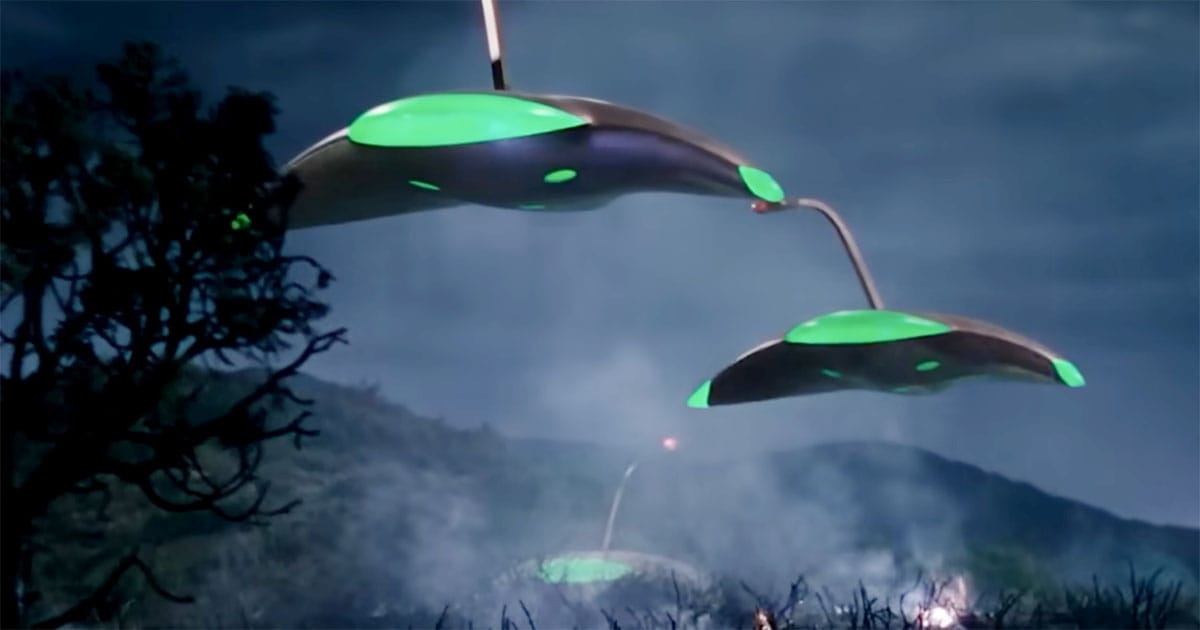
"The War of the Worlds" shows that human strength is not just firepower. Its lasting message is about courage, faith, reason, humility, and hope when technology fails.
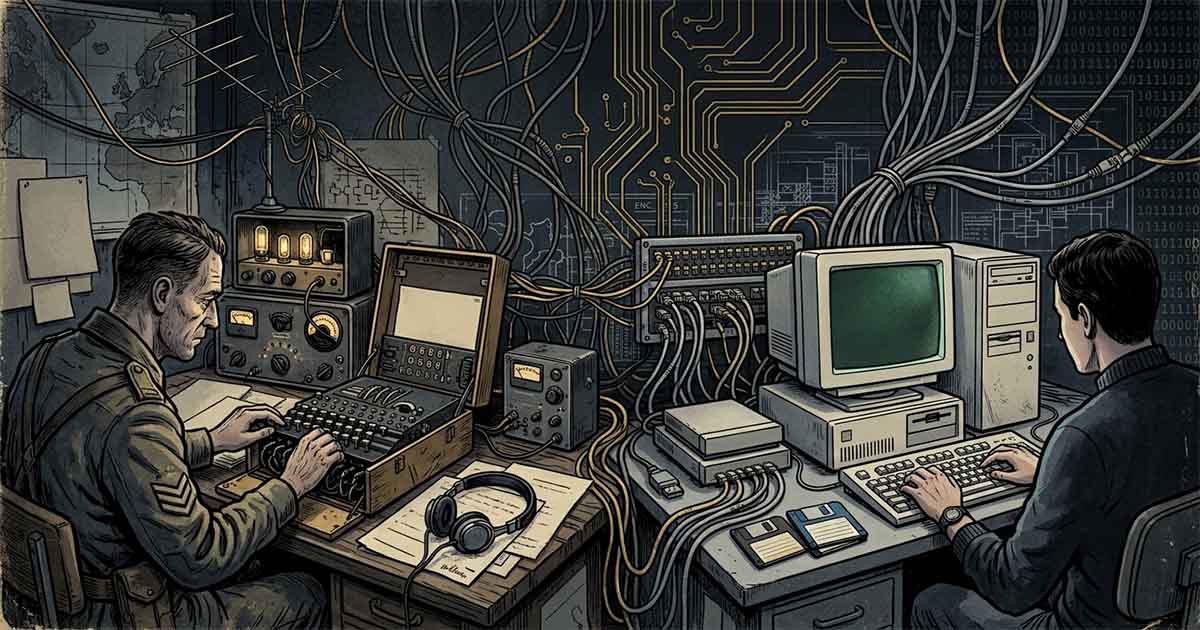
Neal Stephenson’s “Cryptonomicon” blends World War II, cryptography, computers, and adventure in a sprawling, funny, and ambitious novel about information, power, and technological change.
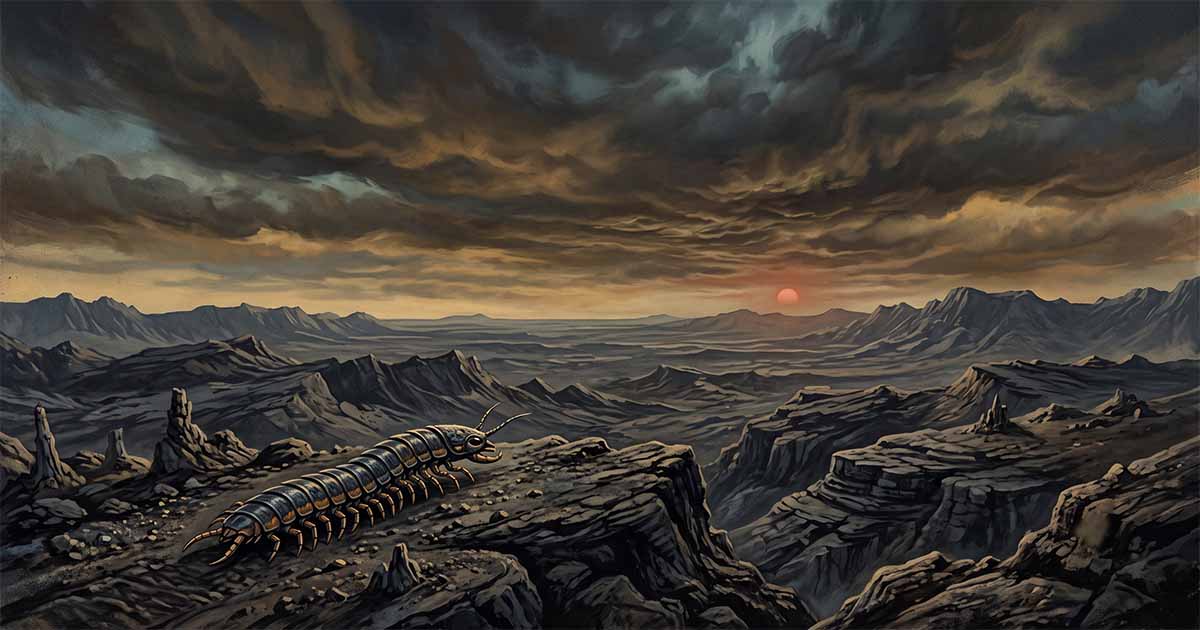
Hal Clement’s "Mission of Gravity" remains a hard science fiction classic, combining rigorous physics, alien exploration, and ingenious world-building on the extreme planet Mesklin.
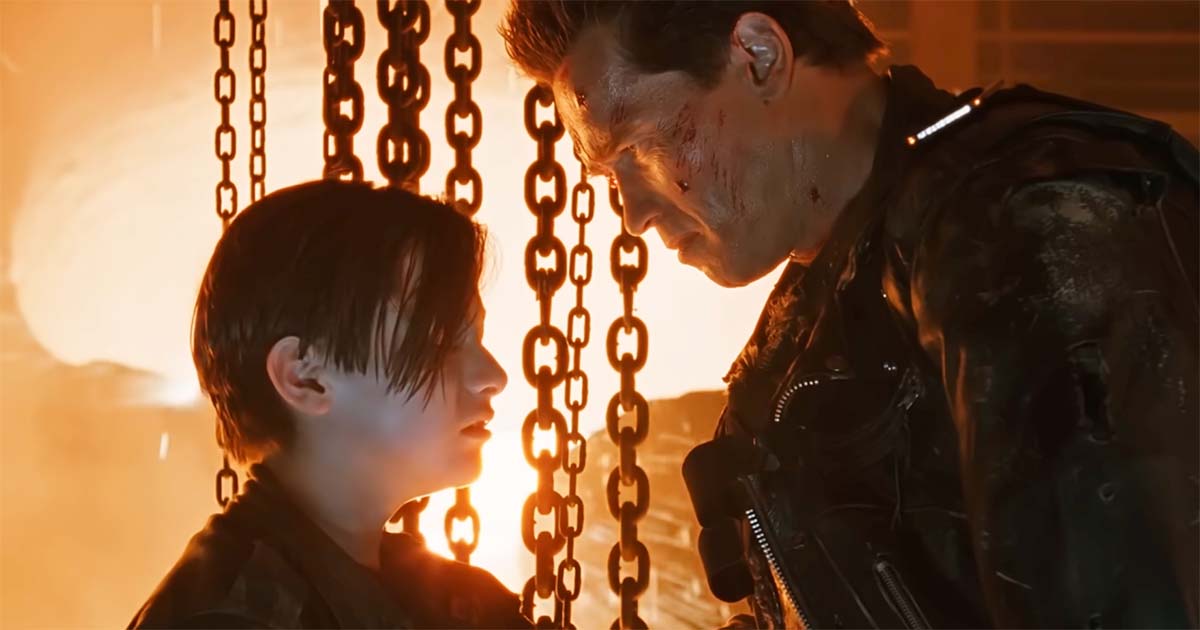
In “Terminator 2: Judgment Day,” the T-800 becomes John Connor’s unlikely father figure through loyalty, restraint, protection, and a final act of sacrifice.
Klingon collectibles reveal a culture shaped by honor, battle, language, and memory through legendary weapons, technical manuals, starships, and artifacts from the world of "Star Trek."
“Blade Runner” imagines replicants as engineered life shaped by genetic design, implanted memories, enhanced bodies, and controlled lifespans.
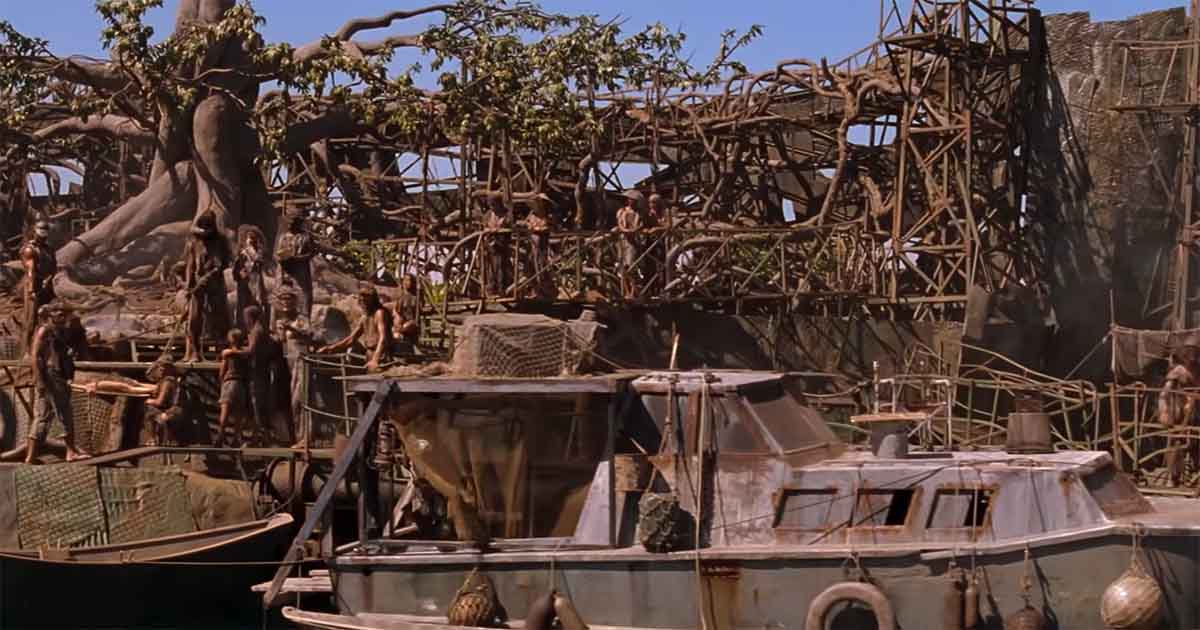
Thirty years after "Waterworld," discover how classic science fiction creates believable worlds by changing one idea and following its consequences through society, survival, and human nature.
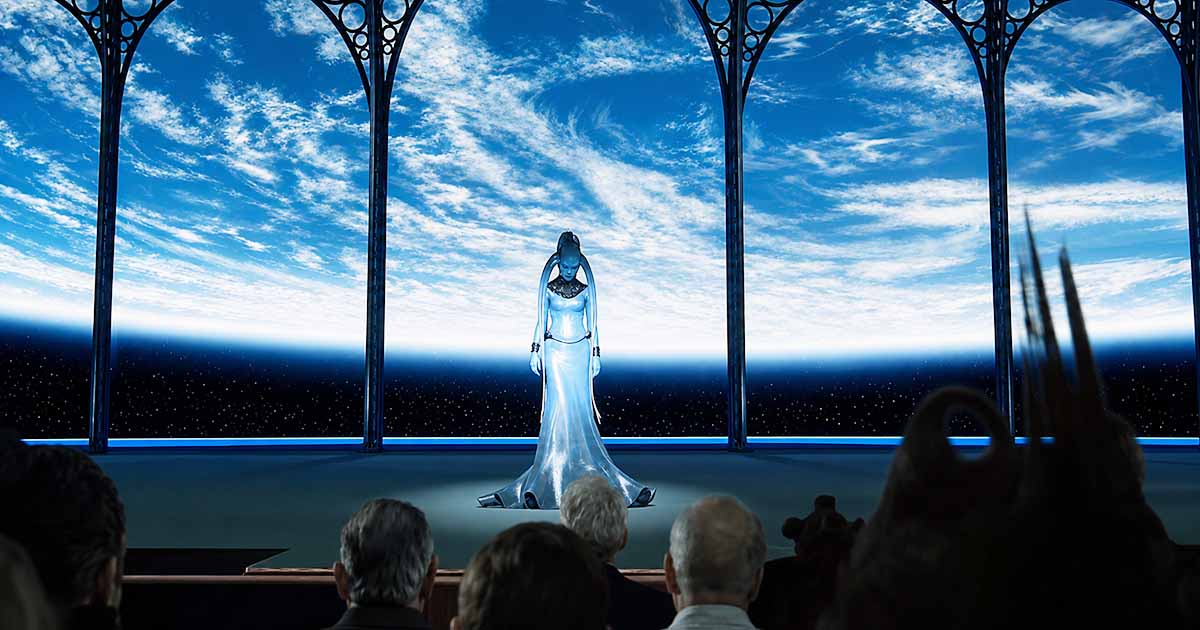
Twi'leks from "Star Wars" and Diva Plavalaguna from "The Fifth Element" reveal how music, dance, and performance create believable alien civilizations in science fiction.
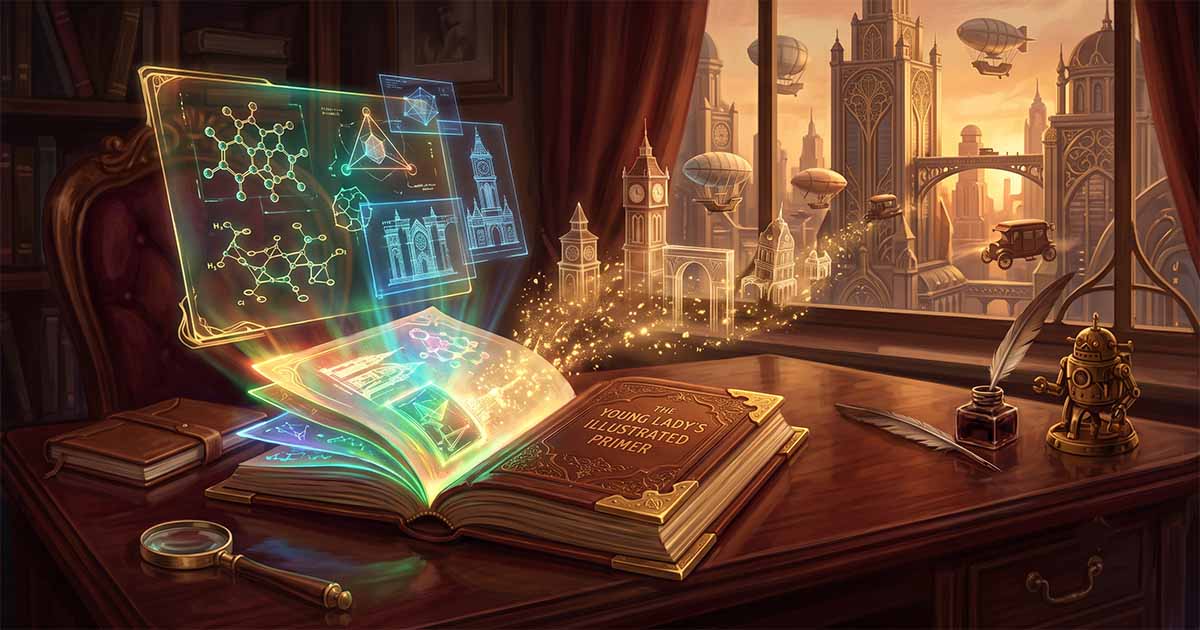
Neal Stephenson's "The Diamond Age" remains one of modern science fiction's defining novels. We examine its themes, world-building, literary strengths, and lasting influence.
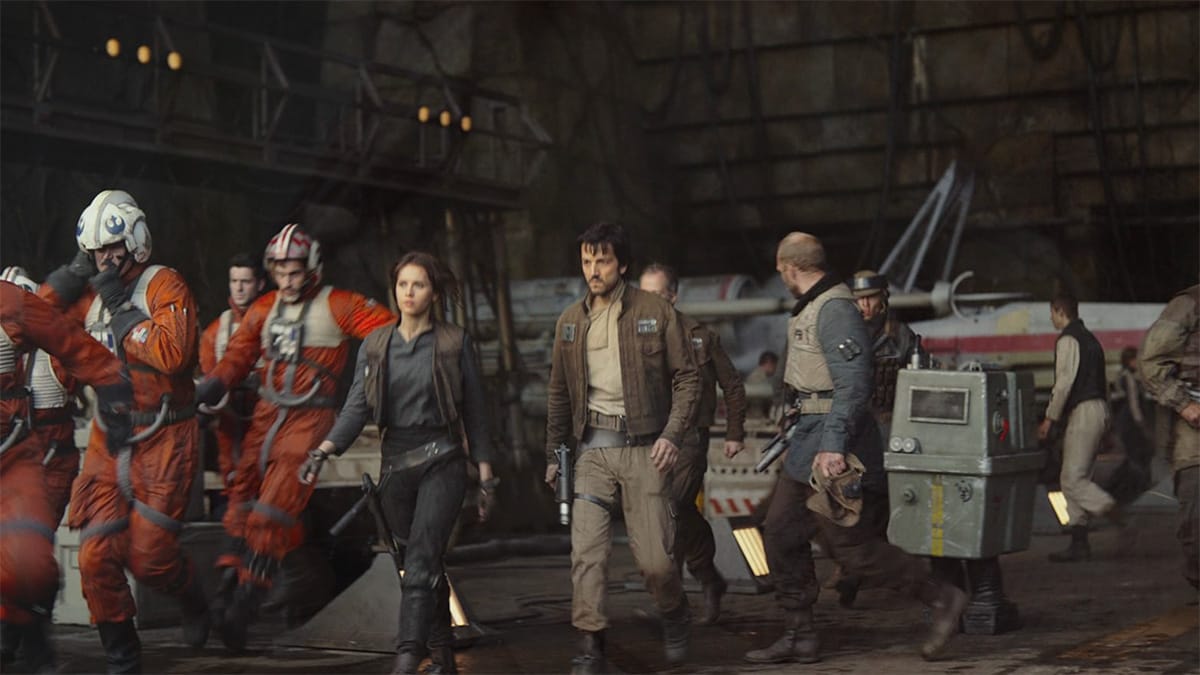
Lucasfilm confirms two new "Rogue One" comic series, spotlighting Chirrut, Baze and Darth Vader, as Marvel marks the film's 10th anniversary.
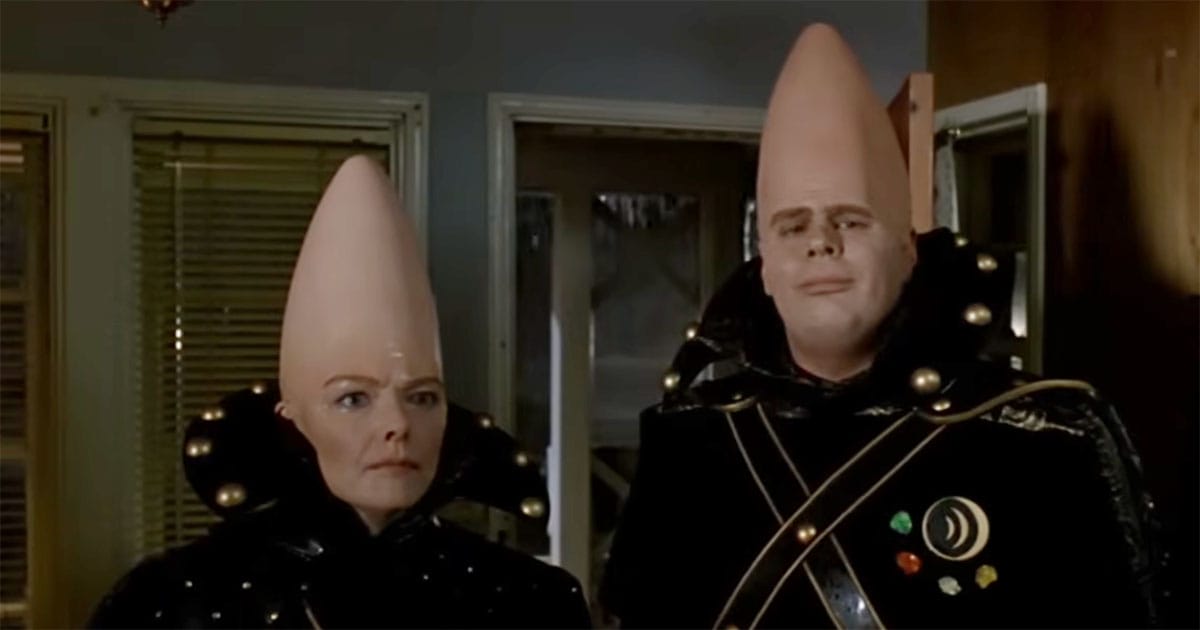
From "My Favorite Martian" to "Coneheads," discover why classic science fiction so often places aliens in ordinary American neighborhoods and what those stories reveal about humanity.
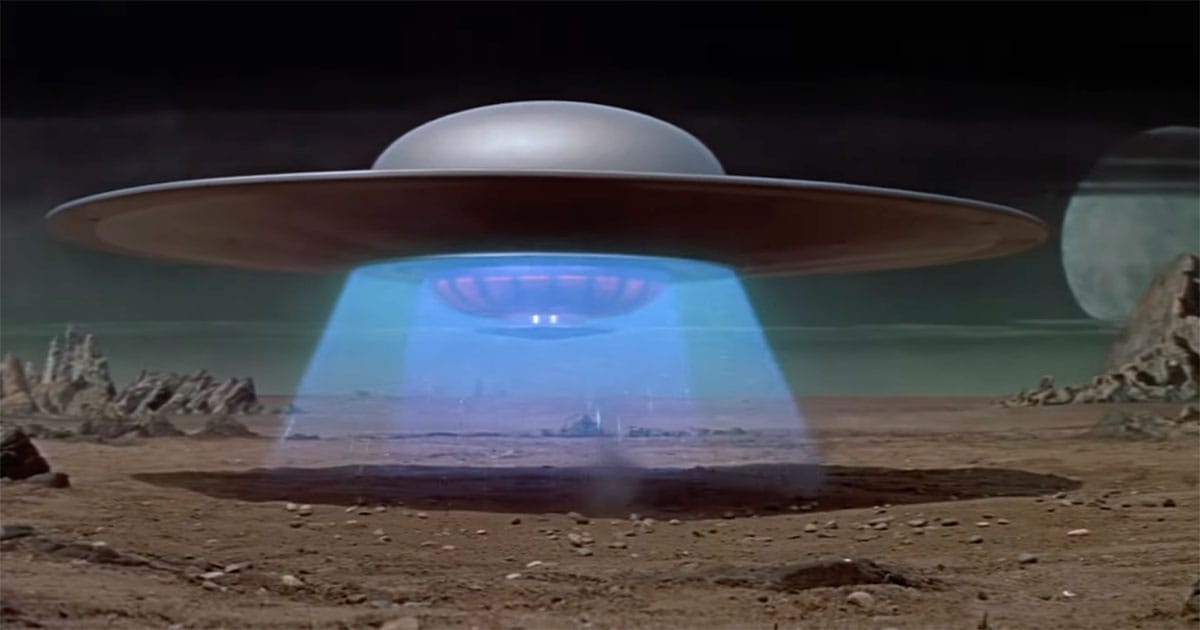
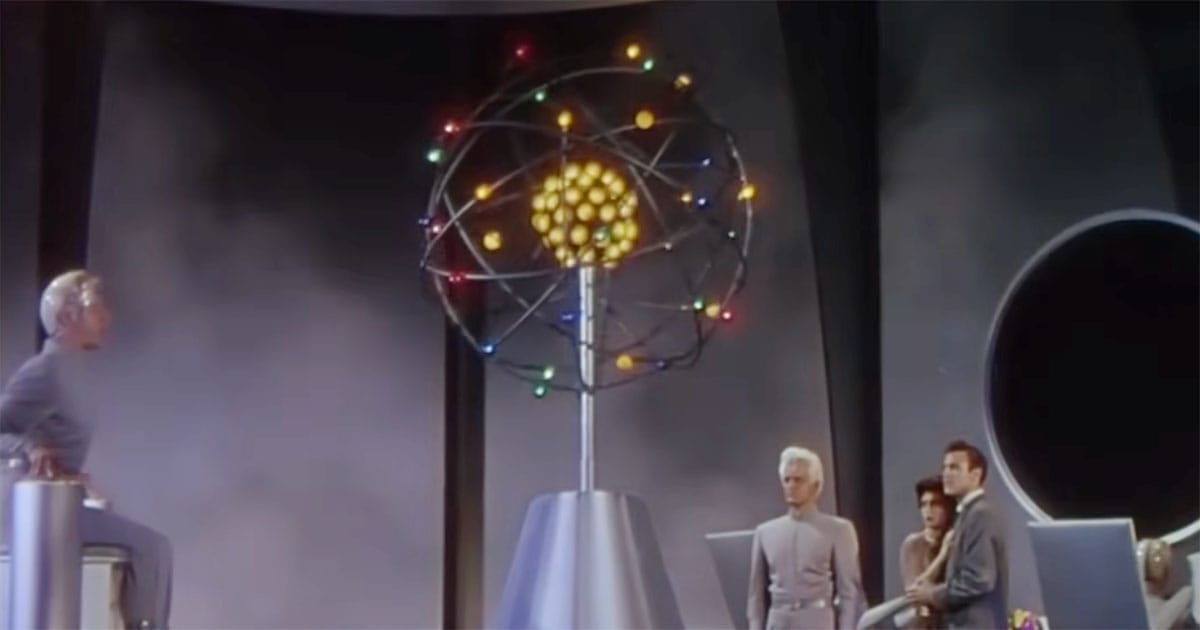
A look at "This Island Earth," exploring its story, themes, memorable visual effects, and lasting influence as one of the defining science fiction films of the 1950s.
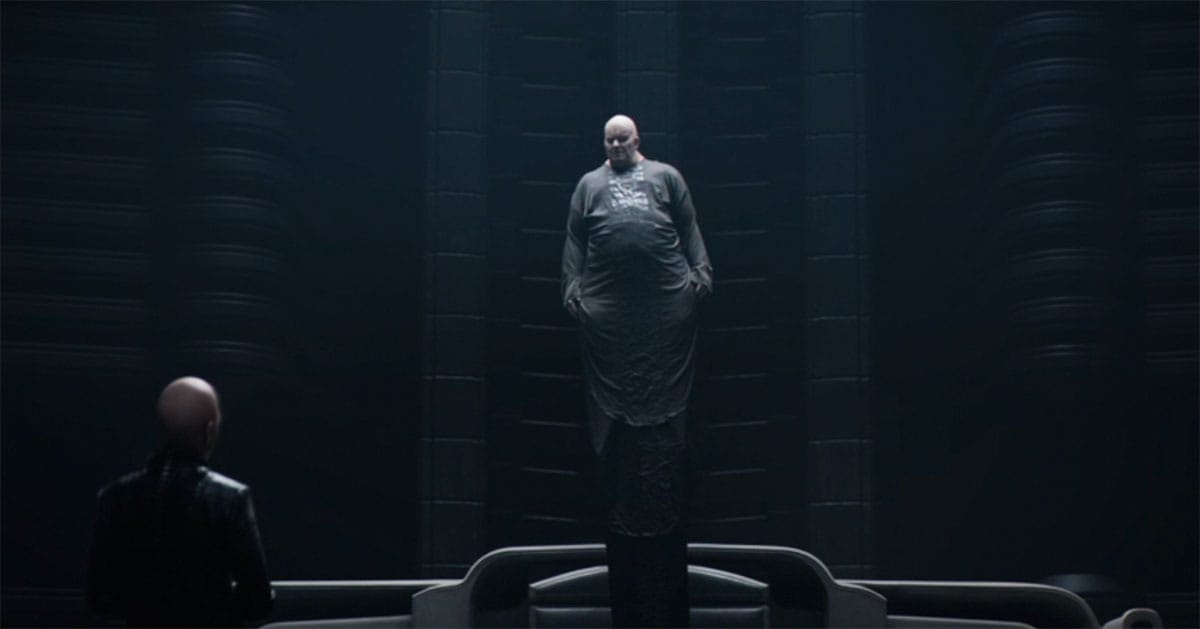
House Harkonnen shaped the conflict at the heart of "Dune" through wealth, strategy, and fear. This look at Frank Herbert's canon explores its origins, power, legacy, and screen adaptations.
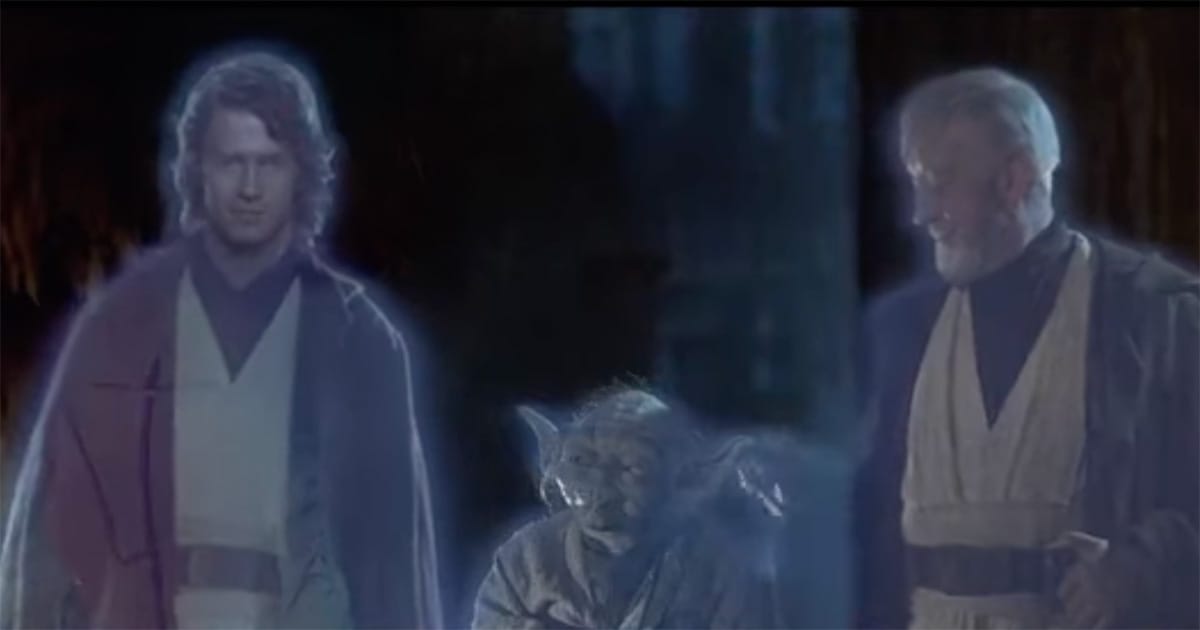
A look at Force ghosts in "Star Wars," including how Jedi preserve consciousness after death, why the ability is rare, and why Sith follow a different path.
This week's Science Fiction Classics celebrates the shared birthday of Patrick Stewart and Harrison Ford, then explores four unforgettable heroes from "Star Trek," "Dune," "Star Wars," and "Blade Runner" to discover what makes a science fiction hero endure.