

Text within this block will maintain its original spacing when published
For those of you who prefer to read off paper rather than the screen, we have converted the post into an easily printable pdf below. Please consider supporting us with a paid subscription if you download it. Thanks :)
You must trust and believe in people or life becomes impossible.
Anton Chekov
When I (Peco) received an email from Ignatius Press to review one of their forthcoming novels, I knew I’d have to write back and ask a question I had never asked a publisher before: Can you confirm that the author did not use AI to write or edit the novel, or to brainstorm ideas? I would be uncomfortable recommending a creative work that has been in any way generated by AI.
Then I clicked on the email, and to my relief saw that the author of the novel they were asking me to review was Michael O’Brien. I’ve spoken personally with Michael, sat in his garden, shared dinner with him, and I know he would never use AI in his work. For Michael O’Brien, writing and other forms of art (he’s also a painter) are not just commodities, but spiritual acts. Even speaking is a spiritual act. In the words of a character from his forthcoming novel:
We feel compelled to speak with each other…This is because it is our nature to seek union, unity, communion. The sensation of diminishing the distance between souls is movement seeking flow— and transcendence and, ultimately, bliss.
When we consume art, we are not consuming, but being consumed, becoming vulnerable by opening up our mind, so that the artist can enter and stir the pool of our imagination. Art is communion. Who do you want in your mind? Whose voice? Whose values? Whose imagination?
I don’t want to commune with a machine. I don’t want to empathize with an automated system. The transcendence we experience through art is a false transcendence, if that art doesn’t come from the inspiration and efforts of a human being.
Relying on AI to generate creative ideas might result in more ideas, but they also tend to be more conventional, inclining us toward “algorithmic mediocrity”. And relying on AI for writing of any kind is a recipe for the decline of writing skills. In a study on essay writing, participants who used ChatGPT showed up to 55% less brain activity, whereas participants who used their own minds showed the highest levels of activity, in regions involving the integration of meaning, creative ideas, and self-monitoring.
As a novelist I’ve made the decision to write all my first drafts by hand, a choice that fits the soul and trains the brain.
I got another email recently, this one from an AI writing platform:
We’ve genuinely admired your writing, and we’re reaching out because we’re convinced the new creative environment we’ve built could give your writing a real lift.
I guess they didn’t admire my writing quite as much as they claimed, if they thought it needed a lift. Their AI agent promised to write chapters that were “true” to the characters and plot of my story, and to find the exact spots in the story where readers “dropped off”, and the “killer parts” when readers couldn’t put the story down.
AI creative writing platforms promise more impact, except it won’t be the result of your genuine human voice, or any human voice. In AI writing, the price of a writer’s impact is a writer’s integrity.
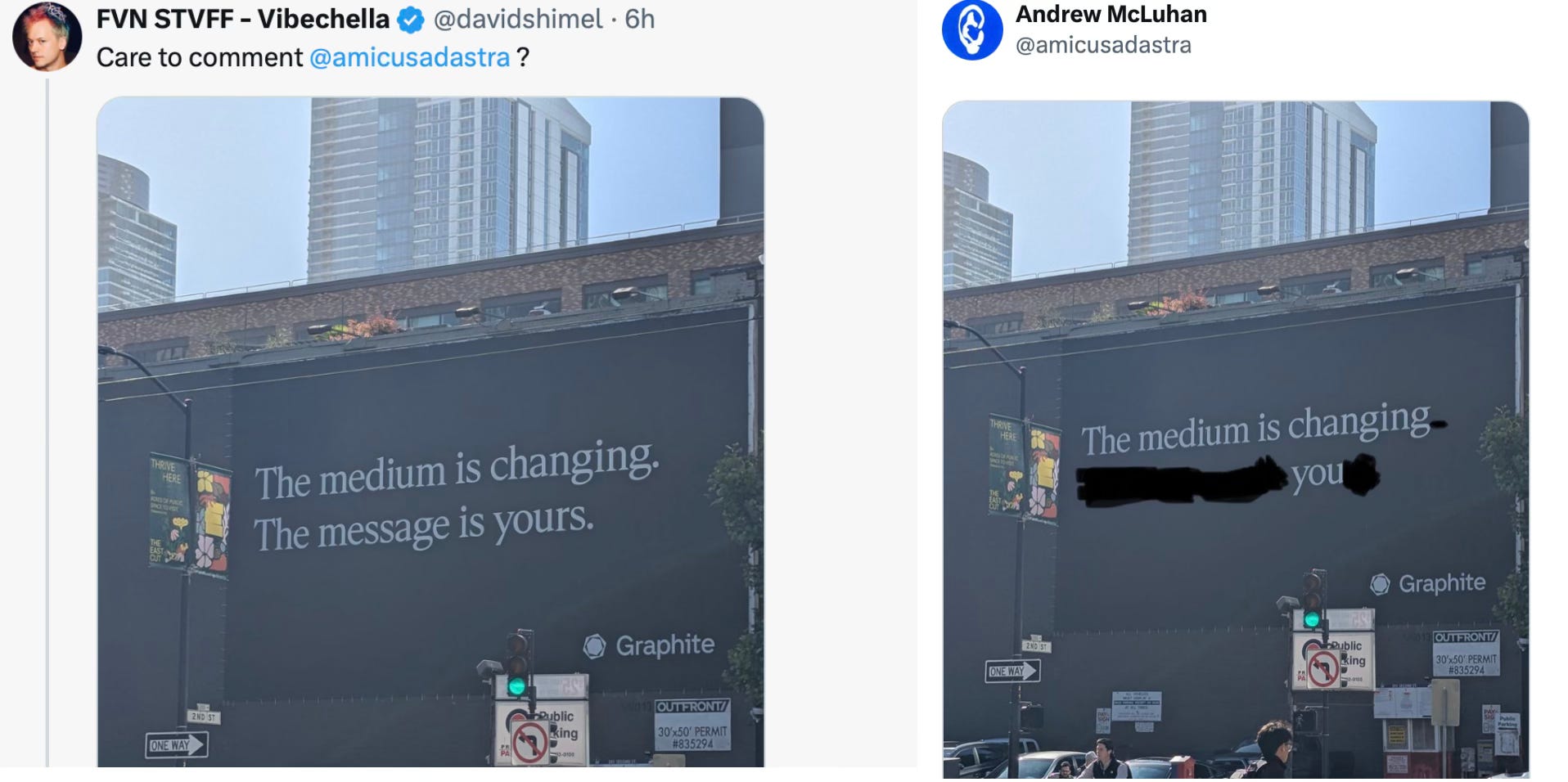
Why do readers come to Substack? It isn’t because they actually read Substack. They read people.
We believe in people over platforms. The more AI enters the digital ecosystem of voices, the more it separates real people from each other and the world we’re all trying to talk about and understand. If this matters to you, as it does to us, then today’s essay should give you hope: a directory of Substack writers you can trust.
Readers want human writing:
But how can you trust what you read online? Trust cannot be created or verified by a machine; it is a relationship that is distinctly human-to-human, nurtured over time. Yet in the digital realm readers are faced with a conundrum of distance and anonymity. Most people who regularly read online have developed a nose for AI-scented work, as Ryan Levesque noted: “People trust an instinct they can’t fully articulate. But AI writing leaves them feeling (for lack of a better term)… whelmed.”
So what are we to do?
Substack founders Chris Best and Hamish McKenzie emphasize the value of human creators, although Substack does not ban AI-generated content (but you can choose not to have your work used for AI-training, or down-vote Notes that contain AI slop).
Henrik Karlsson’s readers seem to suggest that AI-McCarthyism is an option:
But this is just another form of public shaming and cannot be a healthy solution. Carl Hendrick wonders whether Substack could integrate AI-detection:
But this is not a solution either. Pangram is currently the most reliable AI-detection tool (“99.98% accuracy”), but it won’t be long before AI outwits detectors — “humanizing” tools are already sprouting like overnight mushrooms.
Human writing, for now, remains distinctly different from machine-generated text. A recent University of Maryland study1 used 10,272 story prompts to compare human vs. LLM produced stories, identifying “a compact set of 30 core features” that set human and machine writing apart. It may be a short matter of time before this distinction vanishes.
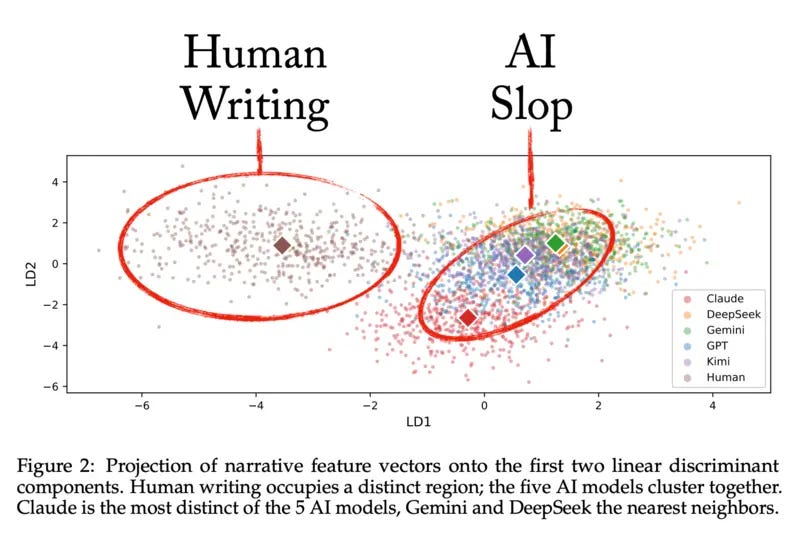
Some writers, desperate to prove their humanity, are embracing a “typo vibe shift” or going to extremes to prove they didn’t use AI. But why in the world would we abdicate our language skills for the sake of not being mistaken for a machine?
Companies like Human Creative take a tracking approach to the trust conundrum, by “monitoring the entire process of human crafting and certifying its finished works.” This method may in fact be helpful in verifying no AI assistance was used in certain settings (such as student assessment).
However, as the saying goes, a watched pot doesn’t boil. When a writer knows they are being monitored (i.e., “live track the entire creative process from start to finish, block AI sources, lock your phone, live-audit for AI content”), the resulting self-consciousness may affect the moment-to-moment experience of the creative work.
And this brings us back to trust.
In a recent interview with Jared Henderson on The New Counterculture, Ted Gioia stated:
I decided early on that the most scarce thing in media was trust. And that if I could earn the trust of my reader, I would be rewarded, and they would be rewarded. So that was the turning point for me. And I think other writers minimize the importance of this. If you are not earning the trust of your reader you’re creating a problem for yourself.
Just over a year ago, Peco and I declared: The Future is Trust. We put forward several practical recommendations for readers, writers, teachers, and Substack to build outposts of human trust in the digital wilderness.
Since then School of the Unconformed has launched the digital-analog hybrid model, a commitment that anything we produce online, is first sourced and developed in the analog world. In addition, we have connected with writers and readers in person, via zoom, or through personal communication to help establish trust.
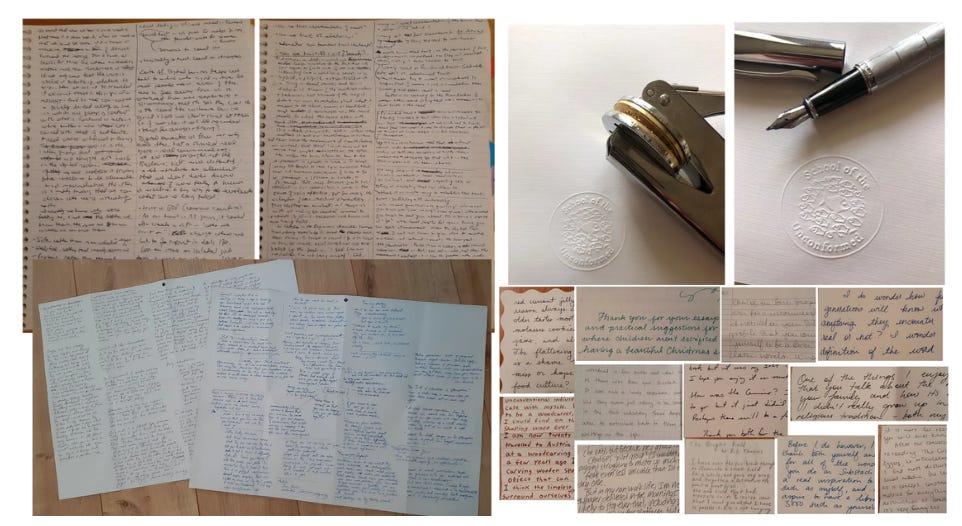
I have also launched School of the Unconformed Press with a special series I call Pocket Stack: analog, portable 4x6 print-versions of Substack essays and anthologies.

Under the model of “trust entrepreneurship” submissions are not open to the general public; instead I will be reaching out to writers who have established trust with their readership and stand behind human creators. I’ve already got some exciting Substack writers lined up and look forward to sharing more news soon!
Today, we’re adding another layer of trust to the human ecosystem we are aiming to support: A directory of AI-mish writers.
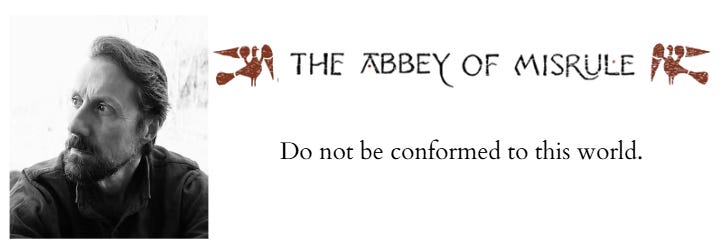
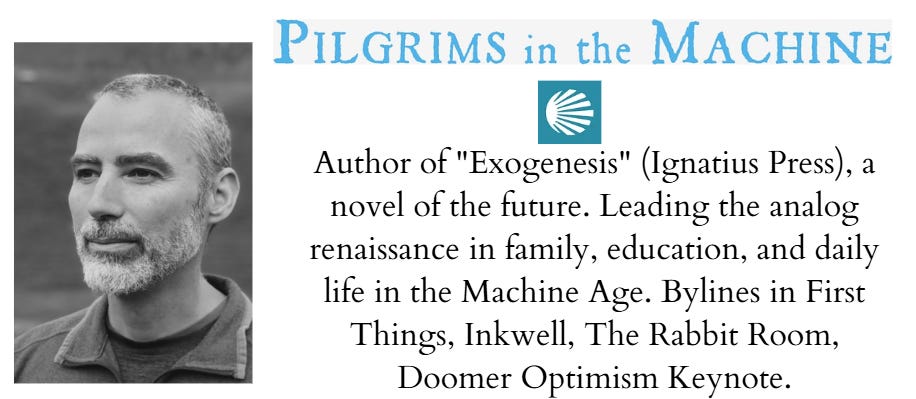
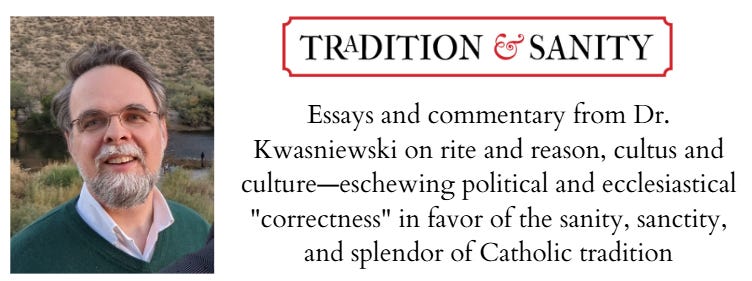
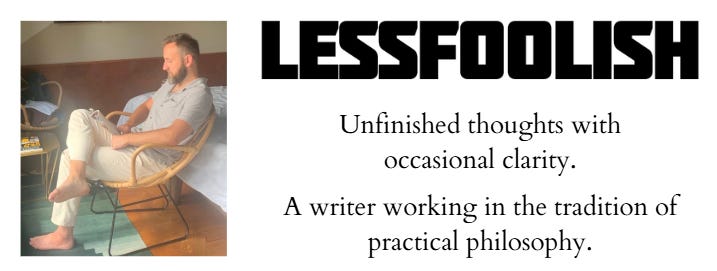
Below you’ll find an alphabetized list of over 50 Substack voices we personally trust. This is not an exhaustive directory, and it can’t be: we are not an algorithm. There are many more writers committed to writing from their own hearts and minds. We invite you to build on our efforts:
if you are a reader, support these human writers and creators
if you yourself are a writer on Substack, publish your own directory of voices you trust.
There is no perfect method for verifying that you can trust a writer, but this is an advantage. Humans build trust in different ways, and it’s in the effort of doing so that we sharpen our discernment and strengthen person-to-person bonds.
Developing trust with writers in our case has been a fantastically varied journey. Some writers we’ve known since before the advent of LLMS, many others we’ve met in person: We walked 113 km on the Camino in Spain with Dixie Dillon Lane; enjoyed meals together in our garden and home with Peter Limberger & Tommy Dixon; spent days walking through Basel and swam down the Rhine together with Scott Postma; shared a picnic at the foot of Engstligen Waterfall in the Swiss Alps with Hadden Turner; spent a most memorable weekend at the Ligonier, PA Doomer Optimism gathering with Grant Martsolf, Ashley Fitzgerald, Tessa Carman and many more; engaged in years of Substack conversation; and chatted via video and exchanged hand-written letters with many others from around the world.
When we say voices you can “trust”, we don’t mean it in the sense that you should accept what these writers say as being necessarily true or good. We don’t mean “trust” in the sense of approving of a person’s content. Rather, we mean that you can trust the process behind the content—that irrespective of whether you agree or disagree with the content, like it or not like it, you can be confident that you are engaging with the work of a real human being. Few things are more frustrating than to read and engage with text, genuinely believing a person is behind it, only to discover that you are interacting with a machine.
We hope that our AI-mish directory inspires you to build and nurture you own network of trustworthy creative voices for humanity.
If you are an AI-mish writer/creator, please feel free to add your publication in the comments section!
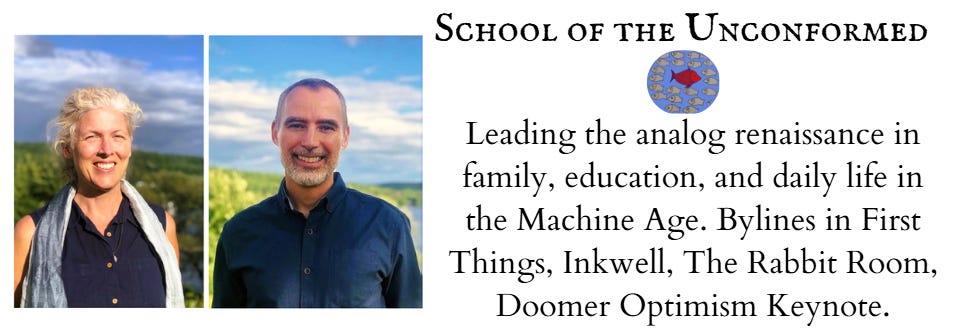
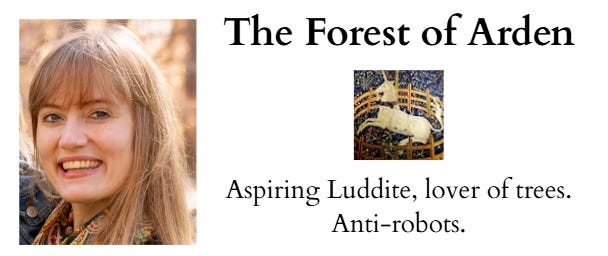
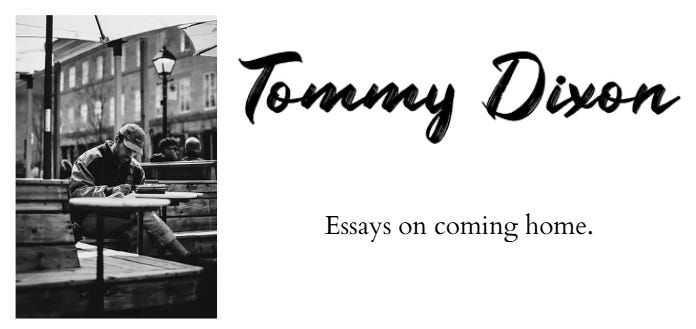
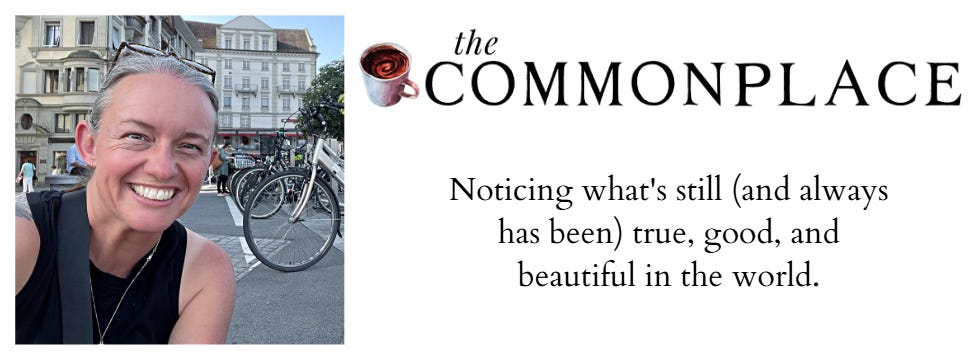
In our directory, each entry includes a photo of the author/creator, the title of their publication, and their byline. Here’s ours.
We hope you discover new writers worth supporting or feel re-inspired to stand behind the ones you already do. Note: if you feel that we’ve missed you on our list, please let us know! :)
We are happy to share our directory for free, but it took a lot of time and effort. If you’d like to support our work, now is the perfect time :)
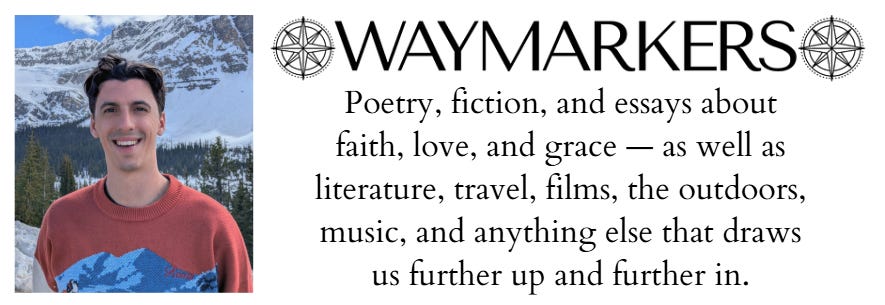
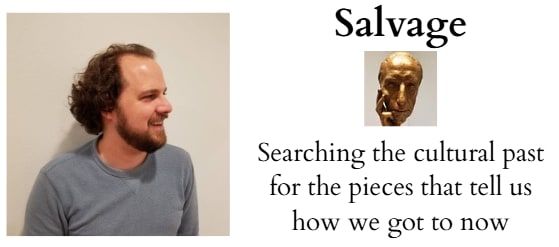
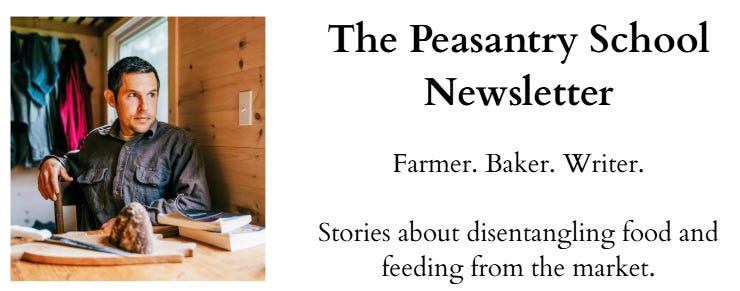
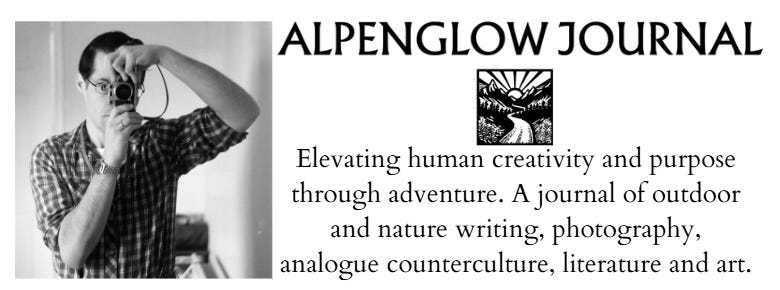
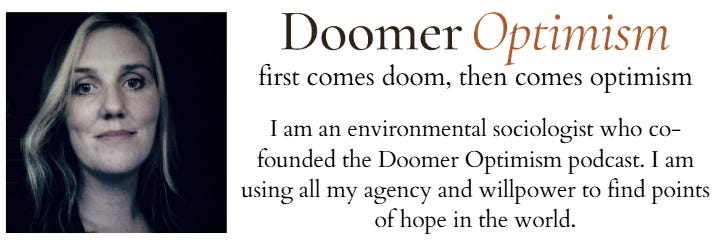
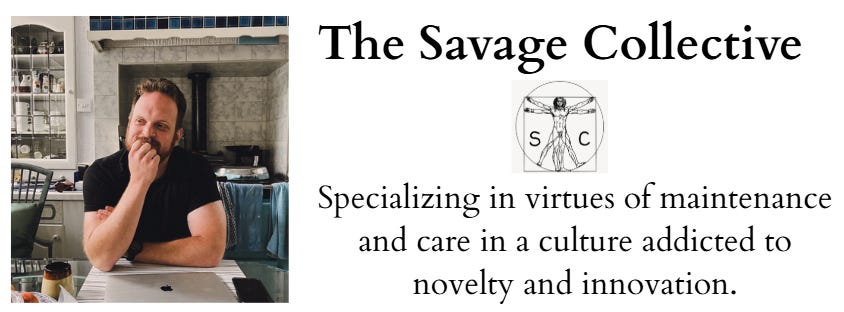
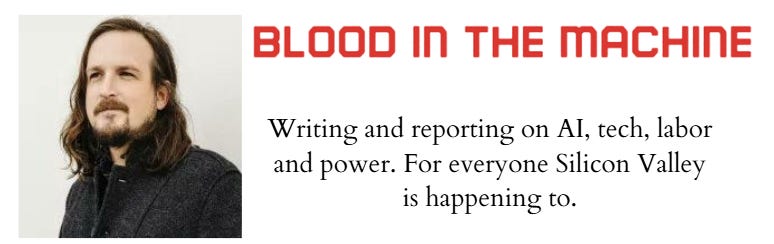
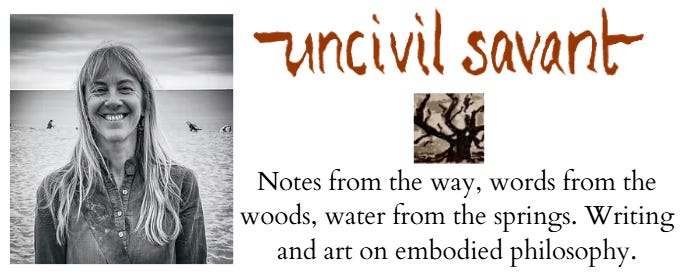
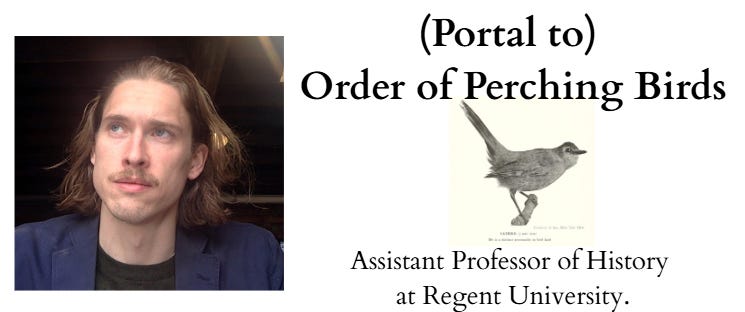
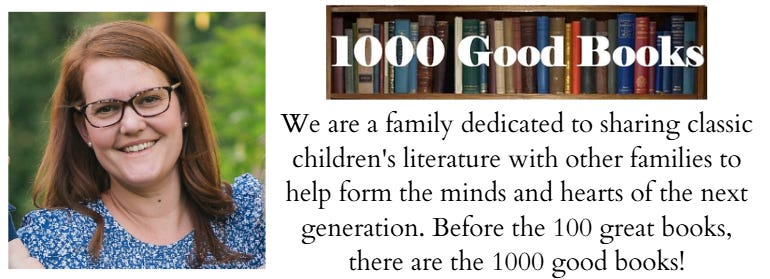
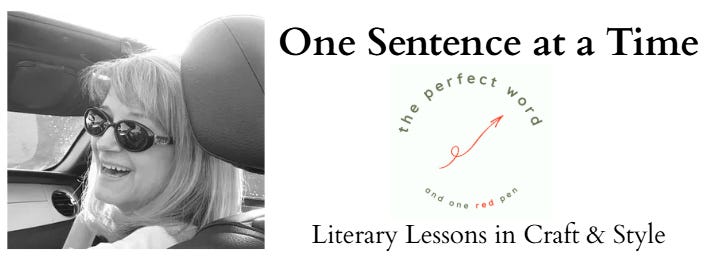
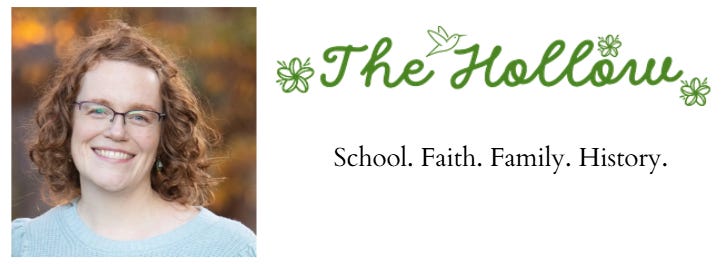
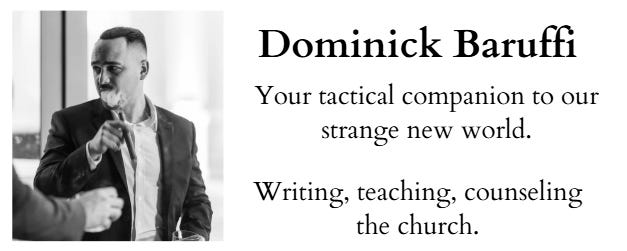
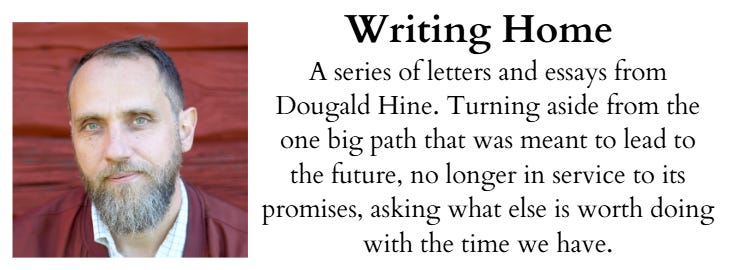
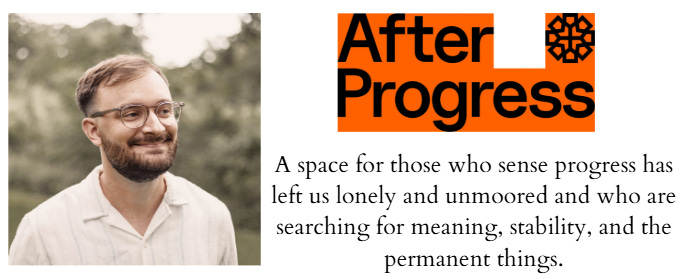
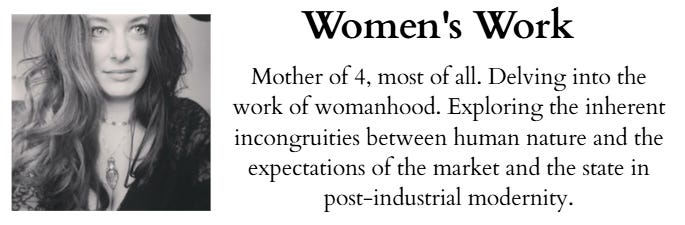
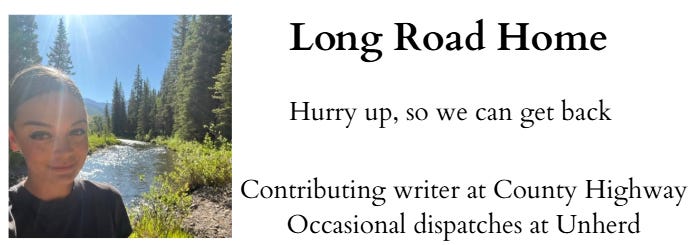
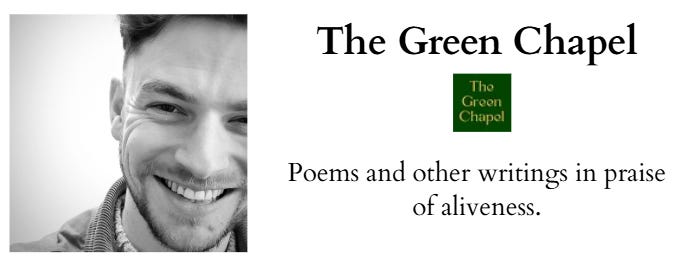
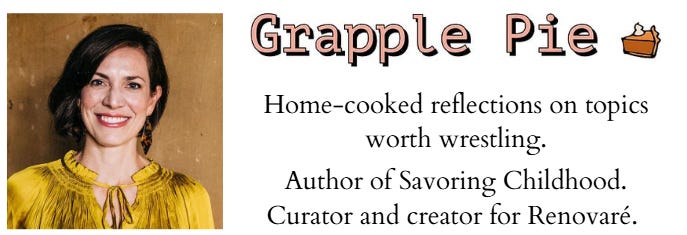
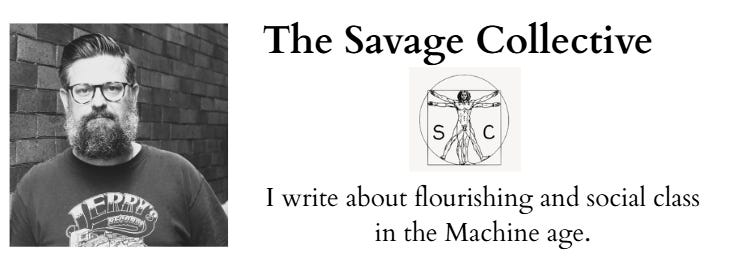
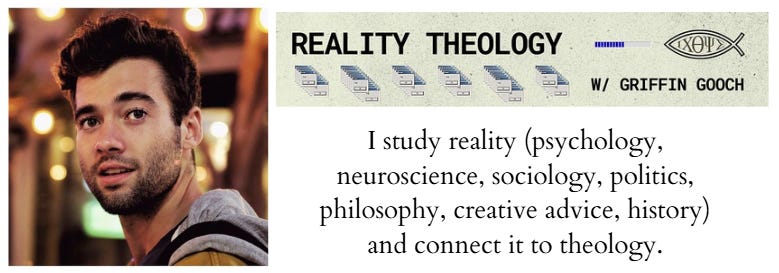
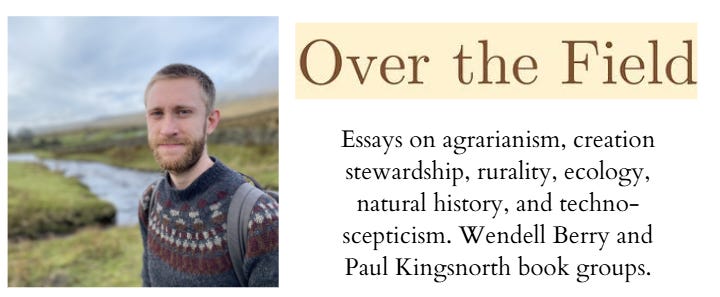
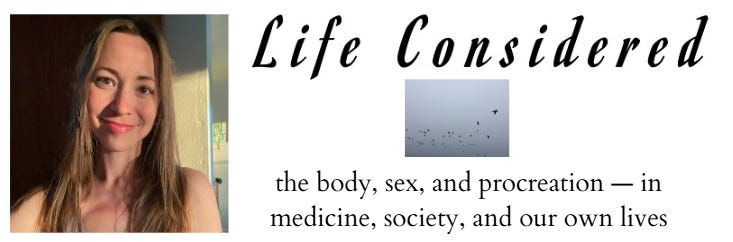
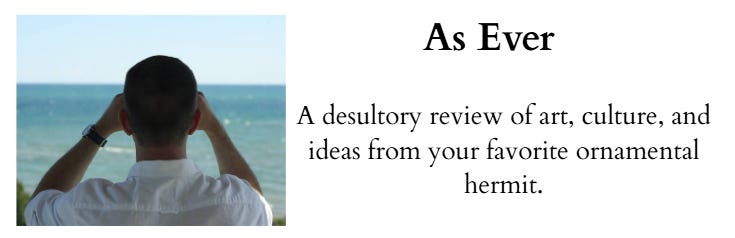
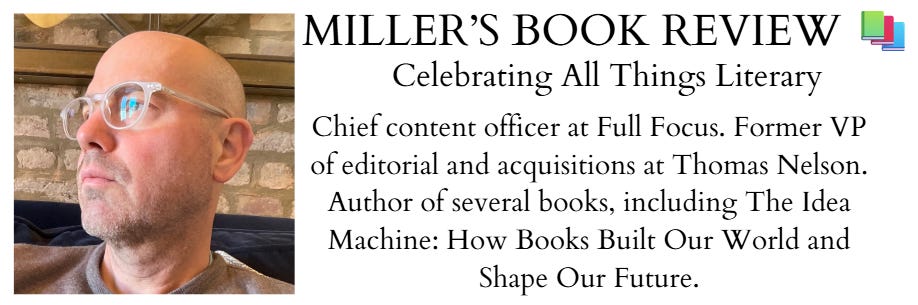
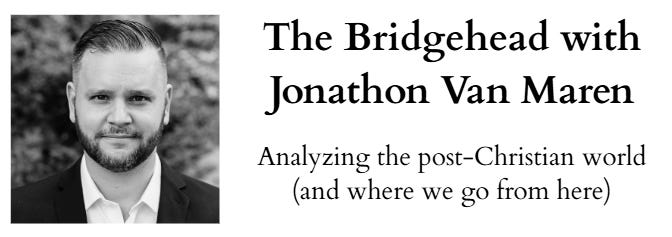
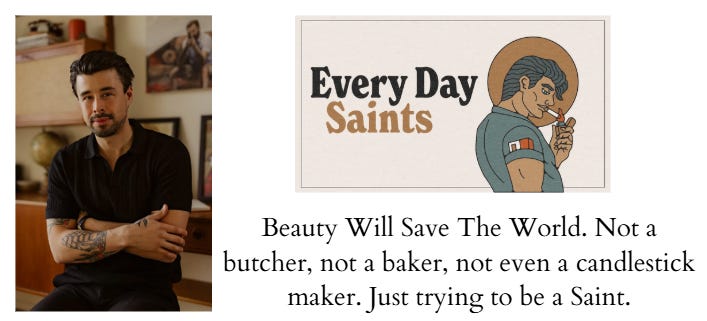
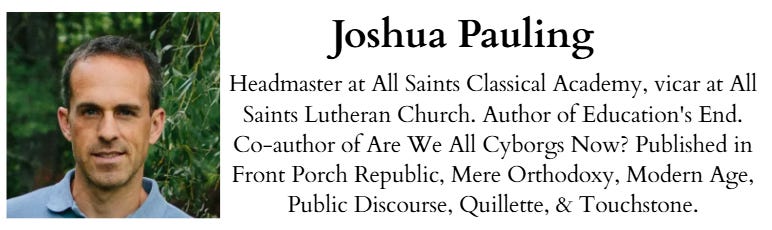
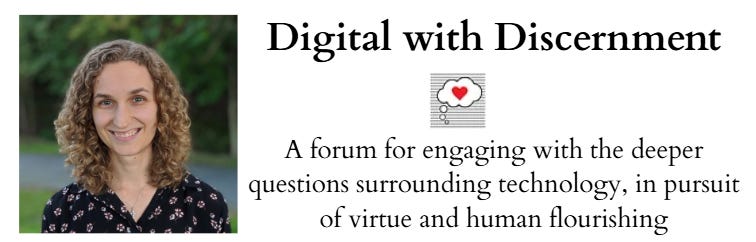
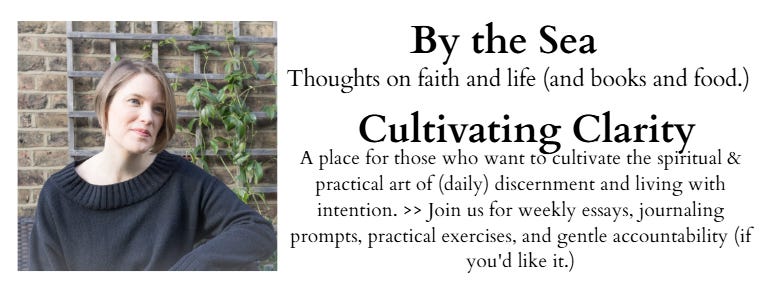
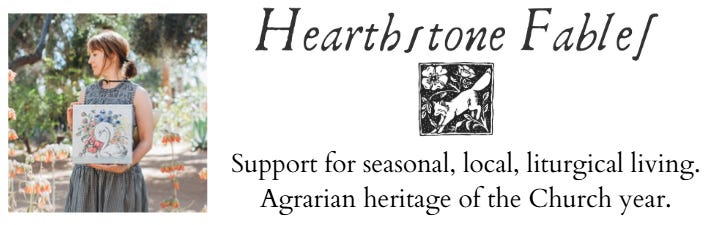
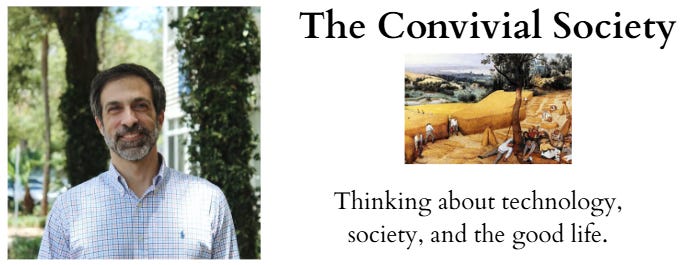
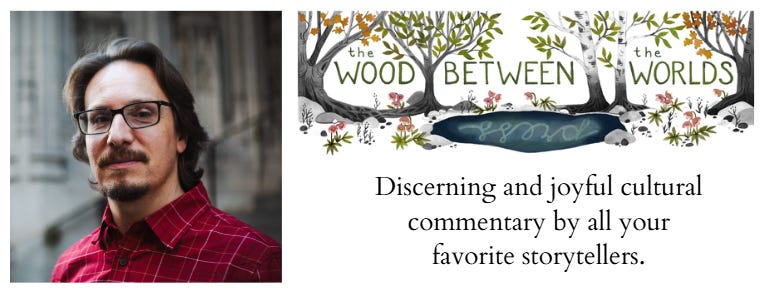
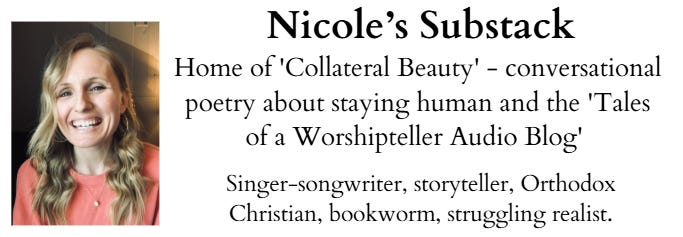
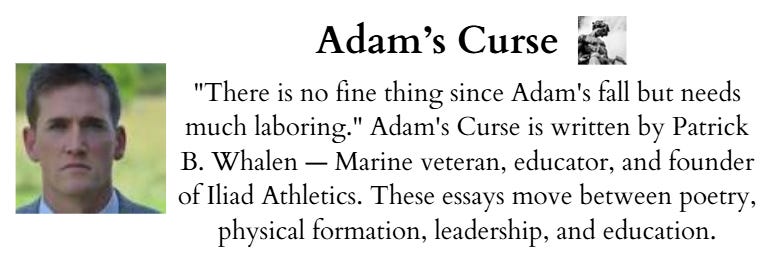
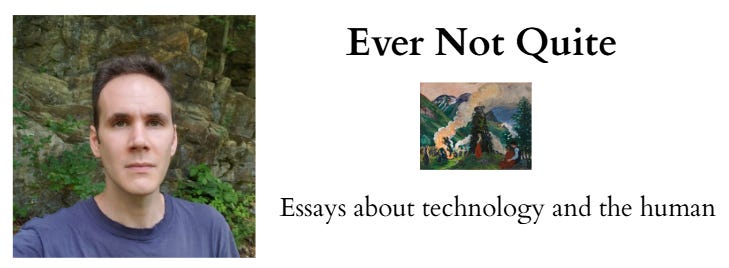
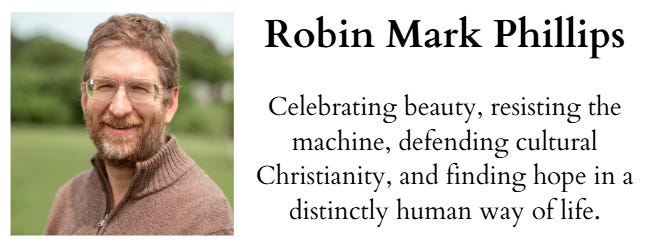
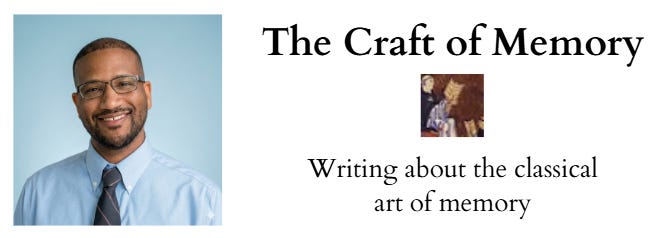
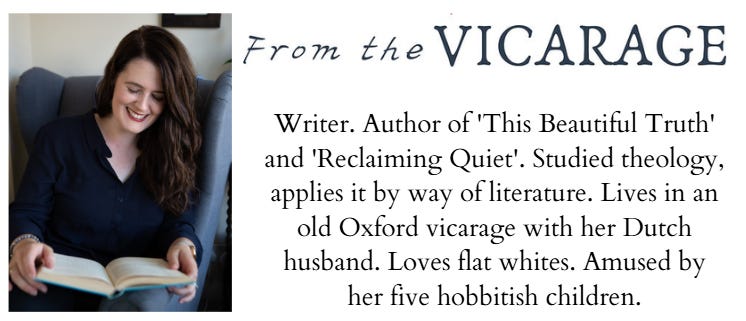
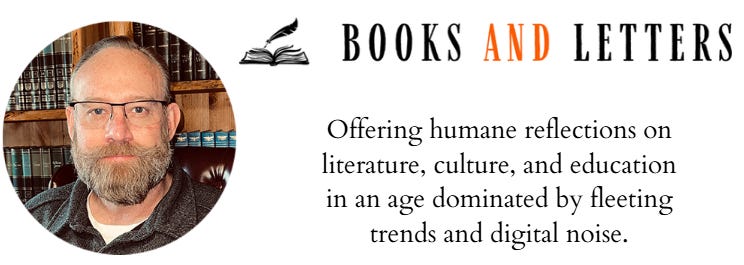
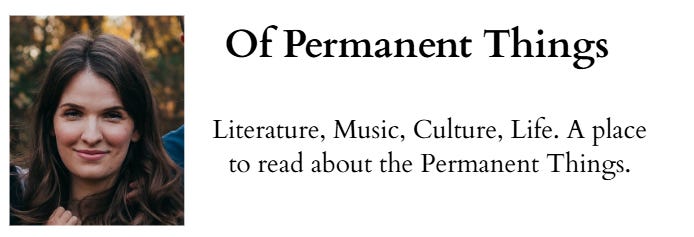
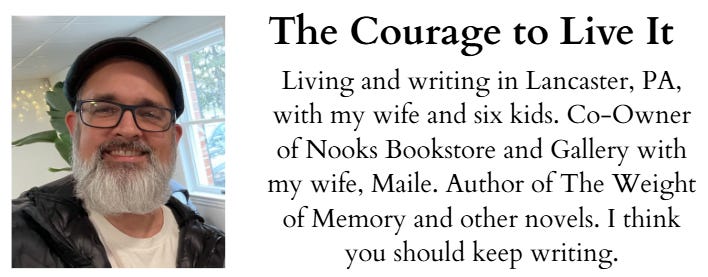
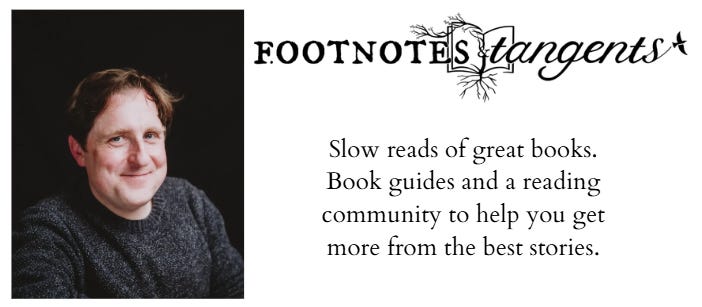
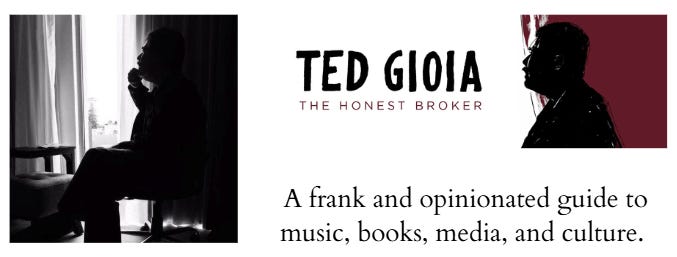
What AI-mish writers/creators do you recommend?
If you are an AI-mish writer/creator, please feel free to add your publication in the comments section!
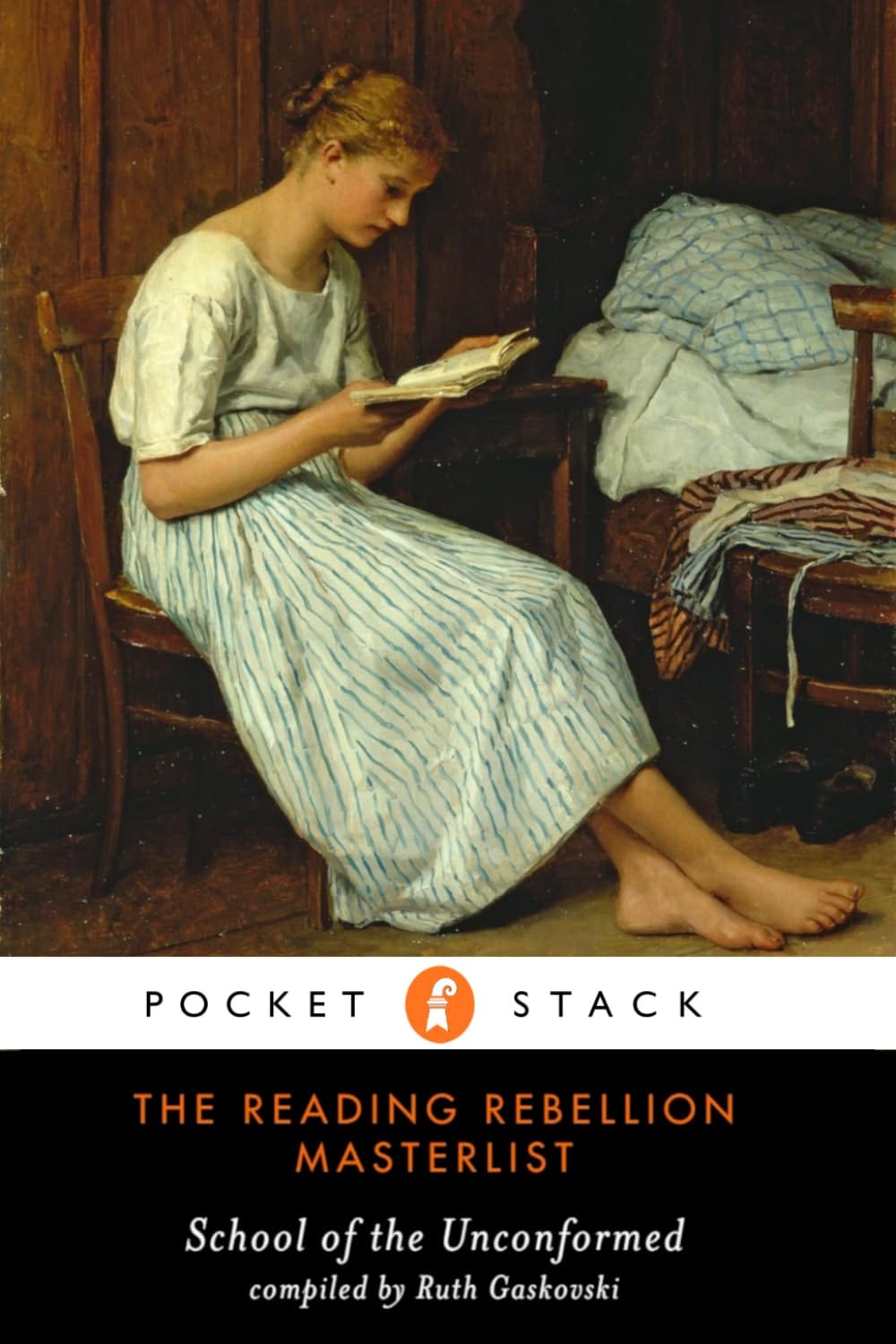
This portable 4x6 Pocket Stack volume includes several lists of book recommendations, including short fiction, classic long reads, and books for young readers. Join the Reading Rebellion, and restore your deep reading attention, empathic centers, and the quiet eye of imagination!
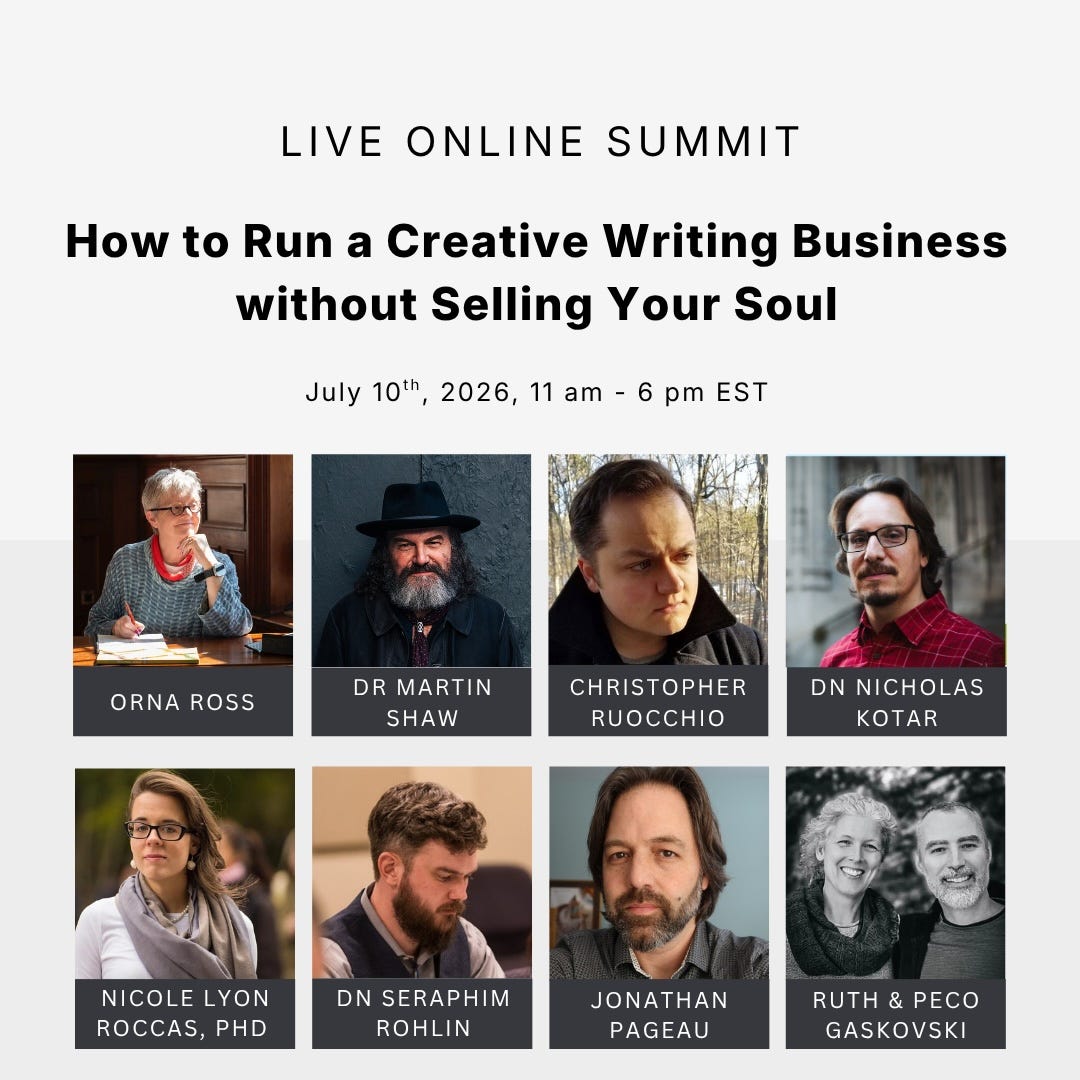
We are honoured to be part of Nicholas Kotar’s free online summit on July 10th — How to Run a Creative Writing Business without Selling Your Soul — alongside voices you definitely don’t want to miss, including Martin Shaw and Jonathan Pageau! Sign up at Weavers of Story.
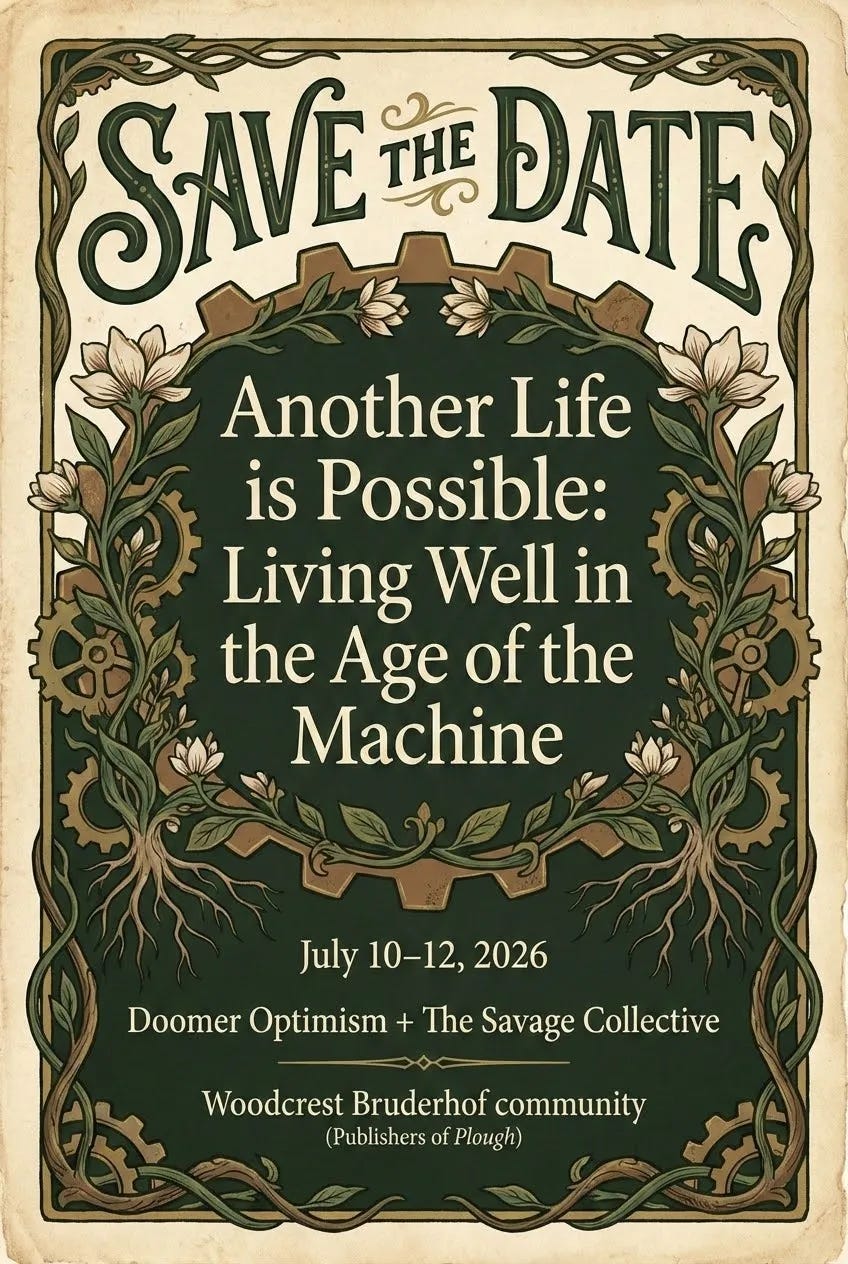
Peco and I will be speaking at Another Life is Possible: Living Well in the Age of the Machine at the Woodcrest Bruderhof in Rifton, NY! Consider joining us for the weekend of July 10-12 where we plan to explore the far-reaching effects of technology, the promises and dangers of transhumanism, and the search for meaning in a world increasingly defined by machines. These gatherings are truly inspiring and include not just fantastic presentations and panel discussions, but potluck meals, lively debates, sing-alongs, dance, and conversations that will stay with you for months to come! Hope to see you there! See here for details.
Comments
Nothing yet. Say the first thing.
Sign in to join the conversation.