
Advent begins in darkness.
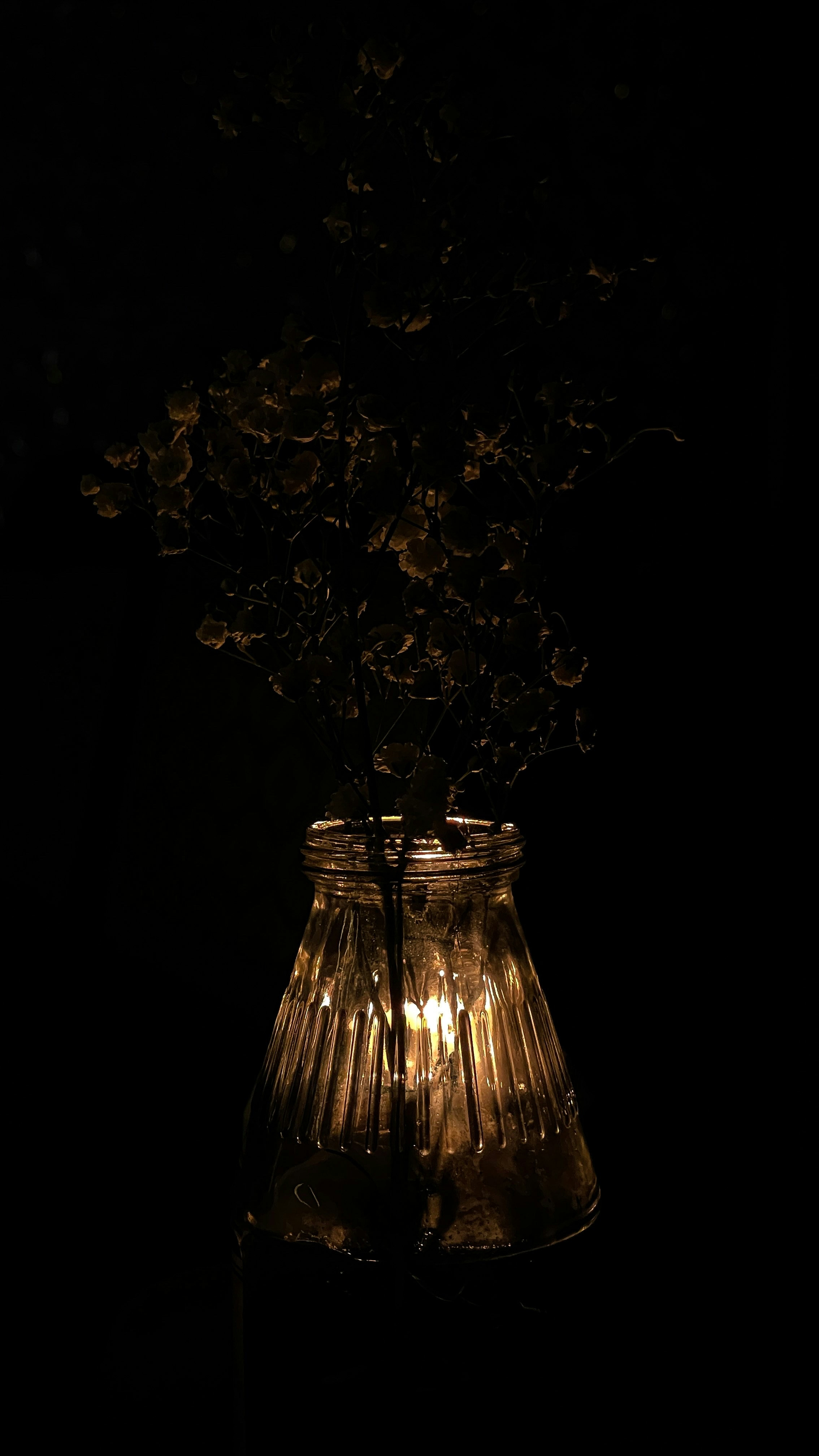
It is a season of waiting — a time when we hold our breath, longing for the light to return. In these shortening days, the natural world preaches its own quiet sermon: the frost will thaw, the sun will rise again, and what is sleeping will wake.
It’s no coincidence that the church chose this season to remember the coming of Christ. Every December, creation itself becomes a metaphor for divine renewal. And in that waiting, we rediscover what true hope really is.
Hope is not wishful thinking. Hope is trust — trust in divine restoration. It’s the steady conviction that God is still present in what seems lifeless, and still faithful in what feels uncertain.
This Advent, I’m exploring how the Psalms shape our moral and spiritual imagination around the four themes of the season: Hope, Peace, Joy, and Love.
The Psalms are not just emotional outpourings; they are formative prayers. They teach us how to wait, how to endure, and how to become.
Most of Scripture speaks from God to humanity. The Psalms, however, reverse that direction. Here, humanity speaks to God. These are the voices of worshippers and wanderers — poets who dared to tell the truth about joy and grief, faith and fear.
The Hebrew title for the Psalms, Tehillim, means praises — though many psalms sound more like lament than celebration. Together they form a mirror of the soul: joy, sorrow, longing, and trust all coexist in the same breath.
Across centuries, these ancient songs have shaped worship and ethics. Recited in the temple, in synagogues, monasteries, and churches, they form an ethical liturgy — truth performed through repetition. In reciting the Psalms, we don’t just express faith; we practice it.
The Psalms train us to hope.
“Make me to know your ways, O Lord; teach me your paths.”
Psalm 25 is an acrostic poem — every verse beginning with a new letter of the Hebrew alphabet, a symbol of completeness and order amid chaos.
It is not a psalm of control but of surrender. The writer doesn’t ask for escape from uncertainty; instead, he asks to be taught how to walk through it.
Hope here is not passive. It is an ethical act of trust. It’s the posture of someone who believes that divine wisdom still illuminates the path, even when the way ahead is dim.
The psalm’s repeated cry — “Teach me, guide me, lead me” — shows us that hope begins not with confidence, but with teachability. In Advent terms, it is the first flicker of light in the dark — a willingness to be led toward dawn.
“Do not hold our former iniquities against us; let your compassion come swiftly to meet us.”
If Psalm 25 gives us hope as guidance, Psalm 79 gives us hope through grief.
It’s a national lament, mourning destruction — a community crying out amid ruin.
The psalm begins in fury — “Pour out your wrath” — but slowly turns toward mercy. That turn is where hope lives.
Even in anger, the poet remembers God’s compassion.
The text never names a specific enemy or moment. It’s intentionally vague — what scholars call indeterminacy. That openness allows every generation to find itself within the psalm: every community that has suffered, every person who has felt forgotten.
In this lament, hope is not found in happy endings but in honest prayer. It is the courage to speak the truth to God and still believe in God’s goodness. Lament becomes moral formation — teaching compassion, humility, and the long endurance of trust.
“I was glad when they said to me, ‘Let us go to the house of the Lord.’” — Psalm 122
“If it had not been the Lord who was on our side…” — Psalm 124
These two psalms are Songs of Ascent — pilgrimage songs sung by travelers on their way to Jerusalem.
Psalm 122 looks forward in anticipation: a people walking toward the holy city, praying for peace and unity.
Psalm 124 looks backward in gratitude: a people remembering the times they’ve been delivered — “If it had not been the Lord…”
Together, they frame the rhythm of faith. One looks forward; the other looks back.
Hope lives between them — between expectation and remembrance, between longing and gratitude.
Hope, the Psalms remind us, is both movement and memory. It is the act of walking toward God and the awareness that God has been walking with us all along.
When the people of Israel sang these songs together, they were not just traveling — they were being formed. Their shared singing shaped them into a people of gratitude and peace. This is an example of ethical liturgy: worship that shapes moral identity.
To pray for peace is to practice it. To sing of deliverance is to become a people who remember.
These psalms reveal hope as more than a feeling. It is a practice of faith — a rhythm we learn through prayer, repetition, and participation in the story of God.
Hope learns. Hope laments. Hope walks.
By returning to the Psalms each Advent, we rehearse that same formation. We are reminded that hope is not about escaping the darkness, but about allowing God to transform us within it.
The Psalms don’t ask us to ignore our fears; they teach us to speak them — and to find faith on the other side of that honesty.
Hope, in the psalms, is not waiting for the world to change.
It is being changed by God while we wait.
May the God who has been on our side
teach you His paths,
comfort you in lament,
and fill your pilgrimage with enduring hope.
May the light of Christ,
which even now begins to dawn,
guide your waiting,
strengthen your trust,
and warm your heart
as you journey through this Advent season.
As you light the candle of Hope this week, read one of these psalms each day:
Psalm 25 — ask God to guide you.
Psalm 79 — tell God the truth about what feels broken.
Psalm 122 — pray for the peace of your community.
Psalm 124 — remember how God has been on your side.
Let their words become your own.
Hope begins there.
Read more and explore Psalms in Advent at https://scholarlywanderlust.com/advent-psalm-reflections/.
No posts
Comments
Nothing yet. Say the first thing.
Sign in to join the conversation.