
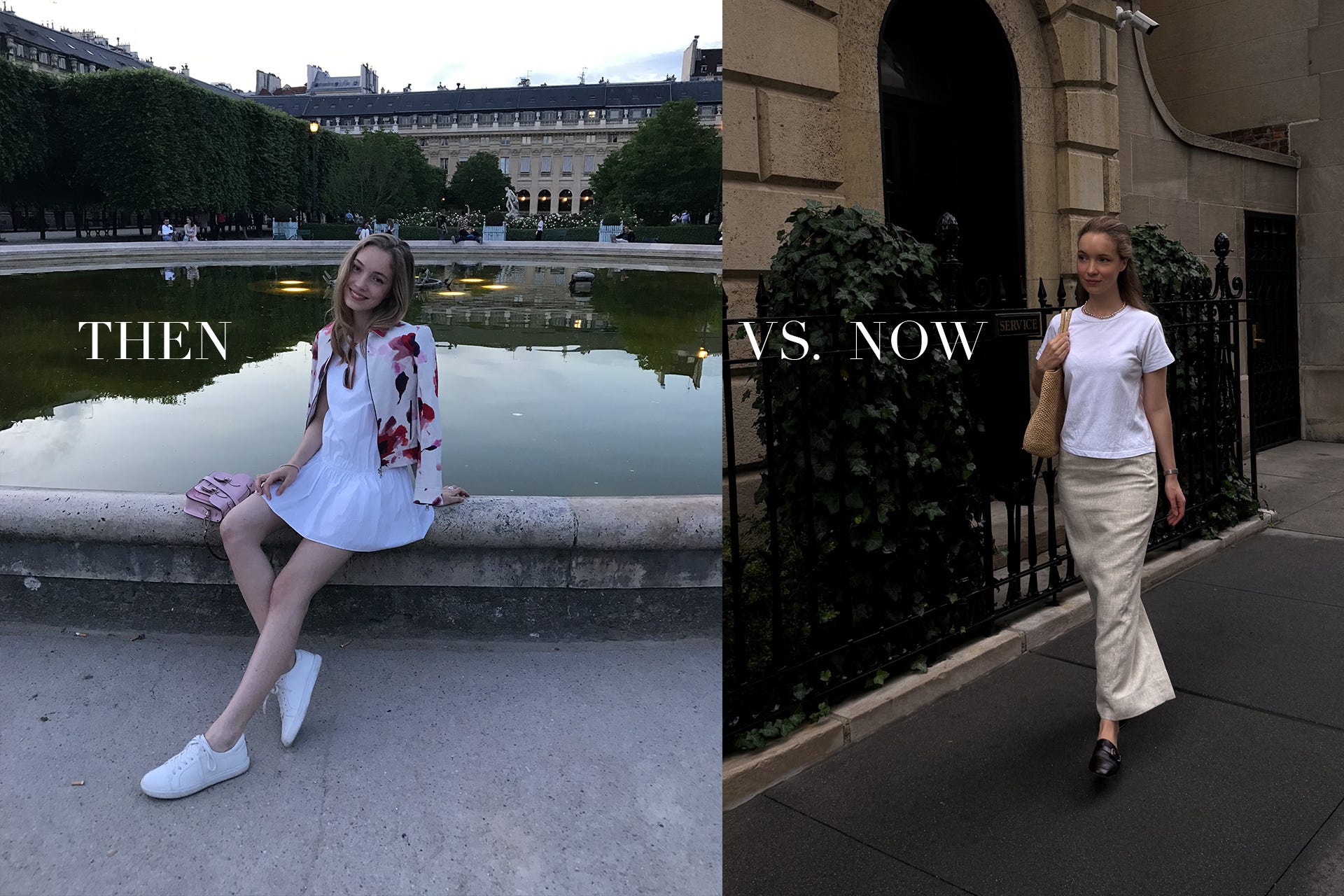
I used to know exactly where Zara kept its most interesting pieces.
There was often a small rail set apart from the basics where the brand tested more experimental designs, and I knew to look there first. I was a young girl who collected fashion magazines, followed the style of the women featured in them and spent nearly all the money I received for my confirmation at H&M and similar stores.
I was passionate about fashion from an early age. I loved the way clothes could transform a person and communicate who we are before we say a word. But for a long time, I knew much more about how garments looked than how they were made.
I did not check fabric tags, examine seams or look closely at buttons before buying something. I was, in many ways, a very good consumer, at least in terms of buying a lot of clothes!
It was only much later that I learned how to recognize quality and build a wardrobe that genuinely worked for my life and personal style. Before then, I had a crowded closet filled with clothes, yet many of them never quite felt like me.
When I was younger, magazines often praised women like Kate Middleton or Olivia Palermo for mixing Zara and other high-street brands with luxury ones. It was presented as relatable and down-to-earth.
Looking back, I realize that the conversation was almost always about appearance. It was about recreating a certain look, not about the materials, the craftsmanship or the people who had made the clothes.
That was the fashion culture many of us grew up in: fashion hauls, must-have pieces, endless new arrivals and “getting the look for less.” We were encouraged to see clothes as a quick route to an identity. A new season meant a new wardrobe. A wedding meant a new dress. A trend became something to participate in immediately before it faded out.
The more I learned, the more I began to question that mindset. It turns out, we were not really taught how to buy clothing, we were taught how to consume it.
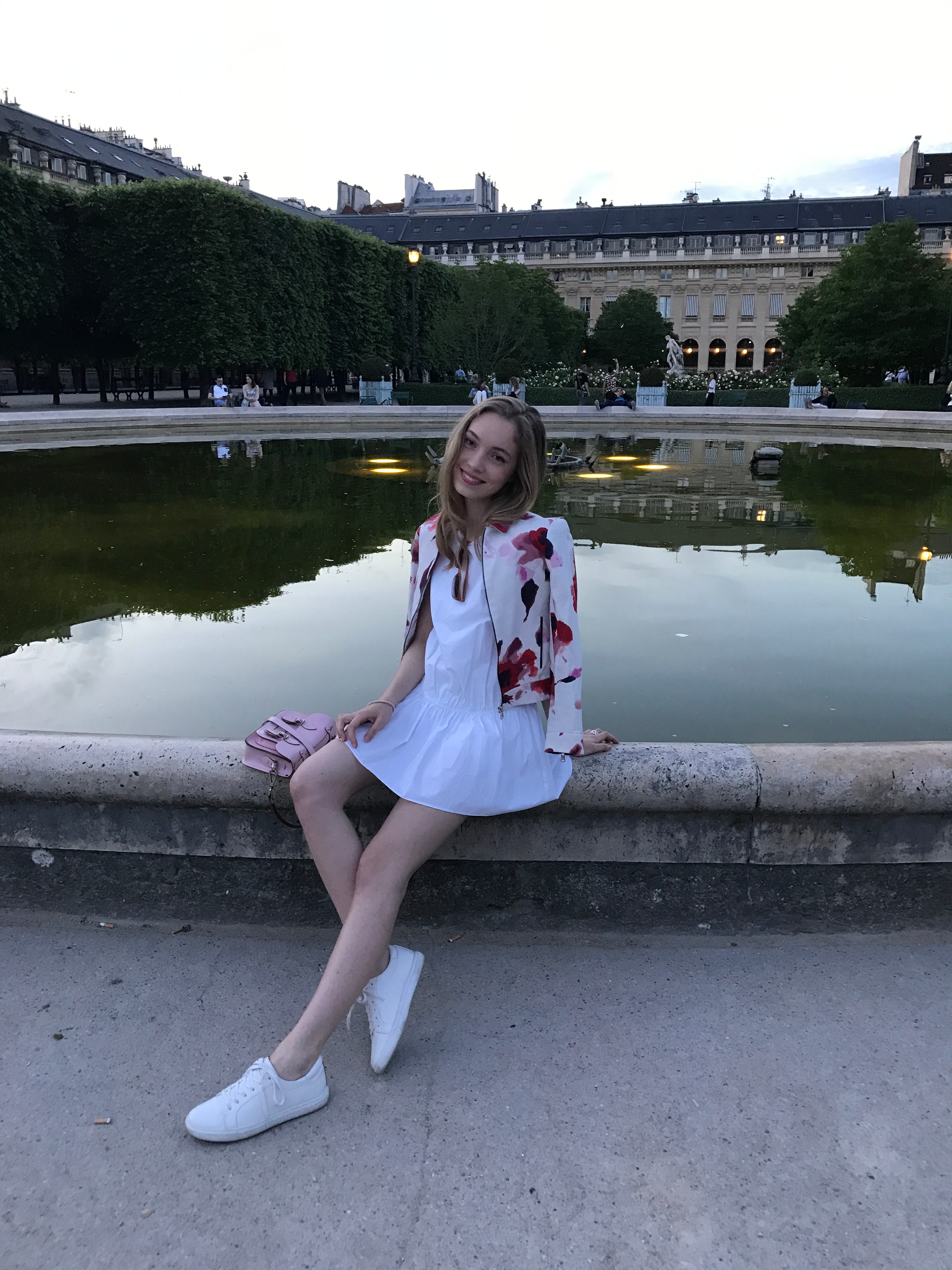
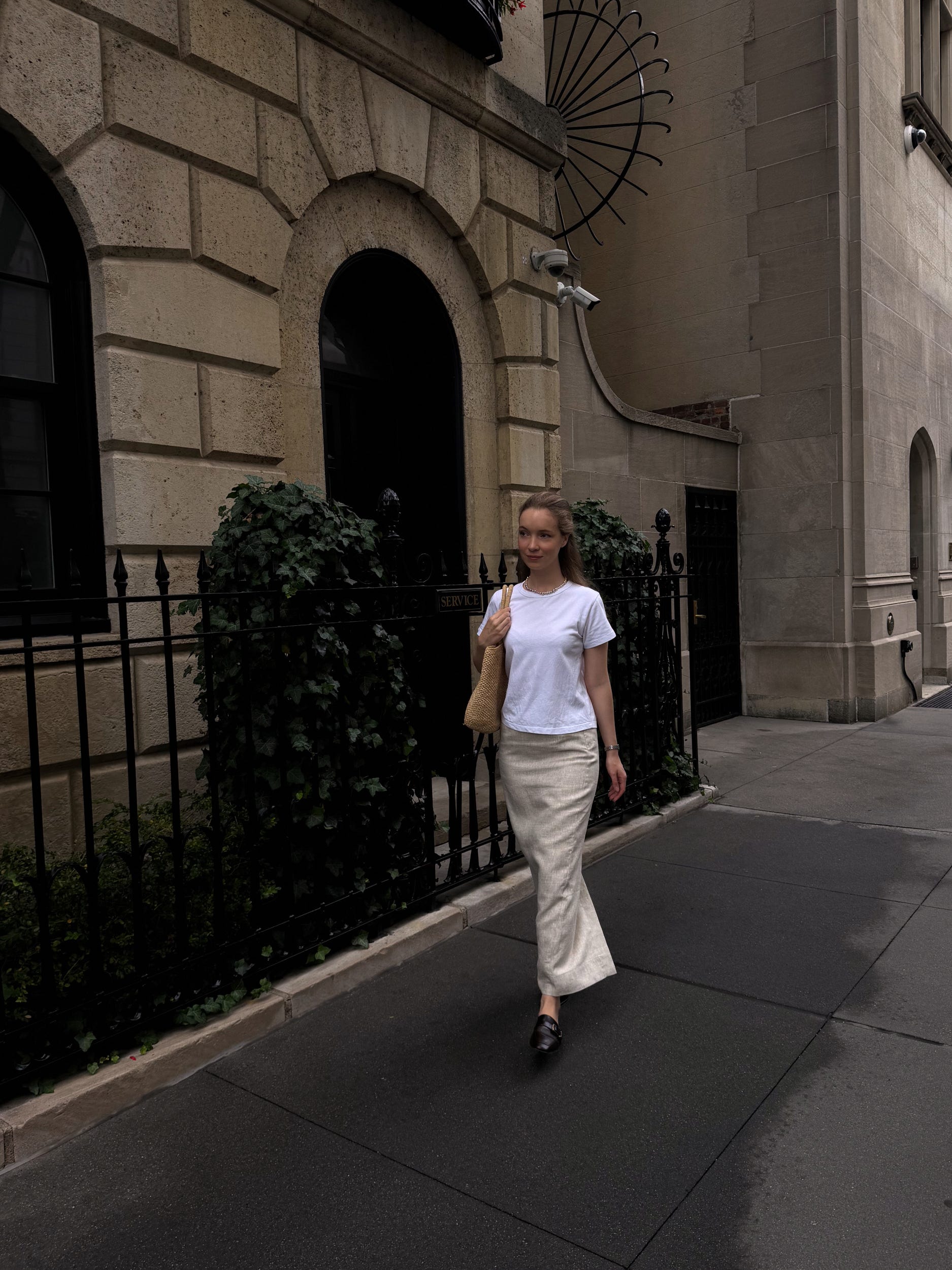
For years, I thought being good at shopping meant knowing where to find the best pieces and having a full wardrobe. But most of us were never taught how to evaluate the garment itself. Fashion media taught us what was fashionable, what celebrities were wearing and which pieces we apparently needed for the season ahead.
We were rarely taught why linen behaves differently from polyester, how to recognize a well-constructed seam or why one sweater lasts for decades while another pills after two wears.
No one explained how to read a composition label, distinguish thoughtful craftsmanship from clever styling or understand what makes a garment expensive to produce.
We learned how to desire clothes, but not how to judge them. The focus was almost always on what to buy next.
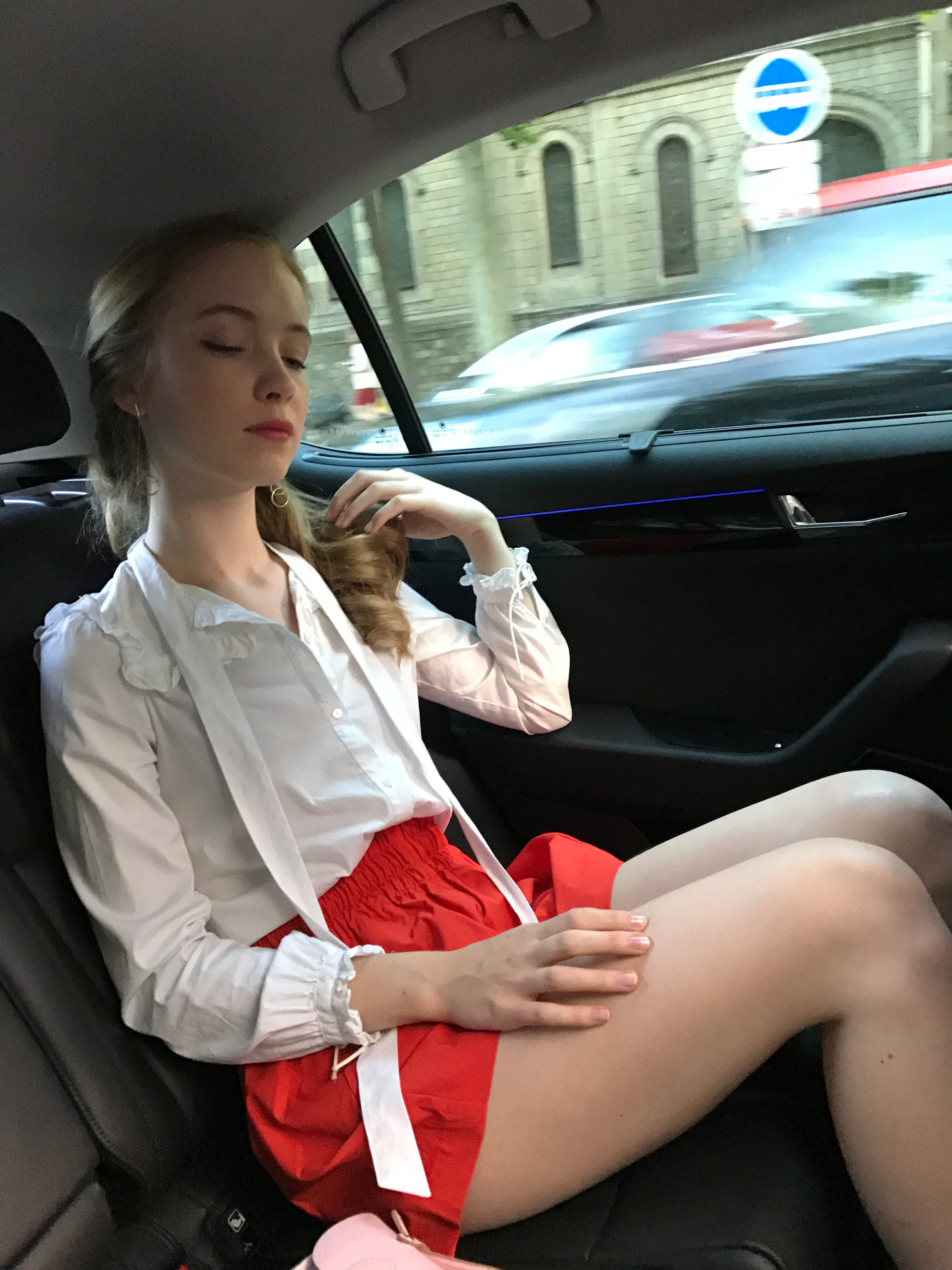
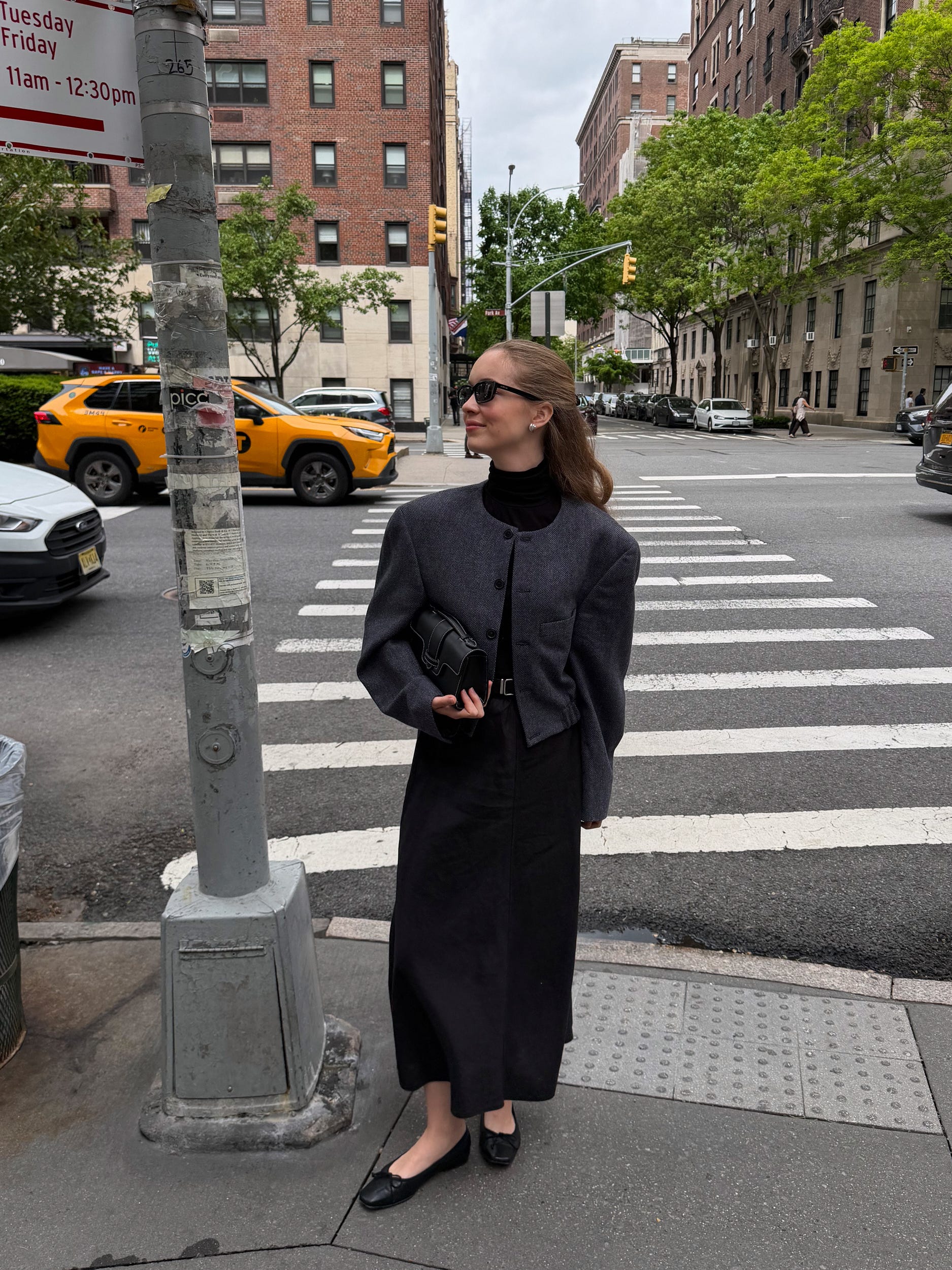
At twenty, I moved to Paris to study fashion design. I barely spoke French and, honestly, I never intended to become a designer. I always had the dream to become a fashion journalist. As a devoted magazine reader and collector, I dreamed of writing and educating about garments.
But in my twenty-year-old mind, I believed that if I wanted to write about something, I first needed to understand it completely and be able to do it myself.
So I spent three years surrounded by fabric rolls, pattern paper, pins and sewing machines. I spent many sleepless nights behind my Bernina sewing machine, trying to finish garments in time for class. I learned how clothes are constructed, why certain seams last and others do not and how dramatically a fabric can change the way a garment moves, feels and ages.
I became fascinated by what was behind a garment: construction, technique, fabric, finishing and craftsmanship. I began to notice the difference between a garment that had merely been designed to look good and one that had been made well.
During my first year at university, I would still stop at Zara on Boulevard Haussmann on my way home after class. It was a dangerous route for someone who loved clothes and was still learning to resist the appeal of constant newness.
The subject of fast fashion had already been on my mind for years when I attended a panel during Fashion Week with author Dana Thomas, whose book Fashionopolis explores the human and environmental cost of the clothing industry.
She was joined by model Amber Valletta, designer Phillip Lim and the dean of Parsons for a conversation about slow fashion. That panel showed me that alternatives to fast fashion already existed! Read the whole story in Why I Care About Slow Fashion.
Fashion could still be creative, exciting and beautiful without depending on constant disposability. That was the moment I decided to stop buying fast fashion and synthetic fabrics completely. The two are innately linked, cheap fibers like polyester helped make mass production at this speed and scale possible.
I learned how closely the industry depended on speed, imitation and extremely low production costs. I had read about unsafe working conditions, the Rana Plaza factory collapse and the enormous amount of discarded clothing in landfills in the global south, like in the Chile desert.
I had also begun to understand what fast fashion takes away from the creative side of the industry. Independent designers are copied before they have the chance to benefit from their own ideas. Skilled craftspeople struggle to compete with prices that do not reflect the true cost of making clothes.
I remember reading an issue of German Vogue dedicated to craftsmanship during the pandemic and feeling heartbroken by how many specialist skills had already disappeared.
The more I understood, the harder it became to treat shopping as something disconnected from the world around me. I kept returning to a quote by food activist Anna Lappé:
“Every time you spend money, you’re casting a vote for the kind of world you want.”
I wanted to vote for a world with craftsmanship, quality and personal style. A world where clothes are valued, repaired and worn for years.
I did not want to keep supporting a system built on endless waste, poor working conditions, the idea that creative work should be copied and clothes could be discarded after a few wears.
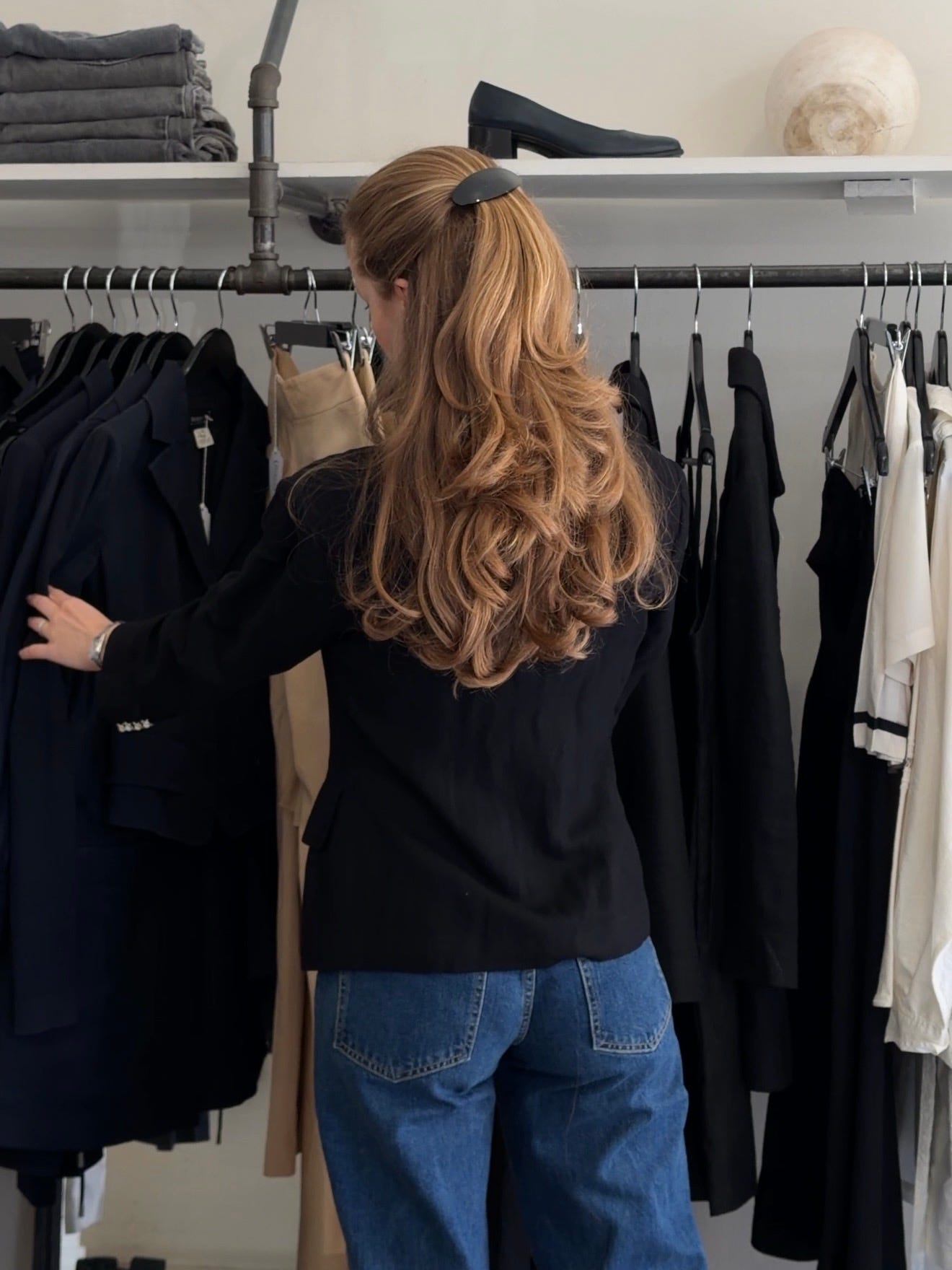
Stopping fast fashion did not mean that I immediately had the perfect wardrobe. I had to relearn how to shop and rebuild my wardrobe from scratch. I sold most of my fast fashion pieces on secondhand platforms and started fresh!
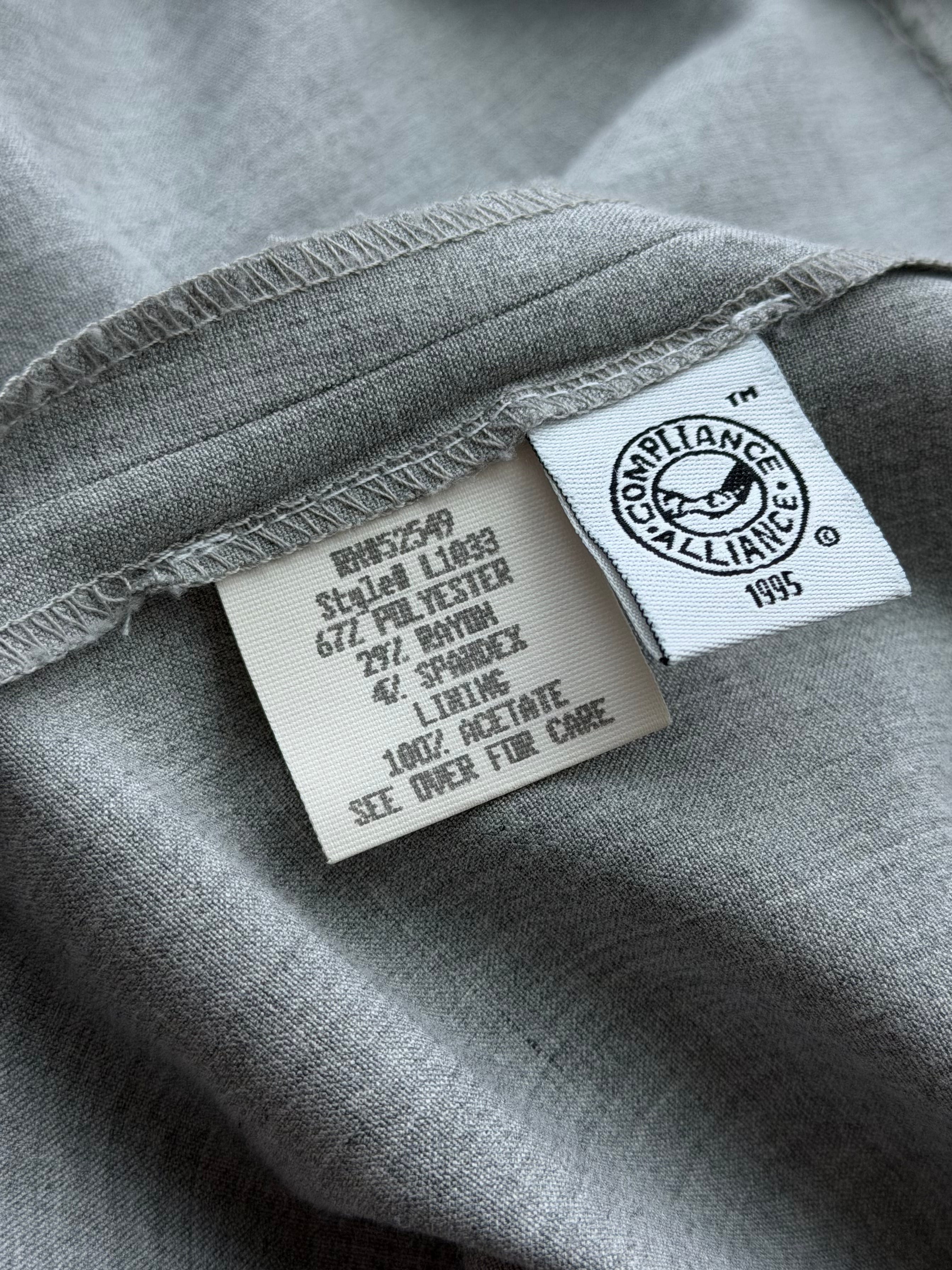
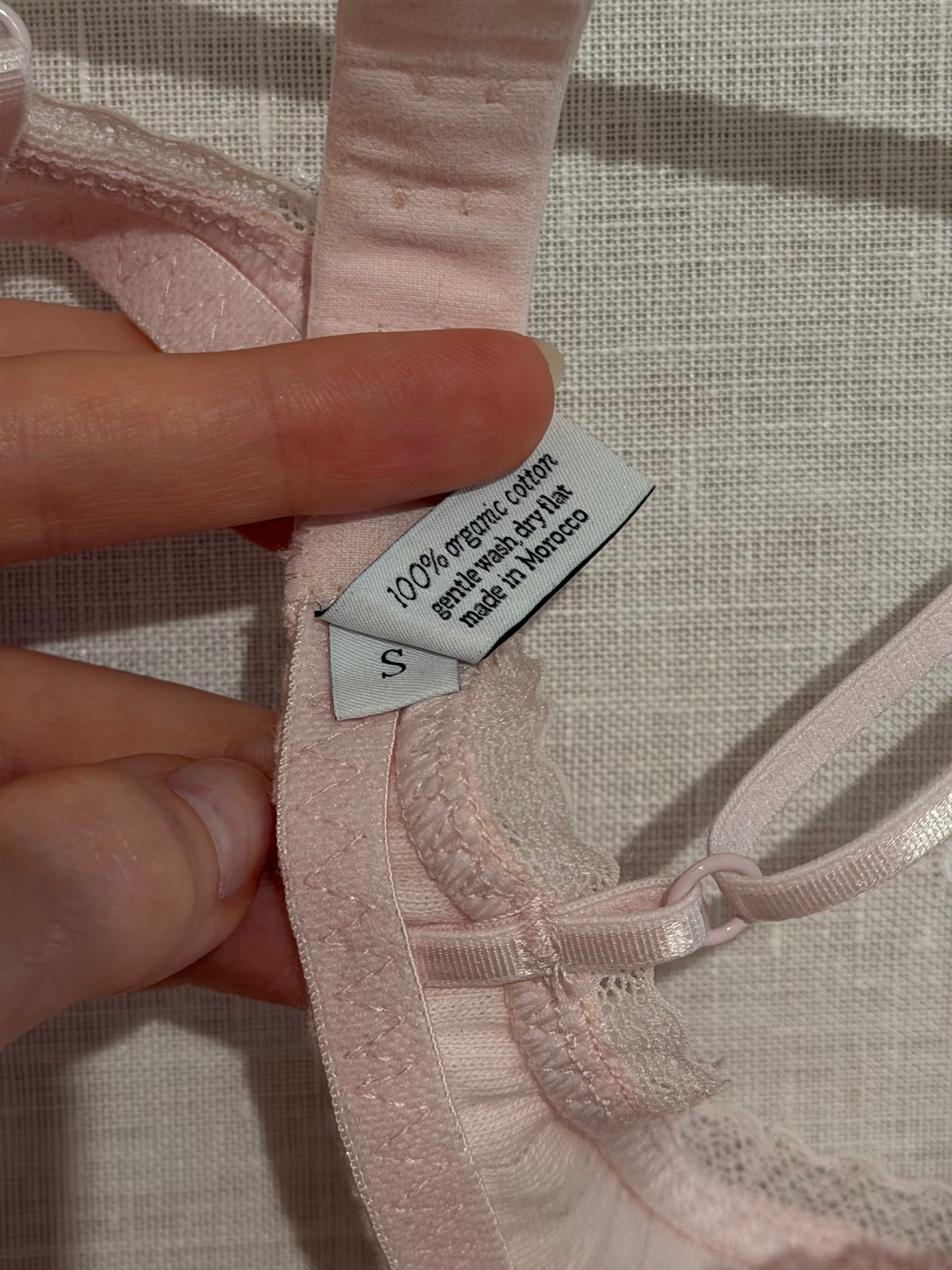
Today, when I consider buying something, I begin with the fabric. I feel it, look at the composition and ask myself how it will wear over time and how I will need to care for it.
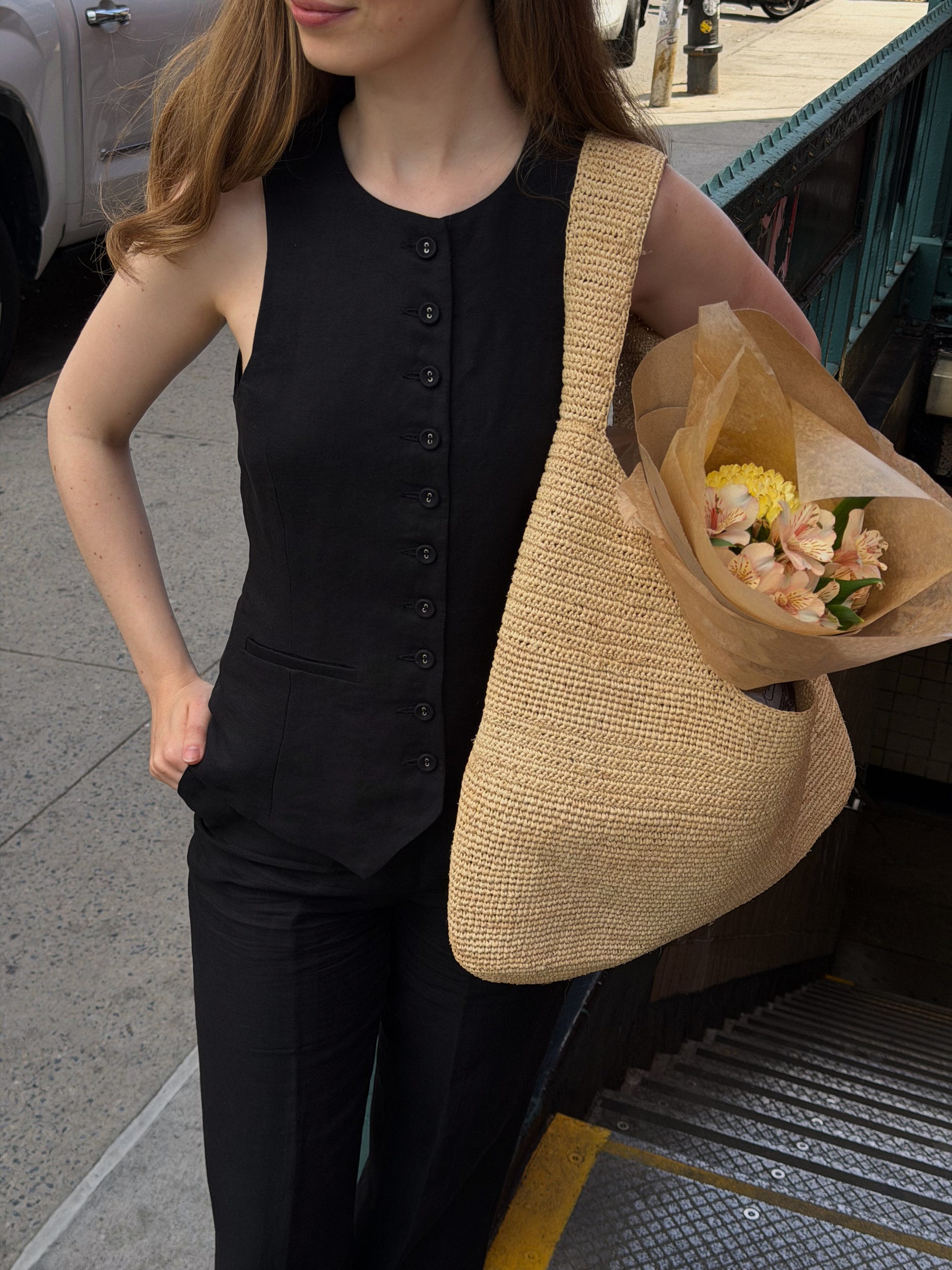
I am most drawn to natural fibers such as linen, wool, cotton and silk, along with certain responsibly produced semi-synthetic fibers, like Tencel or Lenzing Ecovero. I am much more cautious around fossil fuel-derived synthetics and fabrics I know I will not enjoy wearing.
I also look at the construction. I look if the seams are neat and secure, if the buttons feel substantial, the fabric pattern aligns and the garment is lined where it should be. These construction details tell you a lot!
I also ask myself this question before buying anything: Can I see myself wearing this piece years from now?
I don’t want to buy for one summer, one event or one passing version of myself. I want clothes that can live with me, become part of my routines and return each season without feeling dated. I choose timelessness over trends!
Two years after I stopped buying fast fashion, I walked into a Zara again. I was living in Germany at the time and studying journalism. I was curious to see how it would feel, part of me wondered whether I would suddenly be tempted or feel as though I had been missing out.
But honestly? It had completely lost its appeal! The store felt crowded with clothes that seemed designed to be replaced. I noticed the synthetic textures, the speed of the trend cycle and the sheer amount of low-quality products in a way I had never noticed before.
By then, I had discovered how much more rewarding it was to buy from independent brands founded by people with a clear point of view. I became obsessed about finding smaller labels that created out of passion and thought carefully about quality, longevity and production.
I also fell in love with vintage when I lived in Paris. A lot of vintage clothing shows us how much care was once considered normal in clothing, pieces were still made to last back then. It also made shopping feel personal again, instead of selecting something from an endless rail of identical products, I love finding unique pieces that stood the test of time.
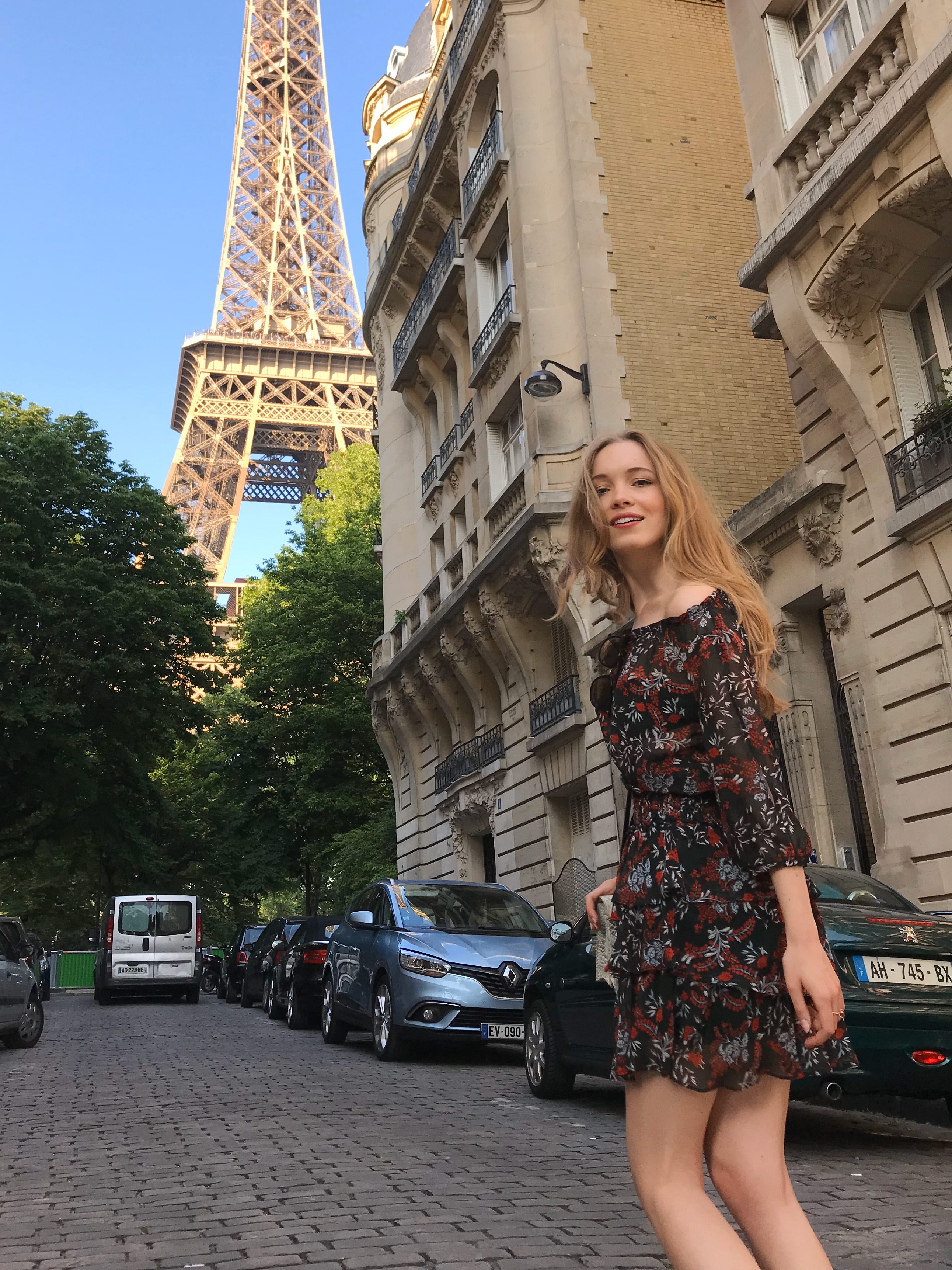
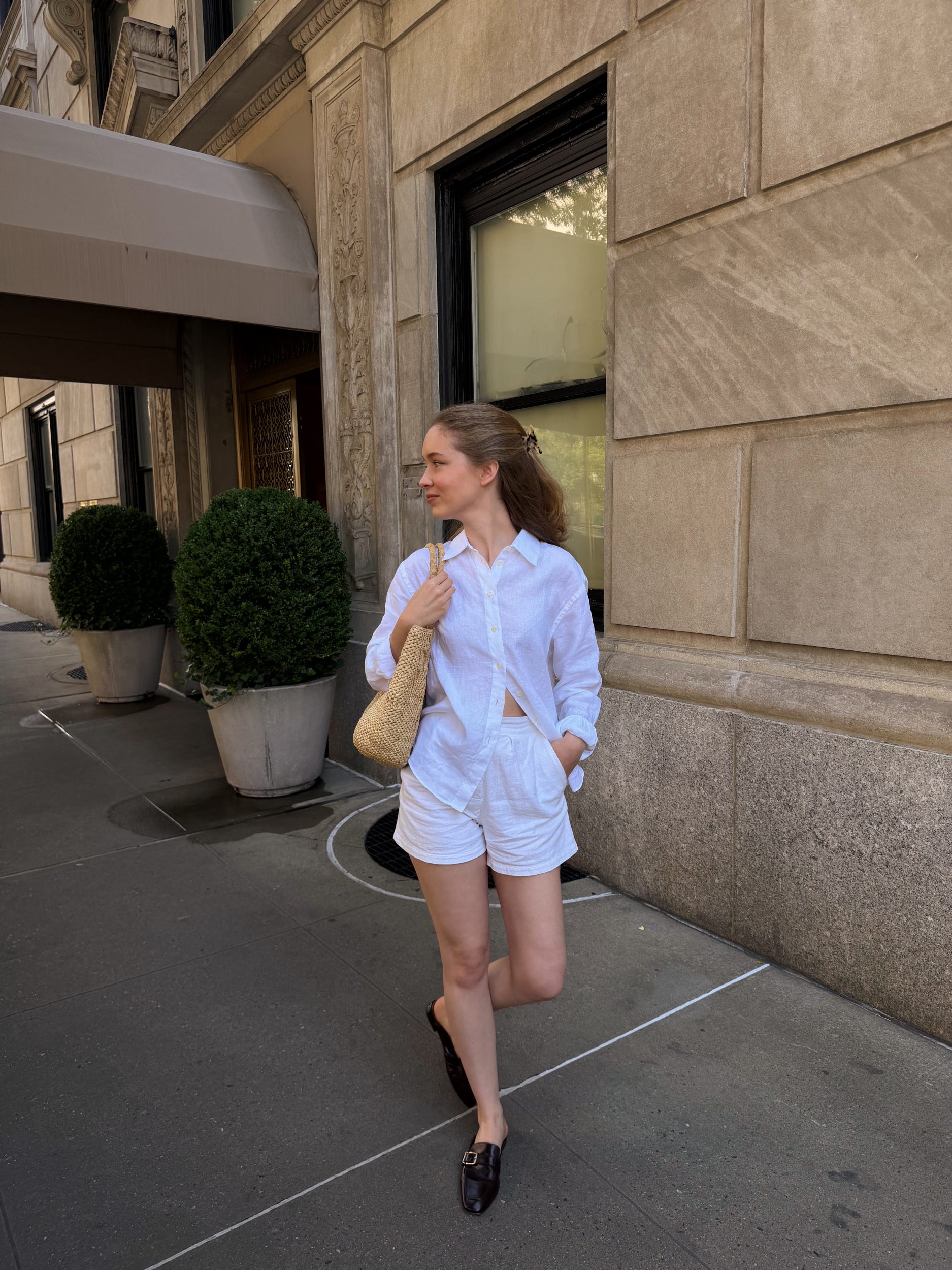
A category that felt tricky was occasion wear, when you just really want to wear something unique one time. When a former colleague from Madame Figaro was getting married, I wanted to wear something special, so I tried the French eveningwear rental company Une Robe Un Soir, see my experience and the dress in What I Wore to a French Wedding — and Why I Rented It.
I have a small number of dresses I truly love, and I use rental fashion when I want to wear something more dramatic or experimental. Rental can be great for a piece you may only wear once! Plus it can also be useful for trying a new silhouette, color or style before deciding whether it deserves a permanent place in your wardrobe.
I also became more interested in altering and repairing the clothes I already owned. I did sell most of my fast-fashion pieces through Vinted and Depop, but I kept a few that I could imagine transforming. I took them to a local tailor and changed the cuts or details to make them feel more personal. I realized that sometimes I avoided wearing a garment simply because of a small detail that a tailor could easily fix.
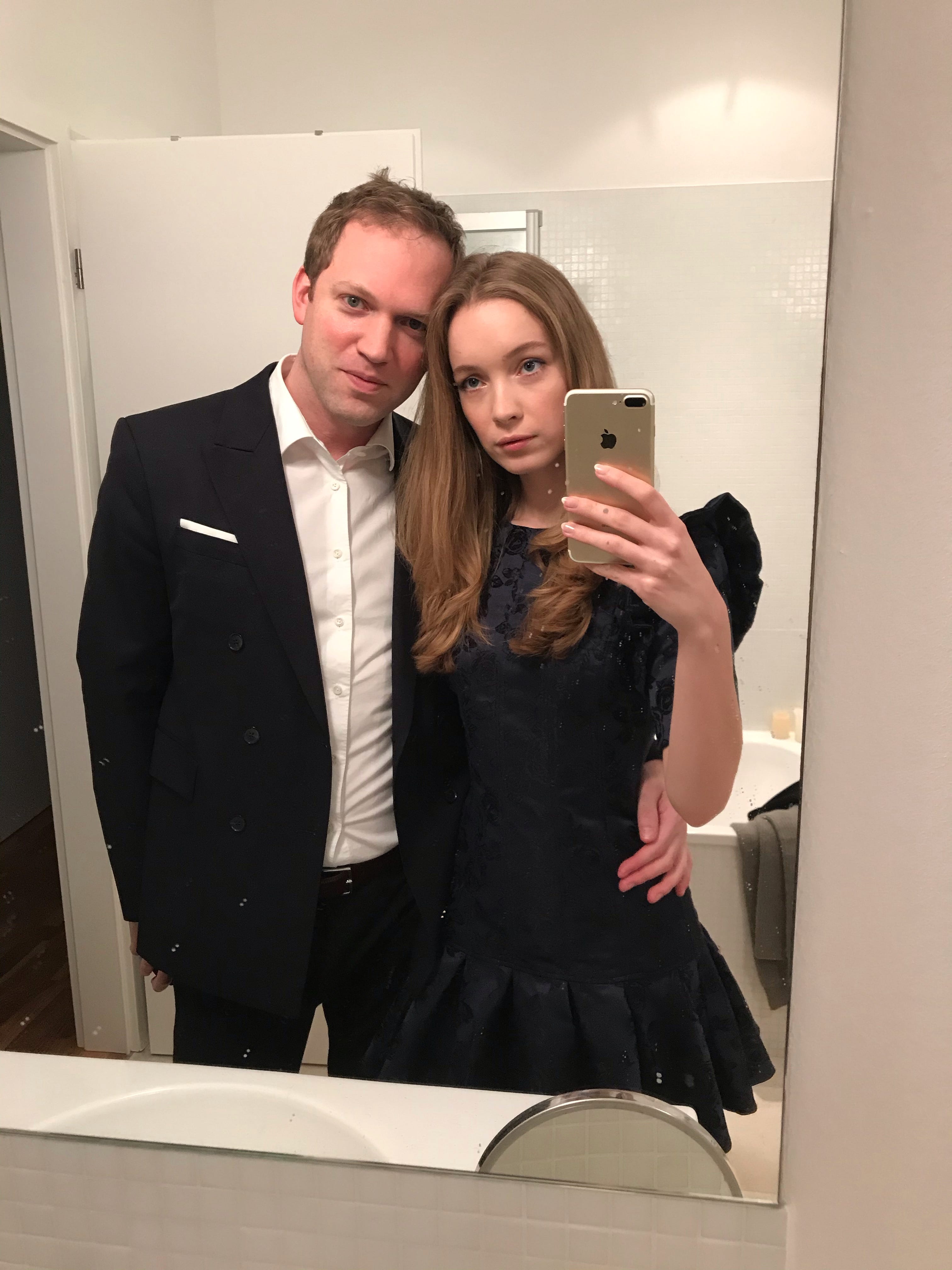
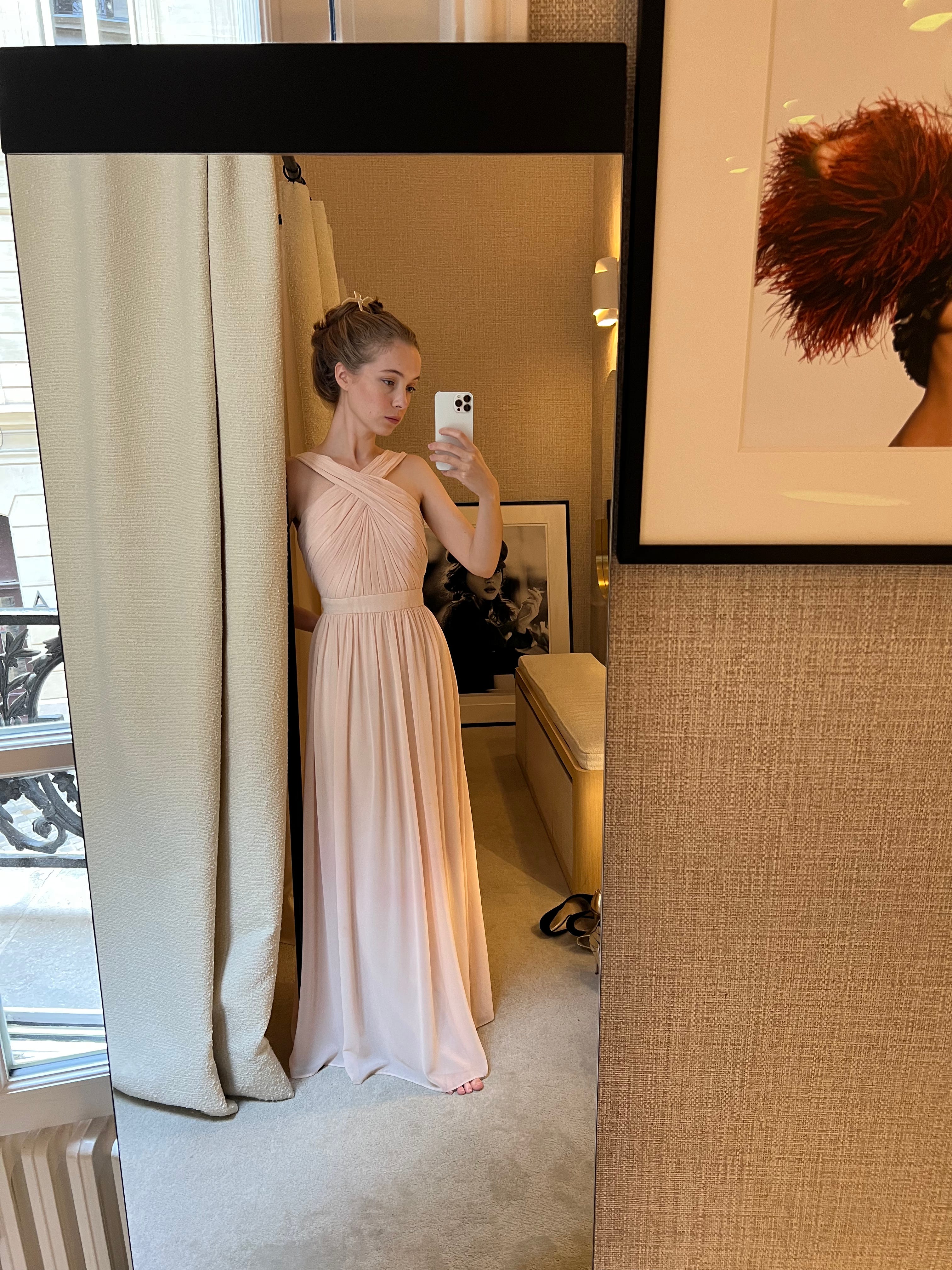
The biggest surprise was that I only began to understand my personal style after I stopped shopping fast fashion! For years, I thought more choice would help me define it, but it actually made it harder to see what I felt naturally drawn too. When every week offered a new trend, silhouette or must-have item, it was difficult to hear my own preferences beneath all that noise.
Once I began buying less, patterns emerged. I learned which colors suit me, which proportions make me feel most like myself and which fabrics I naturally reach for. My wardrobe became smaller but more coherent. The pieces began to work together instead feeling like a mix of various aesthetics.
This made getting dressed so much easier. At the beginning of each season, I now hold a styling session with myself, I shared this process recently in my newsletter 10 Timeless Summer Outfit Formulas to Restyle. I take out the pieces that feel relevant for the months ahead, experiment with different styling combinations and take pictures for a personal lookbook folder on my phone.
During that process, I note any genuine gaps in my wardrobe. Keeping a wish list has been one of the most effective ways to avoid impulse purchases!
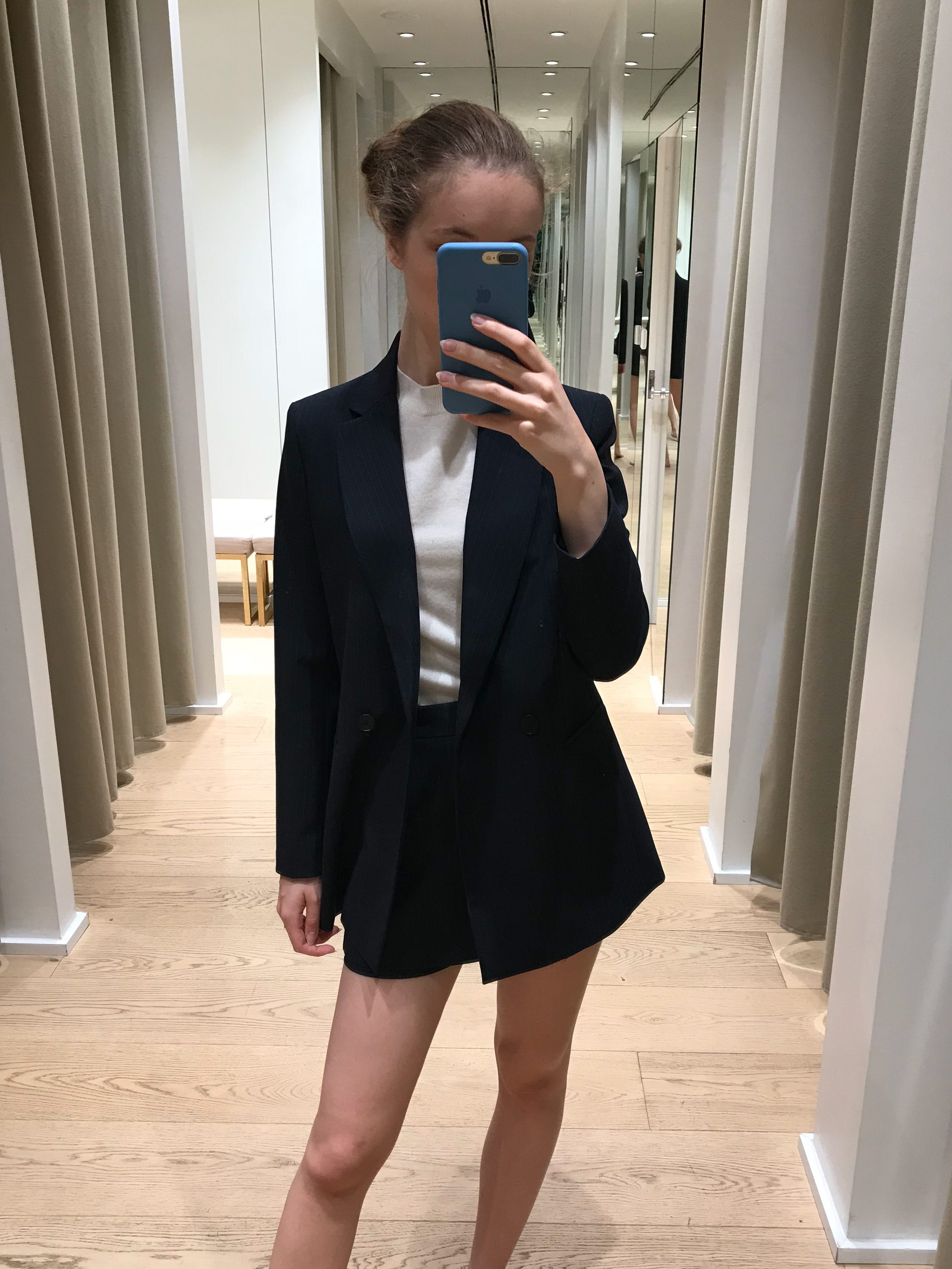
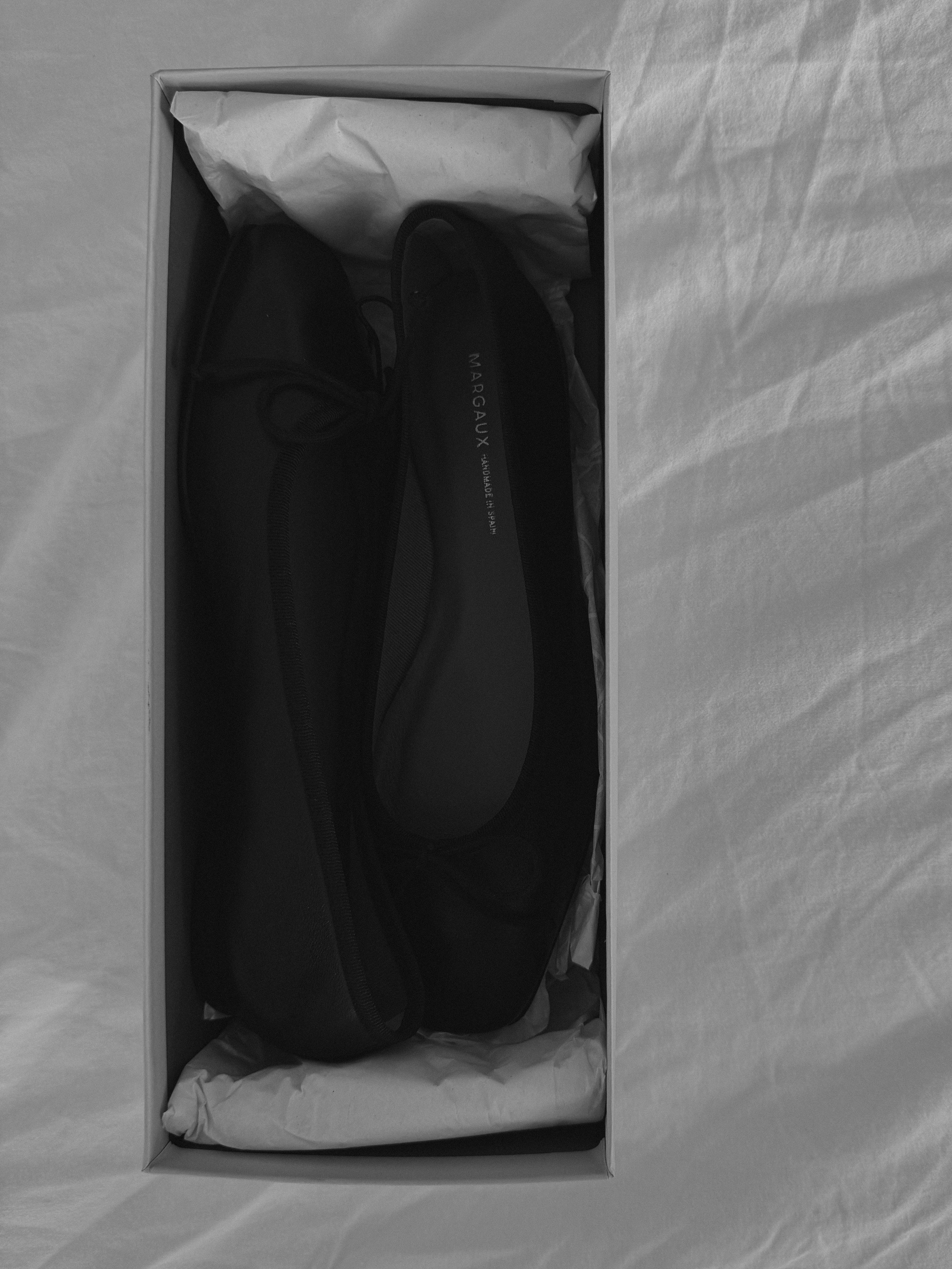
Today, these are the wardrobe principles I return to:
I check the fabric before the design
I buy from a wishlist, not on impulse
I shop mostly independent brands
I look for vintage treasures
I rent for special occasions
I mend before I replace
I buy fewer pieces
I think in wearing for decades, not seasons
I care about craftsmanship
I ask “will I still love this in ten years?”
My wardrobe is smaller than it was a decade ago, but it feels much more like me! The clothes inside it are pieces I know how to care for, pieces I repair and pieces I look forward to wearing again and again.
I have learned that an edited wardrobe of clothes you genuinely love can take you much further than an overflowing closet shaped by every passing microtrend.
I do not think everyone needs to shop exactly the way I do.
But I do believe everyone deserves to understand what they are buying. Because once you learn what makes a quality garment, it’s very difficult to go back.
If you’re also building a more intentional wardrobe, I’d love to hear about your journey. Was there a moment that changed the way you shop?
Thank you so much for reading and I’ll see you next week,
x Sarah
get more slow fashion knowledge, brand recommendations and outfit inspiration on Instagram. Always feel free to DM me, I’d love to hear from you!
p.s. my founding member tier now includes a one-hour digital closet consultation
you might also like:
The Monthly Edit: Slow Fashion Finds from June
·
Jul 7
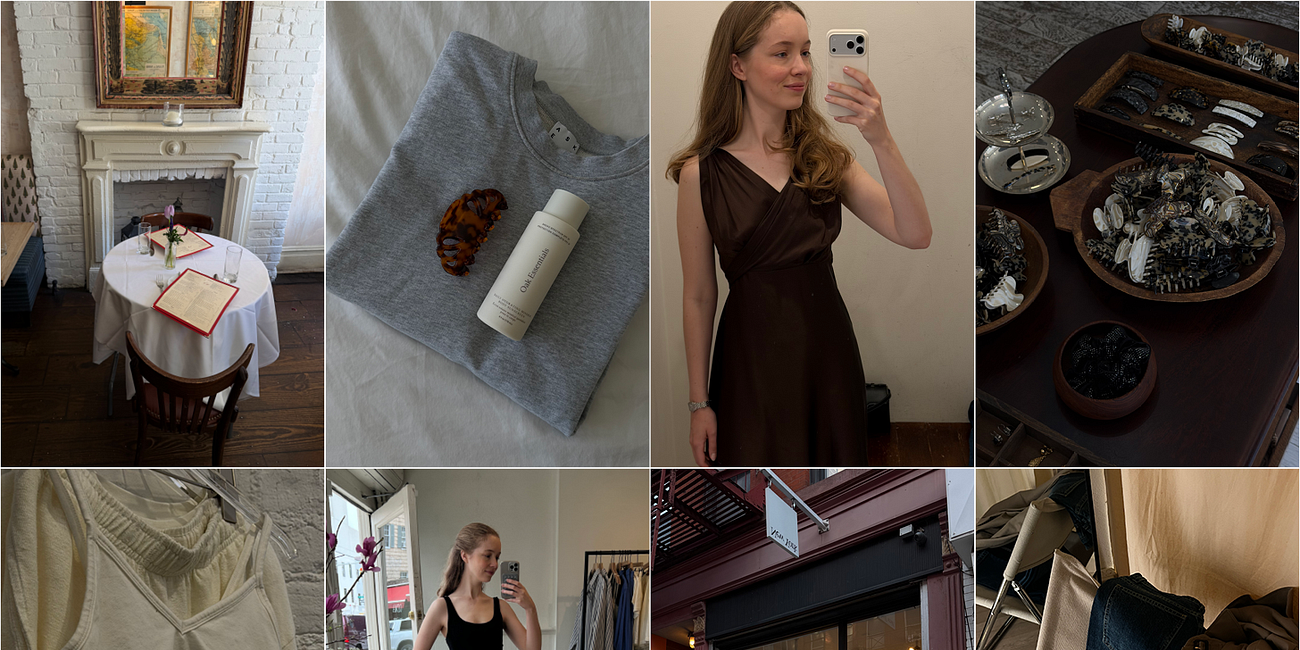
Let’s start something new here! I’m always visiting slow fashion pop-ups, vintage stores, concept shops and little boutiques around New York City as well as abroad. Over the past few months, I realized I have so many photos and notes saved from pieces I came across in person, so I thought this could become a lovely monthly series.
NYC Outfit Diary: Slow Fashion Looks I Wore in June
·
Jul 3
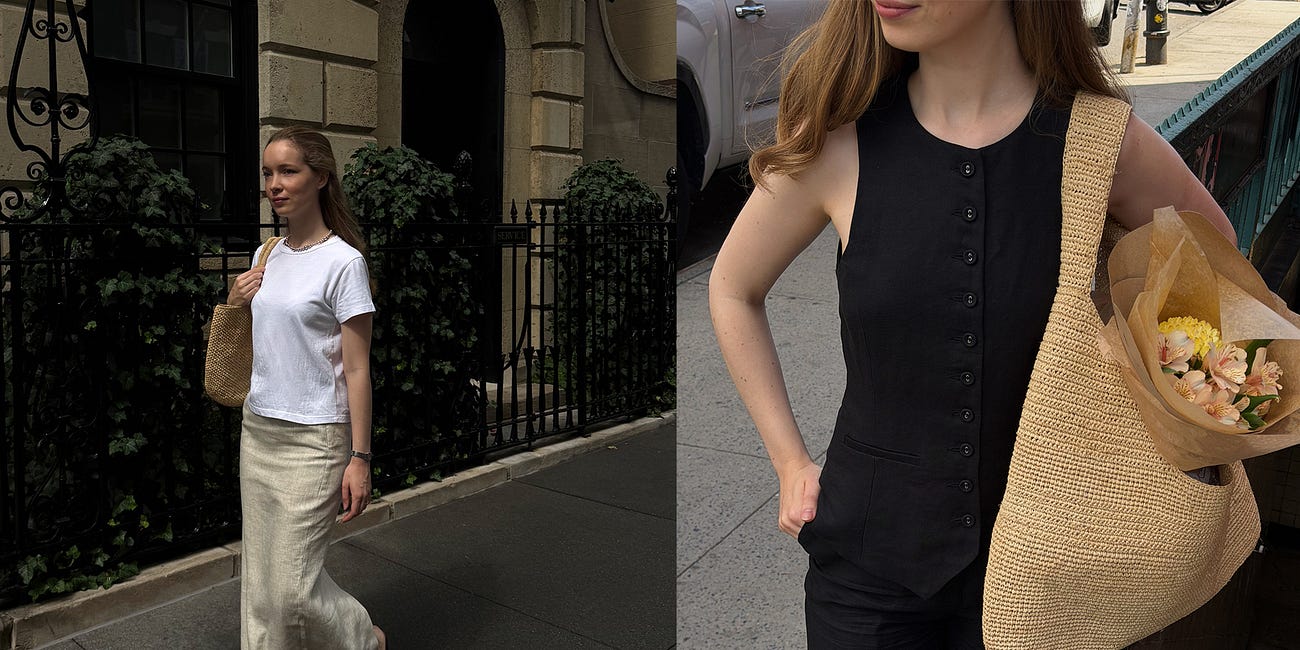
I often get asked about good brands for elevated basics and unintentionally, this month’s outfit diary became a little roundup of some of my favorite brands creating high-quality wardrobe staples. I truly believe some of the best outfits are the simple ones, built around timeless, well-made pieces.
No posts
Comments
Nothing yet. Say the first thing.
Sign in to join the conversation.