
For most of my life, I believed I couldn’t possibly have ADHD because I loved reading so much. After all, people with ADHD don’t like to read… right?
Of course, I now know that isn’t true. In fact, many people with ADHD have a kind of superpower: the ability to hyperfocus on things we genuinely enjoy. It’s the reason I could happily spend an entire day wrapped up in a good book if life allowed it.
But hyperfocus can also work in reverse. When something doesn’t interest us, focusing can feel nearly impossible. That’s one reason many kids with ADHD are reluctant readers.
Ironically, reading itself was never my struggle. Parker, however, is a different story.
As a lifelong bookworm—or, as I like to call myself, a book dragon—I’d always imagined raising a child who loved books as much as I did. I even read to Parker while he was in the womb because that’s what my mom did for me, and I assumed it would naturally create another little reader.
Life, however, had other plans.
Parker loves stories, but the act of reading itself is often hard for him.
And yes, reading matters. Research consistently shows that reading supports academic success, builds empathy, strengthens imagination, and even benefits mental health. That’s why schools place such a strong emphasis on it.
But if your child struggles with reading, all is not lost.
Over the years, I’ve learned that raising a reluctant reader isn’t about forcing books. It’s about helping kids build a positive relationship with stories and with themselves as readers. Some of these strategies have helped Parker engage more with books, even if reading is still sometimes challenging for him.
Aside from the usual “let kids choose their own books” advice, here are a few strategies you may not have heard before.
And if one doesn’t work? Toss it out the window. The best reading strategy is the one that works for your child’s unique brain.
This is my number-one reluctant reader strategy.
Many schools assign twenty minutes of reading each night. Unfortunately, this can unintentionally teach kids to associate reading with homework, pressure, or even punishment.
Instead, try surrounding kids with books they genuinely enjoy. Visit the library regularly. Shop at your local bookstore. Leave books lying around the house. And remember: all reading counts, whether it’s novels, comic books, cookbooks, game guides, or instruction manuals.
If your child still needs structure, try shrinking the goal.
Kids with ADHD often struggle because reading feels overwhelming. Large blocks of text can feel intimidating, which is one reason many reluctant readers gravitate toward graphic novels.
Instead of focusing on time, try goals like:
Read for five minutes
Read one page
Read until you find one interesting fact
Small wins build momentum.
Many reluctant readers secretly believe that “good readers finish books.” But that belief can create so much pressure that kids stop wanting to read at all.
Giving kids permission to abandon books removes some of that emotional weight and helps reading feel voluntary again.
Honestly, I struggle with this myself. Just recently, I had to remind myself that it was okay to stop reading a book I wasn’t enjoying. Even avid readers can start to resent reading when it feels like an obligation.
Life is too short—and TBR piles are too long—to force yourself through books you hate.
There’s nothing wrong with rereading the same book over and over again.
In fact, rereading can actually improve fluency, comprehension, vocabulary, and confidence. Familiar books reduce cognitive load, allowing kids to focus less on decoding and more on understanding and enjoying the story.
So, if your child wants to read the same series for the fifteenth time? That’s okay.
I know some people push back on this because listening and reading are technically different skills. But read-alouds are still incredibly valuable.
Parker is almost eleven, and I still read aloud to him regularly. He’s obsessed with Goosebumps books, but he rarely picks them up independently. When I read them aloud, though, he becomes completely engaged.
Listening removes the pressure of decoding words and allows kids to fully focus on the story itself. That means they’re still building comprehension, vocabulary, imagination, and a love of storytelling.
And honestly? This applies to adults too. Audiobooks absolutely count.
Kids learn more from what we model than from what we say. So if reading is hard for you sometimes, let them see that.
Tell them when:
“This chapter lost me.”
“I had to reread that paragraph.”
“I’m just not in the mood for this book.”
Moments like these help normalize reading struggles and reduce the shame many reluctant readers carry.
Because struggling with reading doesn’t mean a child is lazy, unintelligent, or “bad” at books. It just means they’re human.
Most reluctant reader strategies focus on performance.
But the strategies that often work best focus on relationship instead: relationship with stories, relationship with books, and relationship with themselves as readers.
And that relationship matters far more in the long run than forcing the standard twenty minutes a night.

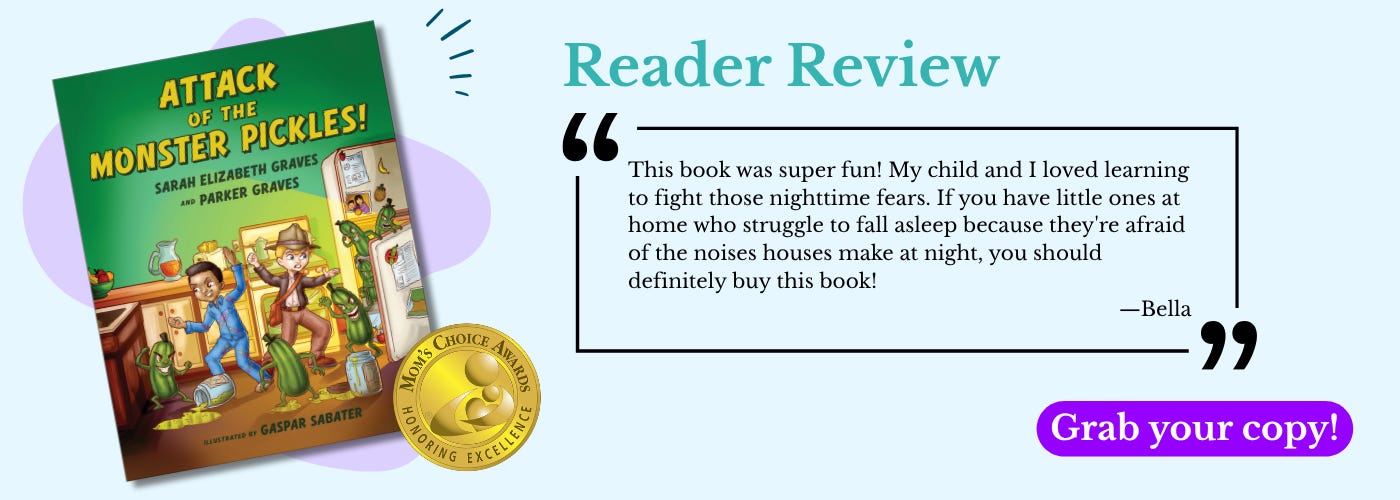
If you’re looking for a read-aloud that’s especially great for reluctant readers ages 6–8, check out Parker’s and my award-winning picture book, Attack of the Monster Pickles! It’s full of goofy fun, giant monster pickles, and a heartwarming message about using imagination to face bedtime fears.
No posts
Comments
Nothing yet. Say the first thing.
Sign in to join the conversation.