
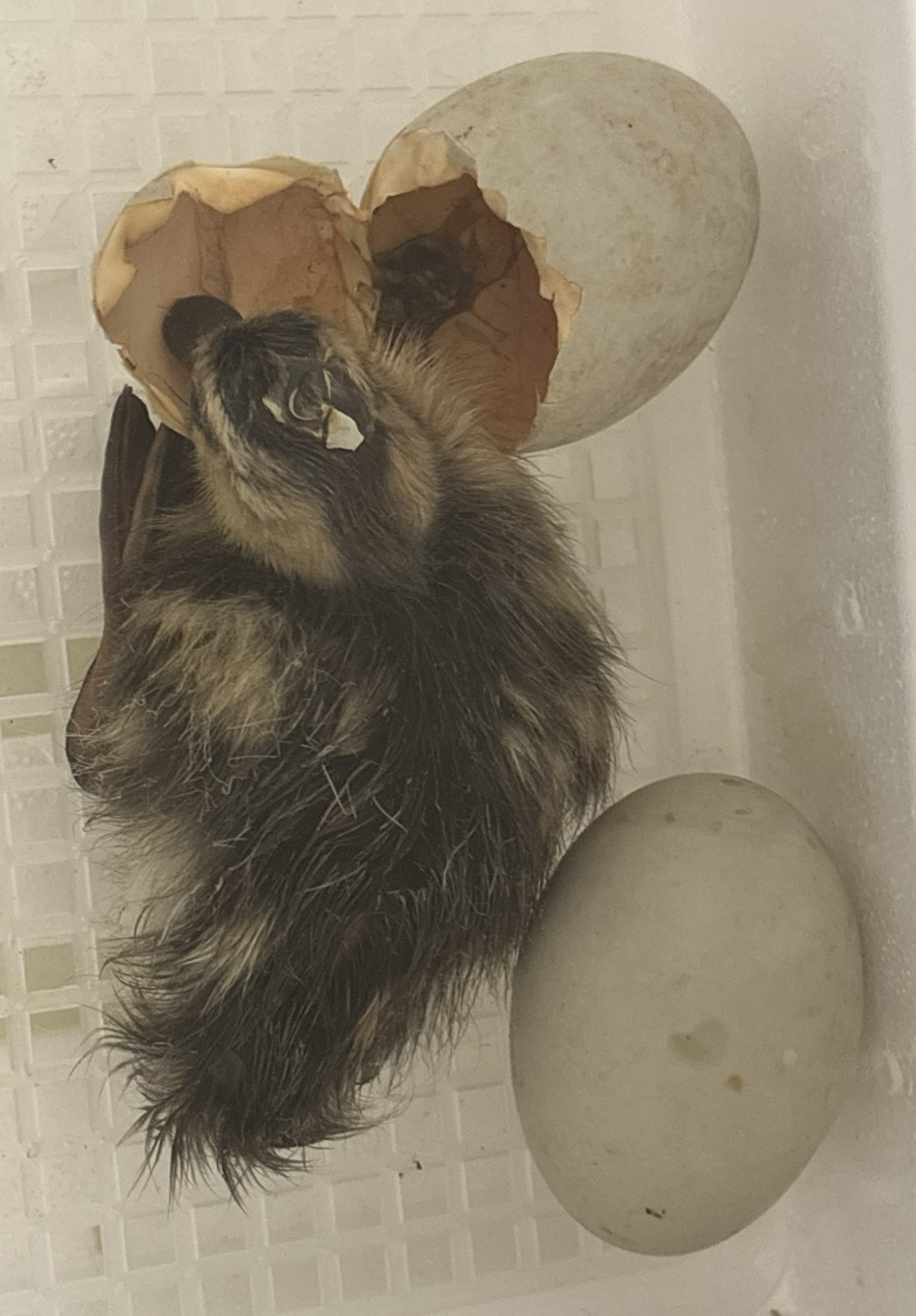
I’ve been translating perspectives of Ajahn Buddhadāsa where he discusses the “buddhaness” or quality of awakening in everything everywhere, including people. As I reflect on these pages (here and more to come), I’m reminded of Thich Nhat Hanh’s advice that we see everyone, including “difficult people” as buddhas or buddhas-to-be (one meaning of bodhisattva). When I translate things I find meaningful, I also reflect on and practice with them as I go about my daily business. For example, pondering the rocks and soil at our building site as full of buddhaness or viewing the staff at Tractor Supply when I ask about duckling feed as sentient beings in the process of awakening (ducklings and people).
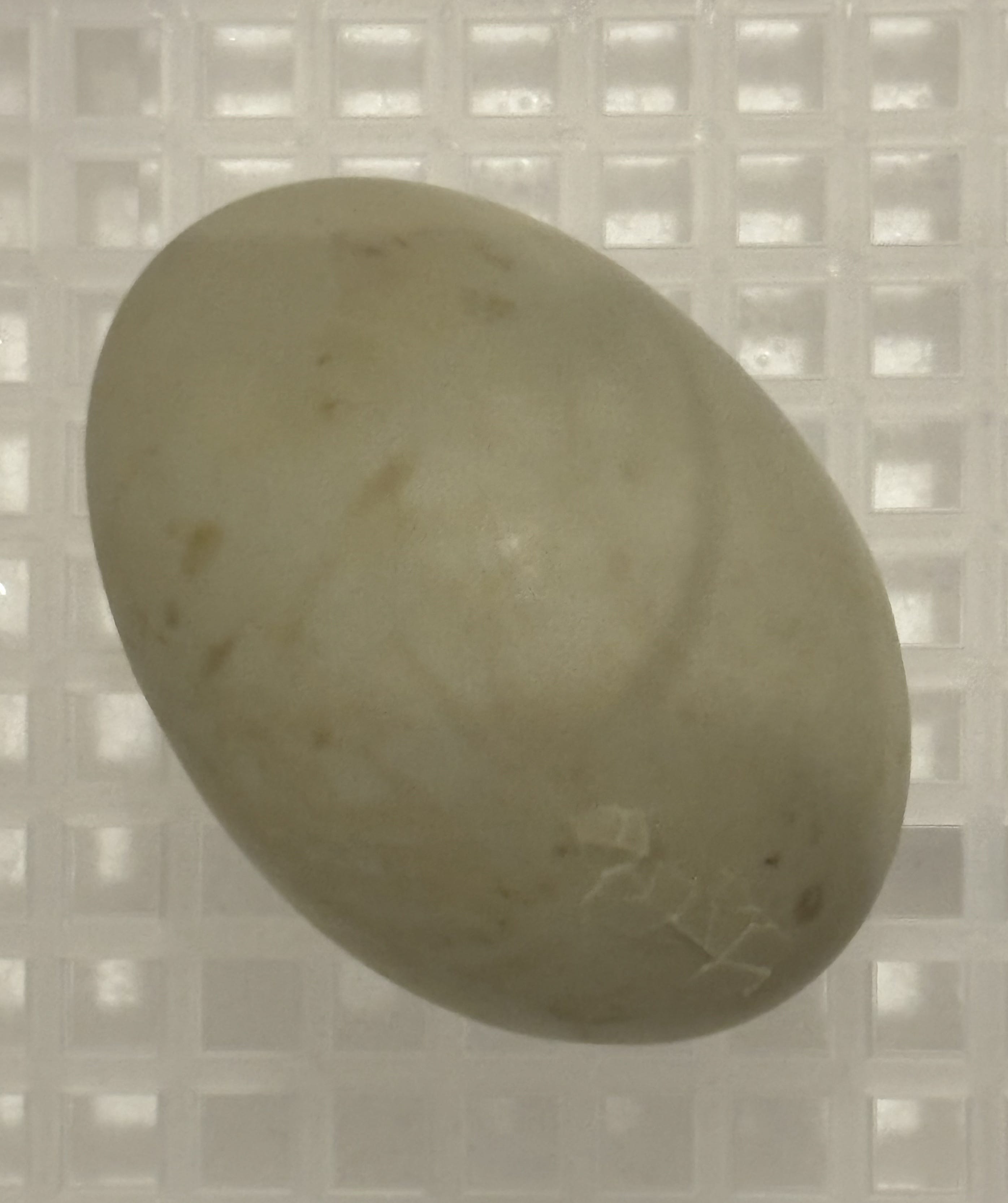
What happens with our world when we view things as imbued with buddhaness, the “element or germ of awakening,” as Tan Ajahn puts it? For those of us who orient our lives with the lens of Buddhism, who are inspired by and take awakening seriously, what happens when we see other people — or consider the possibility in difficult cases — as full of this germ or element or quality that ripens in awakening? I find this challenging and enlivening, not to mention kind. Then, not overlooking my own inner stuff, might buddhaness be lurking within liver and kidneys, and even my fears and angers?
When Tan Ajahn contemplates buddhaness, he doesn’t do so with a fixed perspective or single definition. While we might want such tidiness, perhaps wishing for a simple approach, that’s not how deeper Dhamma exploration works. This encourages me to be playful and creative, flexible and curious, in exploring buddhaness everywhere and in everyone.
Although somewhat familiar intellectually, this is new to me as practice but still not too late to take advice from Thay and Tan Ajahn. As I carry on with the translation project, I’ll be minded to keep looking for the buddhaness in everything and everyone, including political and business leaders and followers.
Comments
Nothing yet. Say the first thing.
Sign in to join the conversation.