
In my little corner of the world, June is glorious. The bird bath brims with rainwater, and the birds sing from dawn to dusk in their tinny, trilly choir. Green leaves dance and shimmy in the wind. Shadows dapple the ground. The peonies are nodding their last goodbyes, and the rugosa roses are dropping petals like lipsticked kisses on the grass.
It’s June, full of the promise of summer days ahead and the unfolding of starry, mosquito-y nights. June is also the month of Pride, and Juneteenth, and today, here in Canada, National Indigenous Peoples Day.
In honour of today and this wonderful month, I am sharing with you a story I wrote in June of Canada’s sesquicentennial year. I hope you enjoy it.

My little cousin, Mercy, comes into the cottage carrying a flat piece of wood, cut into the shape of a fish. She tells me it’s for the Paint-A-Perch contest the town is running in celebration of the Sesquicentennial.
She seems tired. Exhausted by her life as an eight-year-old. It’s been too cold and rainy this summer. Normally, she’d spend all day in a bathing suit running around the property with her sister, playing on the beach, and begging adults, like me, to accompany her to the sandbar where the water is shallow and the lake bottom sandy. But not this year.
She asks if I can help her paint the fish plank, so I get out some watercolours and pastels. I envision a watery blue, blotchy fish — with maybe a yellow eye. I’m enthused by the project—delighted that Mercy is participating.
She lays her head on her arm and looks at the blank fish canvas and the paintbrushes I’ve set out. Her long, dark hair covers most of her face. She seems disenchanted.
I have to go. My sisters and I are driving around the lake today to Minesing for a quilt show at the Simcoe County Museum. We leave Mercy at the kitchen table, dipping a reluctant paintbrush into a jar of water.
Traffic is light, and for a change, the sky is clear. No rain clouds in sight today. I turn on the GPS and program it to avoid the big highway. In a little over an hour, we have meandered our way around Cook’s Bay and up to the city on the northwest corner of the lake.
The parking lot of the museum is packed full of cars baking in the sun. I squint into the brightness and slam the car door shut. The heat of the day presses down. It’s the second or third day of this kind of weather. Back at the cottage, Mercy has probably gone swimming.
Inside the museum, my sisters are greeted by their quilter friends and disappear into the cavernous room housing the quilt show. I decide to save the quilts until the end. It won’t take me long to survey them. Sure, they’re beautiful and oh-so-much-work, these pieced geometric combinations of fabric scraps, but they’re bedspreads after all. Blankets assembled by all these middle-aged women with short gray hair. Women like my sisters and me.
I wander down the hall into the museum to look at the exhibits. The first is a longhouse. It looks rather skimpy, but I’m curious to know what it feels like inside. There are plastic coals in a fire pit in the middle of the floor. Wolf pelts hang from the ceiling, and the benches along the walls have animal hides strewn on them. The roof is covered loosely with bark. It feels poorly constructed, and the sensation I was seeking does not materialize.
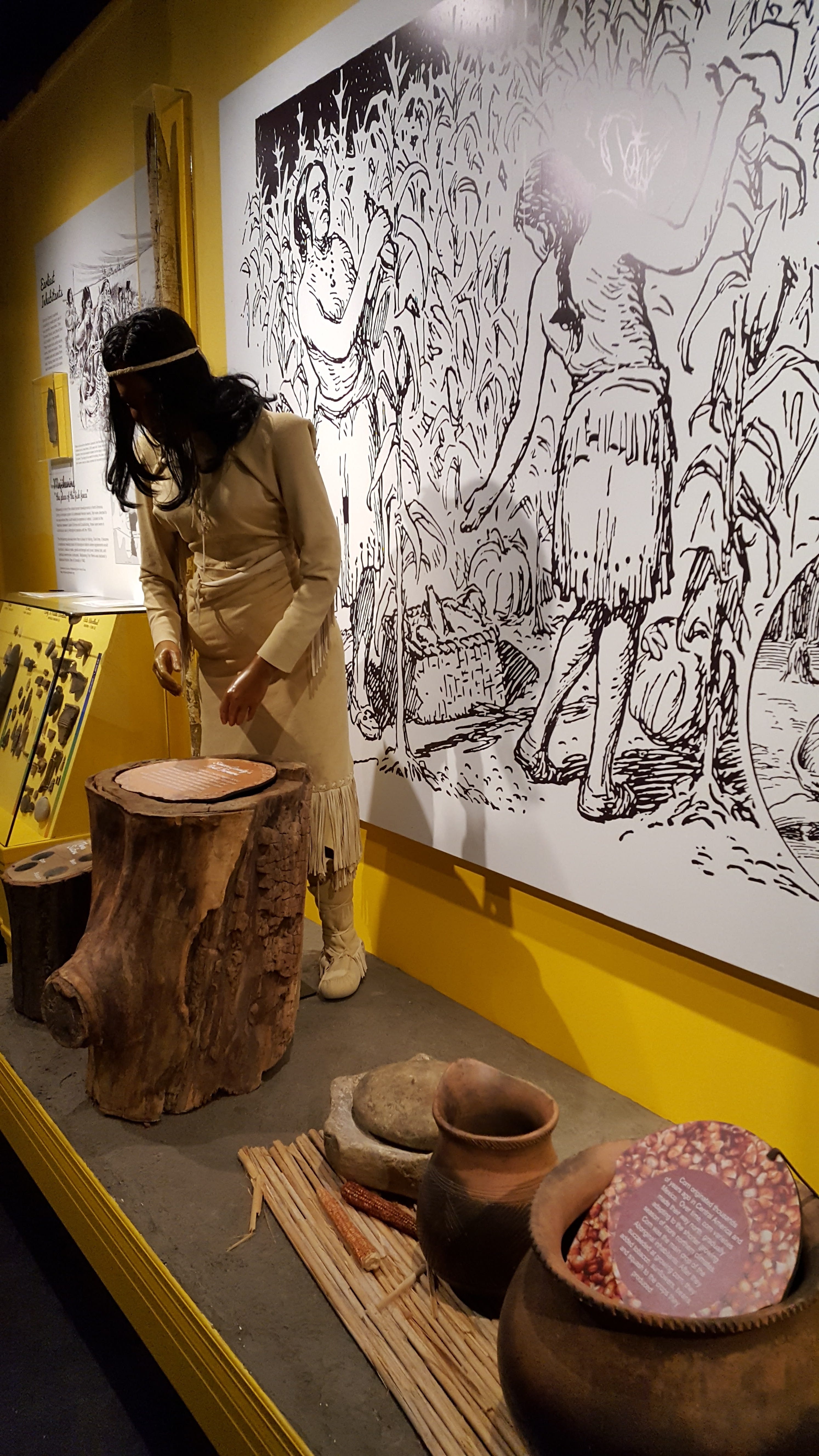
Farther along in the gallery, I encounter a buckskin-clad female figure with knee-high moccasins and a fringed skirt. A braided headband encircles her wig of shiny black hair. The figure is bending forward toward a tree stump upon which she is presumably preparing one of the three sisters: corn, beans, and squash. The exhibit is aimed at schoolchildren. Kids about the age of Mercy.
I meet Natalie and Suze outside at lunchtime. It’s a beautiful day. Mature pine trees tower all around, creating a high green ceiling and dappled shade from the midsummer sun. We sit at a picnic table and eat hot dogs and pie. The soundlessness of the forest floor, the quiet hush created by the cathedral of trees, stirs my pioneer blood. I look around at the little church and its neighbouring schoolhouse. The sensation of olden days shimmies through my veins.
After lunch, my sisters and I wander through the outdoor exhibits. Our ancestral past feels close. The items on display are familiar—all our lives we’ve been surrounded with this old Canadiana in our cottage and pump house. We could open a museum ourselves.
Under the trees, a woman pedals an ingenious circular knitting machine like a bicycle, creating marvellous wool socks. Nearby, a blacksmith pokes at an open fire, pulling out glowing red rods, hammering them before a small audience of middle-aged husbands.
The blacksmith has laid out a collection of iron items—knives and locks and keys. I point out to Natalie that her husband might like one of the black-bottom frying pans for his campsite.
The blacksmith picks up a long axe-shaped tool and asks Natalie if she knows what it is. She plays along—unlike me, she likes interactions with strangers.
“The traders knew there was only one thing the Indians loved more than war,” he tells Natalie with confidence. “And that was smoking.” He waves the metal axe. “So they invented these Tomahawk/Peace Pipes—the Indians loved these things! Couldn’t resist them.”
I avert my eyes and look down at the black metal tools spread out along the bench. Natalie is quiet for a moment, listening politely. Then she cocks her head to the side and asks the blacksmith, “Do you mind a little feedback on your presentation?”
“Oh, this isn’t a presentation,” he protests. “I’m just talking.”
Natalie clears her throat. “Right, I know, and I don’t mean to criticize. I just want to point something out.” I know what’s coming, and my heart speeds up a beat or two. “When you say the Indians loved war as much as smoking, that’s not really true.”
The blacksmith waves away her remark like a pesky housefly. “That’s not me saying that. That’s in the books. The history books.”
Natalie’s voice rises to match the blacksmith’s volume. She says, “The books are wrong too.”
A small crowd has gathered. The man beside Suze shuffles his feet in the pine needles. “Most Natives weren’t warlike—they were peaceful,” Natalie continues. “And they certainly weren’t any more violent than the colonists who brought the guns and gunpowder!”
The blacksmith talks over my sister, mansplaining and defending his understanding of the metal tools used by the settlers in their trade with the First Nations people.
Nevertheless, she persists. A few in the crowd nod and murmur their assent with Natalie. The blacksmith is outnumbered. He stops talking. Natalie has made her point. I’m proud of her.
As we walk away, a man asks the blacksmith where he gets his raw materials, and the blacksmith launches into an explanation of anchor chains.
Before we leave the museum, I walk through the quilt show. The entries for the “Canada 150” category hang in the hallway. My eyes dart over the blocks of red and white, the maps of Canada, the Mounties and stitched Tim Hortons cups. One whimsically pieced quilt captures my attention. Separated by russet maple leaves are appliquéd blocks—a pair of hockey skates, an inuksuk, and a wind-blown pine tree growing out of rock. I vote for it as best in show.
Mercy has left the art supplies and her painted perch on the kitchen table. On it, she’s painted a brown house with a strip of green grass and a yellow sun in the sky. Peculiar choice for a fish, I think. Later, she tells me it’s supposed to be the gazebo in the town parkette, but she hates it. It didn’t turn out the way she imagined it in her mind’s eye.
I tuck the perch into the box behind the fireplace. No sense letting a good piece of kindling go to waste.
How are you celebrating June? I’d love to hear. I always enjoy hearing from readers. We’re in this life together.
Let me know a little bit about you as I share little bits about me. Please feel free to read the Archive.
If today’s story connected with your heart, you will probably enjoy my novels. They aren’t all the same flavour, but they all come from the same brain: curious, wry, emotionally nosy, and very interested in what people do when life gets life-y.
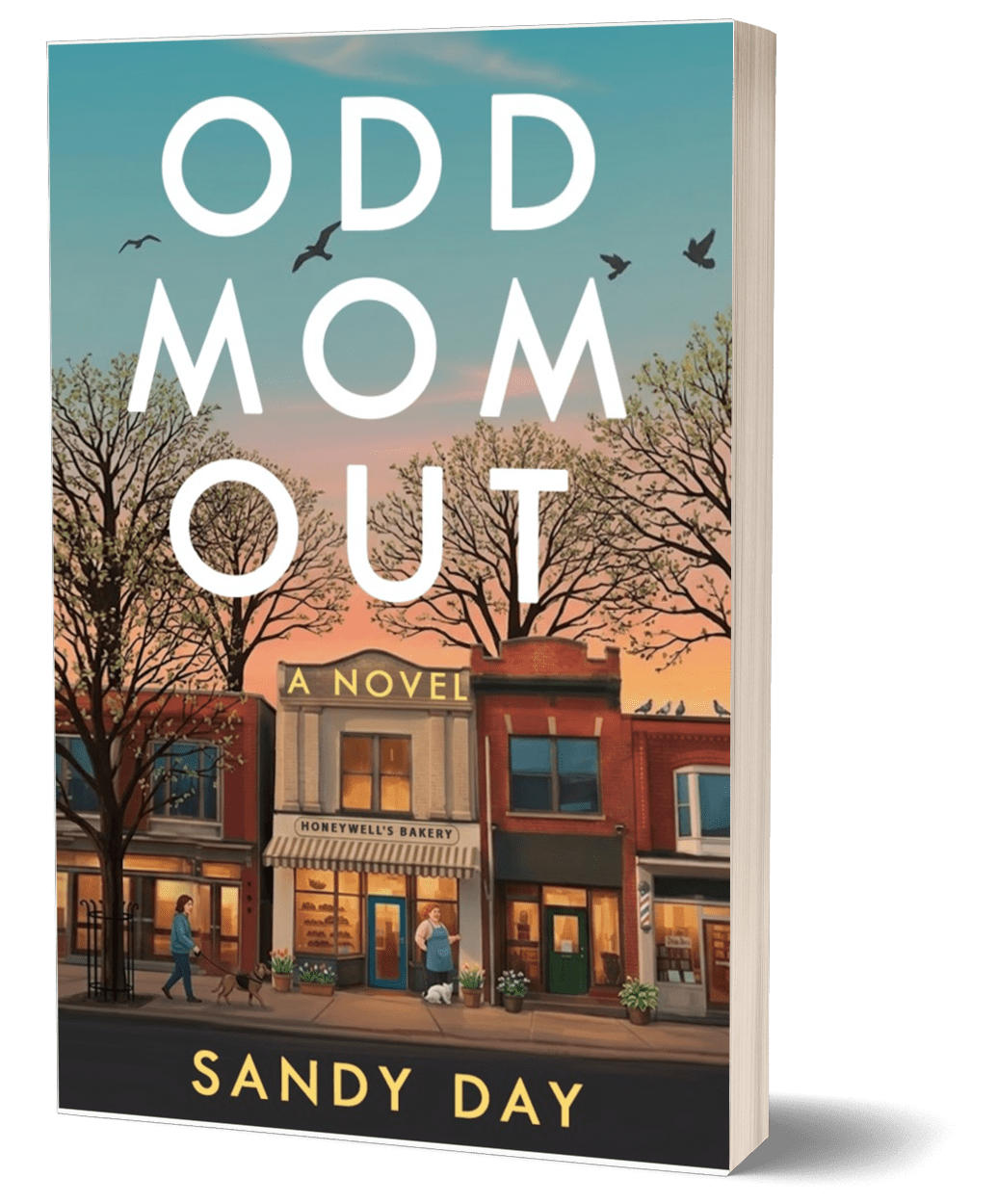
Start with Odd Mom Out if you like bad best friends, terrible mothers, bratty daughters, aging, reinvention, and the humiliating business of being human in public.
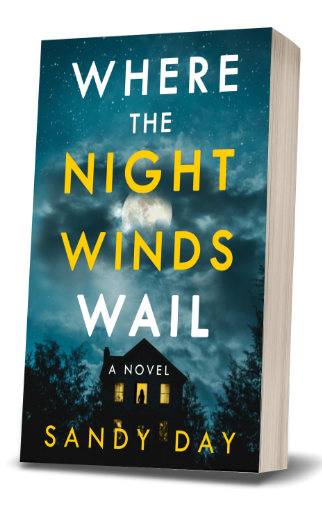
For a darker and more emotionally intense story in which a man must go back to his hometown and face the music while his girlfriend is left behind to figure out what’s happening on her own: Where the Night Winds Wail.
For more about me and my books, please visit my website, sandyday.ca

Comments
Nothing yet. Say the first thing.
Sign in to join the conversation.