
Hope everyone had a wonderful Father’s Day weekend.
If you’re reading this, you already know the game has changed.
People use AI constantly and still don’t believe a word it says. SpaceX is building the lunar-city, robot-butler, and orbital-compute future the Jetsons promised us yet sales of regular ol’ film cameras and knitting supplies are up 40% as a direct backlash to AI fatigue and the trend back toward analog. Gen Alpha is growing up assuming personalization is the baseline, not the exception. And Pixar’s new movie star is a sympathetic villain named “Lilypad” — a walking embodiment of the anxiety parents already feel about screens — and the toy industry sold her as merch anyway.
Welcome to LRND™ Intelligence. Let’s get into it.
Pew Research’s “Americans and AI 2026” study, published June 17, surveyed over 5,000 US adults and landed on an uncomfortable split: most people now consult a chatbot regularly, but a majority don’t actually trust what it tells them. That’s not a contradiction — it’s a behavior pattern. People are outsourcing the work of finding an answer while withholding belief in the answer itself.
What it means for you: If half your audience consults a chatbot but doesn’t trust what it returns, then being cited by an AI is necessary but not sufficient — the citation has to land somewhere credible. That’s a premium on first-party authority, verifiable claims, and visible sourcing. Brands chasing AI visibility without backing it up with real proof points are optimizing for a channel people already view with suspicion.
Gen Alpha — kids born 2010 to 2024 — already wields an estimated $28 billion in direct spending power and shapes household purchases from Lowe’s to Hi-Chew. They’re the first generation raised entirely inside algorithmic feeds and AI assistants, which means their baseline expectation of a brand isn’t “good ad” — it’s “this knows me.”
Here’s the part I can’t resist mentioning: I wrote about this exact shift 10+ years ago in a white paper called The New Age of Buyer Behavior, I argued that wearables and connected devices would push brands toward a “Post Transactional Relationship” — individualized, personalized interactions throughout the buying process, not just at the point of sale. I called content built around saving people time and friction “Utilitarian-Based Content,” and predicted consumers would demand “hyper” personalization as the baseline, not the exception. Replace “wearables” with “AI assistants” and it’s basically Gen Alpha’s worldview, a decade early.
What it means for you: Generic, one-size-fits-all creative is going to read as broken, not neutral, to this audience as they age into spending power. Brands have a few years to build the personalization infrastructure before Gen Alpha becomes the primary customer — not the influencer-on-mom’s-phone.
Here’s the counterweight to story #2: sales of knitting supplies, woodworking tools, and film cameras are up 40% year-over-year. Etsy has seen a 25% jump in handmade goods listings. Roughly half of Americans now say they’re intentionally building screen-free habits into their lives, and about 70% of younger adults say they’re embracing some version of “slow living.” The driving force isn’t nostalgia — it’s AI fatigue. People are tired of content that’s fast, infinite, and indistinguishable from the last thing they saw.
One researcher framed it well: going analog isn’t about cutting yourself off from the internet — it’s about cutting the internet off from information about you.
What it means for you: This isn’t an argument against AI tools. It’s a signal about where the resentment builds: speed and personalization without texture or trust. Brands that design “digital off-ramps” — tactile products, in-person rituals, anything that feels handmade and finite — aren’t being quaint. They’re meeting a real and growing appetite.
SpaceX just shifted its near-term focus from Mars to building a lunar city first — the Moon offers a launch window every ten days versus Mars’s every 26 months. Up to five uncrewed Starships are slated for November, carrying Optimus humanoid robots as the literal first robotic ambassadors of a private company on another planet. Meanwhile, Musk wants up to a million AI satellites in orbit, each generating 150 kW of power — and Anthropic and Google are already paying SpaceX a combined $2.17 billion a month for that orbital compute.
Flying cars, robots in the house, interplanetary travel — the gap between “Jetsons cartoon” and “Tuesday press release” just got a lot smaller.
What it means for you: This isn’t really a marketing story yet, but it will be. When compute, logistics, and robotics are being rebuilt at this pace, the consumer-facing products built on top of them arrive faster than anyone expects. The brands paying attention now won’t be caught flat-footed when “AI in your physical world” stops being a slide in a deck and starts being a SKU.
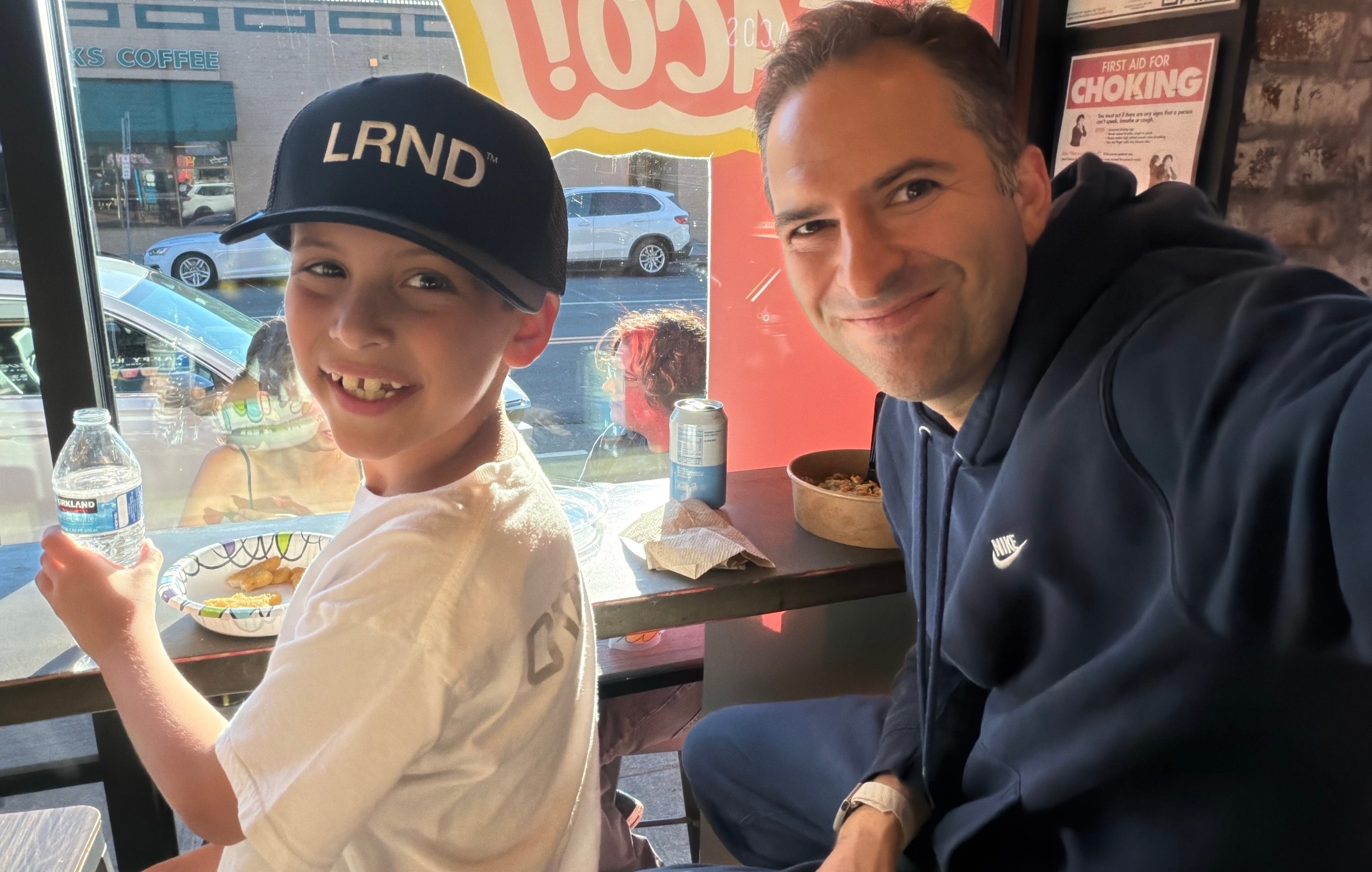
Toy Story 5 hit theaters last Friday with a new character at the center: Lilypad, a tablet who shows up in the mail and immediately starts winning Bonnie’s attention away from Woody, Buzz, and the rest of the gang. I caught the flick with my son this past opening weekend. He gave Lilypad a thumbs up — make of that what you will.
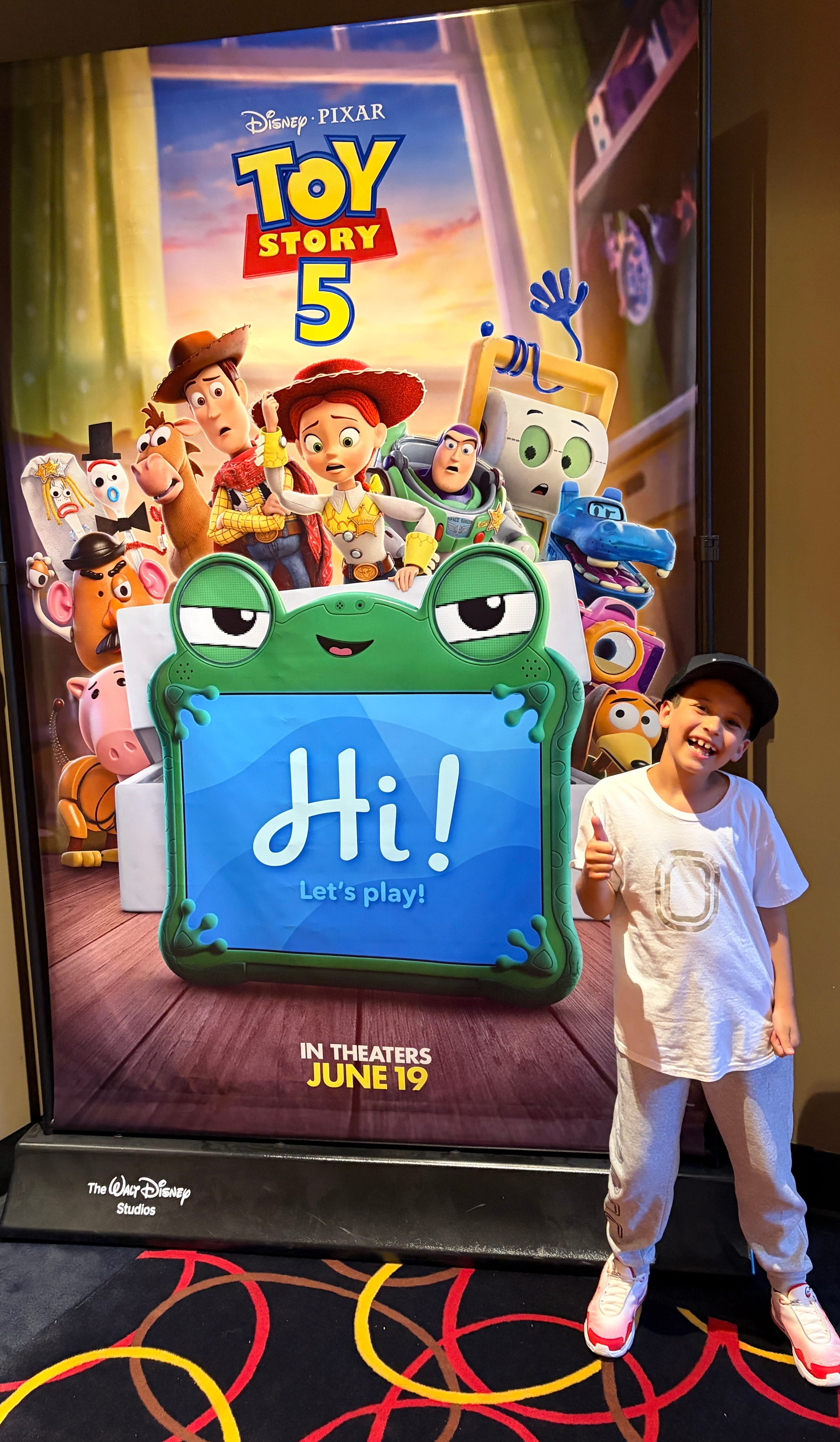
The film is a direct cultural critique of the “iPad kid” — except Lilypad isn’t written as evil. She genuinely believes she’s helping Bonnie. By the end, she and the toys find a way to coexist.
Here’s the twist: alongside the film’s release, Belkin launched a real, fully functional iPad case shaped like Lilypad. Mattel built a Lilypad action figure. LeapFrog built an actual kids’ tablet around her. The industry’s response to “a movie about a tablet stealing a kid’s attention” was to sell three different tablets.
What it means for you: This is the analog-craving story and the Gen Alpha story colliding in one character. Pixar built a sympathetic villain out of the exact anxiety parents are feeling — and the toy industry immediately monetized the antagonist. It’s worth sitting with: the most resonant brand stories right now aren’t pro-tech or anti-tech. They’re honest about the tension and let the audience feel both sides.
Thanks for reading Issue No. 08 of LRND™ Intelligence. We’ll be back with more of what matters — no filler, no fluff.
→ Want to talk about your brand’s strategy for 2026? Let’s connect.
LRND™ is an AI-powered, independent creative, development, and media agency. We employ equal parts man and machine to deliver work that works.
Comments
Nothing yet. Say the first thing.
Sign in to join the conversation.