
Do you know the difference between retinols and peptides? Which acid you should be using? And which one goes first?! Between TikTok trends and complex ten-step routines, it can sometimes feel like you need a chemistry degree to be confident in applying skincare.
In my twenty years as a beauty editor, I have tested thousands of products. If there is one thing I know for certain: even the most expensive, hard-working ingredients are a waste of your money if you apply them in the wrong order.
So, let’s strip away the marketing noise and simplify your routine. I took all of YOUR skincare questions to Daniel Isaacs, Chief Product Officer & Director of Research at Medik8. Between us, we have broken down the absolute golden rules of skincare sequencing; exactly what to use, when to use it, and how to get the absolute maximum glow for your time and money. Plus, which ingredient targets what skincare concern.
Bookmark this page or save the email and refer back to it whenever you’re confused. Let’s go…

A: During your 40’s, the skin becomes thinner and less elastic, as collagen production starts to slow down. Common signs of ageing include dryness, fine lines and dark spots.
Moisturiser + SPF is good, but by adding Vitamin C, you’ll supercharge your skincare results, providing additional defence against environmental damage, which is what causes those fine lines, pigmentation etc. over time.
For someone in their 40s concerned with maintaining healthy, youthful-looking skin, your bare minimum should be:
MORNING ROUTINE
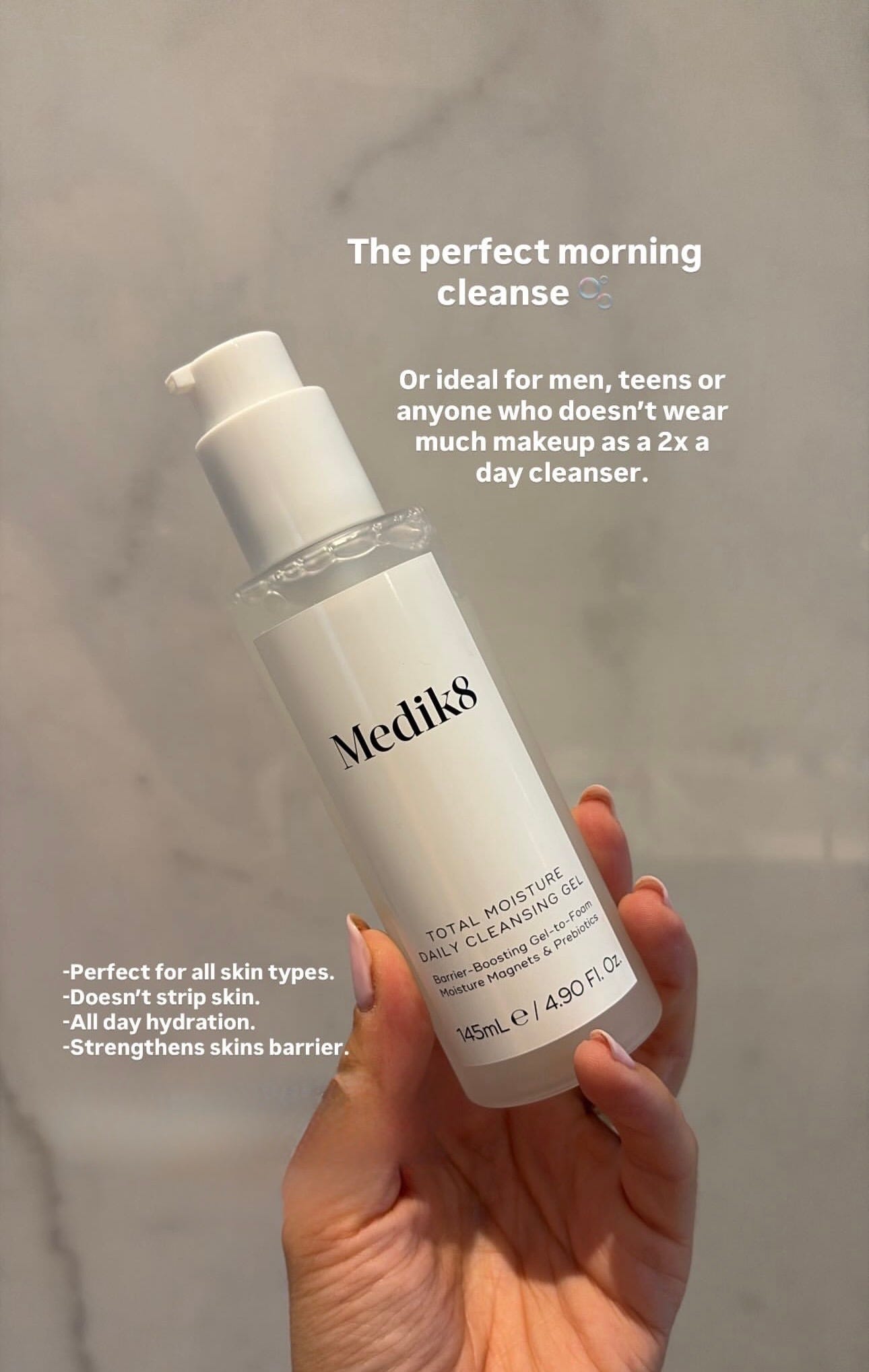
1. Cleanser - my favourite morning cleanser is this one.
2. Vitamin C Serum - I use this one but for a different budget, this one is good.
3. Moisturiser - optional depending on skin type if you need more than your SPF offers.
4. SPF50 - there are plenty out there for all budgets, no excuses!
It’s that simple. Most people don’t need a 12-step routine. This simple, evidence-based, three-step philosophy will outperform a complicated routine that’s difficult to maintain. The most important daytime steps to remember are antioxidant protection (vitamin c) and sun protection.
A: Daniel says, “You do not need to alternate them; you can use retinol, hyaluronic acid, and moisturizer together in the exact same night-time routine.”
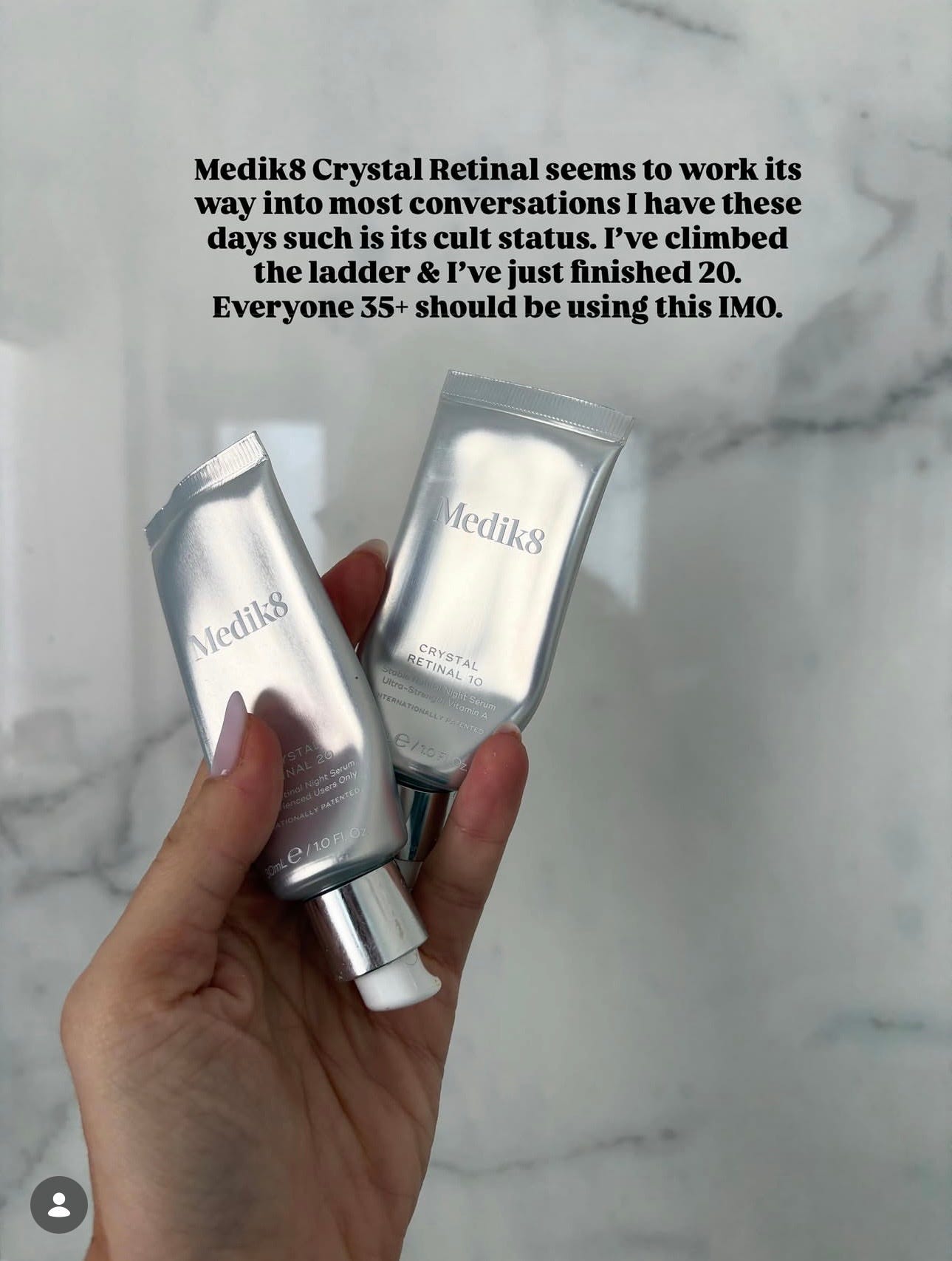
In fact, combining them is recommended for sensitive skins or retinol beginners because hyaluronic acid draws moisture into the skin, which actively helps counteract the dryness and irritation that can come with retinol. You could use the “sandwich method” - apply a layer of hyalurinic acid to cleansed skin, wait a few minutes then apply your retinol, wait a few minutes then apply your moisturiser. If you opt to use Medik8’s iconic Crystal Retinal, you will find barely any, if any, irritation which will strip your routine back even more and remove the need for layering a hydrating product beneath.
NIGHT TIME ROUTINE:
1. Cleanse - I like this oil cleanser in the evening to slip off make-up, SPF etc.
2. Hyaluronic Acid - this one floods the skin deep down with hydration.
3. Retinal - Medik8’s is the gold standard - irritation-free.
4. Moisturiser - if needed.
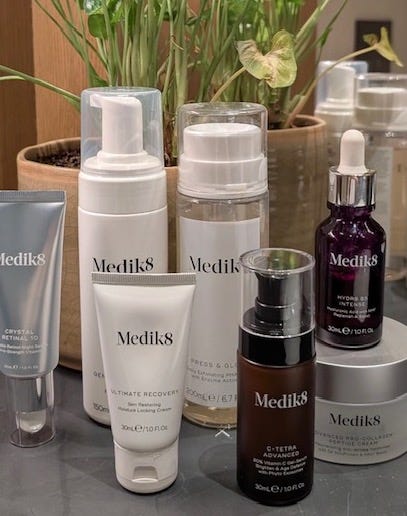
A: Yes, absolutely. According to Daniel, layering doesn’t reduce efficacy. In fact, many ingredients work synergistically, a great example being vitamin C layered beneath your SPF.
As a general rule when it comes to layering:
● Apply products from thinnest to thickest texture.
● Water-based serums first.
● Richer serums and moisturisers afterwards.
Thicker creams will create a barrier on the skin meaning lighter textures won’t be able to penetrate as effectively so we want to apply those last.
A: Daniel says that modern formulations are much more sophisticated than they used to be. Most ingredients can be used together when properly formulated. However, if you have sensitive or reactive skin, or you’re just starting to put together a skincare routine you may want to be cautious combining:
● Retinoids and strong exfoliating acids in the same routine if irritation occurs
● Multiple potent exfoliating acids simultaneously
● Excessive use of active ingredients without having built tolerance first
A: A: Retinoids work deeper within the skin to support cellular renewal and boost collagen production for plumper, firmer, bouncier skin.
Acids work on the surface of the skin to break down and remove dull, dead skin sitting on top.
If using both, use them on alternating nights.
A: Most people only need to use acids 1–3 times per week. More isn’t always better. It depends on your skin concerns.
For brightness and anti-ageing:
● Glycolic acid - this one delivers noticeably brighter, smoother and decongested skin overnight, perfect pre-party prep.
● Lactic acid - introduce this cleanser a few times a week to shed dull, dead skincells and boost radiance.
For sensitive skin:
● Mandelic acid - excellent for sensitive skin because its large molecular size penetrates the skin much slower than others, reducing the risk of irritation.
● PHA (polyhydroxy acids) - this easy-to-use tonic gently smoothes skins texture, and gives it it’s glow back.
For oily or blemish-prone skin:
● Salicylic acid - an absolute god-send for skin prone to breakouts, it targets all stages of the blemish-cycle, reducing visible blemishes, pores and post-blemish dark spots by 35%
Hyaluronic Acid is a great ingredient to layer over the top when using an acid, as while acid exfoliates and encourages cell turnover, hyaluronic acid functions like a sponge, drawing and binding moisture to the skin. Using them together balances resurfacing with hydration, ensuring smoother, plumper skin with minimal dryness or sensitivity.
A: They do different jobs. Retinoids accelerate cell turnover (the time it takes for a skin cell to travel from the basal layer to the surface and shed). In doing so, retinoids renew the skin’s surface, leading to a smoother skin texture and a more even skin tone.
Peptides penetrate as deeply as retinoids but don’t work in the same way. They act as gentle cellular messengers that quietly signal the skin to repair its structure and boost collagen.
Retinoids:
● They are the gold-standard ingredient for visible signs of ageing
● There is strong evidence that they boost collagen
● Improve wrinkles, texture and pigmentation
Peptides:
● They are cell-signalling molecules
● They support skin-barrier repair and hydration
● Generally very well tolerated for all skin types.
The great news is they work really well together so, for example, you can layer Medik8 Liquid Peptides Advanced MP underneath Crystal Retinal.
Yes. This is one of the most common myths in skincare. Retinoids don’t make the affects of the sun stronger. The key is using daily SPF and introducing vitamin A gradually and in the evening. If you’re about to spend long days in intense sunshine or on a beach holiday, some people just prefer waiting until after their trip simply to avoid potential irritation while travelling.
The first step is to prevent new pigmentation forming, and that is with diligent SPF use every day. For existing dark spots, look for:
● Vitamin C
● Retinal
● Niacinamide
● Exfoliating acids
Pigmentation often requires patience and consistency, with improvements typically taking several months.
Polynucleotides are injectable treatments derived from DNA fragments that are designed to support tissue repair and skin quality.’ Around the eyes, practitioners use them to improve:
● Skin quality
● Hydration
● Fine crepiness
● Overall appearance of the under-eye area
Daniel explains, “They’re not fillers and don’t create volume in the same way. Instead, they’re often described as regenerative treatments aimed at improving skin health over time. The category is promising and growing quickly, but it’s important to manage expectations: they tend to improve skin quality rather than dramatically transform under-eye hollowness.”
This post was written in collaboration with Medik8.
If you enjoyed this post, send it to a friend
Comments
Nothing yet. Say the first thing.
Sign in to join the conversation.