
Dr. Megan Prior is a pediatrician, mother, and advocate for children and families, committed to evidence-based care and building systems that actually support the people they’re meant to serve. Follow her on Instagram.

In my pediatric clinic in Northwest D.C., my job is to prevent harm to children before it happens. I give vaccines to ward off hepatitis and tetanus. I screen for lead exposure to avert learning disabilities. But in just over a week, the local government is about to freeze one of the most effective preventative measures I offer my patients: affordable child care.
On May 12, for the first time in decades, D.C. will pause enrollment in its child care subsidy program. Traditionally a national leader in early education—offering robust child care funding and universal pre-kindergarten for 3- and 4-year-olds—the District is now buckling under budget constraints. In less than a month, child care assistance will be unavailable. While exceptions exist for children experiencing homelessness or abuse, or those who have a sibling with a subsidy, most families will be left stranded.
Soon, even hard-working parents won’t be able to cover the soaring cost of child care, which locally averages over $25,000 a year. When cost becomes a barrier, the choices are grim. Forgo an income? Convince a relative or friend to step in? Attempt to juggle a job and a toddler simultaneously?
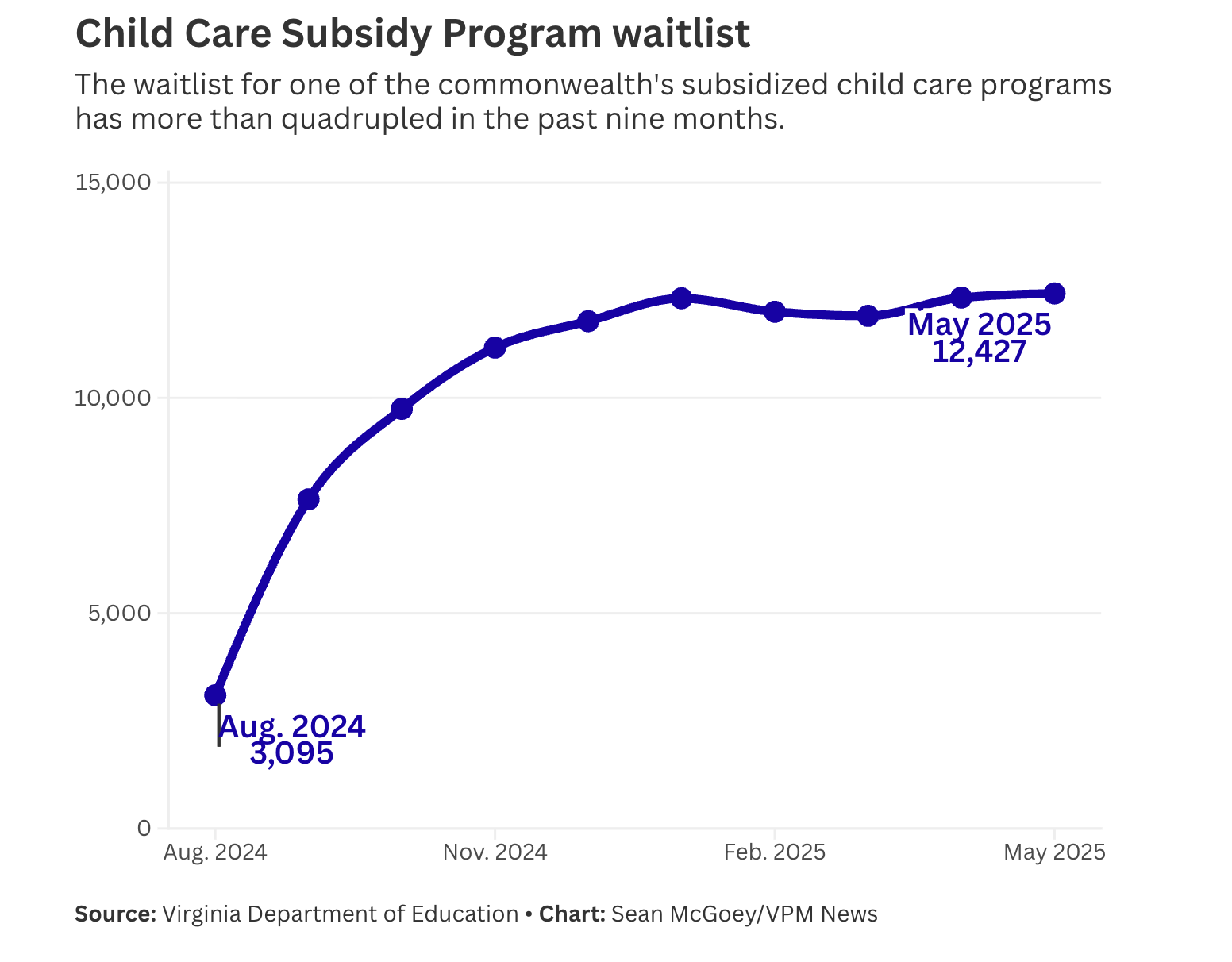
I have seen the true cost of these compromises. Before practicing in D.C., I worked in Virginia, where the child care subsidy waitlist exceeds 12,000 kids. I watched toddlers drift from licensed centers to an inconsistent patchwork of care—often spending their days in settings where screens and snacks replaced socialization and structure. The clinical results of more haphazard, sedentary environments were as predictable as they were heartbreaking: rapid weight gain, behavior challenges, and speech delays.
The science is clear: high-quality child care acts as a protective shield. A landmark study in North Carolina showed that children in high-quality programs not only had better educational outcomes, but also lower rates of depression and hospitalizations by age 21. Even more recent research shows that robust state child care investments correlate with fewer child deaths from abuse and neglect. Child care providers don’t just offer “babysitting”; they reduce parental stress and provide stimulation that builds a brain.
The “Make America Healthy Again” movement asks us to examine the root causes of poor child health in our country. I’d argue that the largest threats to child health are not food dyes or seed oils but rather a lack of economic security for families. Child care subsidies don’t just give children a stable environment, they prevent parents’ toxic financial stress.
The Nobel-prize-winning economist James Heckman proved that investment in early childhood provides a greater return to society than investment at any other time in a person’s life. Putting $1,000 toward a child’s preschool education pays off far more in the long-term than using that $1,000 for a job training program 20 years later. Yet, the United States’ investment in child care remains lower than other developed nations. Our current federal child care subsidy budget hovers around $12 billion dollars annually—about what we spent in the first six days of war with Iran.
For years, the federal government has treated child care as a dispensable local luxury rather than a national necessity. President Trump recently encouraged this approach, telling the American people, “We’re fighting wars. We can’t take care of daycare. You’ve got to let a state take care of daycare…”
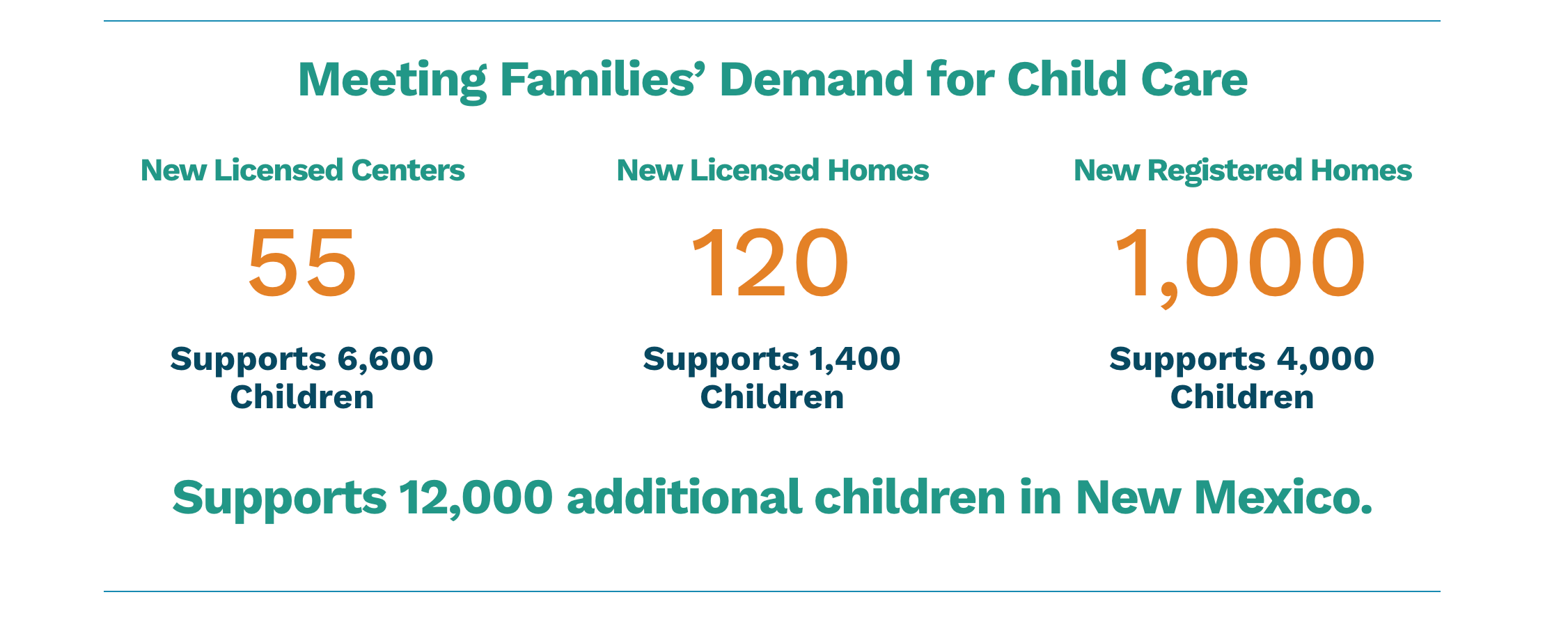
Some states are expanding access to child care. In 2024, Vermont implemented a payroll tax to increase affordable care for their residents. New Mexico made history in 2025 by becoming the first state to offer no-cost child care to all, fueled by funding from oil and gas reserves. From New York City to San Francisco, mayors are pledging to build local islands of stability in a national crisis.
But D.C.’s current predicament proves that states and localities simply cannot do it alone. Even the most innovative math collapses when other needs take priority. The One Big Beautiful Bill passed in July of 2025 requires states to contribute more to SNAP and Medicaid. As these changes squeeze state budgets, initiatives like child care are sacrificed to preserve funding for bare essentials like public schools and infrastructure.
What happens when Vermont’s Medicaid expenses spike? What happens when New Mexico’s oil reserves dip? What happens when New York’s political winds shift? The crisis in D.C. shows us child care’s fate: it disappears when times get tough. If a historically committed, progressive jurisdiction like D.C. cannot make the math work, the system itself is broken.
D.C. may manage to balance its budget this year by freezing child care subsidies, but we are merely shifting the debt to the future. We will pay for it today in the lost productivity of parents forced out of the workforce. We will pay for it ten years from now in special education costs. We will pay for it thirty years from now in emergency room visits for chronic disease. It is time for the federal government to stop treating child care as a luxury line item or a perk only for states that can find the extra money. Child care is a critical preventive investment—not just for our country’s workforce but also for our families’ health.
Thanks for reading A Paycheck Away! This post is public so feel free to share it.
No posts
Comments
Nothing yet. Say the first thing.
Sign in to join the conversation.