
This week marks one year since we sailed out under the Golden Gate Bridge, turned towards Canada, and started our cruising journey. Fittingly, this week has also marked the start of another big leap in our sailing chapter: we’re currently crossing the Pacific Ocean!
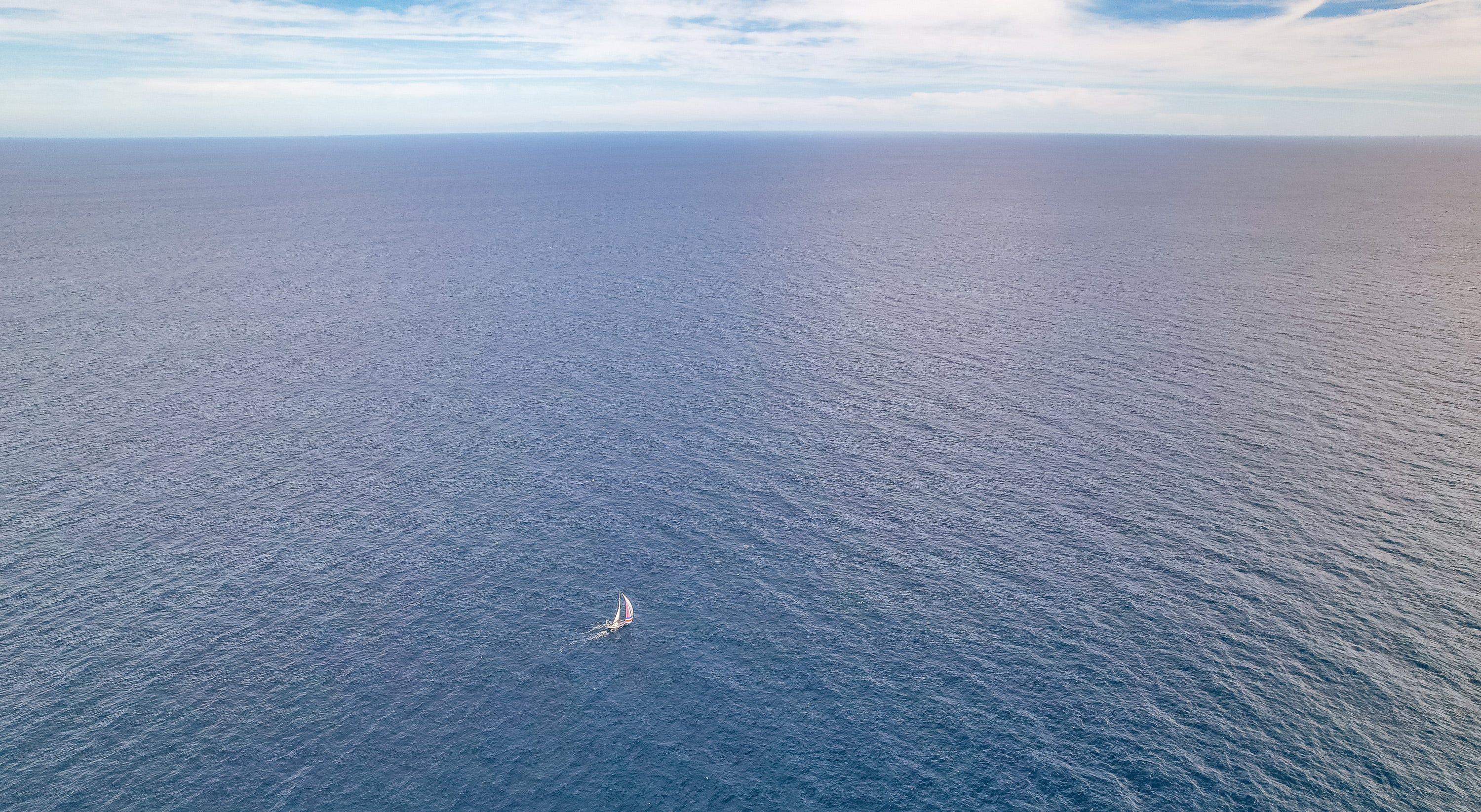
We’re sending this blog post from about 900 miles into a 3000 mile, month-long passage from Mexico to French Polynesia. Pretty crazy that we live in a time where that’s possible.
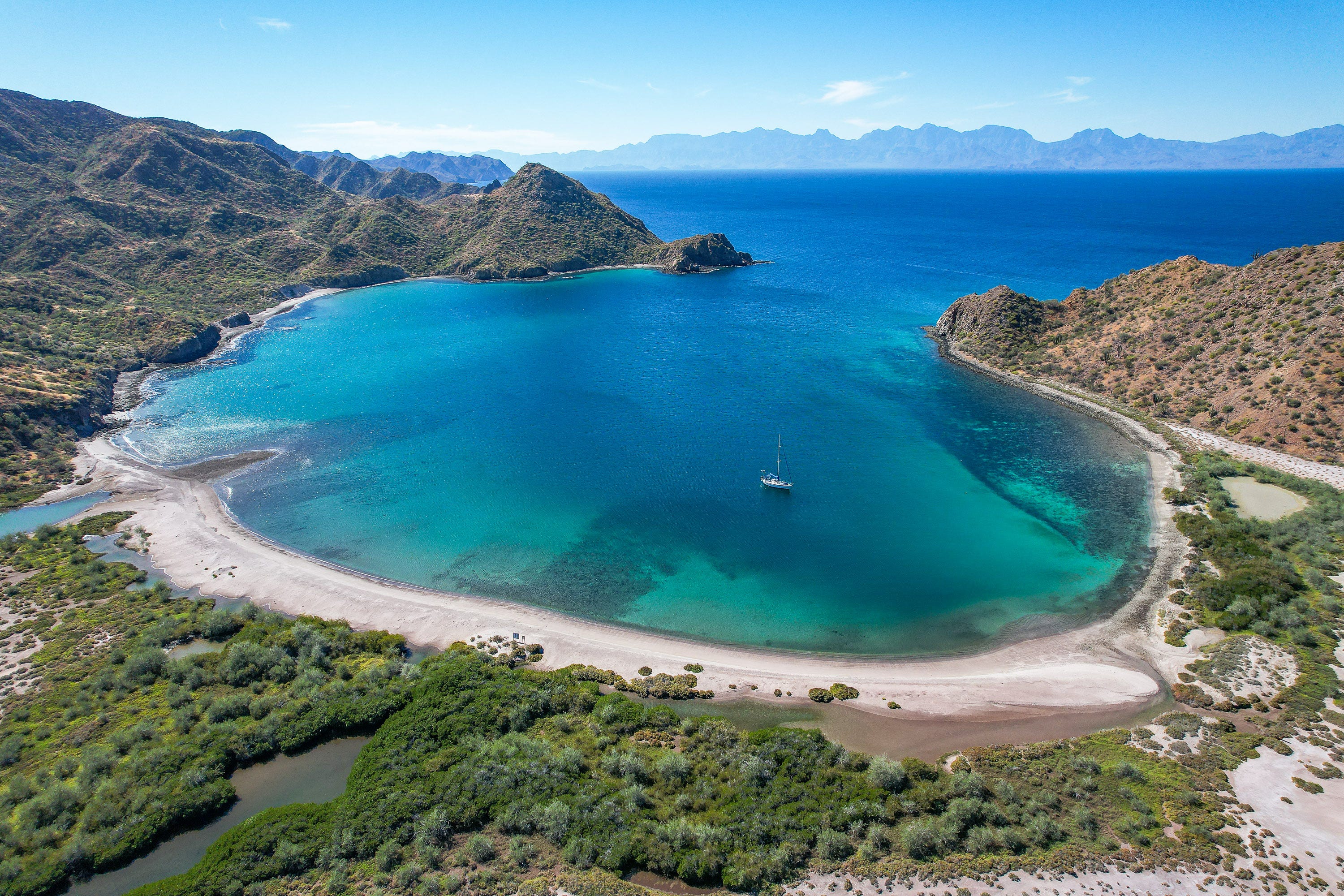
It’s been a long time since our last post, which left off just as we were rounding the Baja peninsula and arriving in Cabo. In that time we explored all over Baja and mainland Mexico, saw some incredible places and things, learned a lot about ourselves and Tardigrade, and had a lot of highs and lows. We’re still hoping to write about all those experiences at some point, but we figured it was time to jump ahead to the present to capture this next big step!
Crossing the Pacific wasn’t really part of our original plan— when we left the SF Bay last May, we imagined we’d try this sailing thing out for a year, make it to Canada and hopefully Mexico, then re-assess. We wanted to give ourselves a long enough window to really change gears and experience this lifestyle, while also leaving room to decide it wasn’t for us. Maybe that was just our way of keeping the scope of a big life change seem more manageable, but we really thought there was a chance we’d feel done by now. Some people were more clear eyed about the odds that we would just wrap it up at the one-year mark; when we told our parents we’d probably be back soon, they all said “yeah, right!”
A few things happened that made us decide to not only keep going, but to jump into a large ocean crossing.
First, we felt like we were just now getting the hang of this thing. In a lot of ways we’re still beginners, but with a year and 5,000 nautical miles of sailing under our belts, some things that used to make our stomachs churn now feel commonplace, which creates more room to enjoy ourselves rather than feel overwhelmed. We’ve been learning new skills we never needed in our previous life, and we’re getting over the learning curve enough to start benefitting from them. We’ve also had to discover entirely new ways of making friends and finding community, new activities to occupy ourselves with, and new relationships to purpose and productivity. It took us a long time to feel okay about not having jobs, to not feel like we were wandering around aimlessly and wasting our time. After a year of big change, we know ourselves and our needs much more intimately. It seemed like a shame to wrap up just as we started to figure that all out.
That self-knowledge has included the learning that we love being on passage. When we were first dreaming of cruising we originally imagined spending lots of time at stops along the way, leisurely exploring beautiful anchorages. Although there’s plenty we enjoy about that, it’s often shadowed by our discomfort at feeling aimless. We’re usually happier when we have a mission or goal to orient around. We’ve really enjoyed the multi-day passages we’ve done for that reason; they’re a time where your whole existence is organized around a clear objective, and any other “coulds” or “shoulds” fall away as long as you’re pointed in the right direction and staying afloat. That clarity generates a kind of peace that feels rare in modern life, and which seems like one of the more interesting things we can cultivate during this time. Noticing that passage-making had consistently been one of the highlights of the sailing chapter made us curious… What would it be like to experience that for a month straight?
Then we started learning more about French Polynesia. Neither of us knew much about it before we started considering the crossing, nor could have readily pointed to it on a map. But the more we read, the more excited we got— French Polynesia comprises 5 clusters of islands distributed across more than 1000 miles of ocean, and each has a distinct character. The Marquesas islands (where we’ll first make landfall), are dramatic volcanic spires and lush forests that seem like paradise for geology nerds with a photography habit. The Tuamotos are largely uninhabited atolls with some of the world’s best diving and snorkeling, including vast populations of whale sharks, manta rays, and humpback and sperm whales. The Society Islands, which include Tahiti and Bora Bora, are famed for surfing (including the terrifyingly epic Teahupoo, which Maddie keeps trying to tell Jeremy he will not be riding). The best review we got might have been from our friend Mark, a NatGeo alpinist who has certifiably seen some very cool stuff, who said simply “this is the coolest F-ing place you’ll ever go.”
Mark also encouraged us to apply for a long stay visa so we would have plenty of time to explore, given the vast distances between islands and the standard visa lasting only 90 days. This ended up being a big task, involving getting a second set of passports (which we didn’t even know you could do!) and making a stop over at the French consulate in LA on our way home from the holidays, but it all paid off and we got approved for a year-long stay!
At this point our rough plan is to spend the next year exploring French Polynesia. We’ll arrive in the Marquesas and make our way West to the Tuamotus and Society Islands, then return east (likely to the Marquesas again) for cyclone season. After that we’ll sail to Hawaii sometime next Spring, and take the June/July weather window to return to the Pacific Northwest (and some kind of job) around July or August 2027. Famously, it’s hard to plan in advance when sailing, so take this with a grain of salt.
Especially now that we have a rough plan for returning, we have a strong sense that we want to take this unique window of opportunity and really give it our all— to be able to return to our lives on land feeling like we unequivocally Did The Thing. Some of the draw of crossing an ocean is that it feels like one heck of a surefire way to Do The Thing, even if we never set foot on a sailboat again after this (yeah, right!)
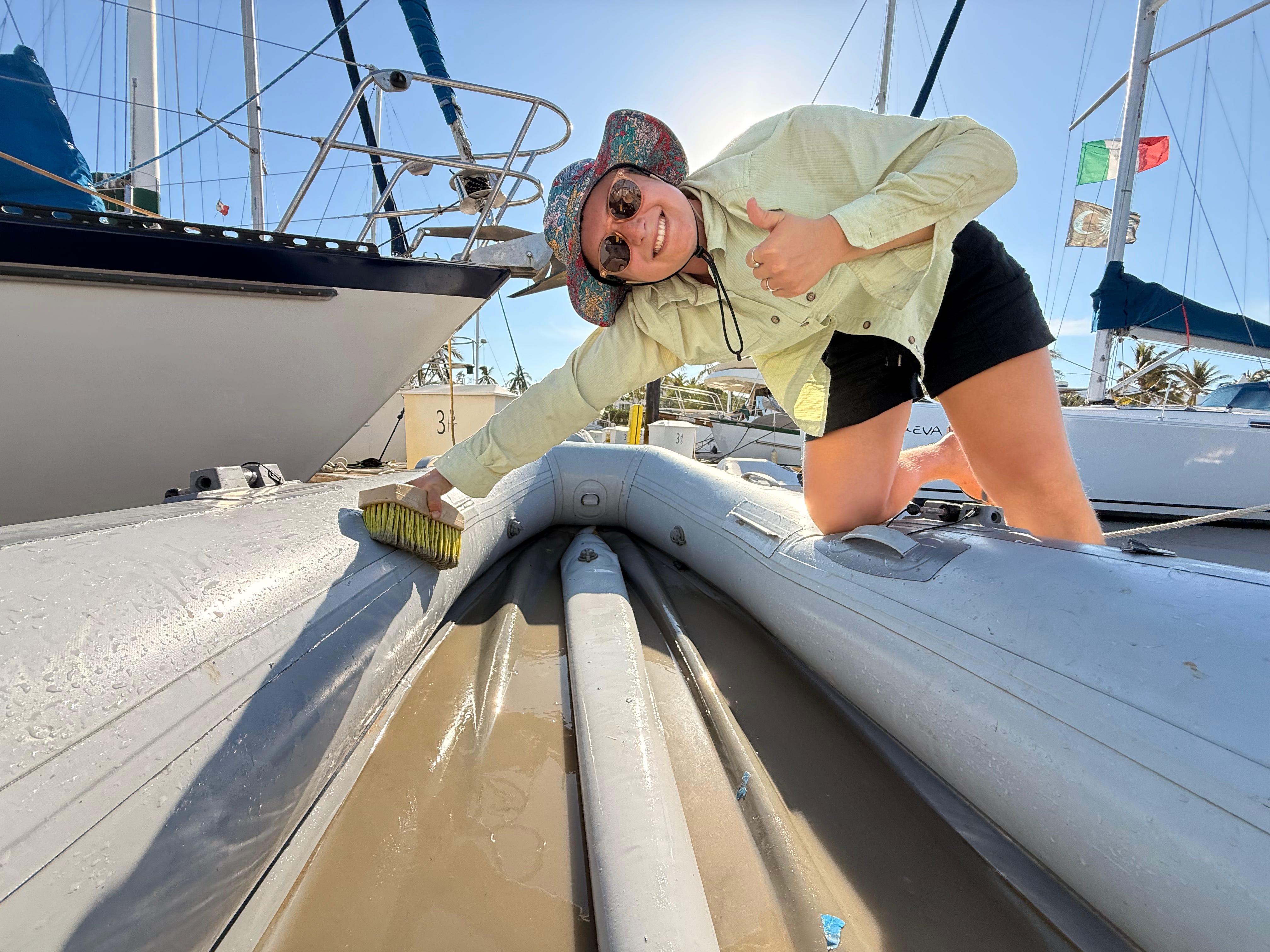
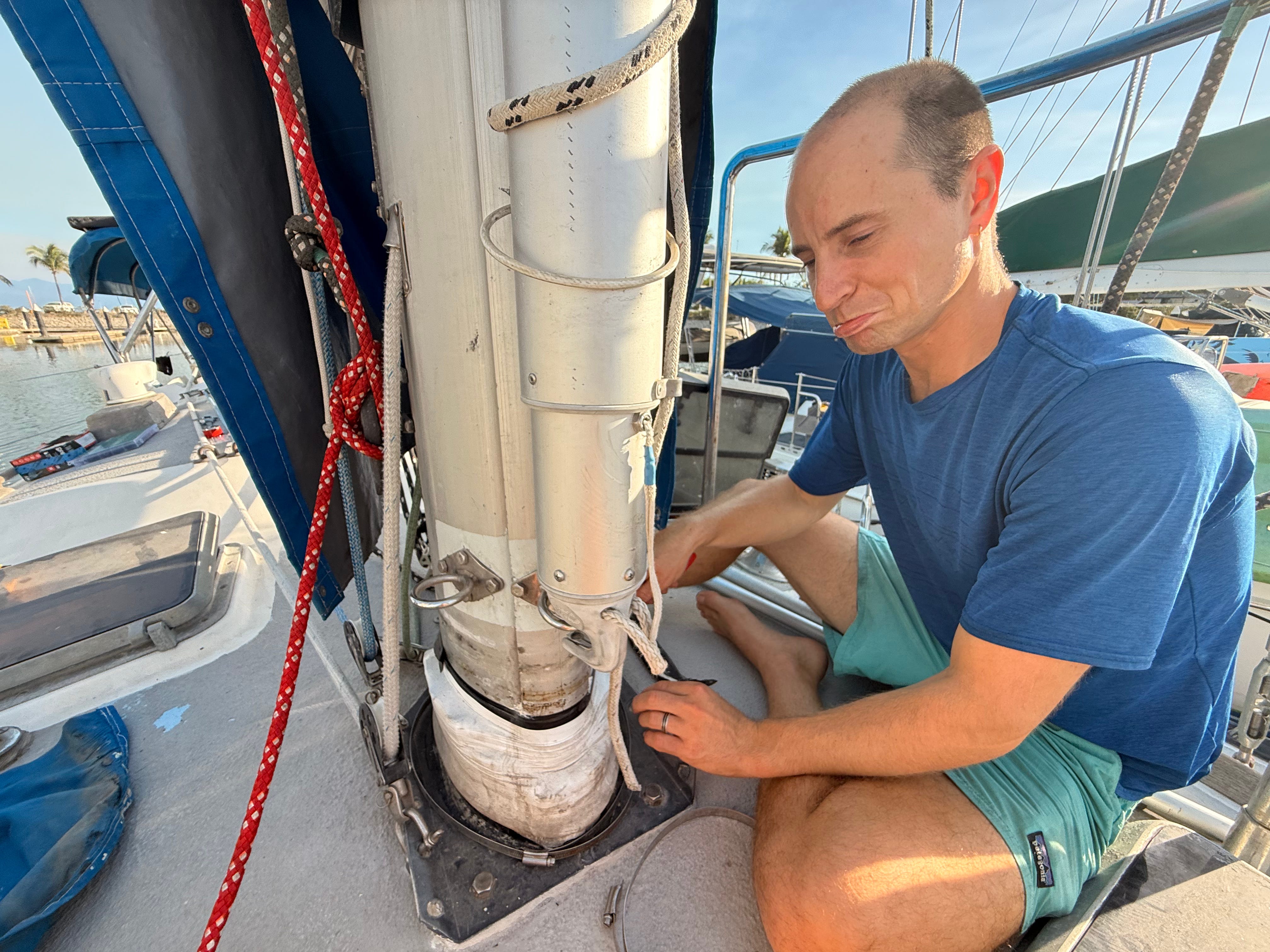
Once we decided to do the crossing, we had a lot of work to do. Our last year has been blessedly free of major projects and repairs, Tardigrade has been super kind to us and we’ve generally been sailing in relatively mild conditions. That said, everything on a boat wears out over time, and preparing for an ocean crossing to a place with greatly reduced access to goods and services means you have to preemptively repair or replace a LOT of stuff in order to not find yourself in a dangerous or (more) expensive pickle later on. Coming into our preparations, we were pretty naive about just how much work we had ahead of us, but once we started getting serious and thinking through the problems to solve, the floodgates opened. We spent the last month and a half putting in 10-15 hour days of work to uncover, understand, troubleshoot, and address everything that seemed urgent before leaving. It’s been one of the more physically and mentally demanding chapters either of us can remember.
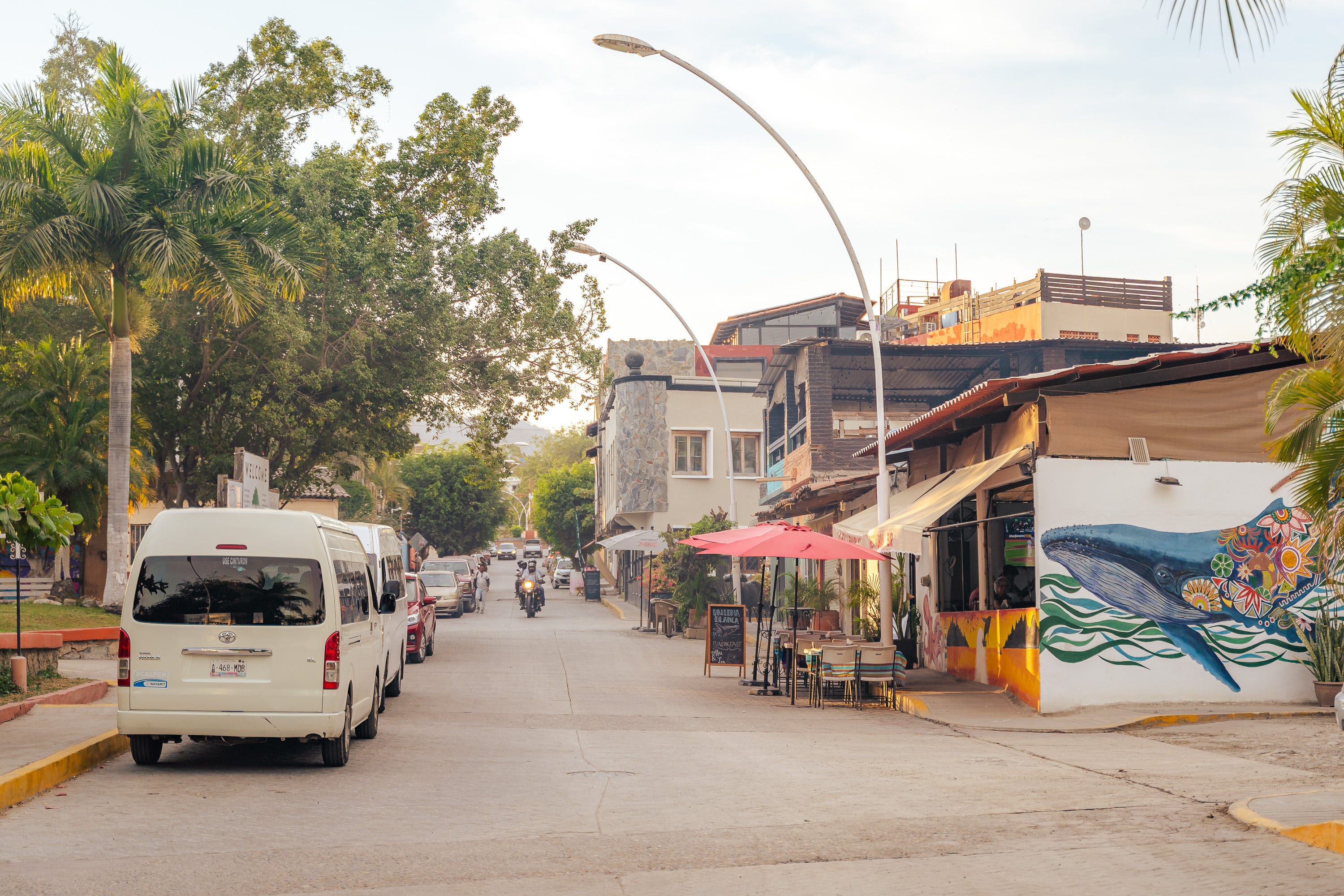
We based ourselves in La Cruz de Huanacaxtle, a cute little town north of Puerto Vallarta that is one of the main gathering and departure points for boats planning to cross to French Polynesia. La Cruz is quiet and amicable, with dusty cobblestone streets and kids galavanting around with dogs and cats that seem to belong to nobody in particular. The usual divide between expat and local spheres seemed more blurred than in other places we’ve been in Mexico, with the relatively few tourists frequenting many of the same stores and restaurants as the locals. The center of town is only a handful of blocks, and there are none of the kitschy gift shops or tourist traps we’ve encountered elsewhere. The whole place just feels friendly, safe, and homey, and we quickly came to love it there. When we arrived in mid-march, the town also gave us the feeling of being back on a college campus— it was so packed with cruisers that we had met at all stages of our journey (including some we hadn’t seen since Canada!) that every errand and outing guaranteed a run-in with familiar faces.
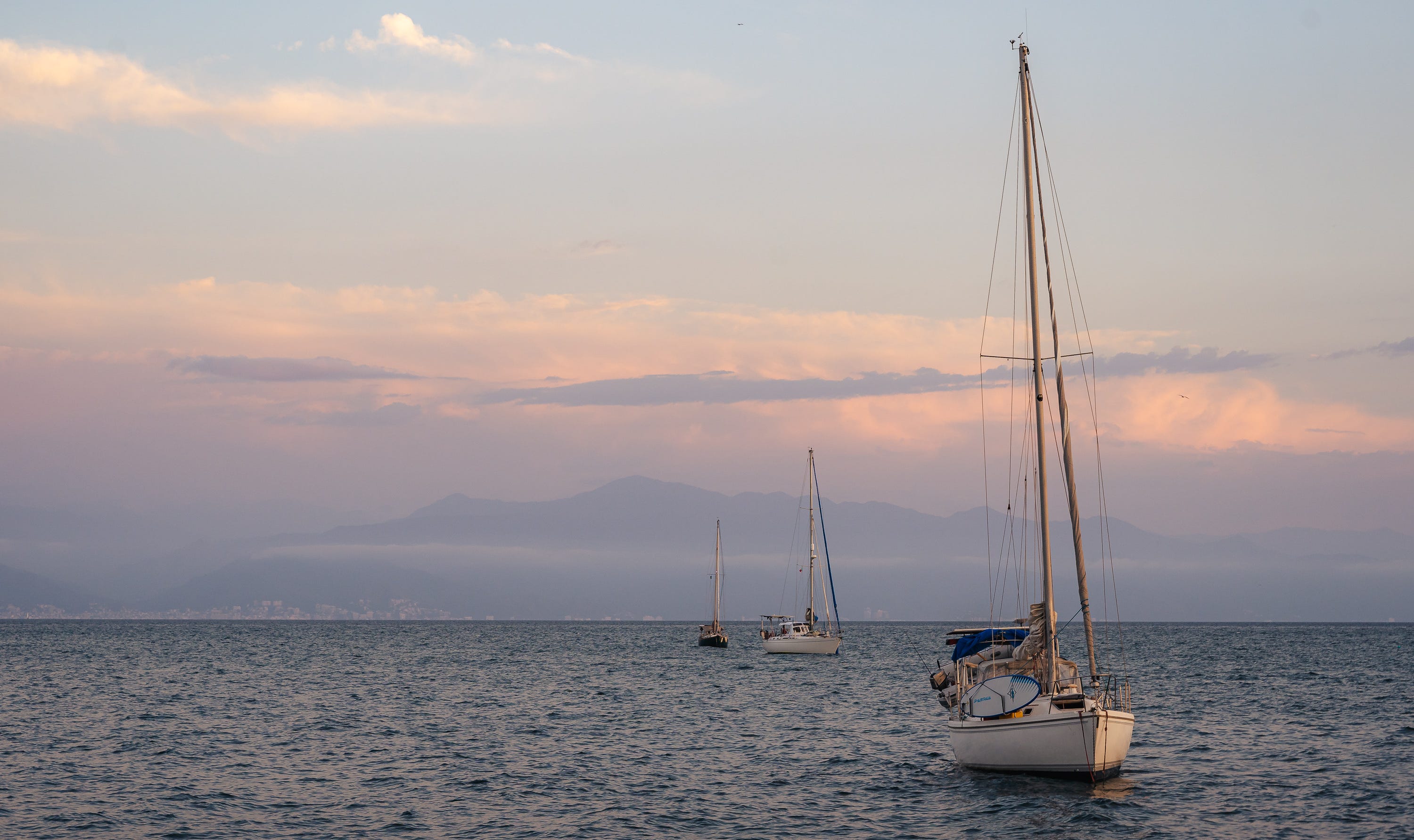
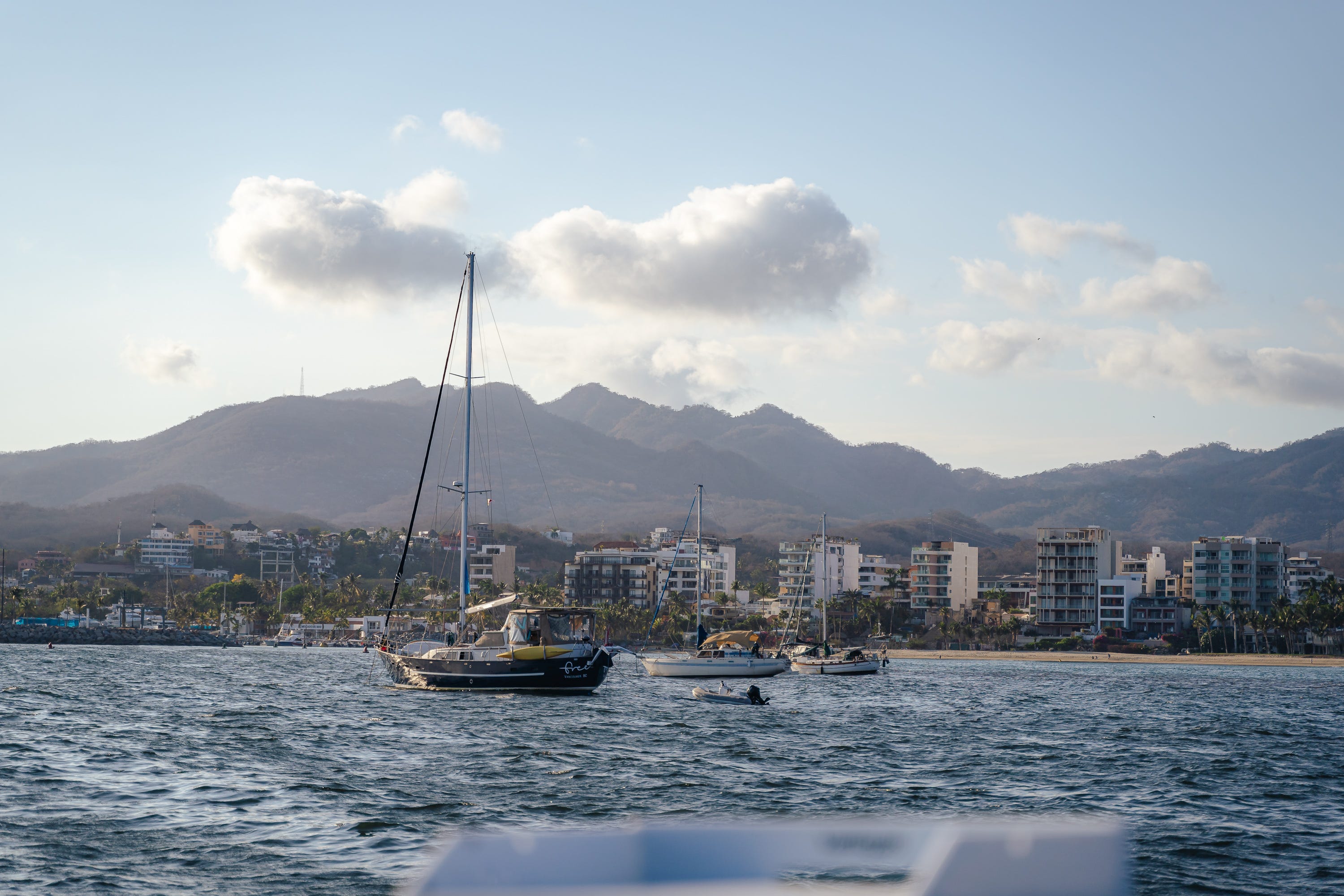
Like us, most of the cruisers were anchored out in the relatively unprotected bay outside the marina. When the fierce afternoon winds made being on an anchored boat feel like a mechanical bull-ride, groups of us would brave the swell and spray to dinghy into town for the cheap and delicious tacos at one of the many local joints. Sometimes we’d have 10+ people from half a dozen boats in one long row of folding tables lining the street, passing salsas and six-packs around like a big Thanksgiving dinner. Every morning we’d tune in alongside the other boats to the “morning net” on the VHF radio, where volunteers MC’d a forum among cruisers for announcements, trades, and anyone looking for help. On Sundays a massive artisan/farmer’s market would pop up all along the strip surrounding the marina, and you could be sure to run into friends grabbing lunch or perusing cool earrings and local art. All of these things really contributed to a sense of community that made La Cruz feel like the closest thing we’ve had to a home base since leaving the Bay
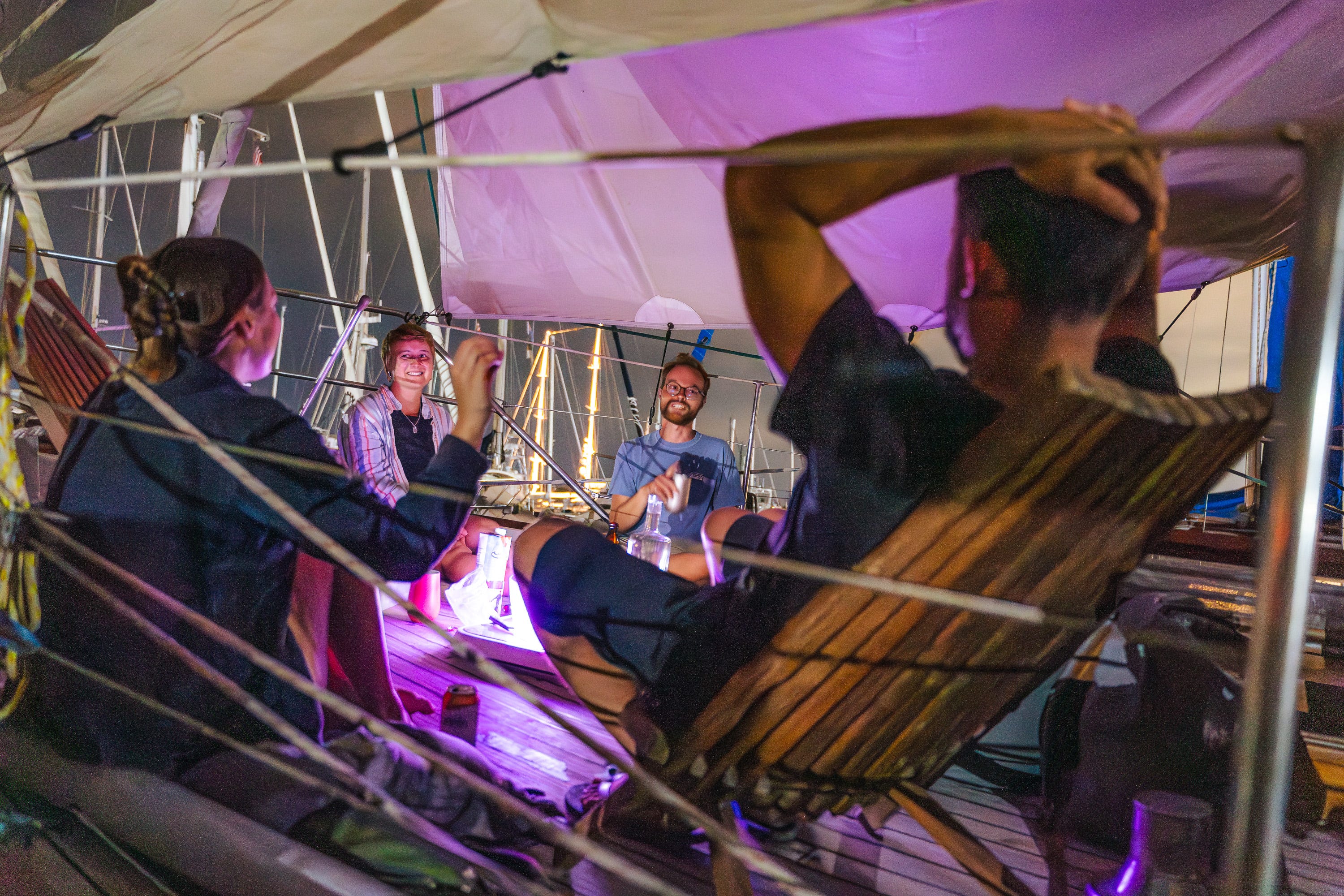
But before long, people started to leave. Most people cross to French Polynesia in late March or early April, but we were going to leave late so that we could make it to our housemate Kate’s wedding back in Virginia at the end of the month. As April wore on, we had the bittersweet experience of watching many of our friends and neighbors haul anchor and head west ahead of us. As each boat departed we would stand on the bow and cheer them off with blasts from an air horn, while other boats in the anchorage blew their own horns or conch shells (and even once fired a celebratory cannon!). These departures were surprisingly hard emotionally, maybe because community has been so hard to come by out here, and our little crew in La Cruz felt like a brief window of consistency that was now dissolving. It certainly didn’t help that for some boats, our mismatched timelines meant we would likely never see them again.
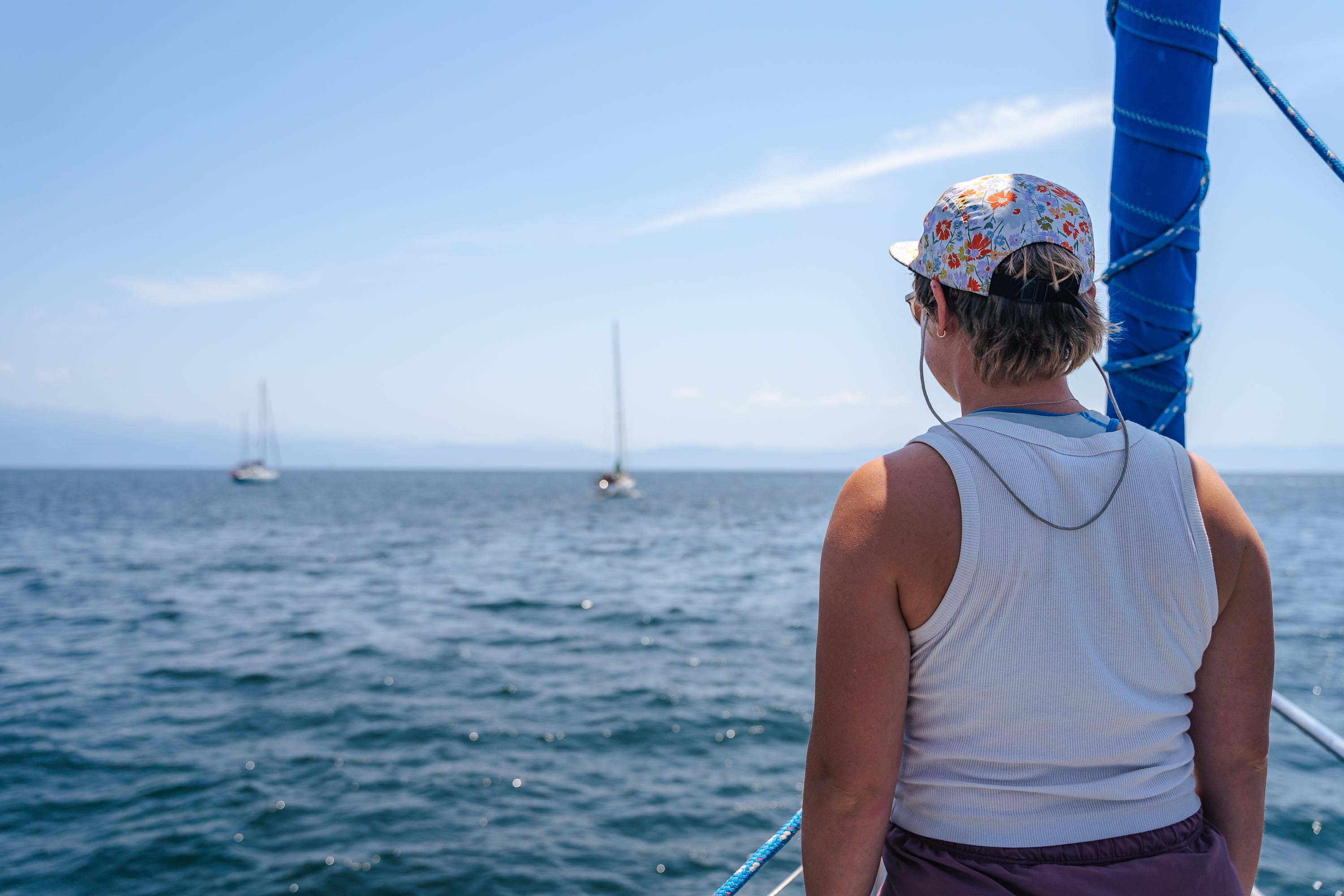
As the anchorage thinned out and our social calendar dwindled, we doubled down on boat work. Our to-do list kept growing and growing, with each task seeming to multiply as we uncovered other things that needed doing. The biggest hit on this front was realizing we needed to replace our standing rigging, the steel cables which support the mast. A full rigging replacement is one of the more dreaded jobs for sailors, and we’d been told ours had a lot of life left in it when we bought the boat. We had found some signs of wear that had seemed plenty solid for coastal sailing, but ocean crossings subject boats to constant and repetitive strain, and we had a lot of ocean ahead of us. We knew it was probably better to suffer a setback now than be dismasted in the middle of the Pacific, but trying to figure out how to make the decision and whether we were being too cautious was agonizing, and left us beating ourselves up and feeling out of our depth.
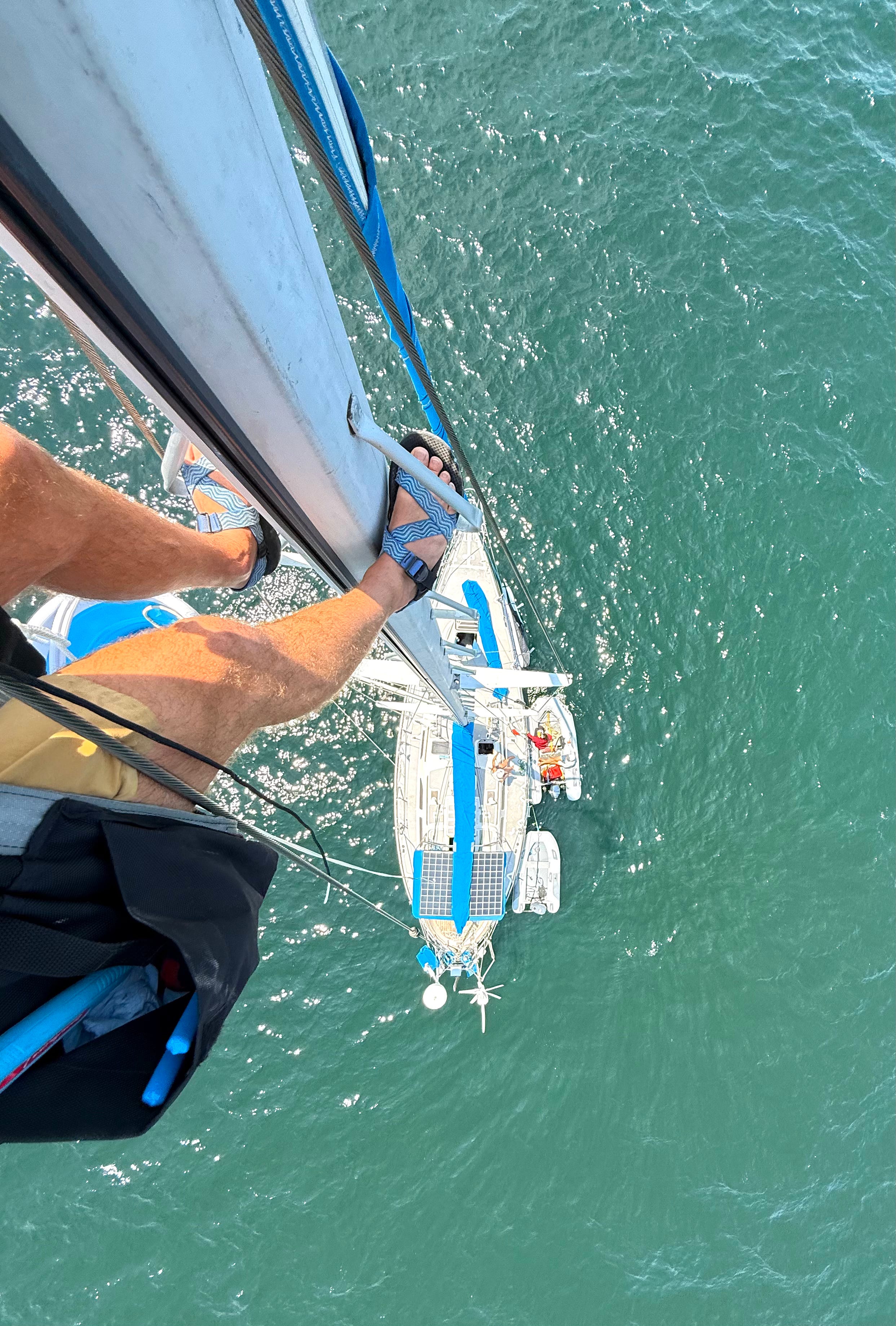
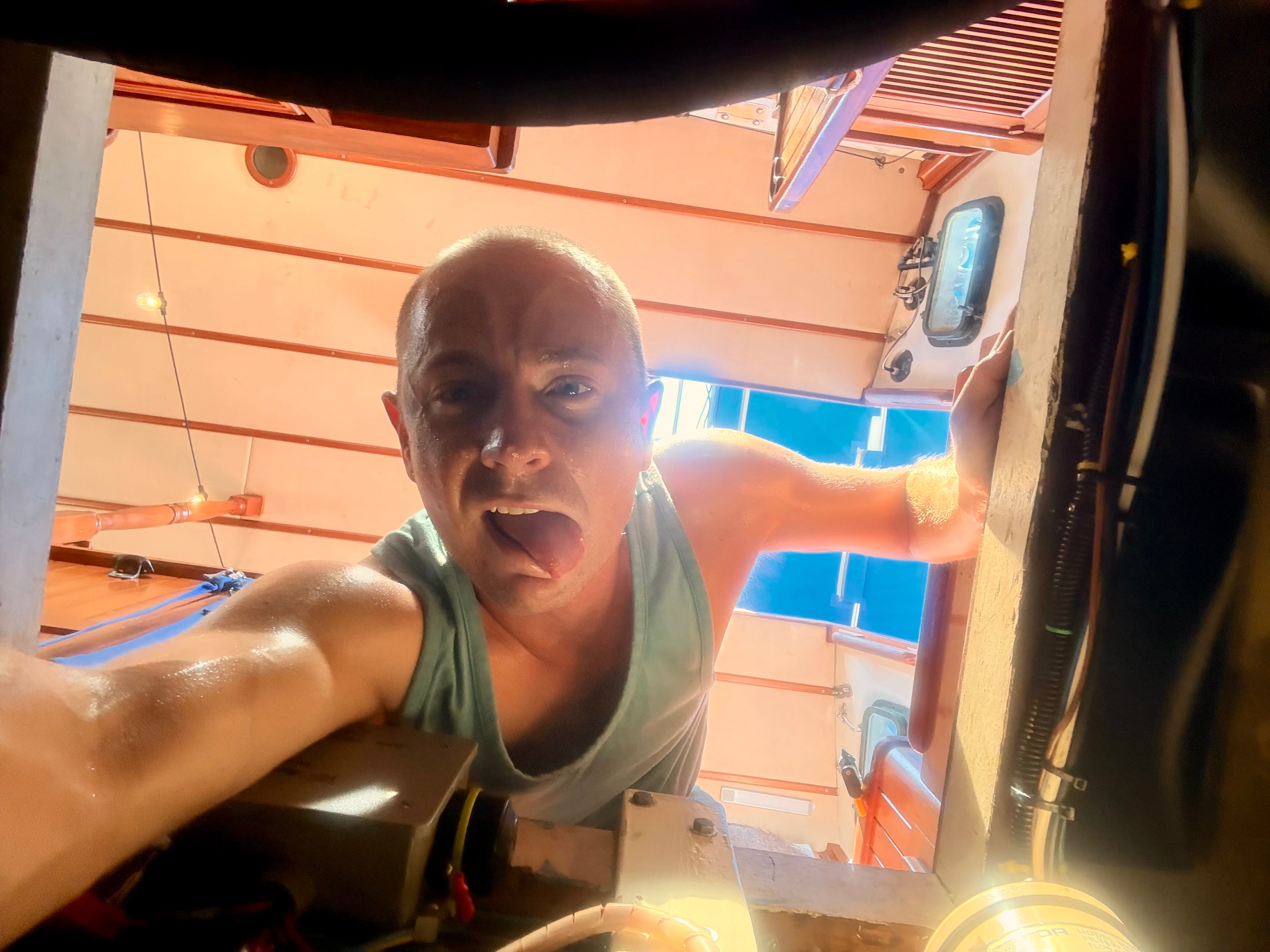
As the projects mounted, we moved into the marina to have more stability for things like going up the mast and easier access to town with its shops and services. This unfortunately coincided with the start of some unseasonably hot spring temperatures, which soared into the 90s right as we left the breezy anchorage. With little airflow the boat became a pressure cooker and would often be in the high 80s inside until late into the night. Perfect for doing grueling physical jobs that are hot and uncomfortable to begin with!
It’s almost midnight and I’m in my underwear, hanging upside down under the floorboards in the stifling engine compartment. I’m struggling to unscrew the oil filter and catch it, alongside the gush of inky oil it’s leaking, into a ziplock bag rather than spill it all over the bilge. Instead, I’m just coating the bag, my hands, and the filter all with a thick sheen of lube that’s making each attempted twist from my shaking hands just skitter over it impotently. I curse and strain and feel sweat dribbling down my chest and forehead into my eyes, my bare arms scratching against the sharp ends of zip ties on the fuel lines, my legs and back aching from the exertion to hold this weird pose. The miserable overwhelming stimulation of it all knocks me into a surprise moment of appreciation— how immersed in body-having I am at 11pm on this Sunday night, how awake to the physical form of myself!
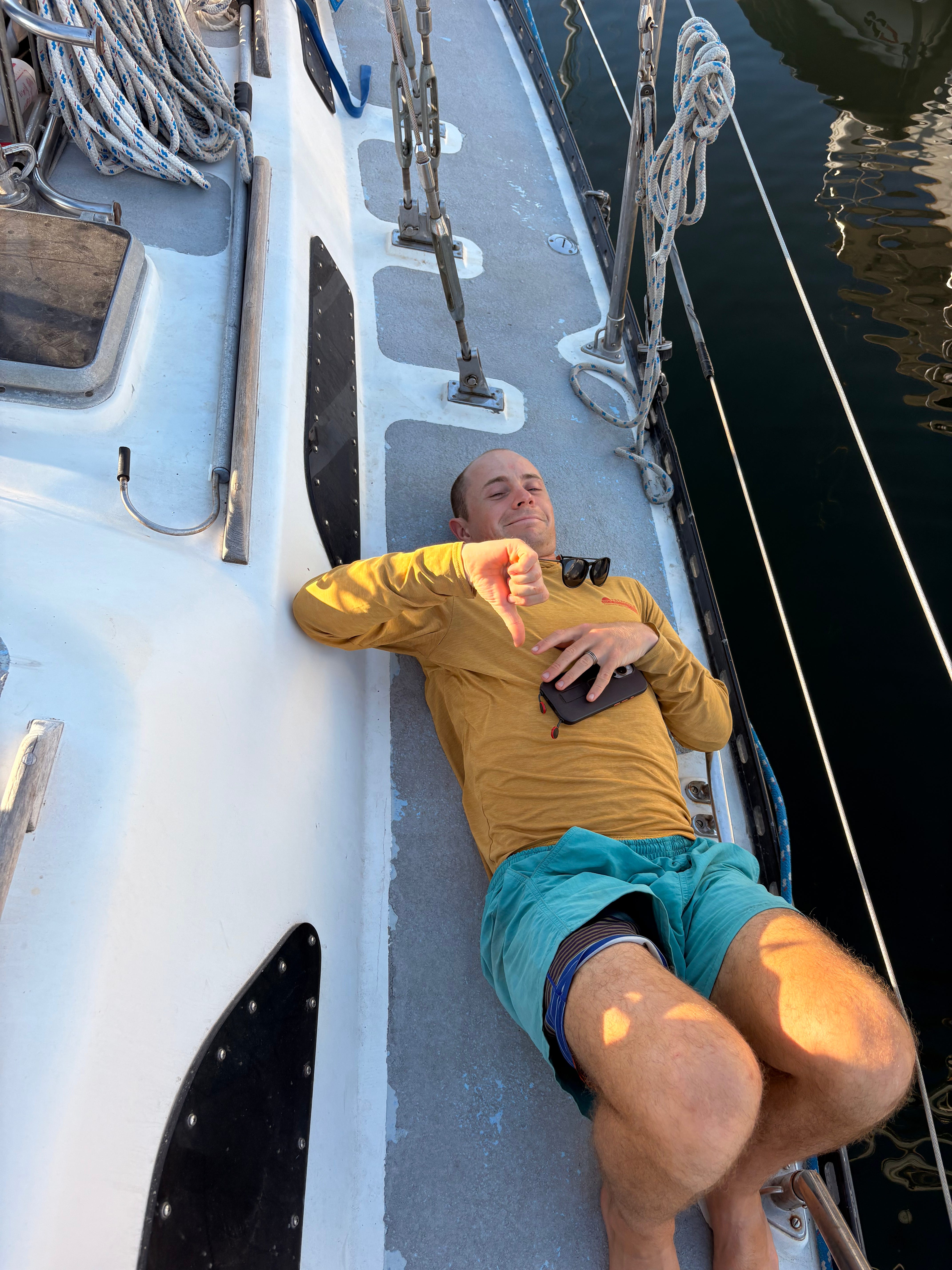
There’s a contradiction in sailing where you have to be super in-control— predicting issues, keeping tabs on everything, preparing meticulously to stay safe; and you also have to totally give up control— accepting the weather, being flexible on timing, and adapting when things break. Unfortunately, both sides of that come with their own unpleasant sensations, which ended up being a lot of what made this chapter difficult: feeling both the strain of managing so much and the desperation of being at the mercy of the unmanageable. Plenty of people warned us that moving onto a sailboat and crossing an ocean with your spouse would be hard, and most of the time that’s easy to brush off (we live somewhere with palm trees!) But when we’re feeling the twisting gut of agonizing over unknowable probabilities, or feeling our brains cooked into mush by the afternoon heat trapped on the boat, or feeling the heavy weight of loneliness and fear that our plans are doomed and all our work will be for nothing, our shorthand has become to say to each other “Turns out hard things are hard!”
All in all, our time in La Cruz was hard. But it was also lovely, especially as we settled into a routine that built in a little time to orient around our purpose for this chapter, and our dreams for the next. We made a daily ritual out of going into town for a little lunch or dinner, savoring a cold smoothie or jamaica agua fresca and taking our mind off work for an hour. We found a handful of restaurants where we became regulars, we’d talk about our ideas for future careers and how we want to raise our kids, and slowly but surely, the work started getting done.
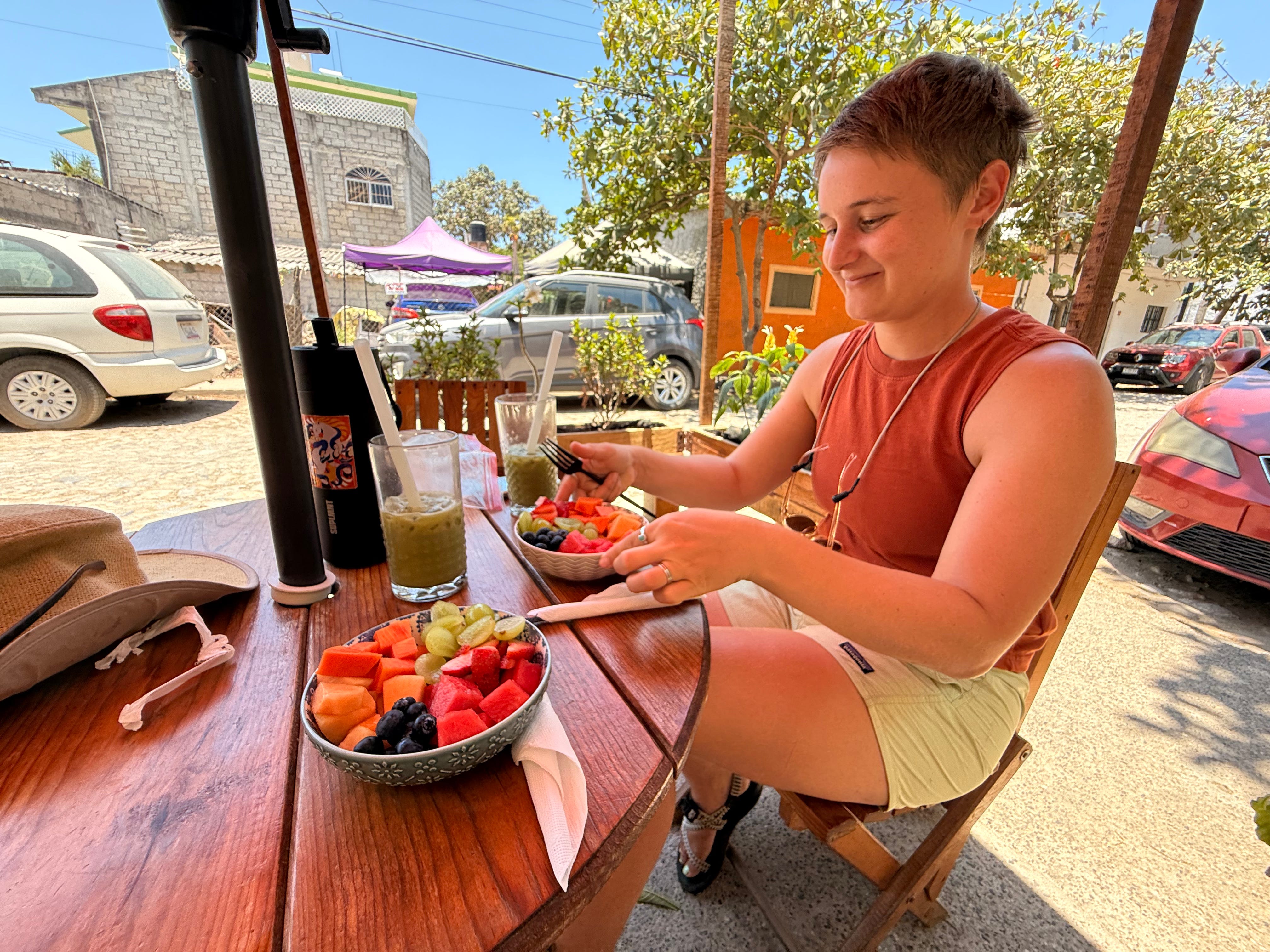
We returned from Kate and Dom’s wedding in Virginia refueled by time with family and friends and sporting enormous duffel bags full of parts, and within a week we had managed to complete almost everything on our big list. Suddenly when a weather window opened up and the one other boat that was still around told us they were taking it, we realized it was our time to go.
As the last preparations fell into place and our major projects wrapped up, we did one final mad dash to check out of the country and say goodbye to the town that had come to feel like home.
I jog through the streets of La Cruz for the last time, trying to overlay poignance onto each familiar corner even as the press of departure drives me forward. I load up on mangoes and pineapple, hibiscus and passionfruit at the frutería, try to mentally record its wafting cool air and tropical scent. I jog through the Wednesday street market, dazzling assortment of wares sorted with some unintelligible logic. The rank scent of rendering fat at the butcher’s shop, the street cats slinking along the sidewalk, the tiny green and orange mangoes forming on the trees and getting run over on the road leaving trammeled sticky splotches around dusty, fibrous pits. On my way back to the cafe I pass the old man around the corner who sits in his plastic chair blocking half the sidewalk and just watches the world go by, pass the house where the fishermen are organizing monofilament leaders, gathering them in great bouquets like bouncy white rooster tails.
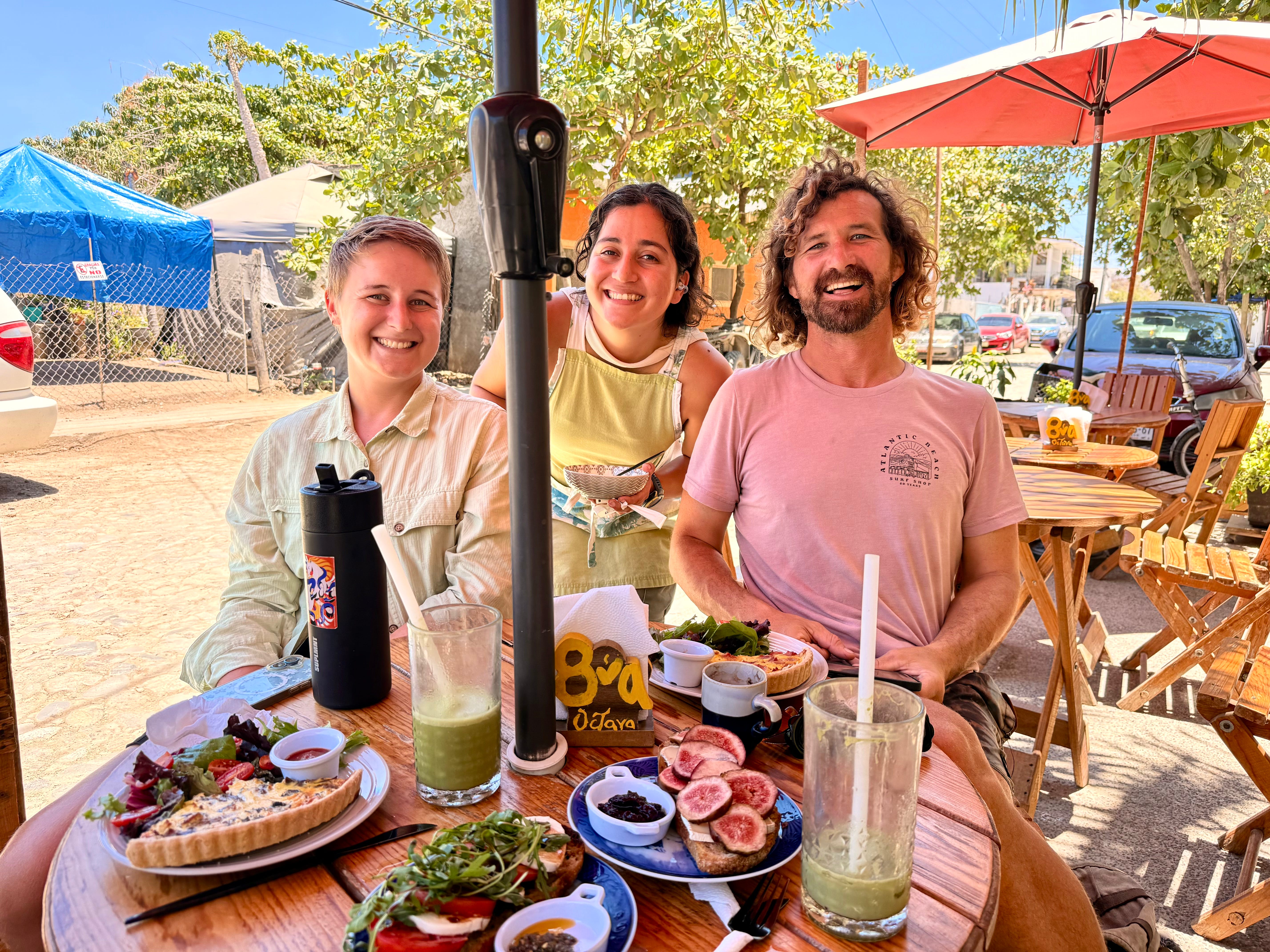
I duck into our beloved cafe, savoring for the last time how the air around its shady parklet is instantly honeyed with good vibes and fond memories. There is a boisterous conversation between a few groups of gringos, dogs weaving playfully between the tables. I give the shopkeeper Zyanya a hug, both of us cooing our appreciation and sadness for the end of a chapter, assuring each other that it’s “see you later” not “goodbye.” My eyes sting with tears, heart heavy but full to have had such a lovely homey base spring into existence here in these last weeks. I gather my fruit bags and to-go containers and the full quiche I ordered to give us a little taste of La Cruz on the passage, and depart.
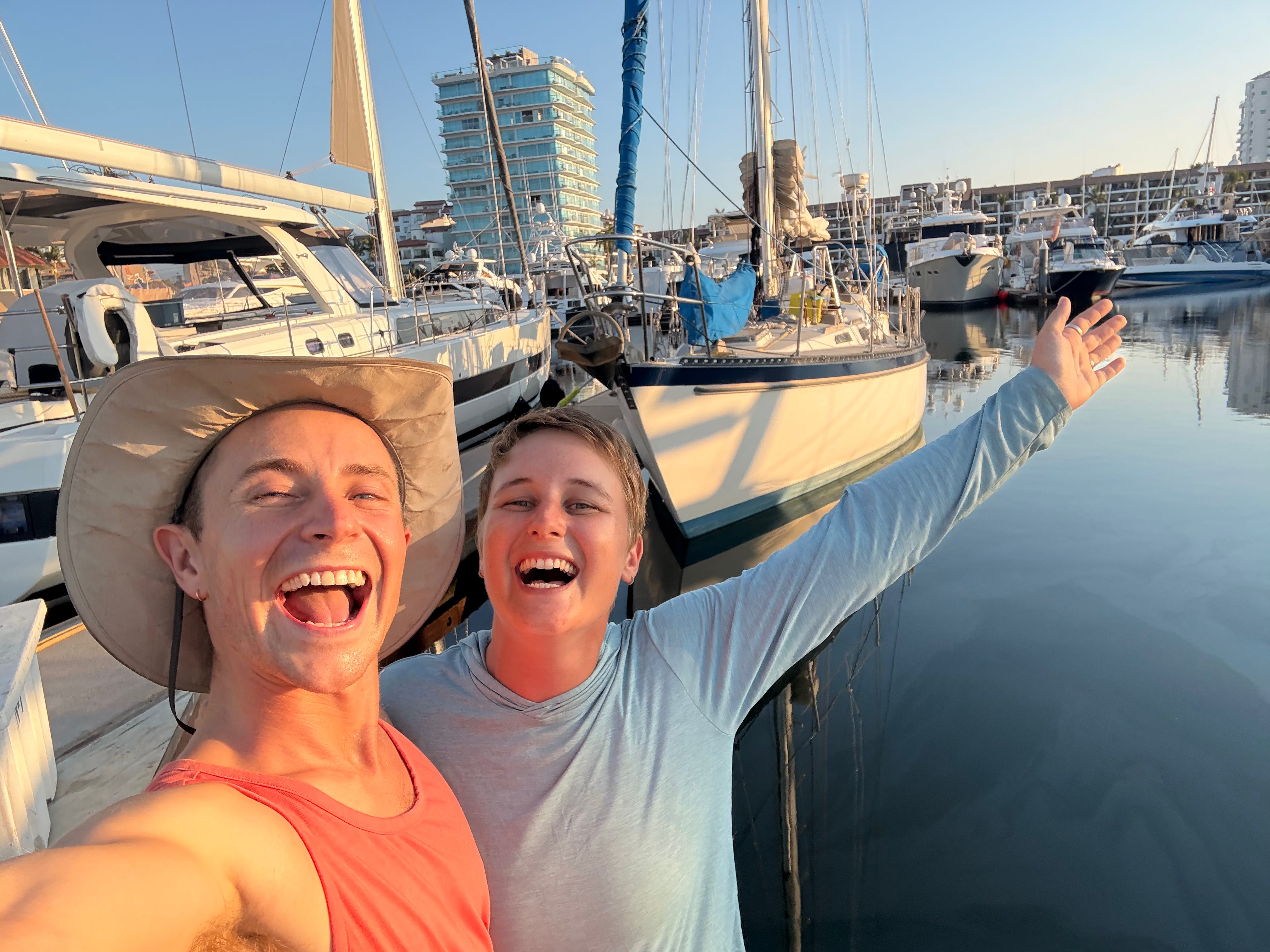
After clearing some minor bureaucratic nightmares in which we were given totally different rules than the 20 other boats who left before us, we checked out of Puerto Vallarta and literally sailed off into the sunset.
As we pull out through the narrow channel of Marina Vallarta, I try to rouse my tired inner state to match the eager gold of the evening. We motor softly past people eating dinner at waterfront cafes, catch their eyes following us and wave, I giddily remark to Maddie “It’s crazy that none of them know we’re about to not touch land for a month!!”
We turn out of the marina and the afternoon wind barrels into us, along with the choppy waves it’s been building up all day. The bow crashes between steep sets while I crank the mainsail up. The wind is just southerly enough to sail out of the bay with our bow pointed squarely at the setting sun. Around us, the lush coastline of Puerto Vallarta is bathed in pink and gold, hotel towers and villas climbing up from the beach onto the steep mountainsides around Banderas Bay. By the time we sail past La Cruz, it’s too dark to see it, and my first watch has begun.
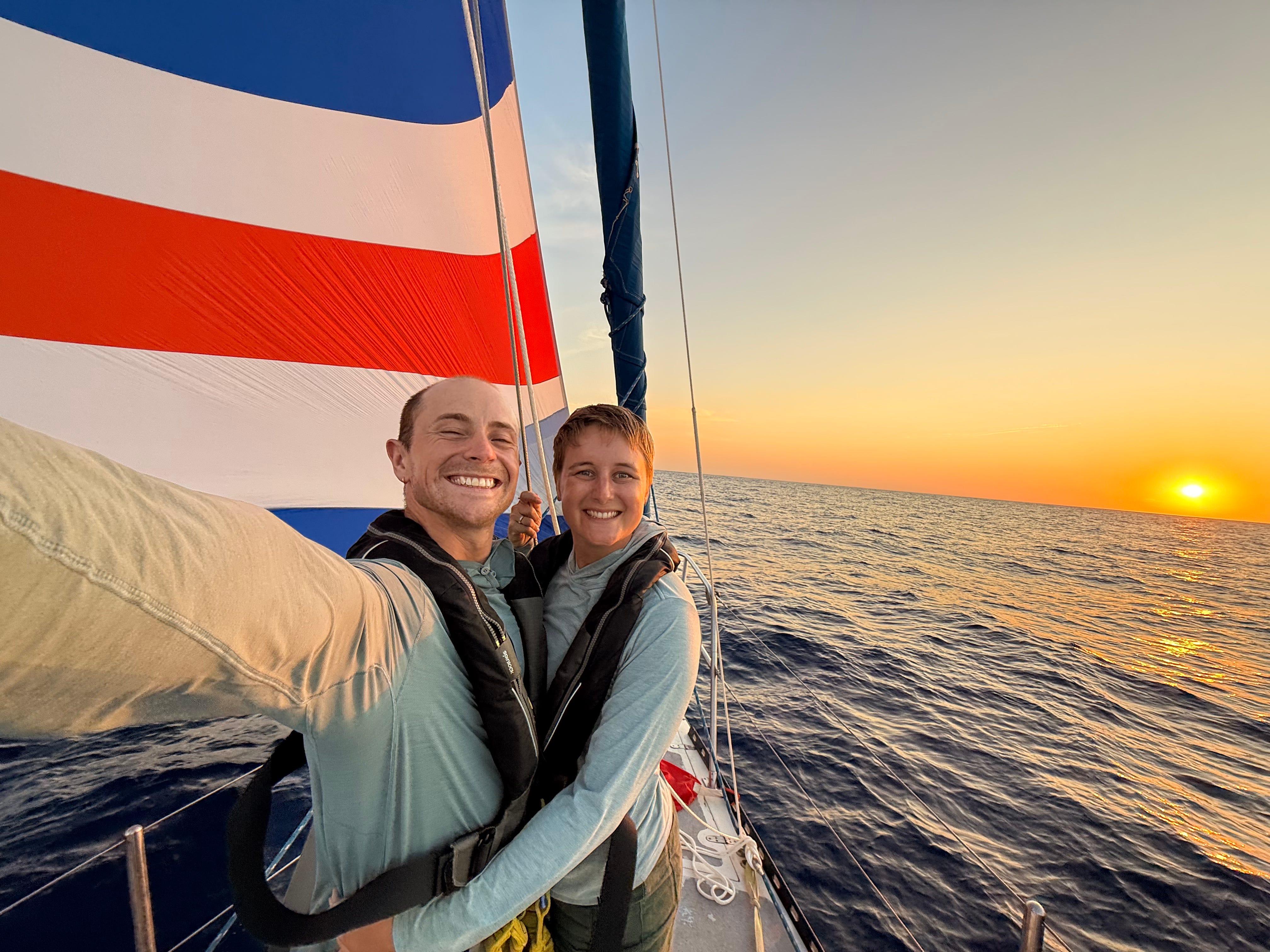
Now that we’re finally out here, we’ve been going through the sometimes-wobbly and sometimes-lovely transition from the grind of the last month to the quiet rhythms of passage.
Being out here has given us a lot of time to reflect on both the last couple months when we barely had time to think, and the entire last year of sailing which has contained an astonishing amount of life in it. We both agreed recently that this year has felt like the longest of our lives by a long shot. Every day of the passage so far we’ve been doing “rose, bud, thorn” to go over our highlights and lowlights and what we’re looking forward to. We’ve been posting those on our tracking page, but we’ll be sending them out as a blog post alongside some of our other reflections on passage soon.
With love,
Jeremy and Maddie (and Tardigrade)
No posts
Comments
Nothing yet. Say the first thing.
Sign in to join the conversation.