
“We shall not cease from exploration,
And the end of all our exploring
Will be to arrive where we started
And know the place for the first time.”
- T.S. Eliot
The writer of Ecclesiastes called himself “the Preacher,” but I prefer to call him the “unhappy king who had everything.”
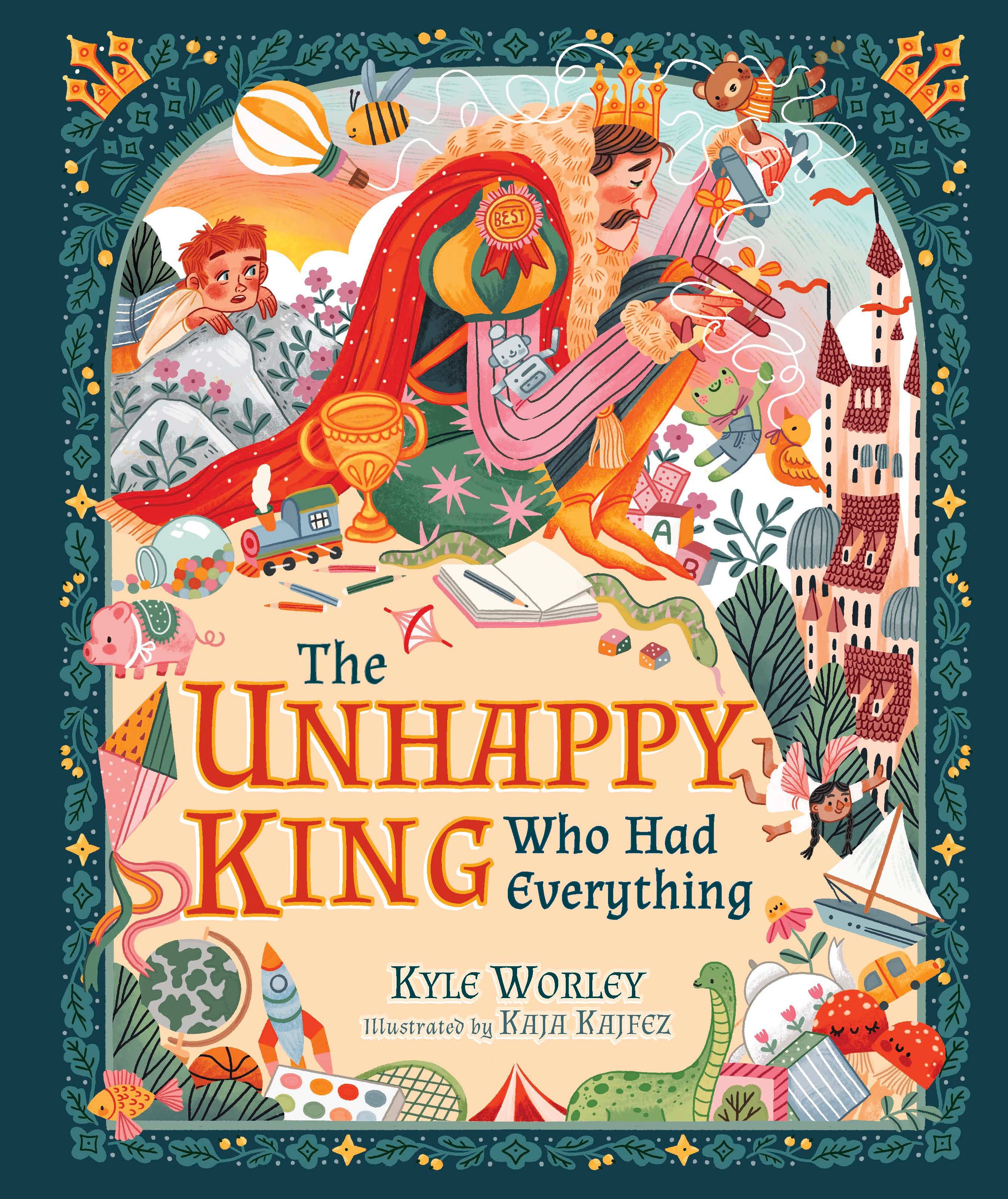
Ecclesiastes deserves a place in the philosophy hall of fame. Not that such a thing exists, but can you imagine if it did? Just a bunch of nerds walking around, reading plaques about Derrida while they look at the “one of a kind handmade chair” Derrida sat on to write that the world sat upon nothing. A gift shop with Plato branded “Play-doh.” You get it.
Peter Kreeft says, “Ecclesiastes is the greatest of all books of philosophy.”
That might be the case, but anytime you tell someone you are reading or studying the book, it’s not uncommon for them to reply: “Yikes, good luck.” We’ve been reading portions of it as a family in the morning. We do an Old Testament reading at breakfast and a New Testament reading at dinner. After two weeks, my daughter said, “Dad, do you think we could swap the readings until we are done with Ecclesiastes? It’s a bit of a bummer way to start the day.”
I can’t say I blame her. “Vanity of vanities! All is vanity” is a tough thing to hear when you are eating toast and getting ready for a fun day in fourth grade. Although it turns into a comfort when you are headed into the office to try and dig out of your email backlog.
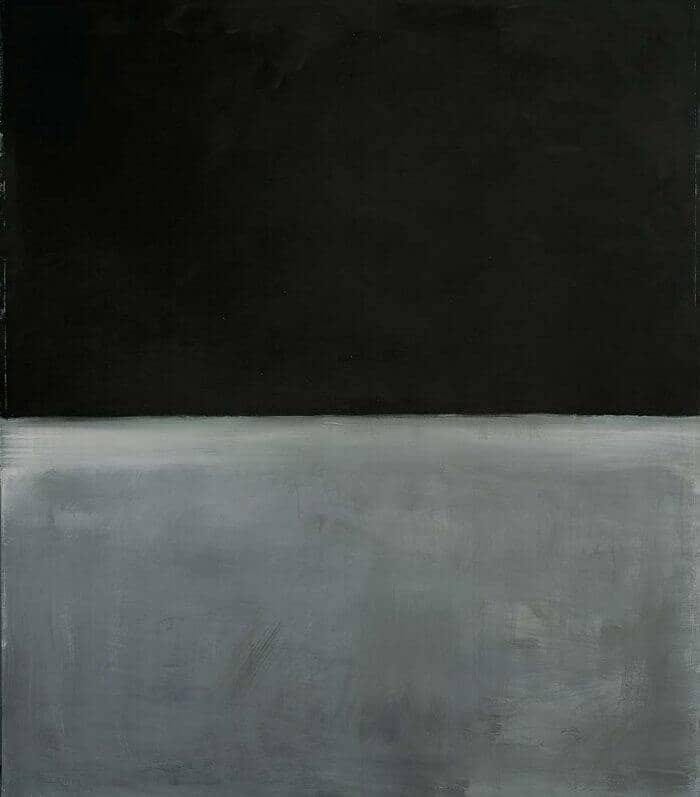
I’ve been living in Ecclesiastes for the last two years. In part, because I was finishing a kids picture book retelling the story to children (check it out here). Also, as some of you know, I’m a pastor and I have been studying the book in order to prepare to preach it this fall to the people of Mosaic Church.
But, in truth, God dragged me into Ecclesiastes. It has been said that men “preach best what they need to learn most.” All I can say to that is “Amen.”
Somewhere over the last decade I fell into a trap. It is a trap so obvious that to fall into it is a cliche. I fell into the trap of trying to “________ - it all.” Let me show you what I mean.
Have-it all.
Know-it all.
See-it all.
Do-it all.
Be-it all.
The Preacher of Ecclesiastes, (aka “the unhappy king who had everything”), writes, “God has put eternity into man’s heart, yet so that he cannot find out what God has done from the beginning to the end. I perceived that there is nothing better for them than to be joyful and to do good as long as they live; also that everyone should eat and drink and take pleasure in all his toil—this is God’s gift to man.” (Eccl. 3:10-13)
I, like all who have come before, have sat on the edge of eternity’s well with tweezers and a million grains of sand. I’ve picked up each tiny grain and dropped it into that bottomless hole and I’ve strained to listen for a sound. I heard nothing.
I heard “hevel.”
The Hebrew word, “hevel,” is used by the Preacher over 30 times in Ecclesiastes. A word that is often translated “vanity,” but could be described as “vapor” or “breath.”
“Hevel” is the sound something makes when you try to fill up eternity’s ache with anything but God.
I know that sound too well. So, God pulled me into Ecclesiastes kicking and screaming.
And I discovered something surprising in there.
The next picture book in my “Gospel Imagination” children’s series releases this spring. The Unhappy King who had Everything is an imaginative retelling of the book of Ecclesiastes aimed at readers ages 3-8.
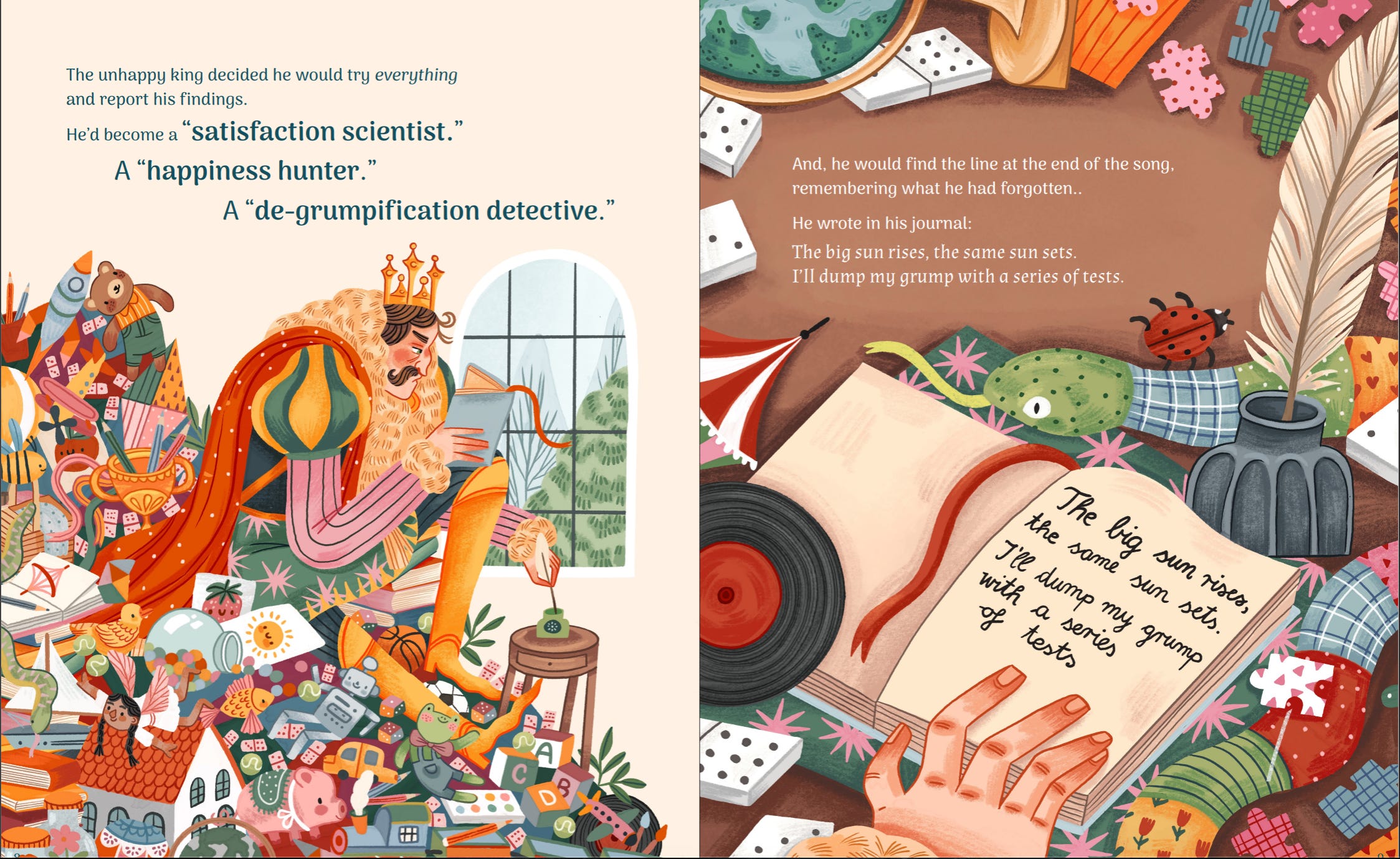
All the art is handmade. All the words are human. Below is a spread from the book - I can’t wait for readers to get their hands on it. It’s available for preorder now.
(P.S. Preorders really really help authors.)
In Ecclesiastes, we are told: nothing matters, except everything.
One of the common misunderstandings you hear from readers of this book, a misunderstanding I shared for sometime, is that Ecclesiastes is nihilistic. Nihilism is a philosophic system (or “worldview” or “lifeworld”) that life has no objective meaning or intrinsic value. The nihilist believes “nothing matters.”
The Preacher of Ecclesiastes shouts out, “Vanity of vanities! All is vanity…Is there a thing of which it said, ‘See, this is new?’ It has been already in the ages before us.” (Ecc. 1:3; 1:10)
I wouldn’t fault you for hearing just those lines and thinking, “I guess the Preacher is a nihilist.” But, you’d be mistaken. As I was. Because words belong to sentences, sentences belong to paragraphs, paragraphs belongs to pages, and pages belong to books.
The key idea that frames the Preacher’s view on the vanity of all things is the phrase “under the sun.” It is used repeatedly throughout the book as a way of signaling the author’s concern and target.
Here are some examples - these are just a few of the many:
“What does man gain by all the toil at which he toils under the sun?” (Ecc. 1:3)
“What has been is what will be, and what has been done is what will be done, and there is nothing new under the sun.” (Ecc. 1:9)
“I the Preacher have been king over Israel…I have seen everything that is done under the sun, and behold, all is vanity and striving after wind.” (Ecc. 1:14)
As we read Ecclesiastes closely, we begin to see the Preacher’s point: When we look at the world “under the sun,” with no reference to anything beyond or above the sun, nothing matters. All is vanity. It’s nothing. It is vapor. Hevel.
But, when we see the world “under the sun,” in the light of He who is above and beyond, everything matter. Nothing is vanity. Nothing is vapor. It’s not hevel. It is tov.
Tov is the word for “good.” It’s what God calls his creation in Genesis 1.
When you try to live life “under the sun,” all you are left with is hustling for hevel.
When you receive life from “above the sun,” you are gifted tov.
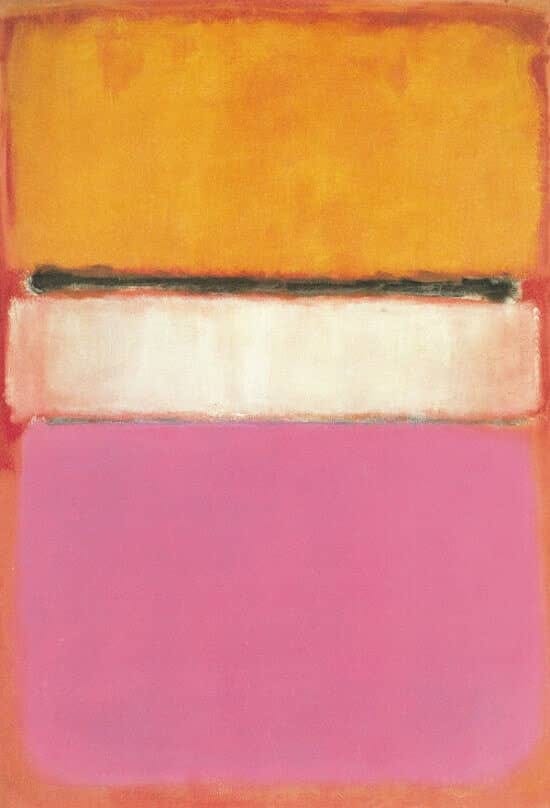
I fell into the trap of thinking that the gifts were greater than the Giver. I tried to fill the ache of eternity with tov and it turned into hevel. The wearisome toil and vanity of life “under the sun” is fueled by the attempt to receive gifts as gods.
The Preacher in Ecclesiastes wants you and I to know that:
“Having-it all” is hevel.
“Knowing-it all” is hevel.
“Doing-it all” is hevel.
“Seeing-it all” is hevel.
“Being-it all” is hevel.
But, “appreciating-it all” is tov.
“Life under the sun” becomes intelligible, meaningful, wonderful, and worshipful when it rolls up in thanksgiving and praise to the Giver. Only then do the vanities become valuable.
Only when the things of this earth “grow strangely dim in the light of God’s glory and grace,” are they transfigured to become “strangely bright.”1
Helen H. Lemmel, “Turn Your Eyes Upon Jesus,” (London, 1918).
No posts
Comments
Nothing yet. Say the first thing.
Sign in to join the conversation.