
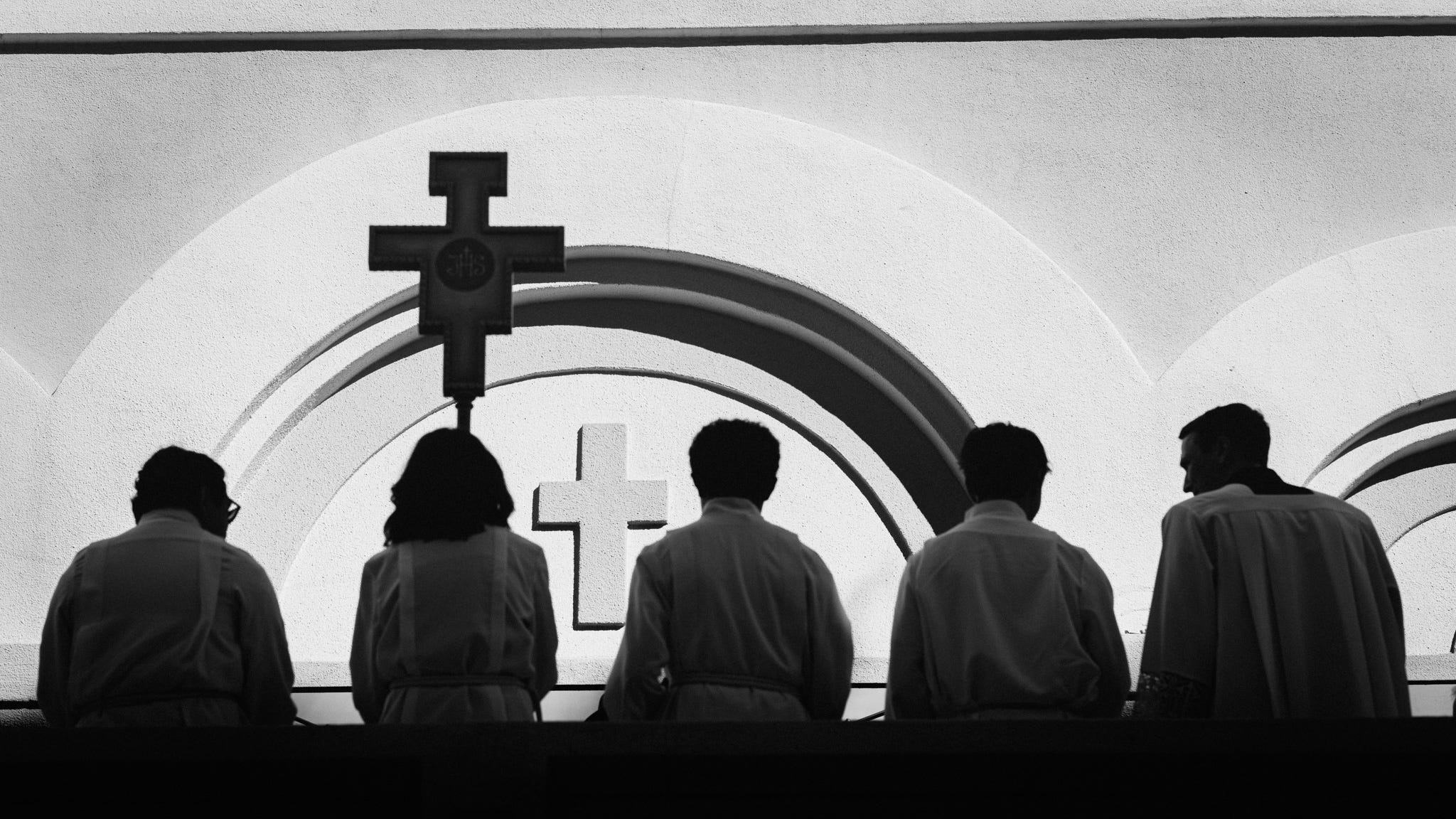
Lately, I’m noticing a gap in my work.
Thanks to feedback from those that I trust and all of the study I’ve been doing, I recognize a significant space for growth, especially as it pertains to my American Dream project.
Right now, my work largely revolves around people in public, people in motion, people up close and personal, and people from afar, all of which take place out in the city streets.
People passing through life and place.
What I’m missing, I’ve realized, is people living life, and their belonging to place.
In the context of my project, American Dream, I feel like I have learned to photograph Americans in public. Now, I am looking to turn my attention toward another layer: learning to photograph America in context.
Ironically, my early work began photographing what could more closely be described as everyday life: rural Central Florida, where I was born and raised, and the outskirts of Phoenix close to where I live now. In both regions, I began by walking the neighborhood streets, with camera in hand, photographing the places where life passed slowly.
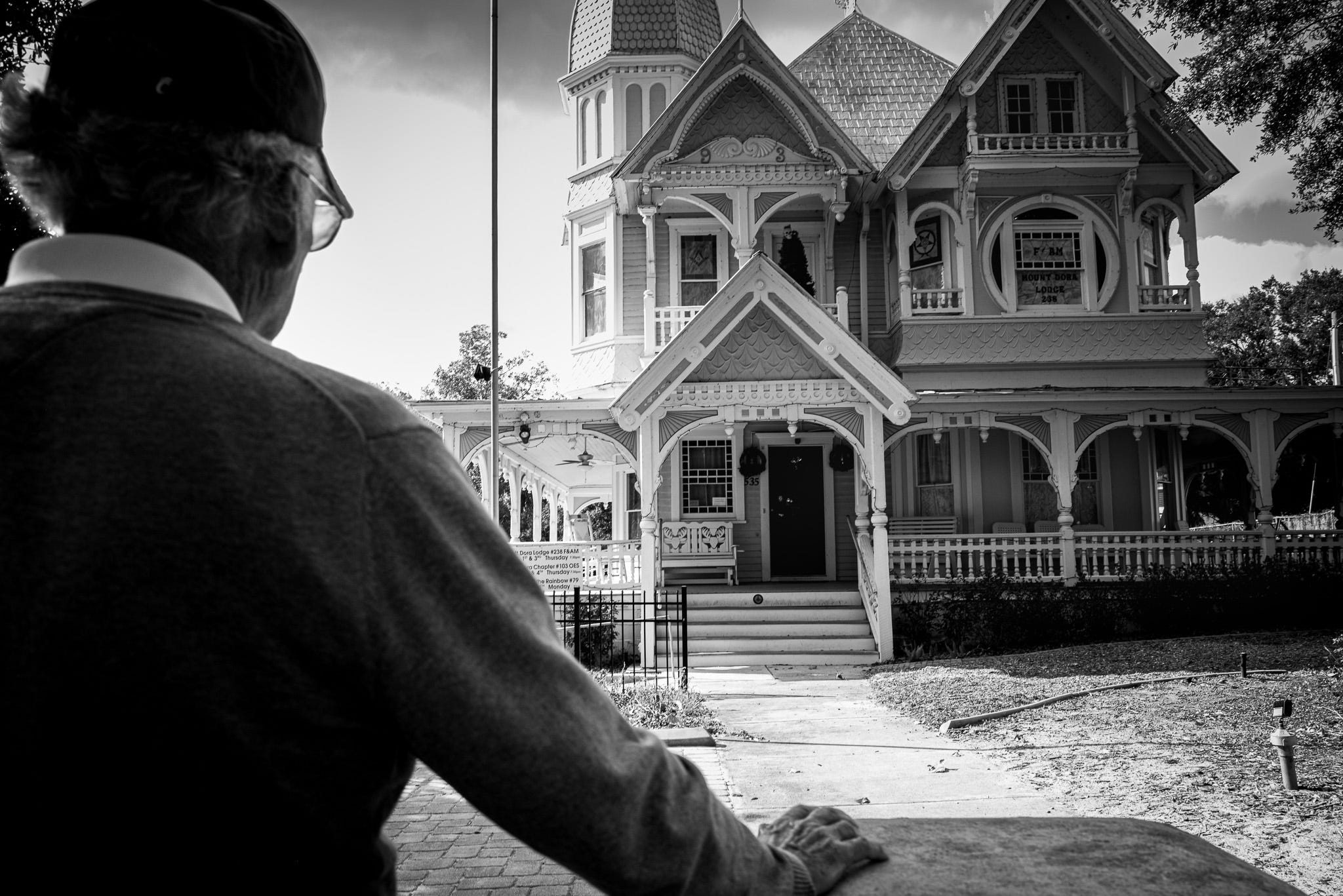
But my aim wasn’t necessarily to photograph people in any specific kind of way, but rather to get experience doing what I had come to know of street photography. These were the regions I felt most comfortable exploring, so I used them as my practice grounds.
And once I got more comfortable doing this sort of street photography, I began taking to the more traditional downtown city streets, like those of Phoenix and Cleveland.
Out on metro streets, I learned to photograph people from afar as they moved through crosswalks, intersections, and alleyways. Then, I learned to get closer to the action, through both candid work as well as street portraiture.
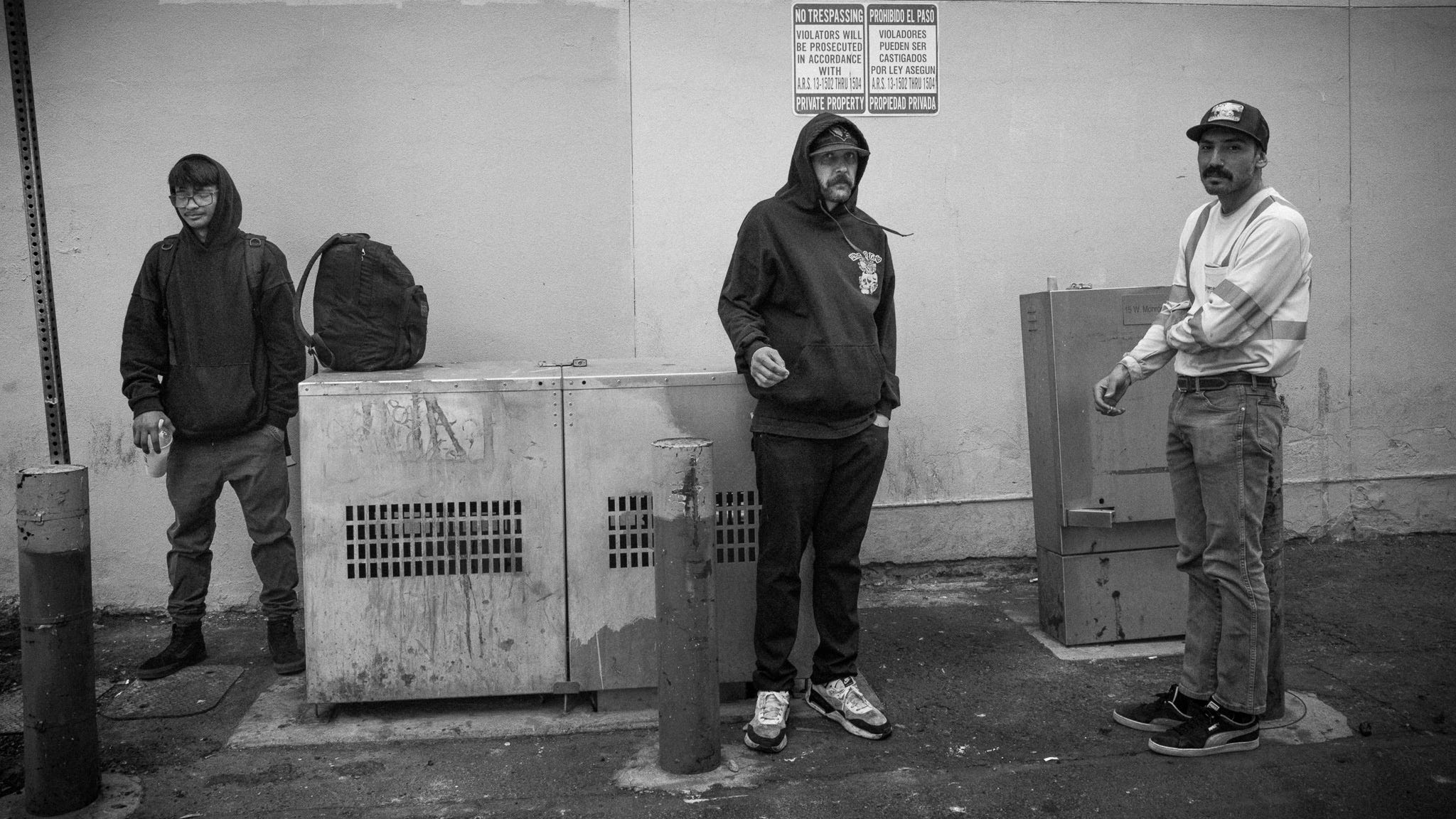
There are a lot of reasons to photograph out in public spaces, high-traffic areas with people either on the go or visiting. For starters, there’s opportunity even in the slowest of cities (like Phoenix often is) to see substantially more people than the suburbs. This, for me, provided ample reps for photographic development: learning to build a scene, recognize a moment, and connect with strangers.
Additionally, larger metro areas provide variety. You have the chance to photograph all sorts of people – adults, teenagers, children, skateboarders, business folks, those who struggle, those who thrive.
And at the intersection of variety and opportunity comes performance, either taking the shape of spectacle — the absurd, funny, exciting, dramatic — or the shape of presentation: people portraying what they want others to see in them.
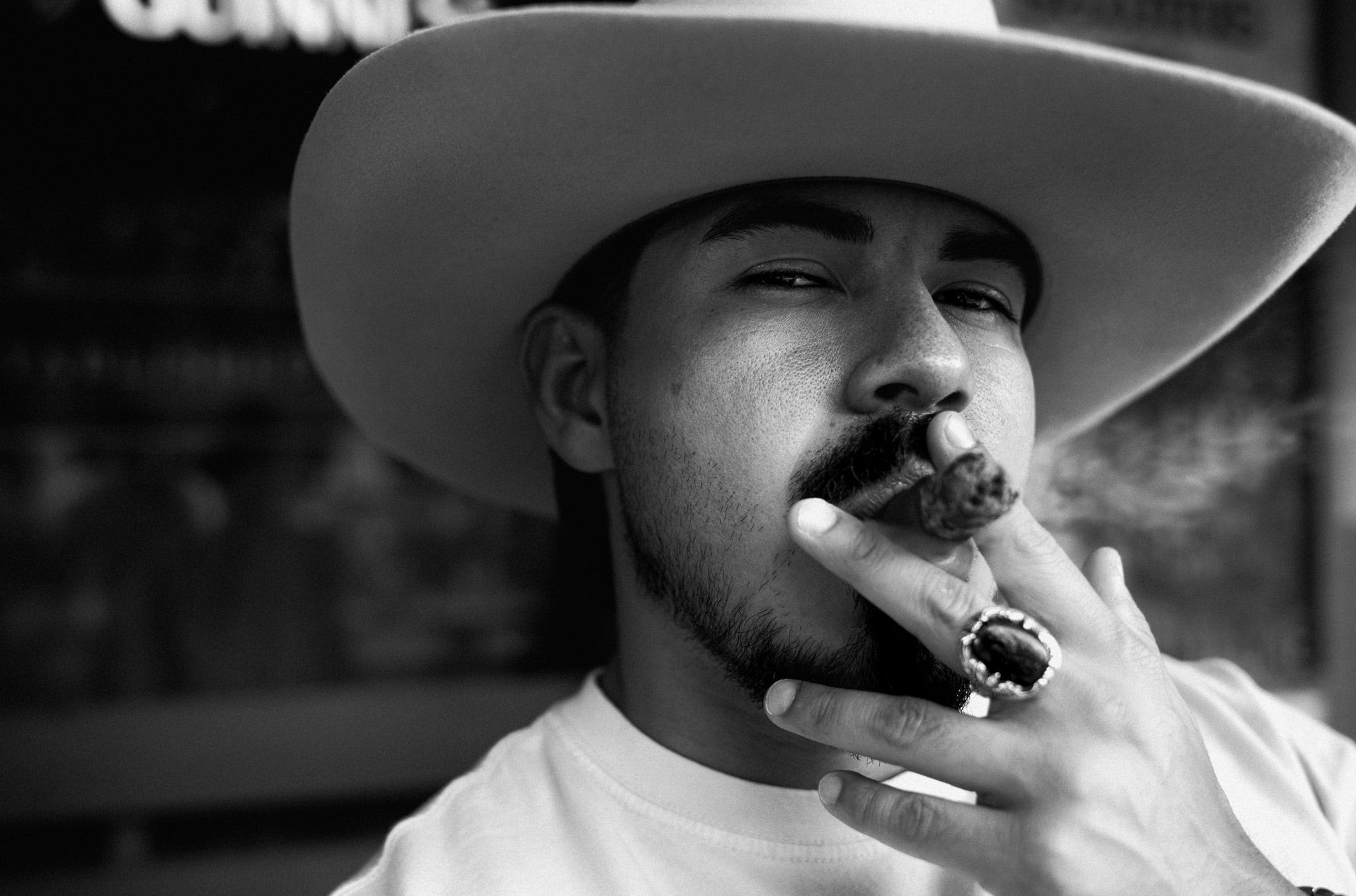
In many ways, it is like photographing life playing out on a stage. But, this is a necessary part of photographing a people. Culturally, it’s vital to show others as they wish to portray themselves out in the open.
Complementary, however, is to pull the curtain back and photograph life as it’s being lived. Not just people passing through the place, but rather those who belong to it.
People out in the world are busy, on a schedule, dressed for occasion. They are saving time, not necessarily spending it. And to photograph this is to reveal a public identity.
Behind the metaphorical curtain, however, our world slows down. We have routines, we practice the mundane, we let our guard down. A personal identity is formed, as well as a communal one.
On the block, at the park or county fair, in the mechanic’s garage or neighbor’s front porch, at the church picnic or homocoming parade — a much more natural and personal identity is inhabited. People belong to these spaces. It is life being lived, not passed through.
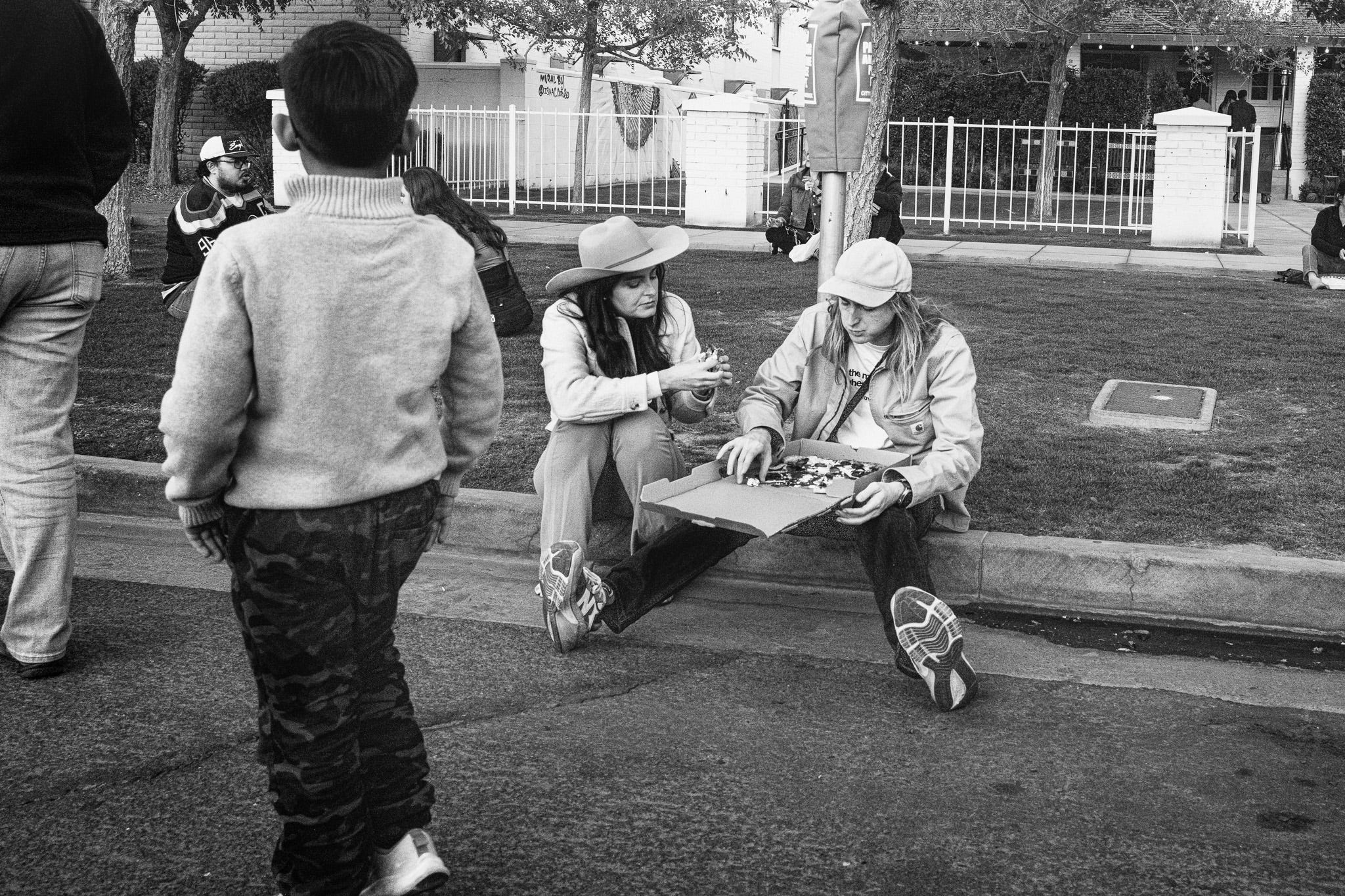
Photographing these two sides of our lives does not need to be done in opposition. Rather, together they can provide different information, revealing a more holistic understanding about what it means to be human in America today.
What this seems to require, however, is an evolution in approach. Where so much of traditional street photography requires opportunity, anticipation, and observation, an attempt to dive deeper into the subculture of a place seems to ask for access and, oftentimes, participation.
Both in the literal sense — being able to photograph, say, a community event — and metaphorically speaking: positioning oneself as a non-threatening and positive presence in the open with the camera such that people allow you into their “private” world. It is one thing to photograph people on neutral turf. It is another to be on their home turf. The challenge is not simply finding different subjects. It is earning different kinds of access.
How do we manage this?
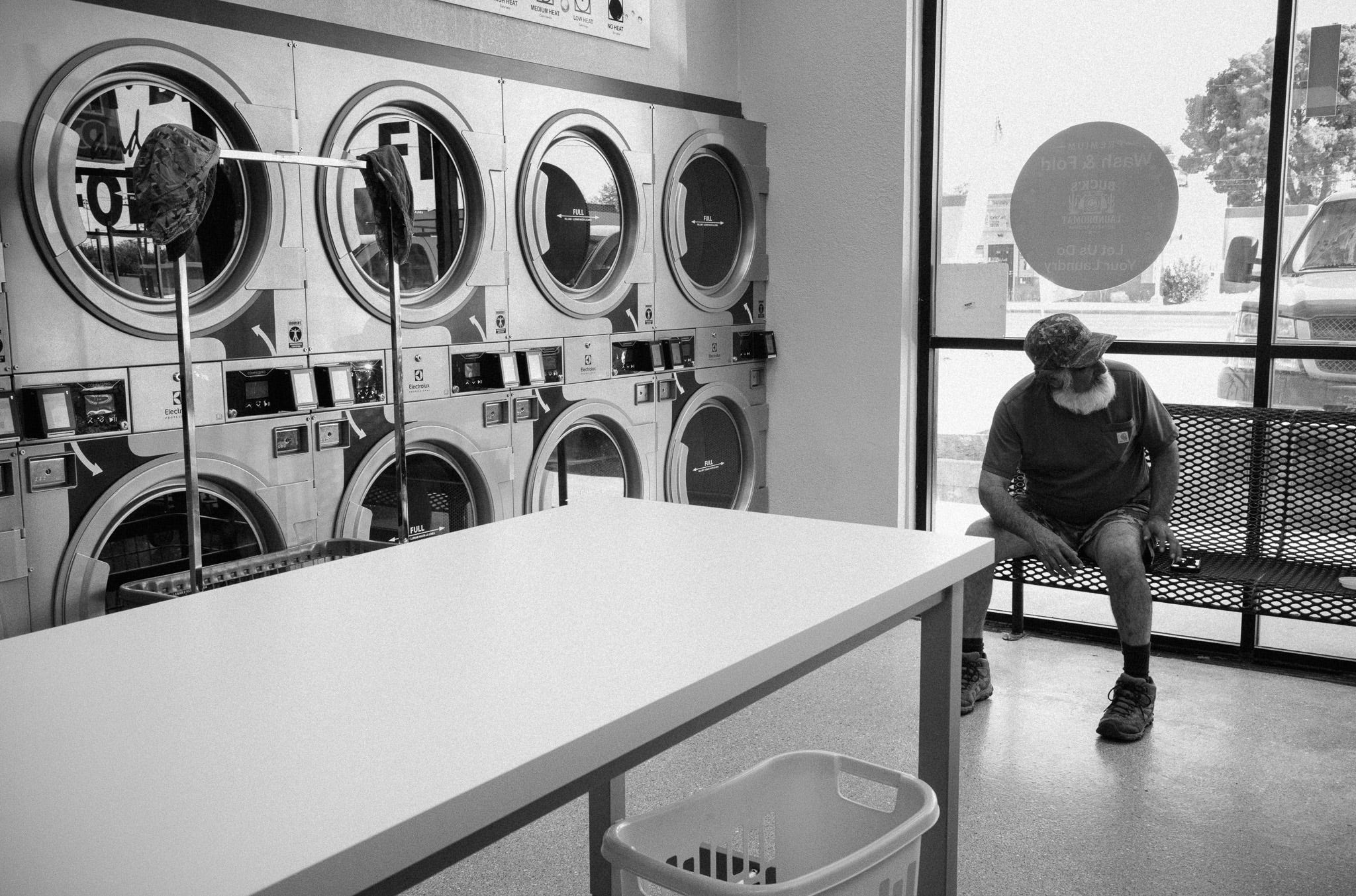
Well, I am still trying to figure that out. But in the last few weeks, I have pushed myself to work in new places with the camera. Last weekend, I entered a laundromat and made images of folks waiting for their laundry — a Sunday ritual for many.
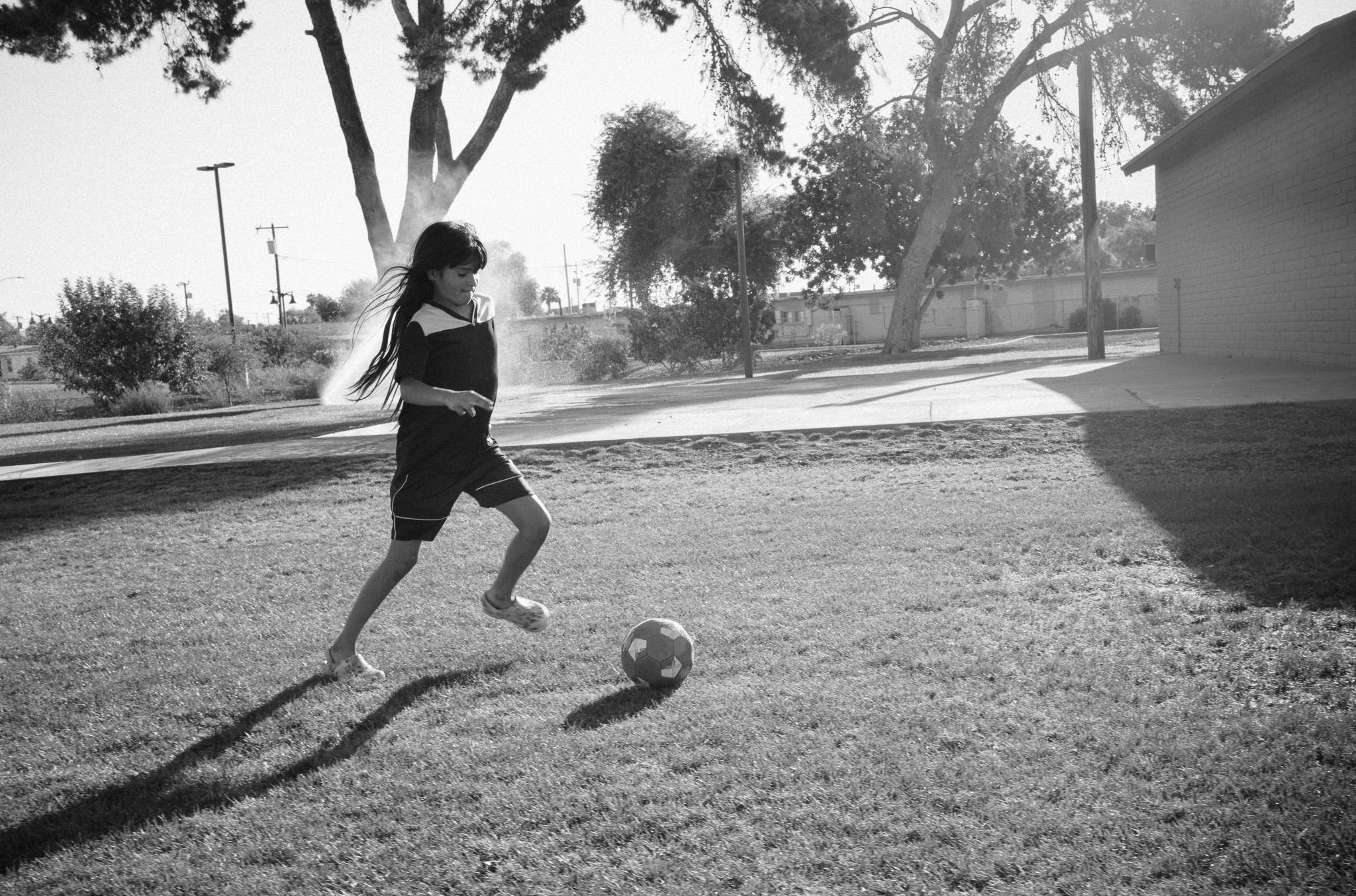
I also made images of a girl playing soccer with her father in the park — a weekend bonding moment shared by many a parent and child.
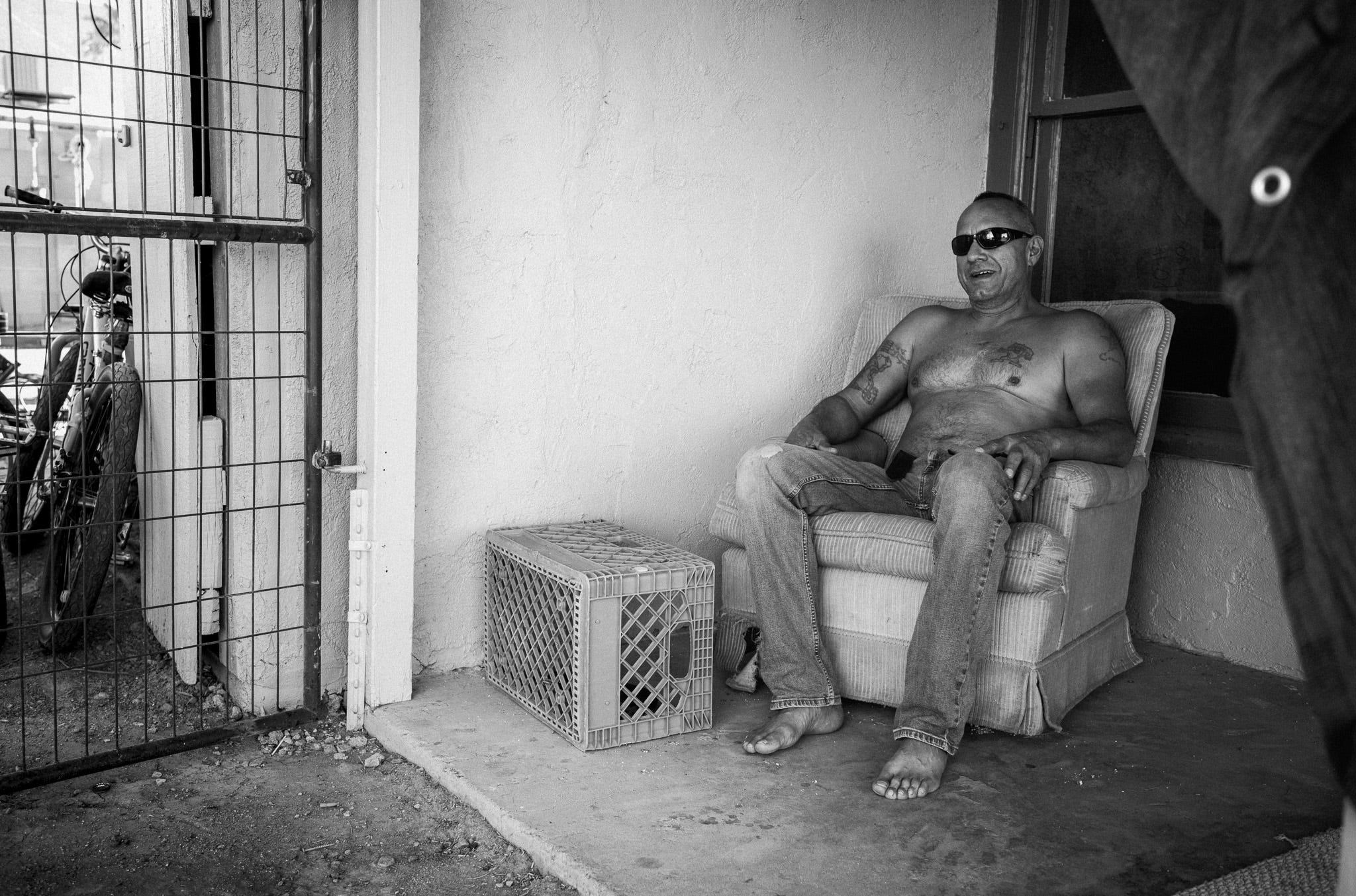
And several weeks ago I walked the small sidestreets on the outskirts of town and ended up making a portrait with a gentleman while he sat on his porch before going to work.
What I can tell you is that these opportunities did not actually ask much more of me and my approach than usual: I strived to be a respectful, positive presence with the camera and put the personal connection before the image. Just like I do on the city streets.
However, something I know too is that this is posing a new learning curve for me in my process. Just as it took time for me to learn where to push and pull on moments out on the city streets, I am now having to relearn to have that same “feel” in new contexts. These early images are not my strongest, but I am okay with that — I am optimistic that they will be a springboard into more impactful work from this new layer that I am exploring.
Ultimately, what this all means for the American Dream project is a more well-rounded body of work. One where America is lived both out on the stage and behind the curtain. People passing through places, and people belonging to them.
I don't know how to do this yet. But I suspect the next phase of the project lies somewhere in that gap.
No posts
Comments
Nothing yet. Say the first thing.
Sign in to join the conversation.