
Budapest, 8 April 2026. US Presidents and Vice-Presidents have travelled afar before when important elections or referendums are about to take place in other countries - whether President Obama turning up in Britain before the 2016 referendum on exit from the EU (he was pitching against Brexit, unsuccessfully) or President George H. W. Bush warning Panama in 1992 not to vote for a reform of its constitution, threatening strict sanctions (he was successful, the referendum failed).
Yesterday and today Vice-President J. D. Vance spoke to the public in Budapest, capital of Hungary, having held meetings with the Hungarian Prime Minister Viktor Orban. The importance of the VP’s trip - and hence the upcoming national election on Sunday, 12 April 2026 - is underlined by the fact that the Vice-President undertook this journey precisely at the moment that President Trump had warned the world he was set to wipe out the entire Iranian civilisation, civilians, their infrastructure, cultural heritage and all, if Iran did not bow to his demands.
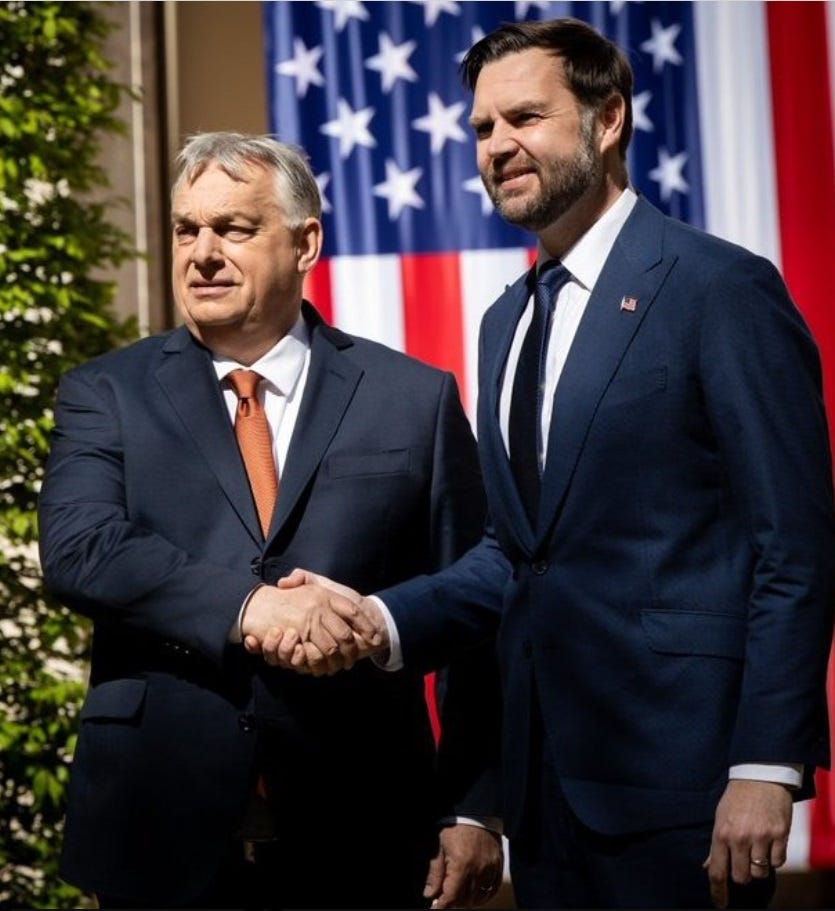
In the event, the Tuesday deadline passed, as President Trump fortunately bottled it up again, or TACOed it (“Trump Always Chickens Out” - something one unfortunately cannot rely upon when it comes to warfare). As it turns out, the White House just announced that JD Vance will travel on to Islamabad where he will lead the negotiations with Iran.
In his public speeches in Budapest, JD Vance pointed out that Hungary has long been battling an overburdening EU Commission - whose interference in Hungary he called “truly disgraceful” - and whose policies Viktor Orban had been disagreeing with, including concerning energy policy.
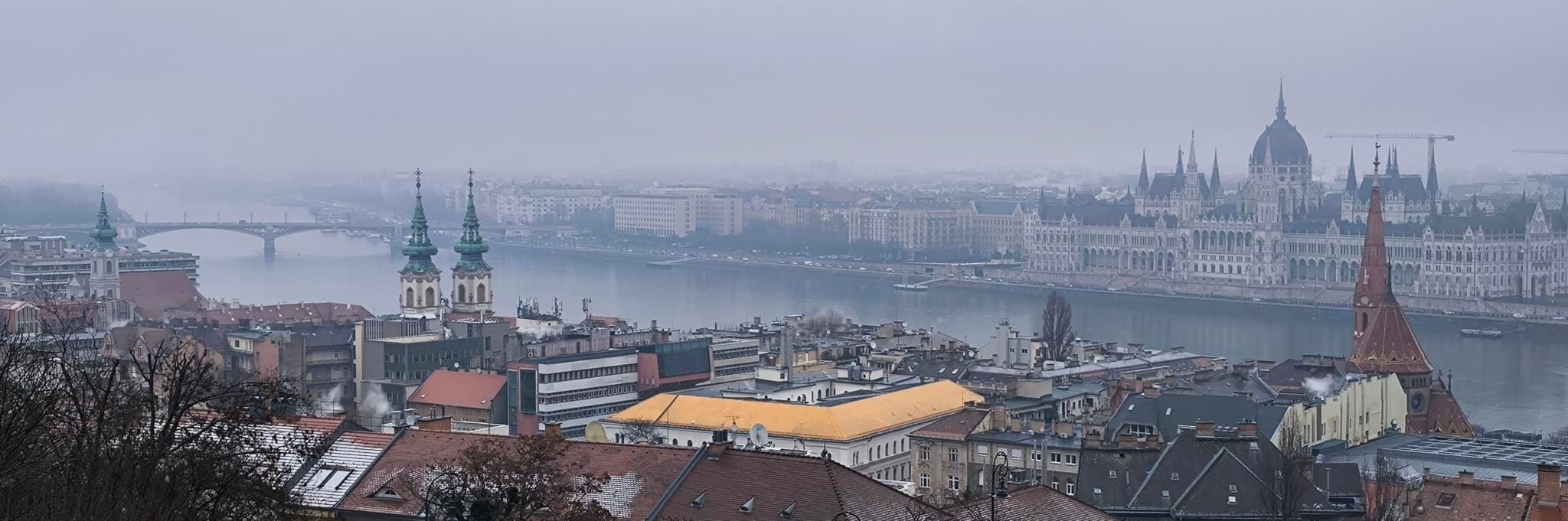
Hungary has refused to adopt the EU Commission policy of ending the reliance on cheap and reliable energy from Russia; so Hungary continues to buy energy from Russia and as a result has been able to keep the retail prices at the pumps unchanged this year from the previous year, to the ire of the Commission, which demands that such price caps must be abolished and energy prices must be raised. Another area of strong disagreement with the EU has been the EU’s war policy: Hungary keeps vetoing further billions of European public money for Ukraine.

Ocean News@OceanNewsUK
Hungary’s Prime Minister Viktor Orbán says he refused to sign off on a major EU financial package for Ukraine, halting progress on a multi-billion-dollar loan plan backed by European leaders. Orbán argued the deal would place long-term financial burdens on EU members and
8:43 AM · Apr 4, 2026 · 43 Views
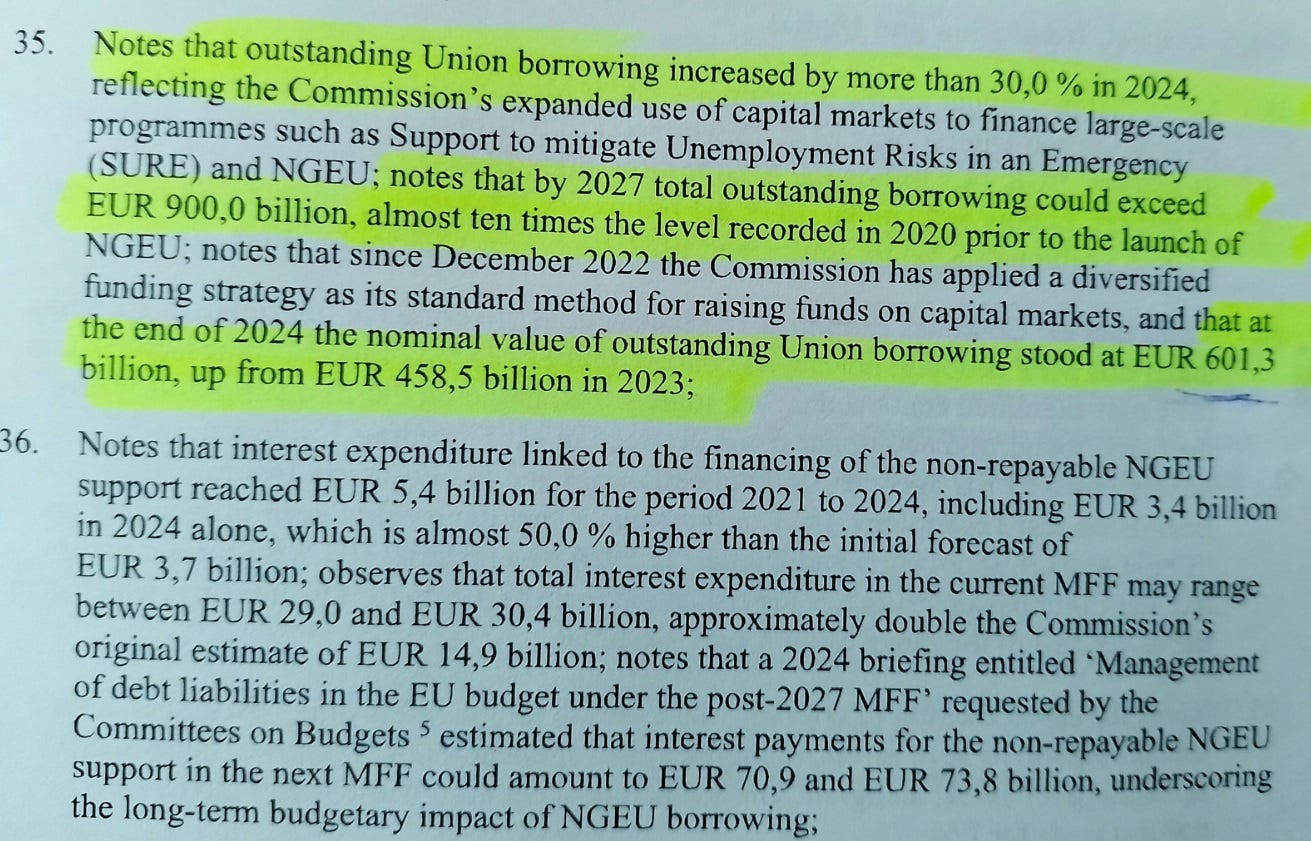
Meanwhile, the EU has increasingly resorted to borrowing money directly, despite this being explicitly forbidden in a number of agreements with the member states.
Comments
Nothing yet. Say the first thing.
Sign in to join the conversation.