
In a surprising twist, my recent MRI results showed no signs of injury—no issues with bones, tendons, ligaments, or muscles. Despite the very real pain I've experienced, it turns out I'm not injured 🤷. This revelation has me both relieved and puzzled. But hey, it means I can return to running, albeit cautiously.
After six weeks off, it's natural to wonder about fitness loss. You've probably heard various theories, like "one day off takes a week to get back." I decided to dig into the science to get a clearer picture.
Runner's World suggests you'll lose 4-5% of your VO2max after just two weeks off (though they didn't cite a source 😒). Since running performance is closely tied to your VO2max, any reduction will inevitably affect your running capacity, whether you're tackling an 800m or a marathon.
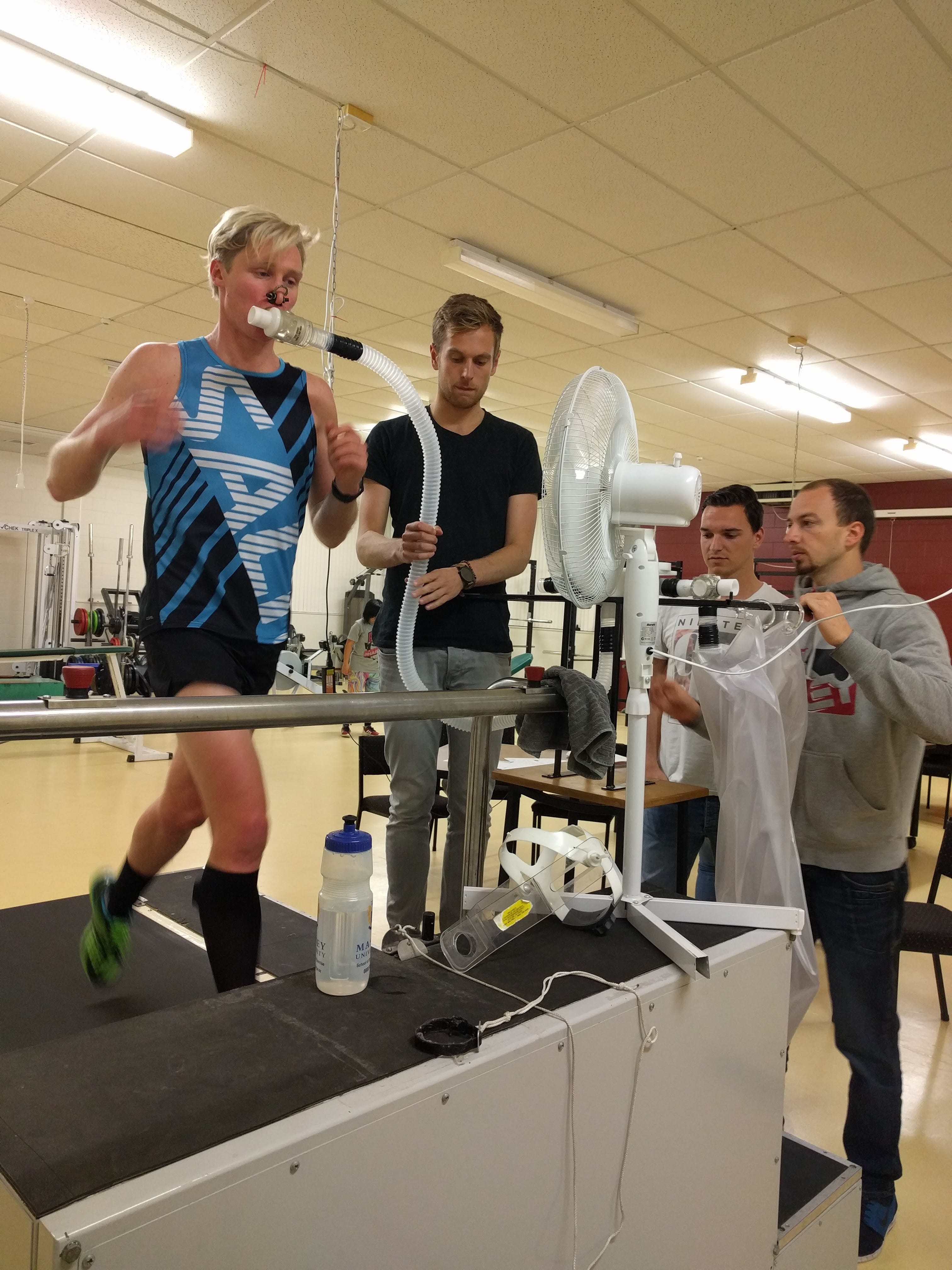
However, the situation isn't as black and white as some make it out to be. Research indicates that maintaining one-third of your original training frequency and duration can preserve your VO2max and endurance. On the flip side, if you cut exercise intensity by one to two-thirds, both your VO2max and submaximal endurance performance will decline (exact numbers vary, P D Neufer).
Interestingly, a study by Chen et al. found that short periods of detraining actually increased lean mass and maintained muscle endurance in recreational male runners. So, taking a couple of weeks off might not be the end of the world. In fact, up to four weeks off could offer super-compensatory benefits—until those benefits plateau.
Let's not forget the neurological and psychological aspects of detraining. While cycling can maintain general fitness, it's not a perfect substitute for running. The extent to which sport-specific performance or endurance capacity would decline remains unclear.
This deep dive into the science of detraining was reassuring for me. A few weeks off doesn't mean I'm back to square one, far from it.
Whether I was running or not, my main objective for the past two months was to improve my anaerobic threshold (see video below for more info on “threshold”). I have continued to work towards this goal by incorporating zone 3 and 4 intervals into my swimming and cycling workouts. After completing a few run walks over the weekend, I plan to progress to running for 30 minutes non-stop to test for any discomfort. Depending on the outcome, I will create a plan for further progression, which I will update next week.

📊8:51 hrs total (TSS 479)
🏃2x Run - walk = 60 min (8 km)
🚵1x MTB = 1:34 hr (21 km)
🚲1x Road Ride = 3:00 hrs (81 km)
🎮1x Zwift = 1:05 hrs (40 km)
🏊2x Pool Swim = 2:00 hr (7.3 km)
🧗♂️1x Bouldering = 1 hr
Tues - Morning Swim 4km
Wed - Zwift Group Ride Steady (30min easy, 30min steady)
Thurs - Rest Day
Sat - Run-walk (30min 4.4km)
I’ve got a video coming out tomorrow (Thursday NZT) on predicting your goal marathon time using your training data, so make sure you subscribe to my YouTube Channel to get notified about that. In the meantime, here’s a video breaking down the scientific difference between tempo and threshold.
Comments
Nothing yet. Say the first thing.
Sign in to join the conversation.