
We’re moving the day our newsletter is sent.
After more than 250 weeks of our Wednesday morning newsletter, we’re changing it up. From this week, our newsletter will be hitting your inboxes on a Friday morning instead of the usual Wednesday.
But, we won’t leave you empty handed this morning (new article below) and we’ve got a cracking new episode of the podcast being sent out in two days time.
Hoo bloody roo!

The hardest conversations may be the shortest route to saving lives
In 218 BC, Hannibal Barca marched his army through the Alps to fight the most formidable military power in the ancient world.
He set out with 90,000 soldiers, but after crossing the Pyrenees and fighting his way through Gaul, 50,000 remained. Fifteen days later, with the Alps behind them, only 26,000 entered Italy.
Despite losing more than two thirds of his army, Hannibal brought Rome to its knees, nearly breaking the Roman Republic.
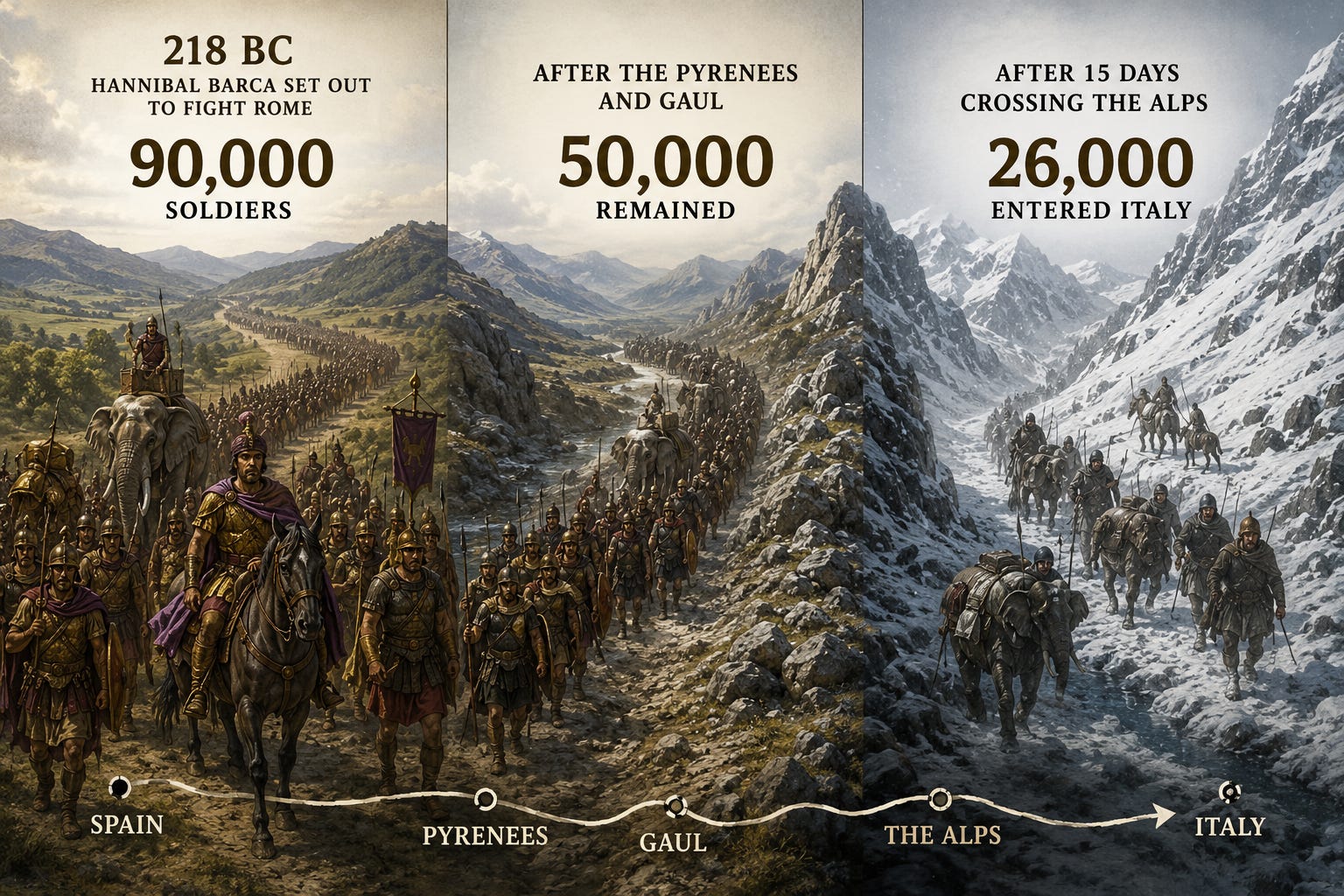
A few days ago, when I posted about what a battlefield for a suicide-free Canberra might look like (I’ve included it at the end of this article), my curiosity was piqued and coincidentally, The Rest is History podcast fuelled my imagination.
What if there was a shortcut that no one thought was possible?
What if there was something we could do in today’s world, that could be an ambush in our fight against suicide?
Funnily enough, I think the answer lies in the example provided... what is the most direct path toward suicide prevention and what might be preventing it?
Viktor Frankl was a neurologist, psychiatrist, the founder of logotherapy, and a Holocaust survivor.
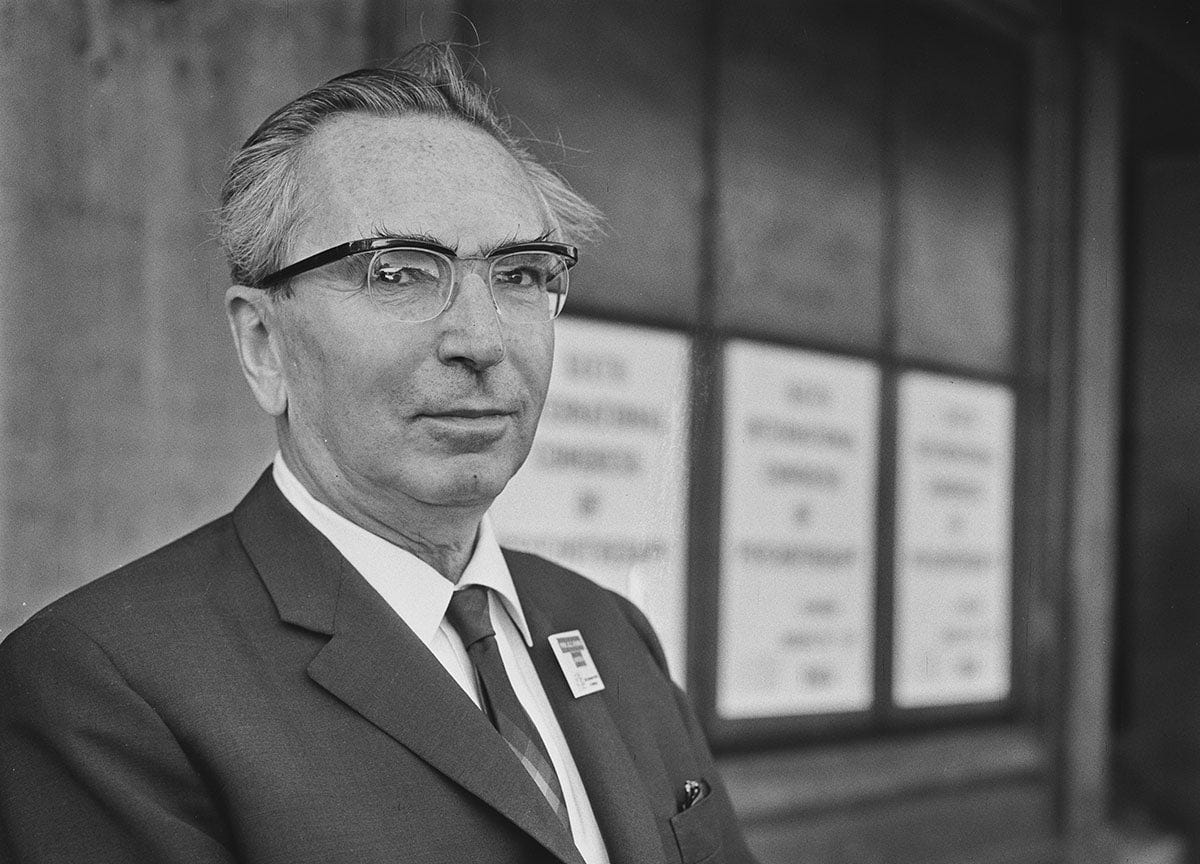
I can’t think of anyone more qualified in helping people understand and navigate trauma than someone with this level of practical and theoretical experience.
When Frankl worked with suicidal patients, he would ask them directly... “Why do you not commit suicide?”
Obviously this question was backed by a desire to help, and it’s not suitable in some circumstances, but it’s brutal nonetheless... to the point... forcing the person to name out loud, the reasons their life still holds meaning... but also, the path they need to take for them to feel like their life holds meaning.
Frankl was willing to lean into difficulty, and take the most direct path.
Difficult conversations.
I think stigma still exists today because suicide is a bloody hard thing to talk about.
From my own experience, the difficulty of knowing that my Dad thought about me in his final moments, and that not being enough to keep him with us, is confronting.
It took me nearly 10 years to talk about it publicly, and it’s taken me another 8 years to try and figure it out... Maybe that’s how much time needs to pass... or maybe there’s a shortcut to the discussions that we need to have
Andrew Logan was interviewed on the R4R Podcast.
His son Johannes died from suicide.
In the week after Johannes’s death, Andrew took himself to where it happened... telling me it was the hardest thing he’s ever had to do, but knowing within himself, that he had to do it.
Since then, Andrew’s continued to lean into his pain, accepting it for what it is... tragic... but using it to help others.
Pip Seldon is the same.
After losing her brother to suicide in 2009, she leant into trying to understand why, finding it difficult to accept that all the signs were there... signs that she didn’t understand at the time.
But through this difficult process... a process that’s no doubt hurt her... she’s kept her brother’s legacy alive, helped herself, and helped others.
I interviewed Pip and Andrew on the same day... and what interested me most about that day was that the conversations were not nearly as draining as I thought they’d be.
They were cathartic.
On the other side of all the things that we think are hard to deal with, that force us to remain silent... are ways to move forward.
Some 2,000 years after Hannibal crossed the alps, in 1915, Winston Churchill thought he saw a way to end World War One.
Instead of grinding through the Western Front, he thought he could take Constantinople, knock the Ottoman Empire out of the War, and outflank the German forces from the East.
“Through the Narrows of the Dardanelles and across the ridges of the Gallipoli Peninsula,” he wrote, “lie some of the shortest paths to a triumphant peace.”
He was completely convinced.
The same conviction and instinct that would lead to triumph in World War II formed the architecture of the Gallipoli Campaign, one that killed tens of thousands of Allied soldiers and failed to achieve its strategic objective.
I don’t think a suicide-free Canberra is meant to be easy to achieve... if it was, it would already be done.
The amount of pain and suffering that suicide elicits on all sides demands it so.
But let’s be frank...
No group I know of has pursued a suicide-free society the way Running for Resilience has so far... and because of that, there’s no blueprint or map to say what path we should take…
So, is the path to removing stigma the most direct one… and, does it lie behind the conversations we’re avoiding?
With ourselves, and others.
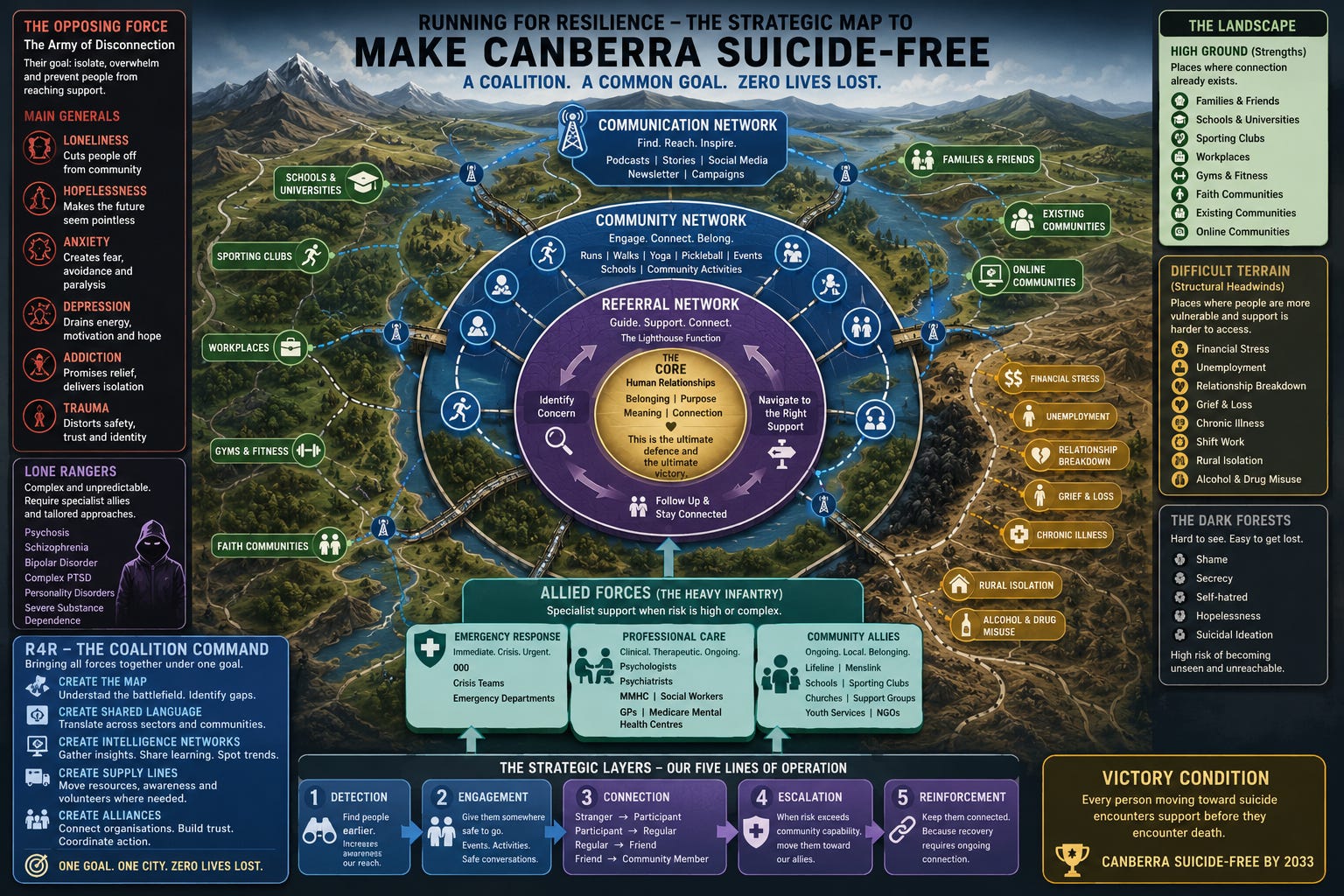
When I was a kid, I loved watching the History Channel and learning about the strategies behind some of humankind’s biggest battles.
I’ve always enjoyed thinking about strategy, and I’ve always found the military lens interesting to apply to completely different problems.
Today, I found myself wondering what the battlefield of a suicide-free Canberra would look like.
What are the opposing forces?
What does the terrain look like?
Where are the strongholds, the chokepoints, the allies, the supply lines, and the existing infrastructure?
It’s obviously an imperfect analogy... people vulnerable to suicide are not the enemy... but viewing the challenge through a strategic lens lands us on a simple framework:
🔍 Detection
🤝 Engagement
🔗 Connection
🚑 Escalation
🛡️ Reinforcement
Running For Resilience is already applying this framework in its own way, and while this lens may be a bit... let’s say... creative...
The more perspectives we can apply to the same problem, the better we understand it.
And the better we understand it, the better we can strive to solve it.
No posts
Comments
Nothing yet. Say the first thing.
Sign in to join the conversation.