The Insects Moved Faster Than the Paperwork
A burned forest, an eight-month wait, and what the federal approval process still costs the tribes already inside it.

Data-driven analysis of institutional barriers to prosperity in Native American communities.
Live Last read · last published · next check
A burned forest, an eight-month wait, and what the federal approval process still costs the tribes already inside it.
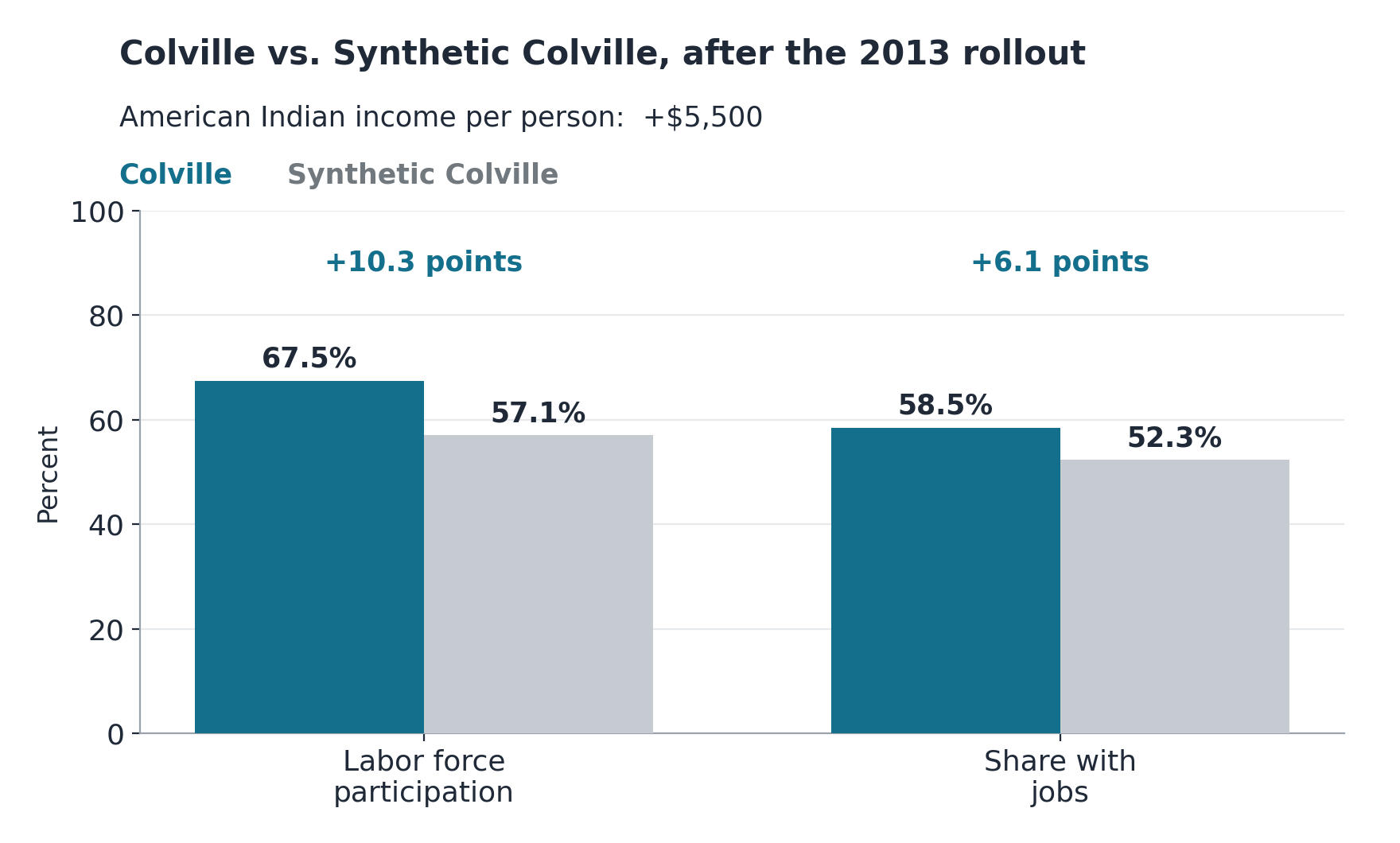
Private carriers would not wire 2,100 square miles of mountains, so the tribe built the network itself. The reservation’s income and employment rose.
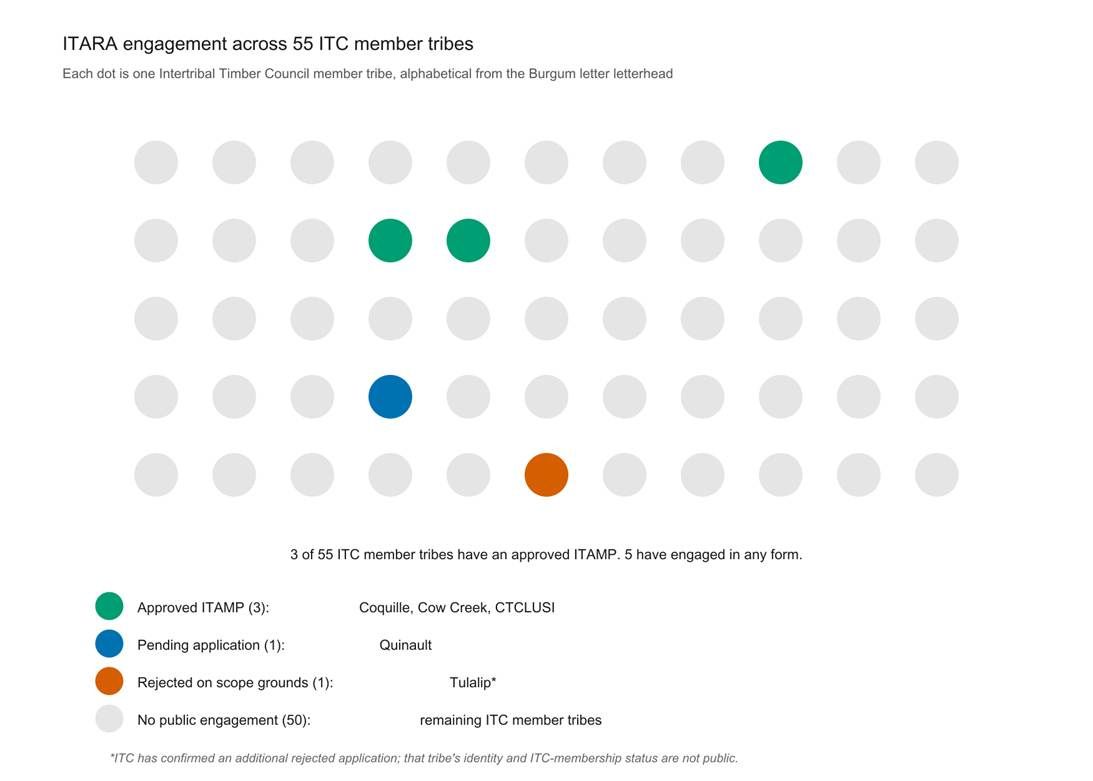
Of fifty-five Intertribal Timber Council member tribes, three made it through
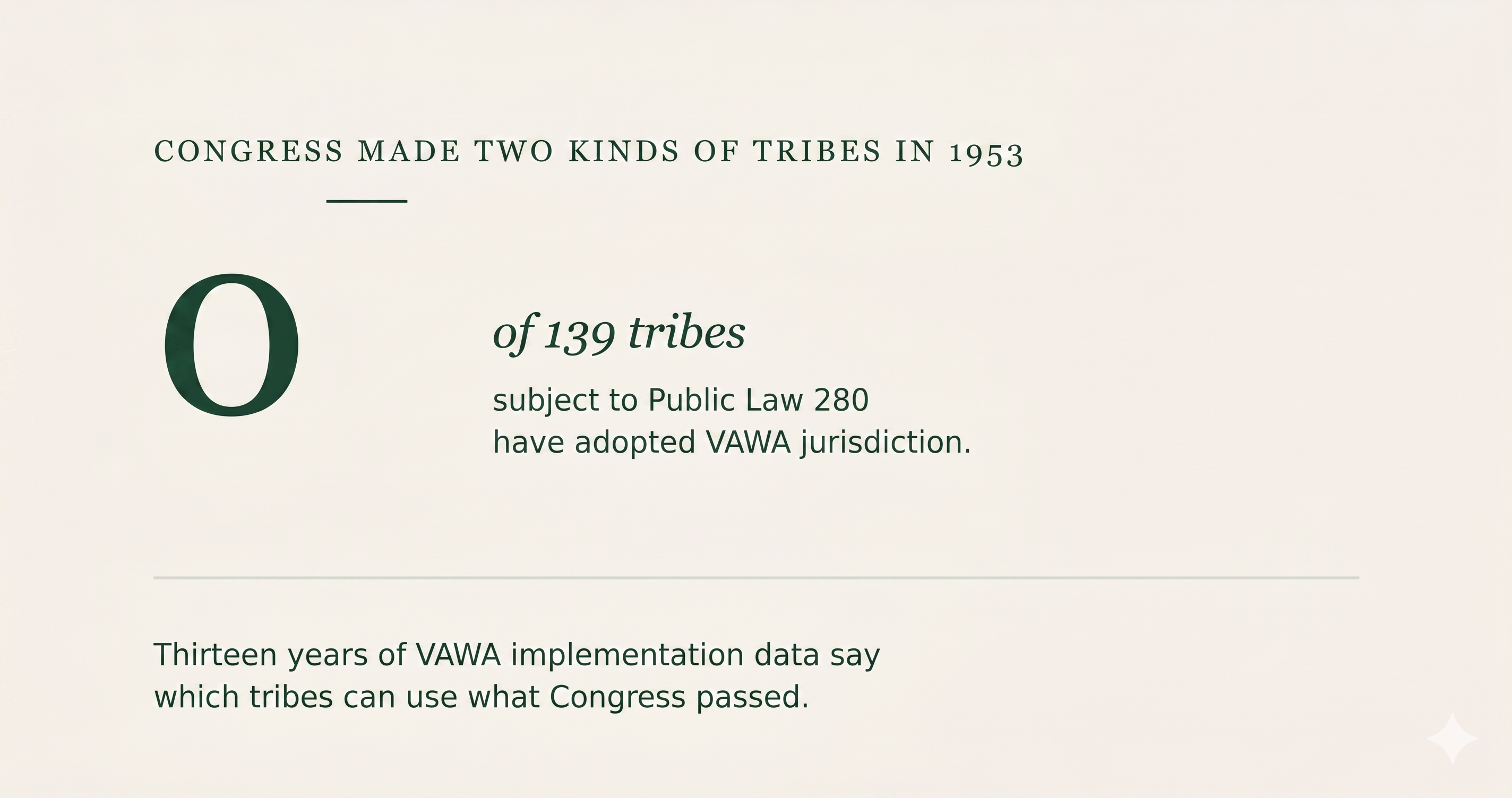
Thirteen years of VAWA implementation data say which tribes can use what Congress passed.
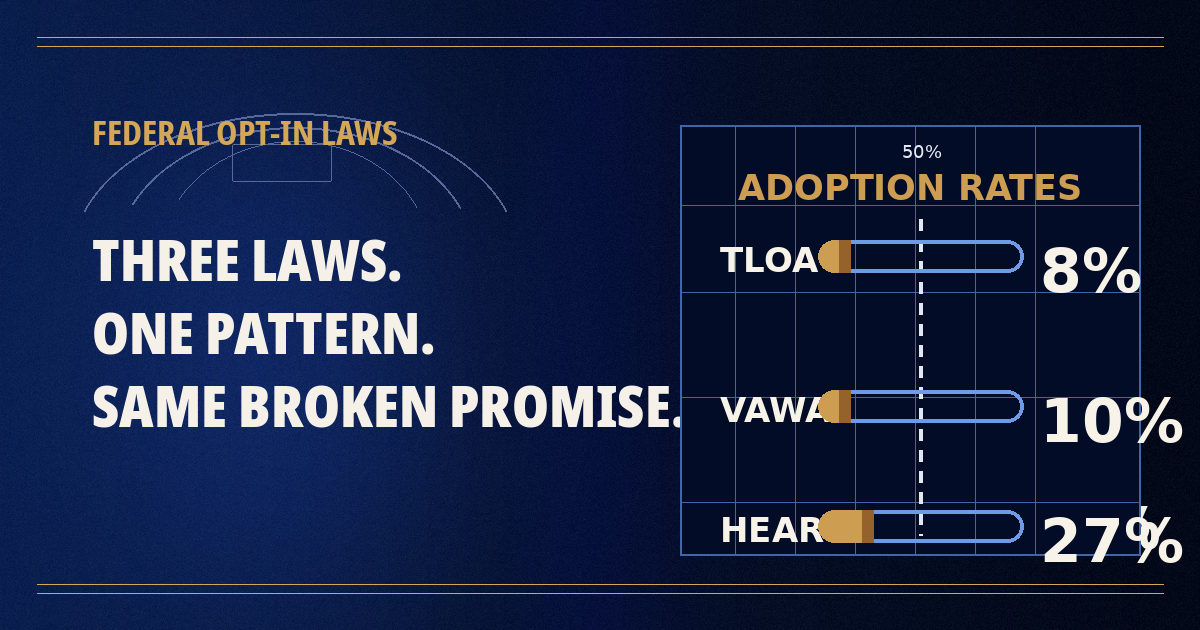
Three federal laws. One pattern. The same broken promise.
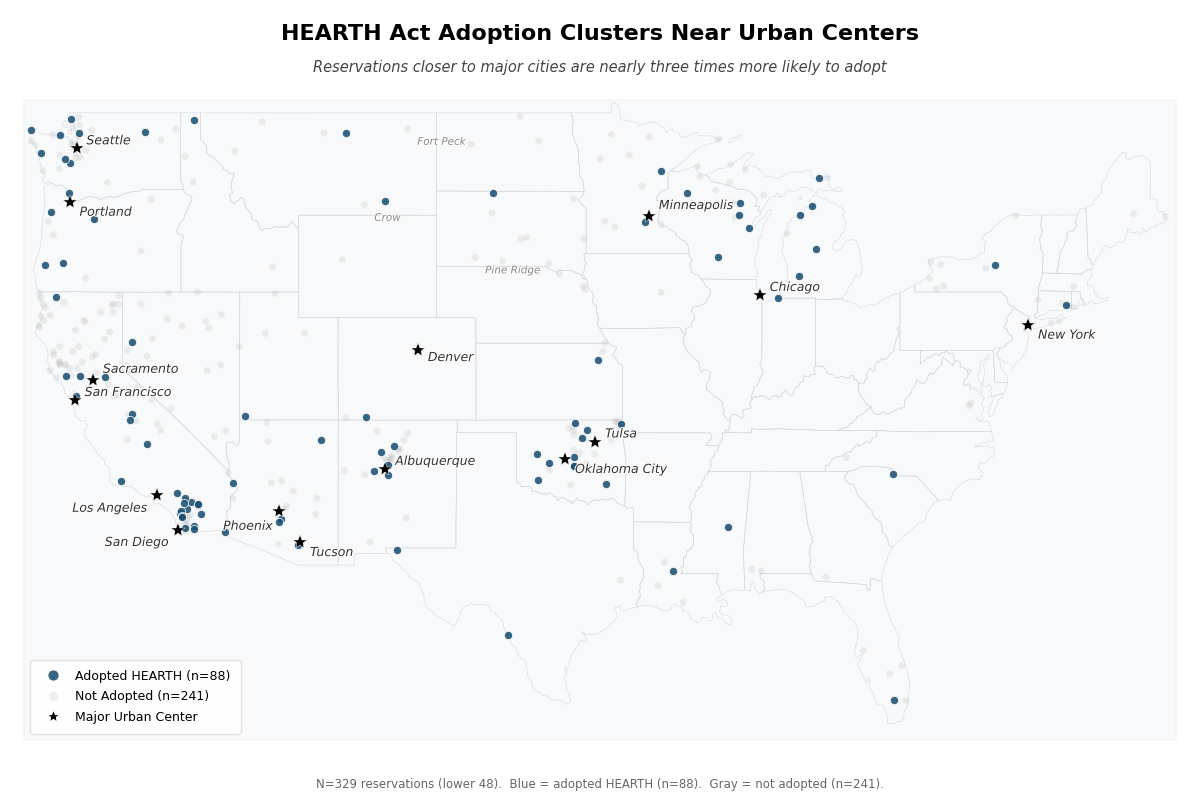
The HEARTH Act cut lease approval times from 18 months to six weeks. New data shows why most reservations still can't take advantage.
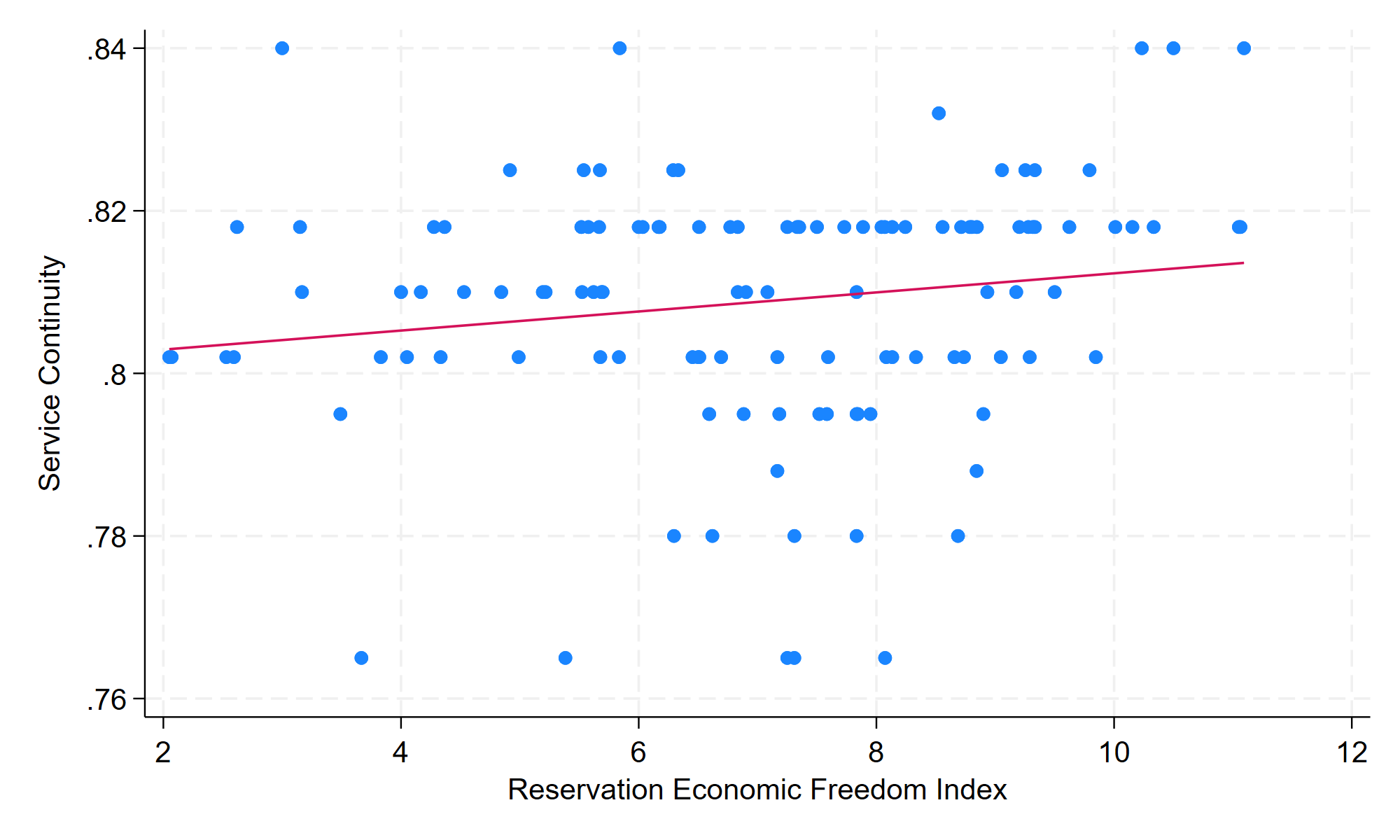
New data show which reservations maintained services during the October 2025 federal shutdown and why
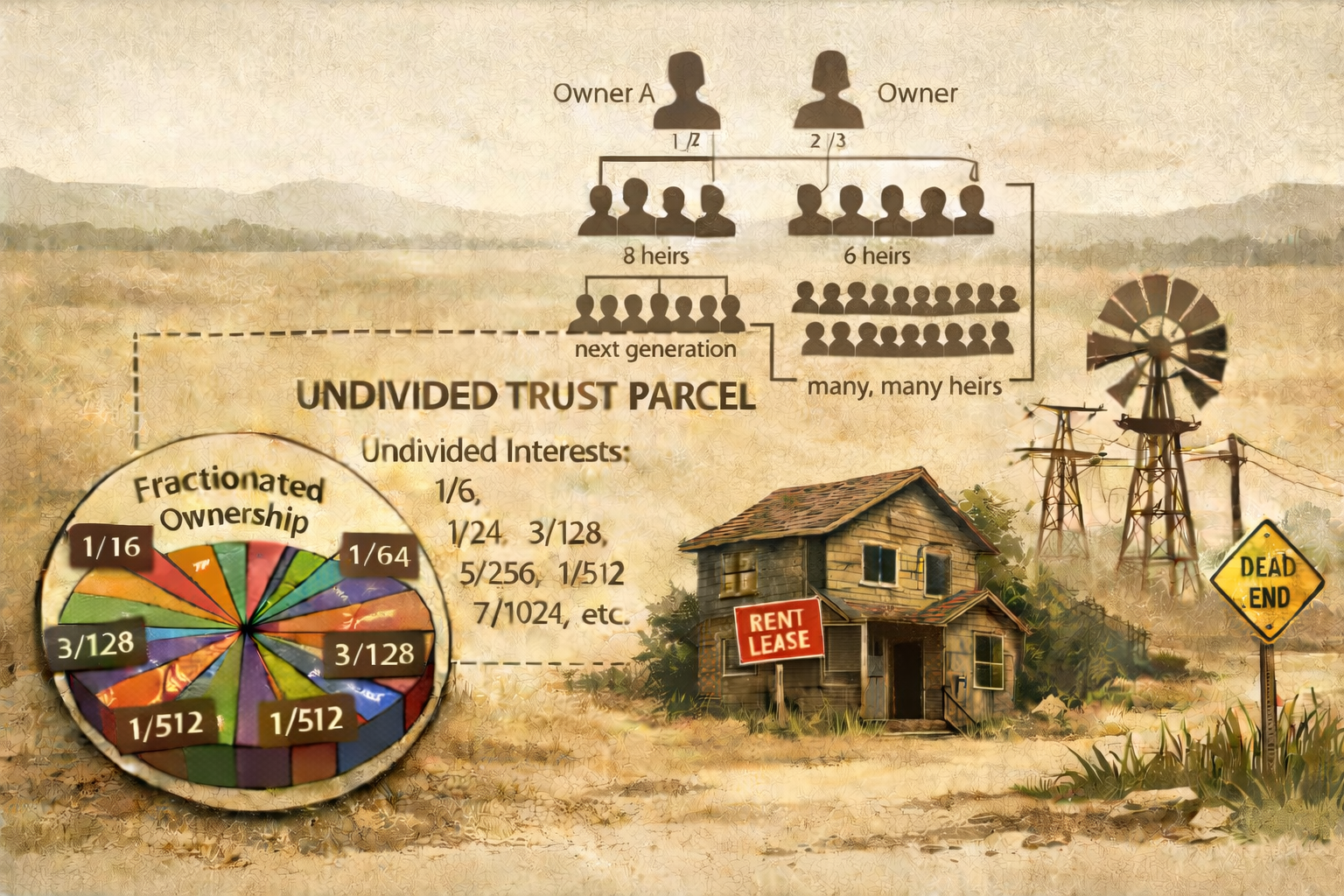
Even after $1.9 billion in consolidation, the problem will spiral back by 2038
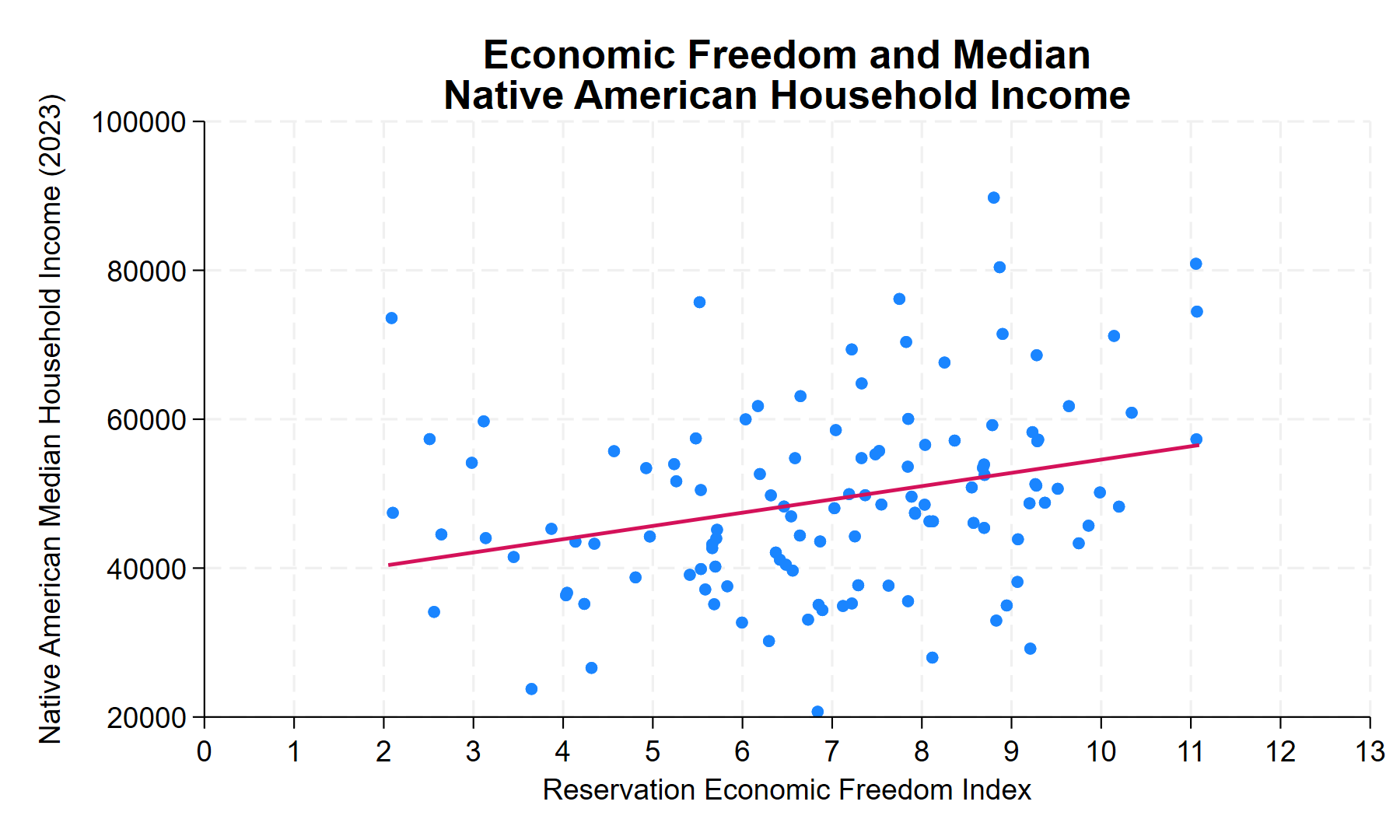
Median household incomes across tribal nations vary by a factor of six. The Reservation Economic Freedom Index 2.0 shows institutional quality explains the gap.
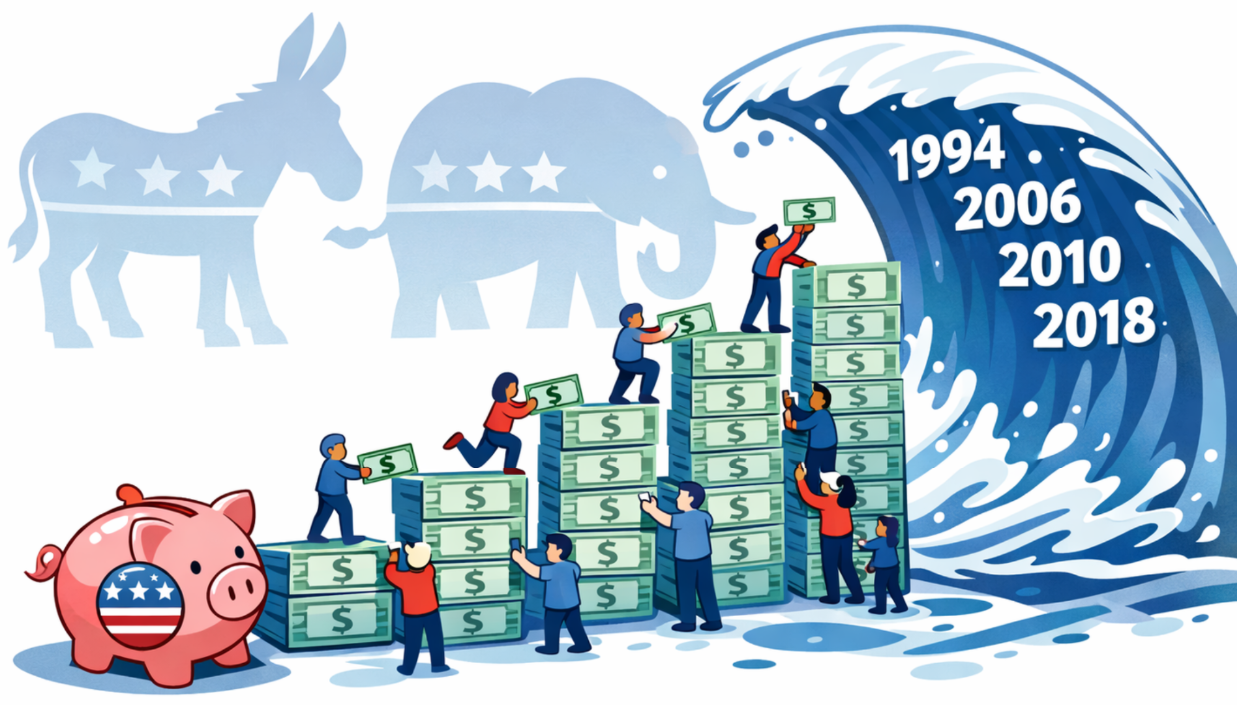
When small-dollar donors rally behind challengers, electoral margins tend to tighten—especially in midterm wave elections.